Beyond the Selfie: Master an Ancient Craft in a Day & Travel Deeper
The flickering glow of the forge cast dancing shadows on the stone walls, the rhythmic clang of hammer on metal echoing through the small, centuries-old workshop. Sweat beaded on my brow, not from the heat of the fire, but from the sheer concentration of shaping molten steel. Just hours earlier, I'd been scrolling endlessly through my phone, feeling disconnected and restless. Now, in a tiny village tucked away in the German Black Forest, I was wielding a hammer, learning the ancient art of blacksmithing – and it was, quite simply, exhilarating.
That day, I didn't just visit a place; I experienced it. I didn't just observe a culture; I participated in it. And I walked away with more than just a souvenir; I had a tangible skill, a newfound appreciation for craftsmanship, and a story far more compelling than any postcard could tell.
We live in a world obsessed with speed and convenience, where everything is mass-produced and digital. But a growing movement is pulling us back to the tactile, the authentic, the handmade. Travelers, myself included, are increasingly seeking out experiences that offer more than just a pretty backdrop for an Instagram post. We want to do something, learn something, and truly connect. And that, my friends, is why ancient trades – those incredible, often meditative crafts passed down through generations – are trending harder than ever. The best part? Many of them can be mastered, or at least beautifully explored, in a single day.
Forget the generic tourist traps. Let's dive into some incredible ancient trades you can learn in a day, transforming your next trip into an unforgettable journey of discovery and creation.
1. The Earthy Charm of Clay: Pottery & Ceramics
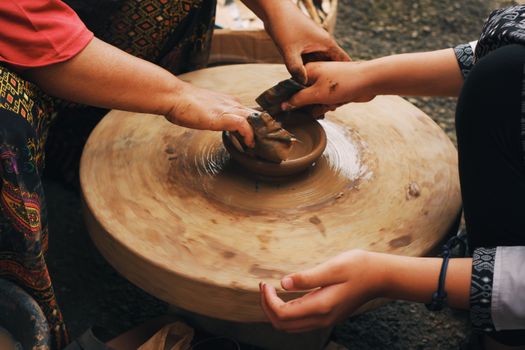
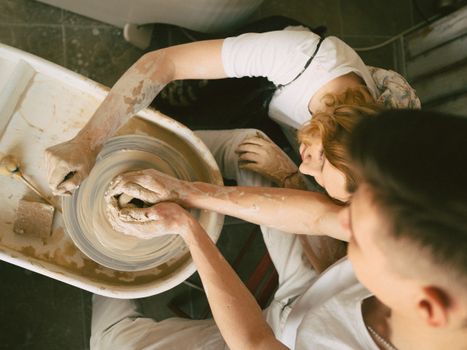
There’s something profoundly therapeutic about working with clay. The cool, pliable material yields to your touch, slowly transforming from a shapeless lump into a functional, beautiful object. It’s a craft that dates back millennia, connecting us directly to our earliest ancestors.
Why it's trending: In our fast-paced world, pottery offers a much-needed digital detox. It's mindful, hands-on, and the result is a unique, often imperfect, piece of art that tells a story. Plus, with the rise of artisan markets and sustainable living, handmade ceramics are highly sought after.
My Story: My first foray into pottery was in the bustling souks of Marrakech, Morocco. Amidst the vibrant chaos, I stumbled upon a small, family-run workshop. The air was thick with the scent of damp earth, and the rhythmic whir of a potter's wheel was almost hypnotic. My instructor, an elderly man with hands gnarled by decades of shaping clay, spoke little English, but his gestures and patient smile transcended any language barrier. I spent an afternoon learning to center the clay, feel its rhythm, and coax it upwards into a wobbly, yet recognizable, bowl. The experience was a beautiful blend of frustration and triumph, and the simple act of shaping earth with my own hands felt incredibly grounding. My lopsided tagine bowl now holds keys on my entryway table, a constant reminder of that magical afternoon.
Practical Tips:
- Look for: Workshops that offer both hand-building and wheel-throwing techniques. Many will include firing and glazing, with options to ship your finished pieces home.
- What to expect: Most day workshops run 3-5 hours, starting with an introduction to clay types, basic techniques, and then hands-on practice.
- Instagram-worthy: Shots of hands covered in clay, the spinning wheel, and your proud (even if imperfect) finished piece. The earthy tones and natural light are perfect for an authentic vibe.
Specifics:
- Location: Fes or Marrakech, Morocco; Oaxaca, Mexico; Puglia, Italy; Bali, Indonesia.
- Price Range: €60 - €150 (approx. $65 - $160 USD) for a half-day to full-day workshop, often including materials and firing.
- How to Book: Check local tourism boards, Airbnb Experiences, or ask your hotel for recommendations for local artisans. Many artisan villages have dedicated pottery centers.
2. The Elegant Strokes of History: Calligraphy & Illumination
From ancient scrolls to illuminated manuscripts, the art of beautiful writing has captivated humanity for centuries. Calligraphy is more than just penmanship; it's a meditative dance of ink and paper, a mindful practice that connects you to history and culture.
Why it's trending: In a digital age dominated by fonts, the human touch of calligraphy is a refreshing antidote. It's a practice in patience, precision, and mindfulness, offering a unique way to understand a culture through its written word. Imagine sending a truly personalized, hand-scripted note!
My Story: On a trip to Kyoto, Japan, I signed up for a Shodo (Japanese calligraphy) class. The serene setting, the delicate scent of sumi ink, and the quiet concentration of the other students immediately transported me. Our sensei, a woman whose movements were as graceful as the characters she drew, demonstrated the precise brushstrokes, the control of breath, and the philosophy behind each character. My first attempts were clumsy, a far cry from the elegant kanji she effortlessly produced. But with each stroke, I felt a deeper connection to the art, understanding the weight and meaning behind the characters. I left with a small, framed piece of my own imperfect but deeply personal calligraphy, a symbol of wabi-sabi and a profound cultural experience.
Practical Tips:
- Look for: Workshops that provide all materials (brushes, ink, paper) and offer guidance on basic strokes, character structure, and the cultural context of the script.
- What to expect: Typically 2-4 hours, focusing on fundamental techniques, posture, and practice. You'll usually create a small piece to take home.
- Instagram-worthy: Close-ups of ink flowing onto paper, the delicate tools, and your finished artwork. The aesthetic is clean, minimalist, and deeply cultural.
Specifics:
- Location: Kyoto, Japan (Shodo); Istanbul, Turkey (Ottoman Calligraphy); Beijing, China (Chinese Calligraphy); Fez, Morocco (Arabic Calligraphy); Florence, Italy (Western Calligraphy).
- Price Range: ¥5,000 - ¥15,000 (approx. $35 - $100 USD) for a 2-3 hour session.
- How to Book: Many cultural centers, temples, and art schools in these regions offer short courses. Airbnb Experiences is also a great resource.
3. Weaving Nature's Hues: Natural Dyeing & Textile Arts
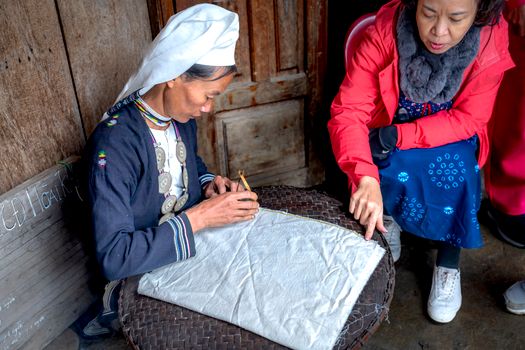
Before synthetic dyes, the world was colored by plants, insects, and minerals. Natural dyeing is a vibrant, sustainable, and utterly enchanting ancient trade that’s experiencing a renaissance. Learning to extract colors from nature is like unlocking a secret language of the earth.
Why it's trending: Sustainability and eco-consciousness are at the forefront of modern living. Natural dyeing offers a beautiful, hands-on way to connect with these values, creating unique, chemical-free textiles. It's also visually stunning and deeply satisfying.
My Story: My journey into natural dyes took me to the lush, spiritual heart of Ubud, Bali. Nestled among rice paddies, a small studio dedicated to traditional textile arts beckoned. Here, I learned how local artisans have, for centuries, transformed leaves, roots, and flowers into an astonishing palette of colors. We started by foraging for indigo leaves, turmeric root, and hibiscus flowers. The process felt like alchemy – simmering plant matter, mordanting fabrics, and then watching as a plain piece of cotton slowly absorbed the rich, earthy tones. My favorite moment was pulling a silk scarf from the indigo vat, watching it transform from green to a deep, mesmerizing blue as it oxidized in the air. I left with a naturally dyed scarf and a profound respect for the wisdom of the earth.
Practical Tips:
- Look for: Workshops that emphasize local materials and traditional methods. Inquire if you'll be working with plant-based dyes, insect dyes (like cochineal), or mineral dyes.
- What to expect: A full day (4-6 hours) will likely cover foraging, dye preparation, mordanting (fixing the dye), and the actual dyeing process. You'll usually dye a scarf, small fabric piece, or even a t-shirt.
- Instagram-worthy: Vibrant vats of color, hands stained with natural pigments, beautiful arrangements of plant materials, and the stunning reveal of a freshly dyed textile.
Specifics:
- Location: Ubud, Bali, Indonesia; Jaipur, India (block printing & natural dyes); Peru (Alpaca wool dyeing); Oaxaca, Mexico (cochineal dyes); Provence, France (lavender dyes).
- Price Range: $80 - $200 USD for a half to full-day workshop, often including materials and a finished textile.
- How to Book: Search for "natural dyeing workshops" or "textile art classes" in your chosen destination. Many eco-lodges and artisan communities offer these experiences.
4. The Resounding Ring of Steel: Introduction to Blacksmithing
Okay, I know what you’re thinking: "Blacksmithing in a day? Are you serious?" And yes, I am! While you won't forge a full suit of armor, many artisan blacksmiths offer introductory workshops where you can learn basic hammer control, heating, bending, and twisting to create small, functional items.
Why it's trending: There's an undeniable allure to working with fire and metal, a primal satisfaction in shaping something strong and unyielding. It's a powerful, hands-on experience that offers a complete escape from the digital world and results in a truly unique, robust creation.
My Story: As I mentioned, my blacksmithing adventure took me to a charming, albeit chilly, workshop in the Black Forest, Germany. The scent of coal smoke and hot metal filled the air. My instructor, a burly but incredibly patient man named Klaus, showed me how to hold the hammer, how to gauge the heat of the steel, and how to use the anvil to shape it. We started with simple hooks, then moved on to a small, decorative leaf. The sheer force required was surprising, but the satisfaction of seeing the metal yield to my will, slowly taking shape under my hammer, was immense. I left with a very wonky but undeniably handmade bottle opener – a testament to my day spent as a fire-wielding artisan.
Practical Tips:
- Look for: "Introductory blacksmithing" or "forge experience" workshops. Ensure safety gear (gloves, eye protection, apron) is provided.
- What to expect: Typically 3-6 hours. You'll learn about forge safety, hammer techniques, and create a small item like a hook, bottle opener, or simple decorative piece. Wear sturdy, non-synthetic clothing and closed-toe shoes.
- Instagram-worthy: Sparks flying, glowing hot metal, the dramatic silhouette of a hammer strike, and your rugged, handmade creation.
Specifics:
- Location: Rural areas of Germany, UK (e.g., Lake District, Cotswolds), New England, USA; Scandinavian countries. Look for heritage centers or artisan villages.
- Price Range: €80 - €250 (approx. $85 - $270 USD) for a half to full-day experience, including materials and safety gear.
- How to Book: Search for "blacksmithing workshops" or "forge experiences" in rural craft communities or historical villages.
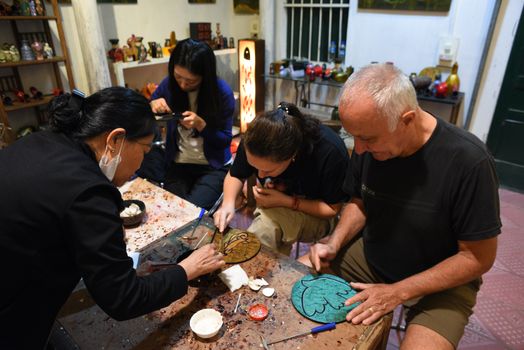
5. Piecing Together Beauty: Mosaic Making
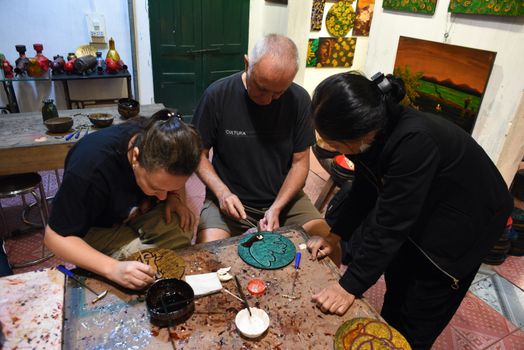
Mosaics – intricate patterns and images formed from small pieces of colored material – are an ancient art form found in cultures from Pompeii to Byzantium. Learning to create a mosaic is a meditative, artistic process that allows you to literally piece together a masterpiece.
Why it's trending: Mosaic making is incredibly satisfying and accessible. You don't need to be a skilled painter to create something beautiful, as the focus is on color, shape, and composition. The results are vibrant, durable, and wonderfully unique.
My Story: My mosaic journey began in Rome, Italy, a city where ancient mosaics still adorn churches and villas. I found a small studio near Trastevere offering a half-day workshop. Our instructor, a passionate artist named Elena, introduced us to smalti (traditional glass tesserae), marble chips, and the tools for nipping and shaping them. I chose to create a small coaster, inspired by the colorful Roman patterns I'd seen. The process was slow, meticulous, and utterly absorbing. Each tiny piece had to be carefully selected, nipped, and placed, building up the image bit by bit. It was a wonderful way to spend an afternoon, connecting with a truly ancient art form in its spiritual home. My coaster, now holding my morning coffee, is a daily reminder of Rome's timeless beauty.
Practical Tips:
- Look for: Workshops that provide a variety of materials (glass, ceramic, stone) and teach basic design principles, cutting techniques, and grouting.
- What to expect: 3-5 hours. You'll typically create a small mosaic tile, coaster, or decorative panel.
- Instagram-worthy: The vibrant array of tesserae, hands carefully placing pieces, the intricate patterns emerging, and the final, polished mosaic.
Specifics:
- Location: Rome or Ravenna, Italy; Barcelona, Spain (Gaudi-inspired); Paphos, Cyprus; Istanbul, Turkey.
- Price Range: €50 - €120 (approx. $55 - $130 USD) for a half-day workshop, materials included.
- How to Book: Art schools, local artisan studios, and cultural centers often offer these classes. Websites like GetYourGuide and Viator also list them.
6. The Sweet Science of Sourdough: Artisan Bread Making
While not always considered an "ancient trade" in the same vein as pottery or blacksmithing, baking bread from scratch, especially sourdough, is a skill rooted in ancient traditions and a profound connection to sustenance. It's a craft that's experiencing a massive resurgence, and for good reason.
Why it's trending: The sourdough boom during the pandemic highlighted our desire for simple, wholesome, and handmade food. Learning to bake artisan bread connects you to agricultural history, local ingredients, and the satisfaction of creating something delicious and nourishing from basic elements.
My Story: My most delicious "ancient trade" experience was in a rustic boulangerie in a small village in Provence, France. The air was intoxicating with the scent of yeast, flour, and baking bread. Our baker, Jean-Luc, a man whose hands kneaded with decades of expertise, taught us the magic of sourdough. We learned about starters, the long fermentation process, folding techniques, and how to achieve that perfect crust and airy crumb. I spent the morning getting my hands delightfully sticky, shaping dough, and feeling the warmth of the wood-fired oven. The highlight, of course, was pulling out our golden loaves, still warm, and tearing into them with fresh butter and local cheese. It was a feast for the senses and a lesson in patience and tradition. I even brought a piece of Jean-Luc's starter home with me!
Practical Tips:
- Look for: Workshops that focus on traditional methods, local ingredients, and ideally, a wood-fired oven experience.
- What to expect: A full day (4-7 hours) covering starter maintenance, mixing, kneading, proofing, shaping, and baking. You'll typically take home a freshly baked loaf and perhaps even a piece of starter.
- Instagram-worthy: Flour-dusted hands, beautifully scored dough, golden-brown loaves fresh from the oven, and of course, a delicious cross-section shot.
Specifics:
- Location: Provence, France; Tuscany, Italy; San Francisco, USA; various farm-to-table culinary schools globally.
- Price Range: €100 - €250 (approx. $110 - $270 USD) for a full-day workshop, often including ingredients, recipes, and a meal.
- How to Book: Culinary schools, specific bakeries offering classes, and specialized food experience platforms.
General Tips for Finding Your Ancient Craft Adventure:
- Research Locally: Before you travel, do a quick search for "[Destination Name] artisan workshops," "craft classes," or "[Specific Craft] workshop [Destination Name]."
- Check Airbnb Experiences: This platform is a goldmine for unique, local-led activities, often including craft workshops.
- Ask Your Hotel/Guesthouse: Local hosts often have insider knowledge about hidden gems and authentic experiences.
- Visit Tourism Boards: Official tourism websites often list cultural activities and workshops.
- Read Reviews: Look for workshops with good reviews that highlight the instructor's patience and the quality of the experience.
- Inquire About Inclusions: Confirm what's included (materials, tools, shipping of finished items, meals).
- Consider Language: While many instructors will have some English, be prepared for potential language barriers and the beauty of learning through demonstration.
- Dress Appropriately: For some crafts (like blacksmithing or dyeing), wear old clothes that you don't mind getting dirty. Closed-toe shoes are often a must.
Why Bother? The Profound Impact of Learning an Ancient Trade
Beyond the cool Instagram photos and the unique souvenir you get to take home, learning an ancient trade in a day offers profound benefits:
- Cultural Immersion: You gain a deeper understanding of a region's history, traditions, and the daily lives of its people.
- Mindfulness & Digital Detox: These hands-on activities force you to slow down, focus, and be present, offering a much-needed break from screens.
- Sustainable Travel: You're supporting local artisans and preserving traditional skills, contributing to the local economy in a meaningful way.
- Tangible Skills: You walk away with a real skill, a sense of accomplishment, and potentially a new hobby!
- Unique Memories: These experiences are far more memorable and impactful than simply ticking off another landmark.
So, on your next adventure, consider swapping an hour of scrolling for an hour of shaping clay, hammering metal, or weaving natural fibers. You might just discover a hidden talent, forge a deeper connection with the world, and return home with a story that truly resonates.
Which ancient craft will you master on your next trip? Share your experiences and inspire fellow travelers in the comments below!
---