The World's Hottest Classroom: Why Traditional Music Lessons from Masters Are Trending Right Now
There’s a hum, a resonant thrum, echoing through the travel world right now, and it’s not just the sound of planes taking off. It’s the ancient melodies of a shamisen, the passionate strum of a flamenco guitar, the lively jig of an Irish fiddle, and the meditative drone of a sitar. Travelers, myself included, are increasingly seeking more than just picturesque views and delicious food; we’re yearning for connection, for authenticity, for experiences that transcend the surface. And nothing, my friends, delivers that quite like sitting at the feet of a true master, learning the heart and soul of a culture through its traditional music.
I remember my first time truly feeling this pull. It was in a dimly lit Kyoto tea house, the air thick with the scent of matcha and history. A geiko, her face a canvas of serene artistry, began to play the shamisen. The three-stringed instrument, with its distinctive percussive twang, wove a story that transcended language. I wasn't just listening; I was transported. In that moment, the idea of simply observing felt insufficient. I wanted to touch that history, to feel those vibrations, to understand the intricate dance of fingers on strings.
Fast forward a few years, and what was once a niche pursuit for the truly dedicated is now a booming trend. In a world saturated with digital noise and fleeting trends, the slow, deliberate, and deeply personal act of learning a traditional instrument from a living legend offers a profound antidote. It's a digital detox, a cultural deep dive, and a truly unforgettable souvenir rolled into one. This isn't just about picking up a few chords; it's about understanding a people, their stories, their struggles, and their joys, all expressed through the universal language of music.
So, pack your curiosity and open your ears, because Tripsora is about to take you on a melodic journey, showcasing where and how you can join this incredible trend and find your own musical master.
The Global Classroom: Where Ancient Rhythms Await Your Touch
The beauty of this trend is its global reach. Every culture has its sonic heartbeat, an instrument that tells its unique story. Here are a few places where I’ve personally witnessed (or dreamed of witnessing!) this magic unfold:
1. Japan: The Serene Shamisen and Soulful Koto
Where to Go: Kyoto, Tokyo, or even smaller, traditional towns. The Experience: Imagine yourself in a quiet tatami room, the scent of wood and incense in the air. A sensei (master teacher), perhaps an elder with decades of experience, guides your fingers over the taut strings of a shamisen. This isn't just a musical instrument; it's a piece of living history, often associated with geisha and kabuki theater. Or perhaps the graceful, 13-stringed koto, whose delicate plucking evokes images of ancient court music and tranquil gardens.
My own attempt at the shamisen, facilitated by a wonderful cultural center in Gion, Kyoto (I found them through a local tour guide network, but places like Maiko Cultural Workshop in Gion offer beginner experiences), was humbling. My initial plucks sounded like a cat being strangled, but my sensei, a woman with the patience of a saint and a smile that could calm a storm, simply nodded and gently repositioned my hand. She didn't just teach notes; she taught posture, breathing, and the subtle art of ma (space/pause) in Japanese aesthetics. It was less a lesson and more a meditation.
Practicalities:
- Finding a Master: Look for cultural centers, traditional music schools, or ask at your ryokan or local tourist information. Some smaller, independent teachers might be found through local community boards or online forums for expats.
- Cost: Beginner workshops can start from ¥5,000-¥10,000 for a 1-2 hour session. Private, intensive lessons with a renowned master could be significantly more, perhaps ¥8,000-¥15,000 per hour. Package deals for multiple lessons are often available.
- What to Expect: Focus on respect, patience, and immersion. You likely won't be a master in a day, but you'll gain an incredible appreciation. Instruments are usually provided.
2. Ireland: Fiddle, Flute, and the Craic in the Pub
Where to Go: Doolin (County Clare), Galway, Dublin, and any village with a vibrant pub scene. The Experience: The sound of an Irish fiddle dancing through a lively pub session is pure magic. Traditional Irish music is communal, spirited, and deeply ingrained in the culture. Learning the fiddle, tin whistle, or bodhrán (Irish drum) isn't just about mastering an instrument; it's about becoming part of a living tradition, joining the craic (fun) and sharing stories through music.
I spent a week in Doolin, a tiny village on the west coast, renowned for its traditional music. I connected with a local fiddle player, an elderly gentleman named Seamus, who taught out of his cozy cottage (found him through the local B&B owner, a true gem!). Each evening, after a lesson where my fingers fumbled through "The Star of the County Down," we’d head to Gus O'Connor's Pub. There, I’d listen, sometimes joining in with my rudimentary tin whistle (much easier for a beginner!), feeling the rhythm pulse through the room. Seamus didn't just teach me notes; he taught me the feeling, the improvisational spirit, and the importance of listening as much as playing.
Practicalities:
- Finding a Master: Look for local music schools (like those affiliated with Comhaltas Ceoltóirí Éireann), ask in traditional pubs, or inquire at local tourist offices. Many musicians offer private lessons.
- Cost: Private lessons typically range from €30-€60 per hour. Group workshops might be less. Many pubs host free traditional music sessions where you can listen and even join in if you feel confident.
- What to Expect: A relaxed, friendly atmosphere. Don't be afraid to make mistakes; it's all part of the learning. Instruments can often be rented or purchased locally.
3. India: Ragas, Rhythm, and the Soulful Sitar/Tabla
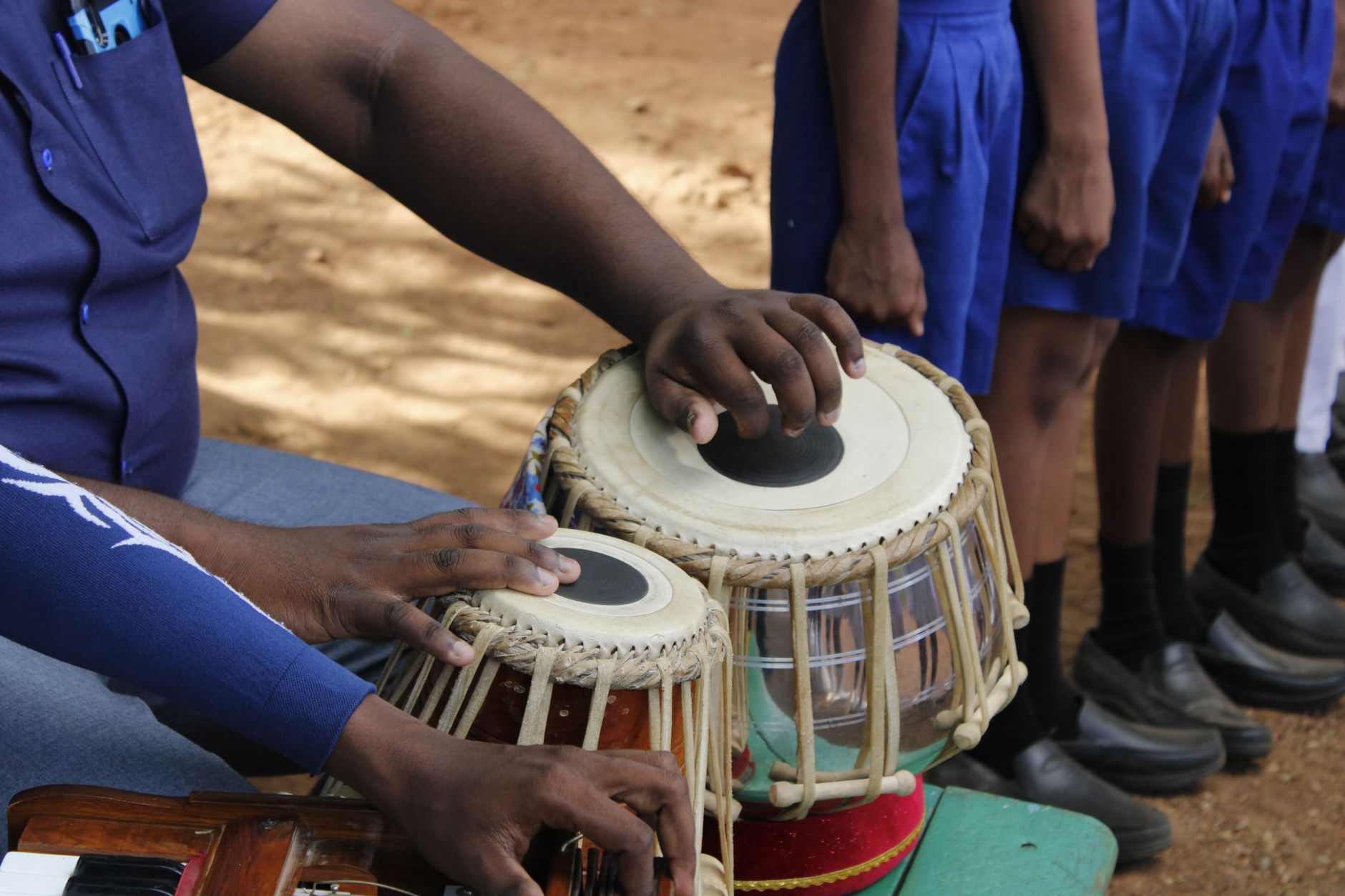
Where to Go: Varanasi, Rishikesh, Mumbai, Kolkata. The Experience: Indian classical music is a universe unto itself – complex, spiritual, and deeply emotive. Learning the sitar (a stringed instrument with a haunting, resonant sound) or the tabla (a pair of hand drums with intricate rhythmic possibilities) is not merely a technical endeavor; it’s a journey into philosophy, meditation, and ancient traditions. You'll learn about ragas (melodic frameworks) and taals (rhythmic cycles) from a guru (spiritual teacher/master) who embodies generations of musical wisdom.
My friend, a seasoned traveler, once recounted his experience in Varanasi. He found a tabla guru near the ghats, an elderly man with hands that moved like quicksilver. For two weeks, he immersed himself, rising early for lessons, then practicing by the Ganges. He spoke of the sheer mental discipline required, but also the profound peace it brought. He said the guru taught him not just how to strike the drums, but how to listen to the silence between the beats, how to find his own rhythm in the chaos of life.
Practicalities:
- Finding a Master: Ashrams, music academies (like the Bhatkhande Music Institute in Lucknow or various schools in Varanasi), and university music departments are good starting points. Word-of-mouth is also very powerful here.
- Cost: Lessons can be surprisingly affordable, ranging from ₹500-₹1500 per hour for private tuition, depending on the guru's reputation. Intensive residential courses might cost more but offer deeper immersion.
- What to Expect: A respectful, disciplined environment. Be prepared for a steep learning curve and a deep dive into Indian culture and philosophy. Instruments can often be rented or purchased.
4. Andalusia, Spain: The Passionate Flamenco Guitar
Where to Go: Seville, Granada, Jerez de la Frontera. The Experience: The flamenco guitar is the beating heart of Andalusia, an instrument that weeps, sings, and dances. Learning flamenco isn't just about chords and arpeggios; it's about duende – that untranslatable feeling of passion, soul, and raw emotion. You'll learn from a maestro, often someone who has been playing in tablaos (flamenco venues) for decades, who will teach you the intricate rasgueados (strumming techniques), the percussive golpes, and the rhythmic compás that define this powerful art form.
In Seville, I once stumbled upon a small, unassuming flamenco school in the Triana neighborhood. Drawn in by the sound of a lone guitar, I signed up for a beginner's workshop. My teacher, a charismatic man named Miguel, had fingers that seemed to have a life of their own. He didn't just show me where to put my fingers; he showed me how to feel the music, how to put my own story into each note. He’d tap his foot, clap his hands, and sing a cante (flamenco song) to illustrate the rhythm, and suddenly, the guitar wasn't just wood and strings; it was a voice.
Practicalities:
- Finding a Master: Look for dedicated flamenco schools (like the Cristina Heeren Foundation in Seville, or smaller local schools), cultural centers, or ask at local tablaos.
- Cost: Group workshops might be €20-€40 per session. Private lessons with a renowned maestro can range from €40-€80 per hour. Intensive week-long courses are also common.
- What to Expect: A vibrant, passionate, and sometimes demanding learning environment. Flamenco is intense, but incredibly rewarding. Instruments are usually available for rent or use during lessons.
Beyond the Notes: The True Value of a Musical Pilgrimage
What you gain from these experiences extends far beyond the ability to play a few tunes.
- Deep Cultural Immersion: You're not just observing a culture; you're participating in it, understanding its nuances from the inside out. You learn history, philosophy, and social customs directly from those who embody them.
- Authentic Connection: These lessons often lead to genuine friendships with your teachers and fellow students. You're welcomed into a community, sharing stories and laughter over shared meals or post-lesson tea.
- Digital Detox & Mindfulness: The focus required to learn an instrument from a master is a powerful antidote to our always-on world. It forces you to be present, to listen, and to engage your mind and body in a deeply mindful way.
- A Unique Souvenir: Forget mass-produced trinkets. The skills you acquire, the stories you gather, and the transformation you undergo are the most precious souvenirs imaginable.
- Personal Growth: Learning something new, especially something challenging and culturally rich, builds confidence, patience, and resilience. It pushes you outside your comfort zone in the most rewarding way.
Planning Your Harmonious Adventure: Practical Tips
Ready to embark on your own musical quest? Here’s how to make it a reality:
- Research, Research, Research: Start online! Look for traditional music schools, cultural centers, and local musicians who offer lessons in your chosen destination. Read reviews, check websites, and look for social media presence.
- Contact in Advance: Popular masters or schools can book up quickly, especially during peak travel seasons. Reach out well before your trip to inquire about availability, pricing, and lesson formats.
- Be Specific About Your Goals: Are you looking for an intensive daily regimen, or just a few casual lessons? Communicate your skill level (even if it's "absolute beginner") and what you hope to achieve.
- Embrace the Local Way: Be open to lessons that might not be in a formal classroom setting. Some of the most authentic experiences come from learning in a master's home or a local community space.
- Budget Wisely: Factor in not just lesson costs, but also instrument rental (if needed), travel to and from lessons, and potential gratuities.
- Learn Basic Phrases: Even a few words in the local language (especially polite greetings and "thank you") will go a long way in showing respect and building rapport with your teacher.
- Be Patient and Respectful: You are learning an art form that often takes a lifetime to master. Approach it with humility, an open mind, and deep respect for the tradition and your teacher. Don't expect instant mastery.
- Record (with Permission!): Ask your master if it's okay to record portions of your lesson (audio or video) for practice later. This is invaluable, but always ask first.
Making It Shareable: Instagram-Worthy Moments (Respectfully!)
This trend is inherently Instagrammable, but remember to be respectful of the cultural context and your teacher.
- Focus on the Instrument: Close-ups of your hands on the strings, the intricate details of a shamisen, the vibrant colors of a flamenco guitar.
- The Setting: A serene Japanese tatami room, a bustling Irish pub, a quiet Indian ashram, a sun-drenched Andalusian courtyard. Capture the atmosphere.
- The Master (with Consent): A candid shot of your teacher's hands, their focused expression, or a posed photo together (always ask first!). Emphasize their wisdom and artistry.
- Your Journey: A short video clip of you attempting a new tune (even if it's rough!), a photo of your practice space, or a "before and after" of your progress.
- Cultural Context: Show the food you ate, the people you met, the wider community surrounding the music.
- Hashtags: #TraditionalMusicLessons #MusicMasters #CulturalImmersion #ExperientialTravel #LearnAnInstrument #TravelWithMusic #[InstrumentName]Lessons #[Country]Travel #UnplugAndPlay #TripsoraMusic
The Harmonious Conclusion: Your Turn to Play
This isn't just a travel trend; it's a movement towards deeper, more meaningful engagement with the world. Learning traditional music from a master is an act of cultural reverence, a personal challenge, and an unparalleled opportunity for connection. It’s about slowing down, listening intently, and letting the ancient rhythms of a place resonate within your own soul.
So, what are you waiting for? Which instrument calls to you? Which culture's melody will you choose to explore? The world’s greatest music masters are waiting, ready to share their knowledge and passion. It’s time to stop just listening and start playing your own part in the global symphony.
Have you taken a traditional music lesson abroad? Share your stories and tips in the comments below! What instrument would you love to learn? Let's inspire each other to make music a centerpiece of our next adventure!
---