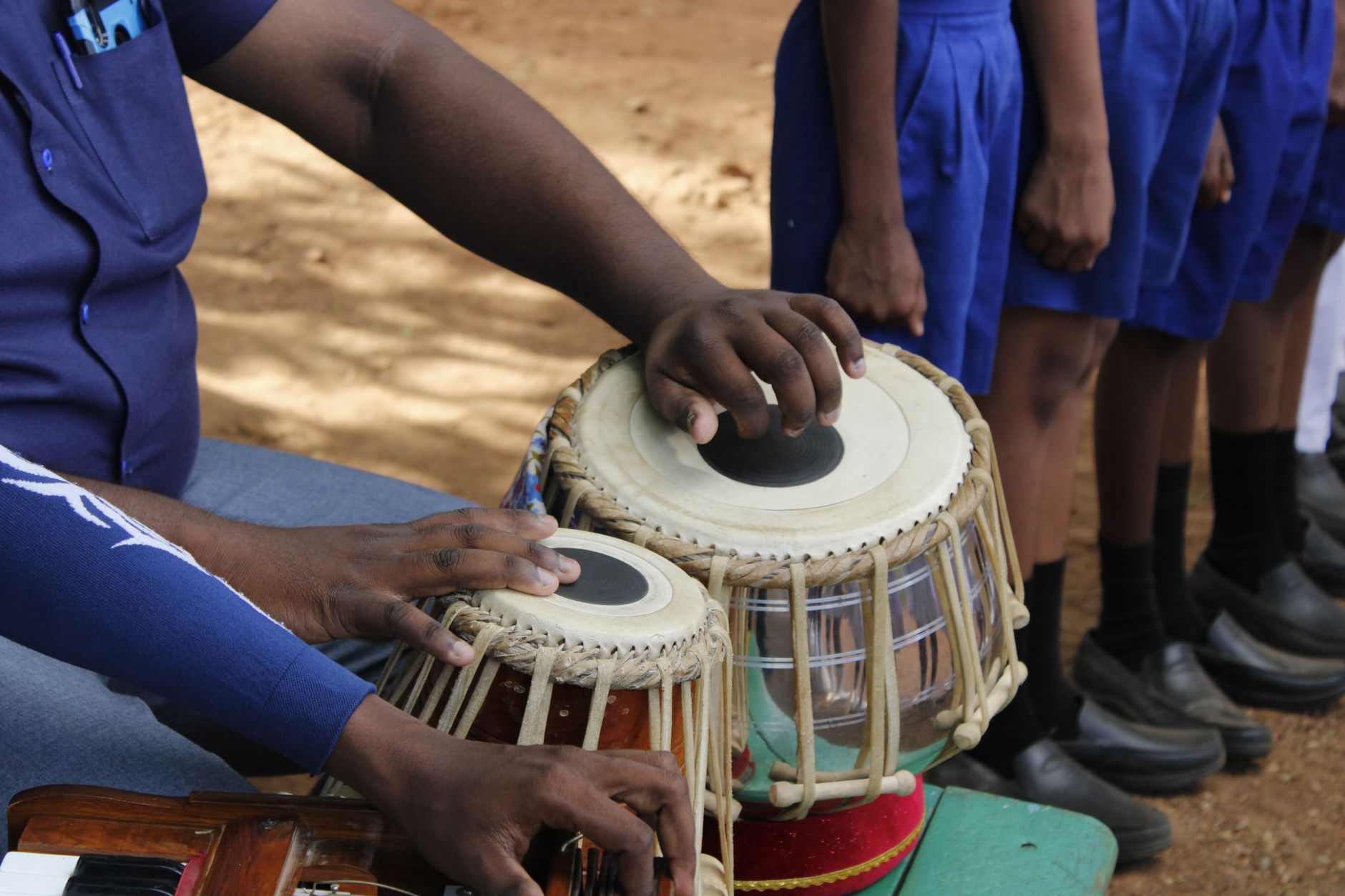
The Lingering Melody: How Traditional Music Lessons Changed My Life Forever
There comes a point in every seasoned traveler’s journey when ticking off landmarks starts to feel… hollow. Don’t get me wrong, the Eiffel Tower is magnificent, and the Grand Canyon breathtaking, but after years on the road, I found myself yearning for something more profound. I wanted to feel a place, not just see it. To connect with its pulse, its soul, in a way that souvenir shops and selfie sticks simply couldn't offer.
It was during one of these moments of introspective wanderlust that I stumbled upon an idea, an unexpected whisper that would soon become the loudest, most transformative anthem of my travels: learning traditional music directly from masters in their homelands.
I'd always loved music, but as a listener, never a player. The thought of picking up an instrument, especially a complex traditional one, felt daunting. Yet, the allure of unlocking a culture’s heart through its melodies, rhythms, and stories was too strong to resist. Little did I know, this audacious quest wouldn't just teach me a few notes; it would redefine my entire approach to travel, culture, and even myself. It was, quite literally, life-changing.
The Spark of a Shamisen: Plucking the Strings of Tradition in Kyoto, Japan
My first dive into this musical odyssey took me to the ancient, serene streets of Kyoto, Japan. I’d always been captivated by the haunting, vibrant sound of the shamisen, a three-stringed, banjo-like instrument central to Japanese folk and classical music. It’s an instrument that tells stories – of geishas, of samurai, of festivals and quiet moments alike. Hearing it live at a small local festival, its percussive twang cutting through the evening air, solidified my resolve. I had to learn it.
Finding a teacher in Kyoto was an adventure in itself. I started by asking at local music shops, then cultural centers, and eventually, a friendly guesthouse owner pointed me to a small, unassuming studio tucked away near Gion. There, I met Sensei Tanaka, a man whose gentle eyes held decades of musical wisdom. He was perhaps in his late 60s, with nimble fingers and an aura of quiet discipline.
Sensei Tanaka’s studio was a sanctuary of tradition. Tatami mats covered the floor, and various shamisens hung on the walls, each a work of art. My first lesson began not with playing, but with bowing, with learning the correct posture, and understanding the respect due to the instrument and the art form. The shamisen itself is a marvel: its long neck, the resonant drum-like body covered in cat or dog skin, and the enormous, fan-shaped plectrum called a bachi.
Learning the shamisen was an exercise in patience and precision. Sensei Tanaka taught with a quiet intensity, demonstrating each pluck and strum, correcting my awkward grip on the bachi with a gentle tap. We started with basic scales, then moved to simple folk melodies like "Sakura Sakura." Each session lasted an hour, but it felt like time stretched and condensed simultaneously. I rented a practice shamisen from the studio, a more affordable option than buying one outright, which cost about ¥5,000 (approx. $35 USD) per week. Private lessons with Sensei Tanaka were ¥4,000 (approx. $28 USD) per hour, a worthwhile investment for the depth of knowledge I was receiving.
Beyond the notes, Sensei Tanaka shared insights into Japanese culture. During tea breaks, he spoke of wa (harmony), of ganbaru (perseverance), and how these principles were woven into the very fabric of shamisen playing. It wasn't just about hitting the right note; it was about the space between the notes, the story the silence told. I learned to appreciate the subtle nuances, the percussive attack of the bachi against the strings, the vibrant resonance. There were moments of utter frustration, my fingers aching, my bachi slipping, but then, a perfect chord would ring out, and the small victory felt monumental. It was a profound lesson in discipline, respect, and the beauty of dedication. And for the first time, I felt truly inside a culture, not just observing it.
Whistling into the Wild Heart of Ireland: The Craic of Doolin
From the disciplined quiet of Kyoto, my musical journey took a delightful, raucous turn to the windswept west coast of Ireland, specifically to Doolin, County Clare – a village renowned as the spiritual home of traditional Irish music. Here, the instrument calling my name was the humble, yet incredibly versatile, tin whistle.
My inspiration here wasn't a formal concert but a spontaneous pub session. I remember walking into Gus O'Connor's Pub, the air thick with the smell of peat smoke and Guinness, and suddenly, a flurry of fiddles, bodhráns, and tin whistles erupted. The energy was electric, the musicians playing with a joyous abandon that was utterly infectious. This wasn't about perfection; it was about passion, community, and the sheer joy of making music together.
Finding a teacher in Doolin was as informal as the music itself. I simply asked around at Gus O'Connor's and the local music shop. Everyone knew everyone, and soon I was introduced to Aoife, a spirited woman with a mischievous twinkle in her eye, who played a mean tin whistle and ran a small B&B. She didn't have a formal studio; our lessons took place in her cozy kitchen, often with a cup of tea in hand, or sometimes even at the corner of the pub before the evening session truly kicked off.
The tin whistle is deceptively simple: a metal tube with six holes. But in Aoife’s hands, it sang with incredible agility and emotion. She taught me by ear, humming tunes, then showing me the fingerings, encouraging me to listen, listen, listen. There were no sheet music or strict theory lessons. It was all about imitation, repetition, and feeling the rhythm in my bones. I bought a decent tin whistle for about €25 (approx. $27 USD) from the local shop – a true bargain for a lifetime of music. Aoife, being the wonderfully informal teacher she was, charged me €20 (approx. $22 USD) for an hour, often extending it to an hour and a half because we were having such a good time.
The real education, however, happened in the pub sessions. Aoife encouraged me to come along, to just sit and listen, then to try to join in on the simpler tunes. It was terrifying at first, my fingers clumsy, my breath uneven. But the Irish musicians were incredibly welcoming. They’d nod encouragement, offer tips, and laugh good-naturedly at my mistakes. The 'craic' – that unique Irish blend of fun, conversation, and camaraderie – was palpable. I learned that Irish music isn't just notes; it's a social glue, a way of telling stories, of keeping history alive, and of simply enjoying the moment together. There was a moment, after weeks of fumbling, where I managed to play a simple reel, "The Merry Blacksmith," in sync with the other musicians. The feeling of belonging, of contributing to that vibrant tapestry of sound, was euphoric. It wasn't about being a virtuoso; it was about being part of something bigger, a living tradition.
More Than Notes: The Profound Ripple Effect on My Soul
These weren’t just music lessons; they were portals to understanding the world and myself on a deeper level. The instruments became my language, the masters my cultural guides, and the melodies my personal narrative.
- Deep Cultural Immersion: Forget tourist traps. Learning traditional music immersed me directly into the heart of a culture. I wasn’t just observing; I was participating. I understood the discipline of Japanese artistry, the communal joy of Irish storytelling through music. I learned about local customs, history, and social dynamics in a way no guidebook could ever convey.
- Patience and Discipline: Both Sensei Tanaka and Aoife, despite their different teaching styles, instilled in me the value of patience. Mastering an instrument takes time, effort, and perseverance. This newfound discipline bled into other areas of my life, making me more resilient and focused.
- Active Listening and Connection: When you’re learning by ear, or trying to understand the nuances of a master’s playing, you listen differently. You listen with your whole being. This heightened sense of listening extended to conversations, to observing my surroundings, making me a more empathetic and connected traveler.
- Overcoming Fear: Picking up an instrument in a foreign land, especially in front of a master or a crowded pub, was daunting. I faced my fears of failure, of looking foolish, and of not being good enough. Each small victory chipped away at those anxieties, building confidence I didn’t know I had.
- The Universal Language: Despite language barriers, music created an instant bond. A shared melody transcended words, fostering connections with locals that were genuine and heartwarming. It proved that humanity's deepest expressions often bypass the need for verbal communication.
- A Shift in Perspective: My travels transformed from a quest for external sights to an internal journey of growth. I started seeking out experiences that challenged me, that allowed me to learn and contribute, rather than simply consume.
Your Symphony Awaits: Practical Tips for Aspiring Musical Travelers
Inspired to find your own musical mentor abroad? Here’s how you can make it happen:
- Do Your Research (But Stay Flexible): Before you go, research the traditional instruments of your destination. Look up local music schools, cultural centers, and even universities that might offer short courses or private lessons. Websites like Airbnb Experiences are also increasingly offering authentic musical encounters. However, be open to serendipity!
- Ask the Locals: This is often the best way to find truly authentic teachers. Strike up conversations with guesthouse owners, baristas, music shop proprietors, or even fellow travelers. They often know the hidden gems.
- Budget Accordingly: Factor in not just lesson costs, but also instrument rental or purchase. Many teachers or schools offer instruments for rent, which is ideal for short stays. Private lessons can range from €20-€50 per hour, depending on the country and the master's reputation. Short courses (e.g., 5-10 lessons) might offer better value.
- Embrace the Language Barrier (or Learn Basic Phrases): Don't let a lack of shared language deter you. Music is a universal language. Use translation apps for practical communication, but be prepared to learn primarily through demonstration and imitation. Learning a few polite phrases in the local language will go a long way in showing respect.
- Respect the Tradition and the Master: Approach the experience with humility and respect. Traditional arts often carry deep cultural significance. Be punctual, attentive, and grateful for the knowledge being shared. Ask permission before recording lessons (which can be incredibly helpful for practice!).
- Start Simple and Manage Expectations: You won't become a master in a few weeks. Focus on the joy of learning, the cultural exchange, and the personal growth. Choose an instrument that's relatively accessible for beginners, or be prepared for a steep learning curve.
- Join Local Sessions/Performances: Immerse yourself fully! If your instrument is played in social settings (like Irish pub sessions), make an effort to attend. Even if you just listen, it's invaluable for understanding the context and spirit of the music.
- Consider Your Instrument Choice: Some instruments are easier to travel with (like a tin whistle or harmonica) than others (like a sitar or koto). If you plan to buy and keep an instrument, consider its portability.
- Online Alternatives: If in-person travel isn't feasible right now, many master musicians offer online lessons. While it lacks the immersive cultural context, it's a fantastic way to learn from afar.
The Unending Overture: Carrying the Music Home
The shamisen and tin whistle I brought home aren't just souvenirs; they are tangible reminders of profound journeys. They sit proudly in my living room, ready to be picked up, to transport me back to Kyoto’s quiet discipline or Doolin’s boisterous craic. I still practice, not with the goal of becoming a professional, but for the sheer joy, the meditative focus, and the continued connection to those life-changing experiences.
These musical encounters have permanently reshaped how I travel. Now, I seek out the hidden melodies, the local rhythms, the opportunities to learn and engage on a deeper level. My travel itineraries often include a line item for "local music experience" or "cultural workshop."
Learning traditional music from masters wasn't just about acquiring a new skill; it was about opening a new door to the world, one note at a time. It taught me patience, humility, the joy of connection, and the profound beauty of human creativity. It transformed me from a passive observer into an active participant in the grand symphony of global culture.
So, what about you? What melody calls to your soul? What instrument beckons from a distant land? Don’t just travel; feel the rhythm of the world. Take that leap, find your master, and let the music change your life forever.
What traditional instrument would you love to learn, and where? Share your dreams in the comments below!
---