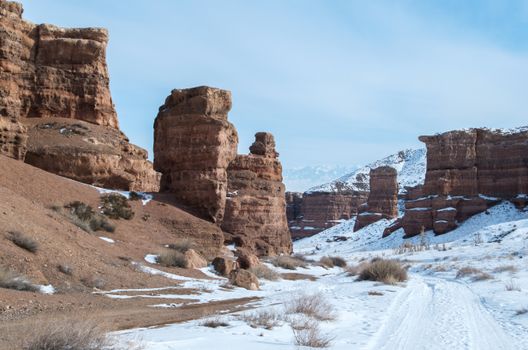
Winter Desert Escapes: The Local Secrets Tourists Miss Out On!
The chill wind bites, the days are short, and the holiday cheer is starting to wear thin. Most people are dreaming of snowy slopes or tropical beaches. But me? My mind drifts to a different kind of winter wonderland: the desert. And not just any desert, but the hushed, expansive, mind-altering landscapes that only truly reveal their magic when the harsh summer sun relents, and the crisp winter air invites you to explore deeper.
I remember my first winter desert trip vividly. I was in Morocco, on a self-guided journey that took me beyond the well-trodden paths of Marrakech and into the vastness of the Sahara. One evening, after a long day traversing rocky plains and small, sleepy villages, my guide, a man whose family had lived in the desert for generations, led me to a small, hidden alcove in the dunes. We sat in silence as the sun dipped below the horizon, painting the sky in fiery hues of orange and purple, the only sounds the whisper of the wind and the distant bleating of a goat. He told me, "This is our secret. In summer, it is too hot, too many people seeking the 'desert experience.' But in winter, the desert breathes. It welcomes those who truly listen."
That moment stuck with me. It’s the feeling of discovering something sacred, something unspoiled, that locals cherish and often don't want widely known. Why? Because the magic of these places lies in their authenticity, their quietude, their untamed beauty. Winter, with its mild days and impossibly clear, star-dusted nights, is the season to unlock these secrets. Forget the scorching heat, the bustling crowds, and the commercialized tours. Winter in the desert is about profound connection, stark beauty, and an adventure that will reset your soul.
Ready to trade your winter blues for desert hues? Let’s dive into the hidden gems where the sand whispers stories and the stars shine brighter than anywhere else.
Why Winter Deserts Are the Ultimate Escape (and Locals Know It!)
Think desert, and you likely picture scorching sun, sweat, and perhaps a mirage or two. But winter transforms these landscapes into something utterly spectacular. The intense heat of summer gives way to comfortably warm days, perfect for exploration, and refreshingly cool nights, ideal for camping under a blanket of a million stars. The air is often clearer, the light softer, and the crowds are virtually non-existent.
Locals, who endure the summer extremes, know this intimately. They embrace winter as their time to truly enjoy their homeland – to gather, to travel, to appreciate the delicate ecosystem without the relentless sun. They know the best hidden oases, the most breathtaking viewpoints, and the quietest spots for reflection. When you visit in winter, you're not just a tourist; you're a guest witnessing the desert at its most authentic and hospitable. It’s about experiencing the rhythm of life as it truly is, not as it’s packaged for mass consumption.
1. Oman's Empty Quarter: Where Silence Reigns Supreme
The Secret: The Rub' al Khali, or Empty Quarter, is the largest contiguous sand desert in the world, stretching across parts of Saudi Arabia, Yemen, UAE, and Oman. While parts of the UAE side see some tourism, the Omani section remains largely untouched, a vast ocean of towering dunes and profound silence. This isn't a place you just "pop into"; it demands respect, preparation, and a local guide who knows its secrets like the back of their hand.
My journey here began in Salalah, Oman, a coastal city that feels a world away from the desert's interior. After securing a trusted local guide and a robust 4x4, we ventured north. The transition from the lush, monsoon-fed Dhofar region to the stark, golden dunes was breathtaking. We drove for hours, the landscape shifting from gravel plains to enormous, sculptural dunes that seemed to touch the sky.
What makes it special in winter: The daytime temperatures are perfectly mild (18-25°C), making it ideal for exploring on foot or by 4x4. The nights are crisp and cool (5-10°C), creating perfect conditions for stargazing – and I mean stargazing. With zero light pollution, the Milky Way explodes above you, a shimmering river of light that feels close enough to touch. It's an experience that humbles and inspires in equal measure.
Experience it:
- Guided Expeditions: This is not a place for solo exploration. Hire a reputable Omani tour operator (expect to pay anywhere from $300-$700 USD per person per day for multi-day, all-inclusive tours, depending on luxury level and duration). They handle permits, vehicles, food, and most importantly, safety.
- Dune Bashing & Sandboarding: Thrilling rides over massive dunes, followed by the exhilarating rush of sliding down them on a board.
- Bedouin Encounters: With a local guide, you might be invited to share chai with nomadic families, gaining a rare glimpse into their ancient way of life.
- Stargazing & Photography: Bring a good camera and a tripod. The night sky here is unparalleled.
Tips for the Traveler:
- Book in advance: Especially for reputable guides who are often booked months ahead.
- Pack layers: Essential for temperature fluctuations between day and night.
- Respect the environment: Carry out everything you carry in. This pristine wilderness needs to stay that way.
2. The Kalahari's Whispers: Wildlife and Ancient Cultures
The Secret: While the Kalahari spans several Southern African countries, the lesser-known, truly wild parts in Botswana and Namibia offer an unparalleled winter desert experience. Forget the crowded safari circuits; here, it's about vast open spaces, unique desert-adapted wildlife, and profound cultural encounters with the San people, the oldest inhabitants of Southern Africa. Locals cherish the quiet beauty and the chance to reconnect with nature here.
My first visit to the Kgalagadi Transfrontier Park, straddling Botswana and South Africa, was during their winter (June-August). The usually scorching red dunes were cool, and the sparse vegetation supported an incredible array of life. We spent days tracking black-maned lions, spotting elusive meerkats standing sentinel, and watching majestic oryx silhouetted against the setting sun. But the most memorable experience was a quiet morning walk with a San tracker in the Central Kalahari Game Reserve, learning about bush medicine and ancient hunting techniques.
What makes it special in winter: The cooler temperatures mean animals are more active during the day, making game viewing exceptional. The dry season also means water sources are scarce, concentrating wildlife around available pans – a boon for photographers and wildlife enthusiasts. The air is crystal clear, and the absence of rain transforms the landscape into a canvas of reds, oranges, and earthy tones.
Experience it:
- Self-Drive Safari (Kgalagadi): For the adventurous, a 4x4 self-drive is possible (permits and booking essential). Expect to pay for park fees (around $30-40 USD per person per day) and camping (around $20-50 USD per night).
- Guided Safaris (Central Kalahari): For a deeper dive, especially into the Central Kalahari, a guided safari is recommended. Prices range from $400-$1000+ USD per person per day for all-inclusive luxury safaris, down to $200-400 USD for more rustic options.
- San Cultural Experiences: Many lodges and local communities offer ethical and respectful opportunities to learn about San culture, often involving bush walks and storytelling.
Tips for the Traveler:
- Book accommodations and park permits well in advance: Especially for popular campsites within Kgalagadi.
- Bring warm clothes: Winter nights can drop below freezing, especially in the Central Kalahari.
- Be self-sufficient for self-drives: Carry enough water, food, fuel, and recovery gear.
3. Rajasthan's Hidden Sands: Beyond the Tourist Trail
The Secret: Everyone knows Jaisalmer, the "Golden City" of Rajasthan, India, and its popular camel safaris. But the true magic of the Thar Desert lies in the smaller, less-visited villages and untouched dunes that locals frequent. These are the places where authentic Rajasthani culture thrives, where you can witness daily life unchanged for centuries, far from the tourist touts and commercialized camps.
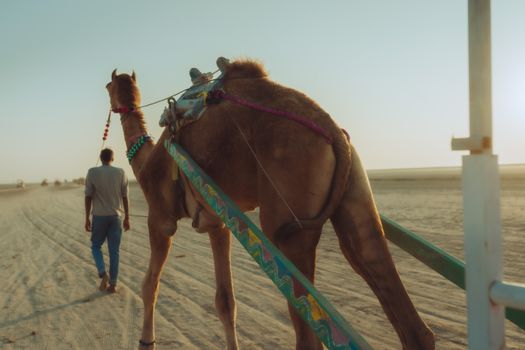
On my last trip, instead of heading straight for the bustling safari camps outside Jaisalmer, I arranged for a local guide to take me to a small village called Khuri, then further into the desert to a family-run homestay. There, I spent two days drinking endless cups of chai, learning to cook traditional Rajasthani dishes, and taking leisurely camel rides at sunset with no other tourists in sight. The highlight was a quiet evening spent listening to folk music played by the villagers under a canopy of stars, feeling like I was part of their family.
What makes it special in winter: Rajasthan's winters (November-February) are glorious. Days are sunny and pleasant (20-28°C), and nights are cool and comfortable (5-12°C). This allows for comfortable exploration, vibrant festivals (like the Pushkar Camel Fair in November), and a more relaxed pace of life.
Experience it:
- Homestays & Local Guesthouses: Seek out accommodations in villages like Khuri, Sam (but further from the main tourist area), or even lesser-known spots near Bikaner. Prices are incredibly budget-friendly, often $20-50 USD per night including meals.
- Authentic Camel Safaris: Arrange a multi-day safari directly with a local family or a small, ethical operator. Expect to pay $50-100 USD per person per day for a truly local experience, including food and basic camping.
- Village Walks & Workshops: Learn about local crafts, farming practices, and daily life. Many homestays can arrange these.
Tips for the Traveler:
- Go with a local guide: Not only for navigation but for cultural insights and to ensure you're supporting local communities directly.
- Be respectful: Dress modestly, especially when visiting villages.
- Embrace the slow pace: This isn't about ticking off sights; it's about immersion.
4. Atacama's Alien Landscapes: Unveiling Chile's Secrets
The Secret: San Pedro de Atacama is a popular hub, and for good reason. But the Atacama Desert, the driest non-polar desert in the world, holds vast, otherworldly secrets beyond the well-trodden paths of Moon Valley and El Tatio Geysers. Locals know that true discovery lies in venturing further, to lesser-visited high-altitude lagoons, remote archaeological sites, and geological formations that feel like they're from another planet.
My most memorable Atacama experience wasn't at a famous landmark, but on a detour suggested by my guide, a local geologist named Javier. We drove for hours on a rough track, ascending to over 4,500 meters, to a series of vibrant red and green lagoons fringed with white salt crusts, completely devoid of other tourists. The air was thin, the silence profound, and the flamingos stood like painted sentinels against the bizarre, volcanic backdrop. It felt like we had stumbled upon a hidden corner of Mars.
What makes it special in winter: The Chilean winter (June-August) in the Atacama means incredibly stable weather. Days are sunny and mild (15-22°C), and the nights are cold (0-5°C), but crucially, the skies are even clearer than usual, making it a prime time for stargazing at some of the world's leading astronomical observatories. There's also less wind and dust compared to other seasons.
Experience it:
- High-Altitude Lagoon Exploration: Beyond Miscanti and Miñiques, ask local agencies about tours to lesser-known lagoons like Laguna Lejía or Salar de Tara. These are often full-day excursions, costing around $80-150 USD per person.
- Remote Petroglyphs & Archaeological Sites: Explore ancient rock art and ruins that require a dedicated guide and off-road vehicle.
- Private Stargazing Tours: While there are group tours, opt for a private local guide who can take you to more secluded spots for an intimate celestial experience. Expect $40-80 USD per person for group tours, higher for private.
- Mountain Biking & Hiking: Explore the unique terrain on two wheels or foot, but always with a guide in more remote areas.
Tips for the Traveler:
- Acclimatize: San Pedro is already at 2,400m. Take it easy for a day or two before venturing to higher altitudes.
- Hydrate constantly: The dry air and altitude can lead to dehydration.
- Sun protection is crucial: Even in winter, the high altitude means intense UV radiation.
5. Gobi's Winter Embrace: A Mongolian Adventure
The Secret: When most people think of the Gobi Desert, they picture summer camel treks. But for the truly adventurous, winter (November-March) reveals a Gobi that is dramatically different, incredibly beautiful, and almost entirely free of tourists. This is the time when the nomadic herders are settled, and the landscape is transformed into a stark, snow-dusted wonderland. This is not for the faint of heart, but it offers an unparalleled cultural immersion and a sense of raw, untamed nature that very few ever experience.
My winter Gobi journey was probably the most challenging, yet rewarding, trip I've ever undertaken. Temperatures plummeted to -20°C, but the landscapes were breathtaking. I stayed in a ger (traditional yurt) with a nomadic family, sharing warm yak butter tea and learning about their resilient way of life. Riding a Bactrian camel through snow-covered dunes, with only the vast, silent horizon ahead, felt like stepping into a historical epic. The Yolyn Am (Ice Valley) was frozen solid, a magnificent canyon of ice that shimmered under the winter sun.
What makes it special in winter: The sheer solitude. You will likely be one of the very few foreign travelers. The landscapes are transformed by snow and ice, offering unique photographic opportunities. It’s also the best time for cultural immersion, as nomadic families are less busy and more welcoming to share their traditions.
Experience it:
- Organized Winter Expeditions: Essential for safety and logistics. Reputable local tour operators specialize in winter Gobi tours. Expect prices from $150-300 USD per person per day for multi-day tours, including transport, guide, food, and ger stays.
- Nomadic Ger Stays: This is the heart of the experience. Live alongside a nomadic family, sharing meals and learning about their daily routines.
- Bactrian Camel Rides: Experience the iconic two-humped camels, often in snow-dusted landscapes.
- Yolyn Am (Ice Valley): Hike through the stunning canyon, often with ice formations lasting well into spring.
Tips for the Traveler:
- Extreme cold weather gear: This is non-negotiable. Think thermal layers, down jacket, insulated boots, hat, gloves, and face covering.
- Flexibility: Weather conditions can change rapidly, impacting travel plans.
- Cultural sensitivity: Learn a few Mongolian phrases and respect nomadic customs.
6. Anza-Borrego Desert State Park & Farafra Oasis: North American & Egyptian Gems
Let's squeeze in two more incredible winter desert secrets, one closer to home for many North Americans, and another a truly surreal Egyptian escape.
Anza-Borrego Desert State Park, California, USA
The Secret: Just a couple of hours east of San Diego, Anza-Borrego is California's largest state park, yet it remains largely overshadowed by its more famous national park cousins. In winter, it transforms into a hiker's paradise, a stargazing haven, and if you hit it right, a wildflower spectacle. Locals flock here for its incredible slot canyons, badlands formations, and vast, quiet expanses that feel miles away from urban life.
My first visit to Anza-Borrego was a revelation. We spent a day exploring the narrow, winding pathways of The Slot, a natural, sculpted canyon that felt like an Indiana Jones movie set. Later, we drove out to the Borrego Badlands, watching the sunset paint the sculpted earth in shades of orange and pink, before setting up camp for a night of unparalleled stargazing. The silence was absolute, the air crisp and clean.
What makes it special in winter: Mild daytime temperatures (18-25°C) are perfect for hiking and exploring. Nights are cool (5-10°C), ideal for campfires and observing the designated International Dark Sky Park's phenomenal cosmos. If you time it right (usually February-March after good rainfall), you might catch the super bloom of wildflowers.
Experience it:
- Hiking Slot Canyons: The Slot, Borrego Palm Canyon, Hellhole Canyon are all fantastic.
- Stargazing: Set up camp or find a pull-off far from town lights. The night sky is truly mind-blowing.
- Badlands & Sculptures: Explore the unique geological formations and Ricardo Breceda's metal sculptures scattered across the desert.
- Camping: Primitive camping is allowed in many areas, or use designated campgrounds (around $20-35 USD per night).
Tips for the Traveler:
- Carry plenty of water: Even in winter, the desert is dry.
- Check weather and road conditions: Flash floods can occur, and some roads require 4WD.
- Leave No Trace: Protect this fragile ecosystem.
Farafra Oasis & The White Desert, Western Desert, Egypt
The Secret: While Luxor and the Pyramids draw millions, Egypt's Western Desert, particularly the Farafra Oasis and its otherworldly White Desert, remains a local favorite for its surreal beauty and profound tranquility. This is where Egyptians go to escape the bustle of city life, camp under the stars, and marvel at nature's artistry. It's a place of ancient springs, unique geology, and genuine Bedouin hospitality.
My journey to the White Desert was unforgettable. After a long drive from Cairo, we arrived in Farafra, a charming oasis town, before heading into the desert with our Bedouin guide. As the sun began to set, the famous chalk-white rock formations, sculpted by wind and sand into mushroom-like shapes, glowed with an ethereal light. We camped among them, sharing a delicious Bedouin meal cooked over an open fire, and spent the night watching shooting stars streak across the inky sky. The silence was absolute, broken only by the crackle of the fire.
What makes it special in winter: Egyptian winters (November-February) offer perfect daytime temperatures (18-25°C) for desert exploration, and cool, refreshing nights (5-10°C) for camping. The air is clear, visibility is excellent, and the experience is infinitely more comfortable than during the scorching summer.
Experience it:
- White Desert Camping: The absolute highlight. Tours typically depart from Farafra or Bahariya Oasis. Expect $80-150 USD per person per day for an all-inclusive overnight tour.
- Black Desert & Crystal Mountain: Explore these contrasting geological wonders, often included in White Desert tours.
- Ain Bishu Hot Spring: Relax in the warm natural springs of Farafra Oasis.
- Farafra Oasis Exploration: Wander through the date palm groves and experience local life.
Tips for the Traveler:
- You need a licensed guide/tour operator: For safety and to navigate the desert, especially for overnight camping.
- Pack warm layers: Desert nights get surprisingly cold.
- Respect local customs: Egypt is a conservative country; dress modestly.
Embrace the Silence, Discover the Soul
These desert destinations offer more than just stunning landscapes; they offer an escape into authenticity, a chance to reconnect with nature, and an opportunity to witness cultures thriving in harmony with their environment. Winter is the key that unlocks their true magic, transforming harsh terrains into inviting, awe-inspiring playgrounds.
So, this winter, dare to be different. Ditch the predictable, embrace the unknown, and venture into the desert's hidden heart. You'll return not just with incredible photos, but with stories that will resonate for a lifetime, and a profound appreciation for the secrets locals have wisely kept to themselves.
Which of these hidden desert gems calls to you most? Share your thoughts in the comments below, and don't forget to tag your winter desert adventures with #TripsoraDesertSecrets on Instagram! Your next unforgettable journey starts now.
---