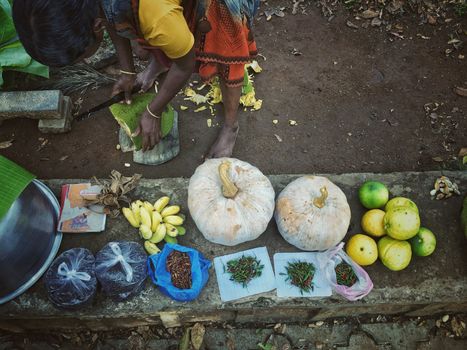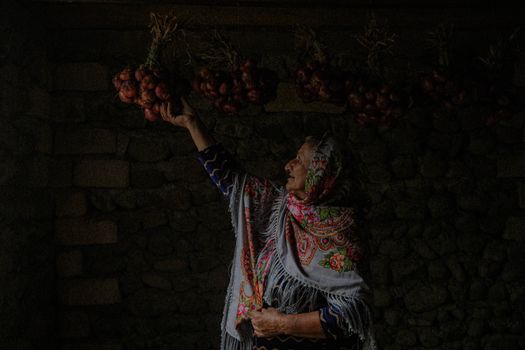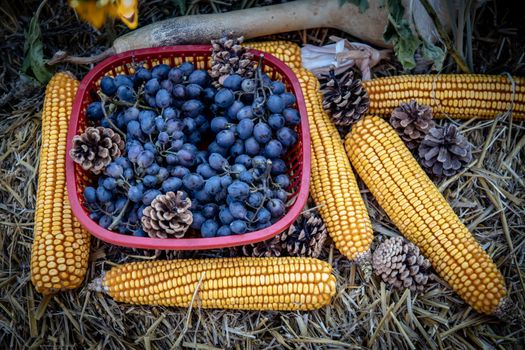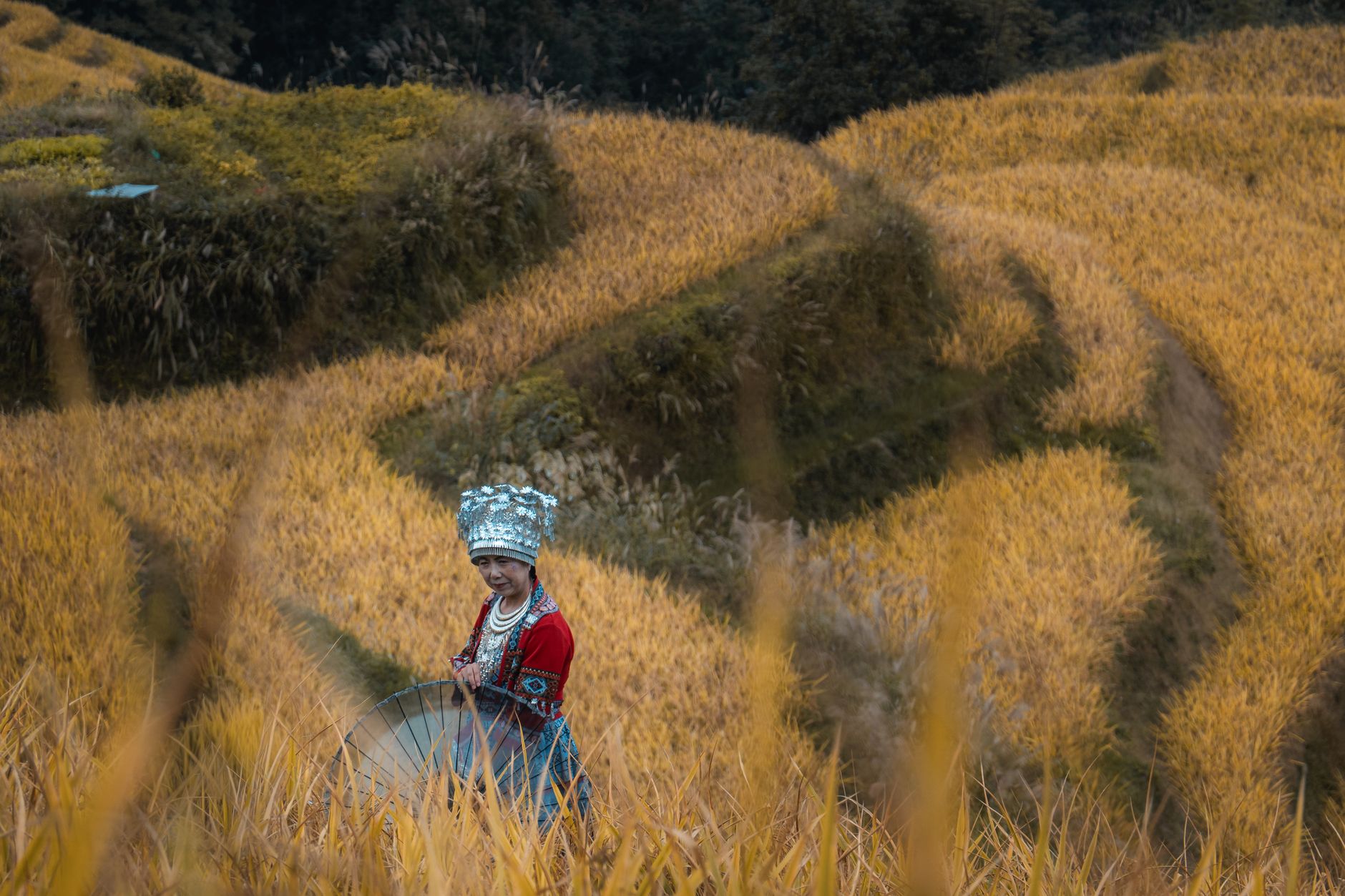
The crisp autumn air, the scent of woodsmoke, and the golden hues painting the landscape – it’s a time of year that calls to the soul. For most travelers, fall means leaf-peeping drives and perhaps a visit to a bustling market. But what if I told you there’s a whole other layer to autumn, a secret world of traditions and harvests, that most guidebooks won't whisper about? Experiences so intimate, so deeply ingrained in local life, that they’re practically invisible to the casual tourist.
I stumbled upon this hidden world purely by accident, a few years ago in a tiny Puglian village. I was staying at a charming, family-run masseria (a fortified farm estate) when I noticed the entire family, from grandparents to toddlers, heading out to the olive groves at dawn. Curiosity, my constant companion, led me to ask if I could observe. What started as a quiet morning of watching soon turned into an invitation to join. Hands-on, back-breaking, utterly joyous work, followed by a communal lunch under the ancient trees. That day, I didn’t just pick olives; I harvested a profound connection to a place, its people, and its timeless rhythm. It was a secret, shared moment, and it completely redefined what "travel" meant to me.
This isn't about exclusive, high-priced tours. It's about genuine connection, rolling up your sleeves, and experiencing a culture from the inside out. These are the autumn harvests locals cherish, often passed down through generations, and rarely commercialized for the tourist gaze. They’re not secrets because they’re hidden, but because they require a little more effort, a touch of humility, and an open heart to discover. And trust me, the reward is immeasurable.
Are you ready to peel back the layers of typical tourism and dive into the authentic heart of autumn? Let's uncover these hidden gems together.
Why Go Off-Grid for Autumn Harvests? The Unseen Rewards
Before we dive into the specifics, let's talk about why these experiences are so transformative. When you participate in a harvest, you're not just a spectator; you become a temporary thread in the fabric of a community.
- Authentic Cultural Immersion: Forget manufactured experiences. You'll be part of a real, living tradition, often alongside multiple generations. This is how locals truly live, eat, and celebrate.
- Direct Connection to Food: Understand where your food comes from, the effort involved, and the stories behind each ingredient. It makes every meal taste richer.
- Support Local Economies (Directly): By engaging with small farms and families, you're directly contributing to their livelihood, often bypassing large corporations.
- Unique, Uncommercialized Memories: These aren't Instagram backdrops designed for tourists. They're raw, real, and utterly unforgettable. The photos you take will tell a genuine story.
- A Sense of Accomplishment & Gratitude: There's something incredibly satisfying about working with your hands, seeing the fruits of your labor, and sharing a meal made from what you've just harvested.
This isn't just travel; it's a form of active, respectful engagement that leaves you feeling more connected to the world.
The Golden Threads: How to Unearth These Local Secrets
So, how do you find these elusive experiences? It’s less about booking a tour and more about cultivating an approach.
- Stay Local, Think Small: Opt for agriturismos, family-run guesthouses, or B&Bs in rural areas, rather than big hotels. Your hosts are your best resource and often have connections to local farms or may even run one themselves.
- Learn a Few Phrases: Even a handful of words in the local language (hello, thank you, please, can I help?) can open doors and show respect.
- Ask Around (Respectfully): Engage with people at local markets, small cafes, or village squares. Express genuine interest, not entitlement. "I'm so interested in local traditions. Is there an olive harvest happening nearby that I could learn about?"
- Community Bulletin Boards & Local Posters: In tiny villages, information often travels by word of mouth or handwritten notices. Keep an eye out.
- Travel Shoulder/Off-Season: The crowds are thinner, and locals are more relaxed and open to interaction. Autumn is perfect for this.
- Be Open, Friendly & Offer to Help: The key is to approach with humility and a willingness to contribute, not just consume. Offer your hands, not your wallet (though offering to buy some of their produce later is always a nice gesture).
- WWOOF/Workaway (for longer stays): If you have more time, platforms like WWOOF (World Wide Opportunities on Organic Farms) or Workaway offer structured ways to exchange work for accommodation and food, often on farms where you’ll participate in harvests. While not always "secret," they provide deep immersion.
Remember, the "secret" isn't about exclusivity; it's about genuine connection and being invited into someone's world.
1. The Earth's Jewels: Wild Mushroom Foraging in a Central European Forest
Imagine stepping into a misty, ancient forest, the air thick with the scent of damp earth and decaying leaves. You’re not alone; a seasoned local, perhaps an elderly woman with a woven basket, leads the way, her eyes scanning the forest floor with an almost supernatural precision. This is not a hike; it's a hunt for hidden treasures: wild mushrooms.
My most memorable foraging experience was in a small village bordering the Bialowieza Forest in Poland. I was staying at a rustic guesthouse, "Leśna Chata," and the owner, Zofia, a woman who looked like she was born in the forest itself, invited me to join her and her grandchildren. We set out at dawn, armed with small knives and wicker baskets. Zofia taught me to identify edible varieties – porcini (borowik), chanterelles (kurki), and the elusive king bolete – from their poisonous lookalikes. The thrill of spotting a perfect specimen, hidden beneath a blanket of leaves, was exhilarating. It felt like uncovering nature's secret pantry.
Locals don't advertise this because it's a deeply personal, often competitive, tradition. Their knowledge is their heritage. To be invited is a privilege.
- When to Go: Late August to early November, depending on rainfall and region.
- Where to Look: Central and Eastern European forests (Poland, Slovakia, Slovenia, Czech Republic), parts of the Pacific Northwest (USA/Canada). Look for small, family-run guesthouses near national parks or large forest areas.
- How to Find It: This is where local connections are paramount. Stay at a rural guesthouse, express sincere interest in local traditions, and ask if anyone knows a "grzybiarz" (mushroom picker) who might be willing to share their knowledge for a morning. Offer to help them clean the mushrooms afterward.
- Cost: Likely free, but bring a small gift or offer to buy a meal/drinks for your guide.
- Instagram-Worthy Moment: A perfectly preserved porcini mushroom nestled amongst moss, hands gently brushing away leaves to reveal a hidden chanterelle, or a basket overflowing with earthy treasures. The misty forest itself is a dream.
2. Liquid Gold & Ancient Rituals: Olive Picking in Puglia, Italy
The sun, still warm in late autumn, bathes ancient olive trees in a golden glow. Laughter echoes through the groves as families work together, shaking branches, collecting olives in nets spread on the ground. The scent of fresh, green olives fills the air, promising the rich, peppery liquid gold to come.
My Puglian olive harvest wasn't just about picking; it was a sensory journey. After a morning spent carefully raking olives from the branches, my hands sticky with their oil, we transported burlap sacks to a nearby frantoio (olive mill). The whirring of machinery, the intense aroma of pressed olives, and then, the moment of truth: watching the first stream of vibrant green oil flow out. Tasting that fresh, unfiltered oil, peppery and pungent, on a piece of crusty bread, was an epiphany. It was the taste of generations, of sun-drenched earth, and shared labor.
Many agriturismos in Puglia offer olive oil experiences, but to participate in a true family harvest, you need to be staying in a smaller, more intimate setting. They don't want tourists turning it into a photo op; they want respectful participants.
- When to Go: October to December, varies by region and olive ripeness.
- Where to Look: Puglia, Italy (especially the Salento peninsula), Peloponnese, Greece, Andalusia, Spain.
- How to Find It: Stay at a small masseria or agriturismo in a rural area. Talk to your hosts. Often, they or their neighbors will be harvesting. Express your desire to help and learn.
- Cost: Usually free, but you might be expected to share in a communal meal. Purchasing some of their oil is highly appreciated.
- Instagram-Worthy Moment: Hands stained with olive juice, a basket full of glistening green olives, the first stream of golden-green oil at the frantoio, or a communal lunch under ancient olive trees.
3. Saffron's Crimson Kiss: The World's Most Precious Spice in La Mancha, Spain
Imagine kneeling in a field of delicate purple crocuses as the sun begins to rise, your fingers carefully plucking the tiny, precious crimson stigmas. This is the saffron harvest, one of the most labor-intensive and valuable agricultural traditions on Earth.
My experience with saffron was in a small village near Consuegra, La Mancha, Spain, famous for its windmills and, less famously, its saffron. I was on a road trip, and saw a sign for "Azafrán de La Mancha." I stopped at a small farm shop, and struck up a conversation with the owner, María. Her family had been growing saffron for generations. She eventually invited me to witness the "monda" – the delicate process of separating the stigmas. I spent hours at a long table, surrounded by women, their fingers moving with incredible speed and precision, as they chatted and shared stories. It wasn't about harvesting in the field, but the equally crucial, painstaking post-harvest work. It was mesmerizing, a true testament to patience and tradition.
This is a precious commodity, and the harvest is often a family affair, not open to casual visitors. The "secret" is finding a family willing to share their intensely personal and valuable work.
- When to Go: Late October to early November, when the saffron crocuses bloom.
- Where to Look: La Mancha, Spain (especially areas around Consuegra or Minaya), Kozani, Greece, some parts of Morocco.
- How to Find It: Look for small, local saffron producers (often with a "tienda" or shop) in saffron-growing regions. Be genuine, express your fascination with the process, and you might get an invitation to observe, or even help with the "monda" (stigmas separation) indoors.
- Cost: Observation is usually free. Buying their saffron is an excellent way to show appreciation.
- Instagram-Worthy Moment: A close-up of delicate purple crocuses in a field, hands carefully plucking crimson saffron threads, or a small pile of the precious spice on a white cloth.
4. From Vine to Vintage: Traditional Grape Treading in the Douro Valley, Portugal
Forget the fancy winery tours. Imagine the joyous, almost primal act of crushing grapes with your bare feet, surrounded by laughter, music, and the intoxicating aroma of fermenting must. This is lagarada, traditional grape treading, and it's a party you won't find on most tourist itineraries.
I was lucky enough to experience this in a tiny, family-run quinta (wine estate) in the lesser-known upper reaches of the Douro Valley, Portugal. My host at a small guesthouse, João, mentioned his cousins were having their annual lagarada for their small batch of Port wine. He asked if I wanted to join. It was an evening of pure revelry. We stepped into the large granite lagar, the grapes cool and slippery underfoot, stomping rhythmically to folk music. The physical effort was immense, but the communal spirit, the singing, and the shared plates of petiscos (Portuguese tapas) made it unforgettable. It felt like stepping back in time, participating in an ancient ritual.
Many large Port houses have modernized, but smaller, traditional quintas still practice lagarada for their premium wines. They don't typically invite tourists, as it's a family and friends affair.
- When to Go: September to early October, depending on the grape harvest.
- Where to Look: Douro Valley (look for smaller, independent quintas away from the main tourist hubs), Minho region, Portugal, or some traditional, less commercialized regions in Italy (e.g., Basilicata).
- How to Find It: Stay at small guesthouses or rural hotels in wine regions. Ask your hosts about small, family-run wineries and if any still do traditional treading. Networking with locals is key here.
- Cost: Free, but bringing a bottle of wine from your home country or contributing to the communal meal is a thoughtful gesture.
- Instagram-Worthy Moment: Bare feet stained purple with grape juice in a granite lagar, joyous faces mid-stomp, or a group raising glasses of wine after the hard work.
5. Rustic Riches: Chestnut Gathering in Galicia, Spain
The air is crisp, the ground carpeted with fallen leaves and prickly chestnut burrs. With thick gloves and long sticks, you’re on a treasure hunt for the smooth, mahogany-hued nuts hidden within. This is magosto, the chestnut harvest, a tradition deeply embedded in the rural culture of regions like Galicia.
My chestnut adventure took me to a remote village in Galicia, Spain, nestled in the mountains. I was hiking the Camino de Santiago, and took a detour to stay at a small casa rural. The owners, a warm, elderly couple, were preparing for their annual magosto. They invited me to join their family and friends in their castiñeiro (chestnut grove). We spent the afternoon collecting chestnuts, carefully extracting them from their spiky casings. As evening fell, a bonfire was lit, and the chestnuts were roasted over the open flames, their smoky aroma filling the air. We peeled the hot nuts, shared local wine, and told stories. It was simple, rustic, and profoundly authentic.
Chestnut gathering is often a communal activity, a social event for families and friends. It's about reconnecting with the land and with each other, not about commercial gain.
- When to Go: Late October to November.
- Where to Look: Galicia, Asturias, Cantabria (Spain), Tras-os-Montes, Portugal, parts of Corsica (France) or Tuscany (Italy). Look for mountainous, forested regions.
- How to Find It: Stay in casas rurales (rural guesthouses) in chestnut-growing areas. Ask about local magosto traditions or if anyone needs help gathering. Local markets might also give clues.
- Cost: Free. Participate in the gathering and the celebratory meal.
- Instagram-Worthy Moment: Hands in thick gloves holding a spiky chestnut burr, a pile of shiny brown chestnuts, a bonfire with chestnuts roasting, or a group sharing roasted nuts and wine.
Beyond the Bounty: Making the Most of Your Harvest Adventure
Finding these experiences is just the beginning. To truly make them unforgettable, remember these tips:
- Be Prepared: Dress for the outdoors, bring sturdy shoes, and be ready to get a little dirty. Sunscreen and a hat are always good ideas, even in autumn.
- Respect Local Customs: Observe and follow the lead of the locals. If they offer you food or drink, accept graciously. Ask before taking photos, especially of people.
- Contribute, Don't Just Consume: Offer to help, even if you’re clumsy. Your enthusiasm and willingness to learn will be appreciated more than your skill.
- Listen to the Stories: These harvests are steeped in history and personal anecdotes. Listen to the elders; their stories are priceless.
- Bring a Small Gift: A small, thoughtful gift from your home country can be a wonderful icebreaker and a token of appreciation.
- Buy Local Produce: If the family sells their produce (oil, wine, saffron, etc.), buy some! It's the best way to support them and take a tangible memory home.
These aren't just moments for your travel diary; they’re opportunities to forge genuine connections, to learn with your hands, and to taste the true flavor of a culture.
Ready to Harvest Your Own Secret Memories?
The beauty of autumn isn't just in its colors; it's in its abundance, its traditions, and the warmth of community that gathers around the harvest. These experiences, often overlooked by the masses, offer a deeper, more meaningful way to travel. They challenge you, enrich you, and leave you with stories that no postcard or typical souvenir could ever capture.
So, this fall, step off the well-trodden path. Seek out the small villages, the local markets, and the family farms. Be open, be curious, and be ready to roll up your sleeves. The secret harvests are waiting, ready to offer you not just food for the table, but food for the soul.
Have you ever stumbled upon a hidden local harvest? Share your stories and tips in the comments below! Let's inspire each other to travel more authentically.