The Silence is the First Thing You Notice
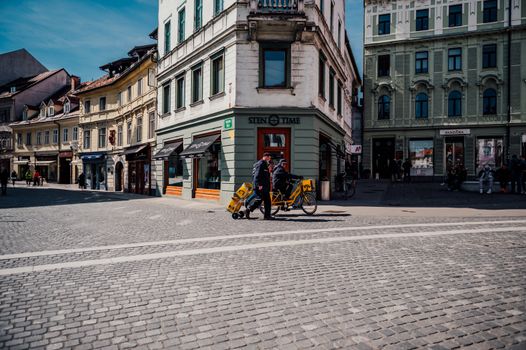
I stepped off the train at Ljubljana’s central station, bracing for the usual assault of city life: the screech of brakes, the smell of burnt diesel, and the frantic dance of crossing six lanes of traffic. Instead, I heard... nothing. Or rather, I heard the things we usually forget exist in a city. I heard the rhythmic click-clack of a bicycle coasting over limestone, the distant laughter from a riverside café, and the distinct chirping of house sparrows nesting in the eaves of a Baroque townhouse.
The air didn't taste like exhaust; it tasted like the damp sweetness of the Ljubljanica river and the roasted aroma of kava from the Prešeren Square stalls. For a moment, I felt like I had stepped into a high-definition rendering of a future that hadn't quite arrived yet. But the data tells a different story. According to the latest urban mobility indexes, this isn't a fluke—it’s a global movement. Cities that have dared to banish the internal combustion engine are seeing a 20% spike in local retail revenue and a massive surge in "slow tourism" satisfaction scores.
Welcome to the era of the car-free city. It’s not just about the environment; it’s about reclaiming the soul of the urban experience.
---
1. The Data Behind the Quiet: Why Pedestrianism is Winning
Recent data from the European Environment Agency and various "Walkability Indexes" suggest that cities with large car-free zones aren't just nicer to look at—they are economically more resilient. In cities like Ghent and Pontevedra, foot traffic has replaced car traffic, leading to a "linger effect." When travelers aren't worried about being run over, they spend 35% more time in local shops and galleries.
Urban tourism is shifting from "ticking off monuments" to "experiencing the vibe." You can't experience a vibe at 40 miles per hour. You experience it at three miles per hour, on foot.
2. Ljubljana, Slovenia: The Green Heart of Europe
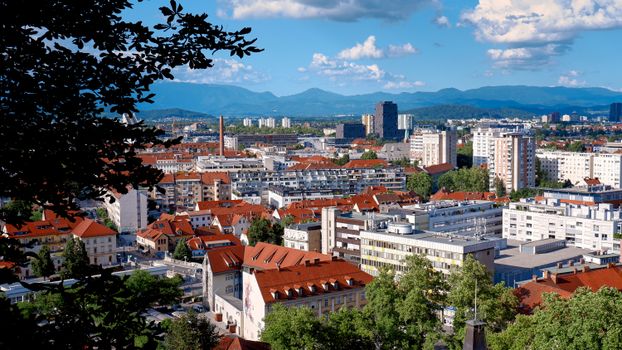
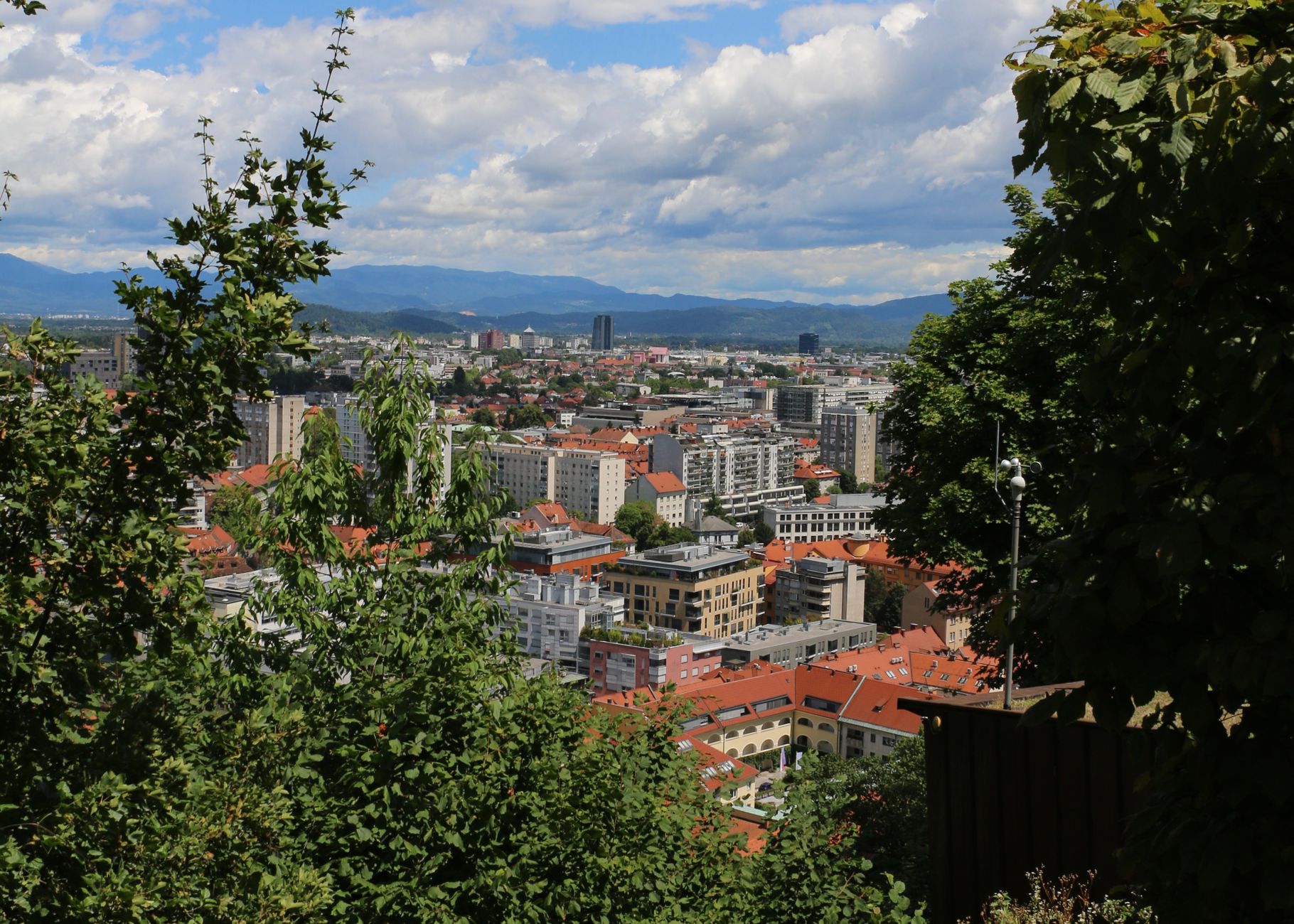
Ljubljana didn't just "limit" cars; they staged a coup against them. Led by Mayor Zoran Janković in 2007, the city center was closed to motorized vehicles. Critics predicted economic ruin. Instead, the "Vision 2025" plan turned the city into a literal garden.
The Insider Experience: Walk down Cankarjevo nabrežje at sunset. The willow trees weep into the river, and the Triple Bridge (Tromostovje) glows in a soft amber hue. Without the vibration of heavy trucks, the delicate Jože Plečnik architecture feels more permanent, more grounded.
- Pro-Tip: If your feet get tired, look for the Kavalir. These are free, electric-powered "gentle helpers" (golf cart-style vehicles) that will whisk you anywhere in the pedestrian zone for free. Just hail one like a taxi.
- The Specifics: Order a Kremna rezina (cream cake) at a riverside café. Notice how you can actually hear the fork hitting the plate. That’s the "Ljubljana Silence."
3. Pontevedra, Spain: The City Where Children Rule
If you haven't heard of Pontevedra, you haven't been paying attention to the most radical experiment in urbanism. This Galician gem banned cars from its 300,000-square-meter medieval center over 20 years ago. The results? CO2 emissions dropped by 70%, and there have been zero traffic fatalities in the city center since 2011.
The Insider Experience: The city feels like a giant outdoor living room. In the Plaza de la Leña, you’ll see locals sipping Albariño wine while children play tag in the middle of the street. There are no curbs here; the ground is a seamless carpet of granite slabs.
- Pro-Tip: Download the Metrominuto map. It’s a walking map designed like a subway map, showing you that everything in the city is less than a 15-minute stroll away.
- The Specifics: Visit the Basílica de Santa María la Mayor at 7:00 AM. The granite walls catch the morning mist, and the only sound is the distant tolling of bells and the ocean breeze from the nearby ría.
4. Zermatt, Switzerland: Pure Alpine Oxygen
Zermatt has been car-free since... well, forever. To keep the air clear for views of the Matterhorn, the village forbids internal combustion engines. Only tiny, silent electric taxis (which look like high-end milk floats) are allowed to hum through the narrow streets.
The Insider Experience: The air here is "thin" in the best way possible. It feels crisp, like biting into a cold apple. Because there are no cars, the traditional wooden chalets (some dating back to the 16th century) aren't coated in soot. They retain their deep, sun-burnt brown color.
- Pro-Tip: Don't take the electric bus to the Matterhorn Glacier Paradise station. Walk the Hinterdorfstrasse. It’s a hidden pocket of over 30 ancient barns and stores built on stilts with flat stones to keep the mice out.
- The Specifics: Head to Chez Vrony for lunch. It’s a hike-in, hike-out restaurant. Order the Bloody Mary with local herbs; the lack of smog makes your sense of taste significantly sharper.
5. Ghent, Belgium: The Midnight Masterpiece
While Bruges gets all the "Venice of the North" hype, Ghent is the smarter, cooler sibling. In 2017, Ghent implemented a "Circulation Plan" that overnight doubled the number of cyclists. The city center is a sprawling labyrinth of Gothic spires and canal-side craft beer bars where the car is a persona non grata.
The Insider Experience: Ghent is best experienced after dark. The city has a world-class lighting plan that illuminates the monuments without the orange glare of streetlamps. Walking along the Graslei and Korenlei canals at 11:00 PM feels like walking through a Vermeer painting.
- Pro-Tip: The "hidden entrance" to one of the best views is the St. Michael’s Bridge. Most tourists stay at the bottom; walk to the center of the bridge for the only spot where you can see the three famous towers of Ghent in a single line.
- The Specifics: Find a shop selling Gentse Neuzen (Ghent Noses). These are cone-shaped raspberry jellies. They have a shelf life of only eight days because they don't use preservatives—much like the city's fresh, car-free air.
6. Mackinac Island, USA: A Victorian Time Capsule
Located in Lake Huron, Michigan, Mackinac Island banned "horseless carriages" in 1898. To this day, the only way to get around is by foot, bicycle, or horse-drawn carriage. It’s not a gimmick; it’s a way of life for the 500 year-round residents.
The Insider Experience: The sensory profile of Mackinac is unique: it’s the smell of horse manure mixed with the scent of high-end fudge (the island’s signature export). It sounds chaotic, but it’s actually incredibly rhythmic. The "clop-clop" of the horses acts as a natural metronome for your vacation.
- Pro-Tip: Rent a bike and do the 8.2-mile perimeter loop on M-185 (the only state highway in the US where cars are banned). Do it at 8:00 AM before the "day-trippers" arrive on the ferry.
- The Specifics: Avoid the massive Grand Hotel porch for a moment and find the Anne’s Tablet lookout. It’s a hidden wooded trail that offers a panoramic view of the Straits of Mackinac without the crowds.
---
The Logistics: Planning Your Car-Free Escape
| City | Best Time to Visit | Est. Daily Cost ($) | How to Get There | | :--- | :--- | :--- | :--- | | Ljubljana | May - September | $80 - $120 | Fly to LJU or train from Venice/Vienna. | | Pontevedra | June or September | $70 - $100 | Train from Santiago de Compostela (15 mins). | | Zermatt | Dec (Ski) / July (Hike) | $200 - $350 | Train from Visp (cars must park at Täsch). | | Ghent | April - October | $110 - $160 | 30-minute train from Brussels Central. | | Mackinac Island | June - August | $150 - $250 | Ferry from Mackinaw City or St. Ignace, MI. |
---
Why This Matters for the Future of Travel
The data is clear: car-free cities are perfecting urban tourism because they prioritize the human over the machine. When we remove cars, we don't just remove traffic; we remove the barriers between the traveler and the destination. You aren't just observing the city from behind a windshield; you are part of its pulse.
Next time you book a trip, don't look for the "most accessible" hotel by car. Look for the one where the streets are narrow, the bikes are plenty, and the only thing you have to dodge is a local carrying a fresh baguette. Your lungs, your legs, and your Instagram feed will thank you.
---