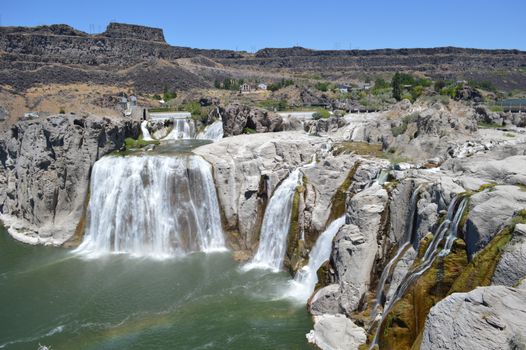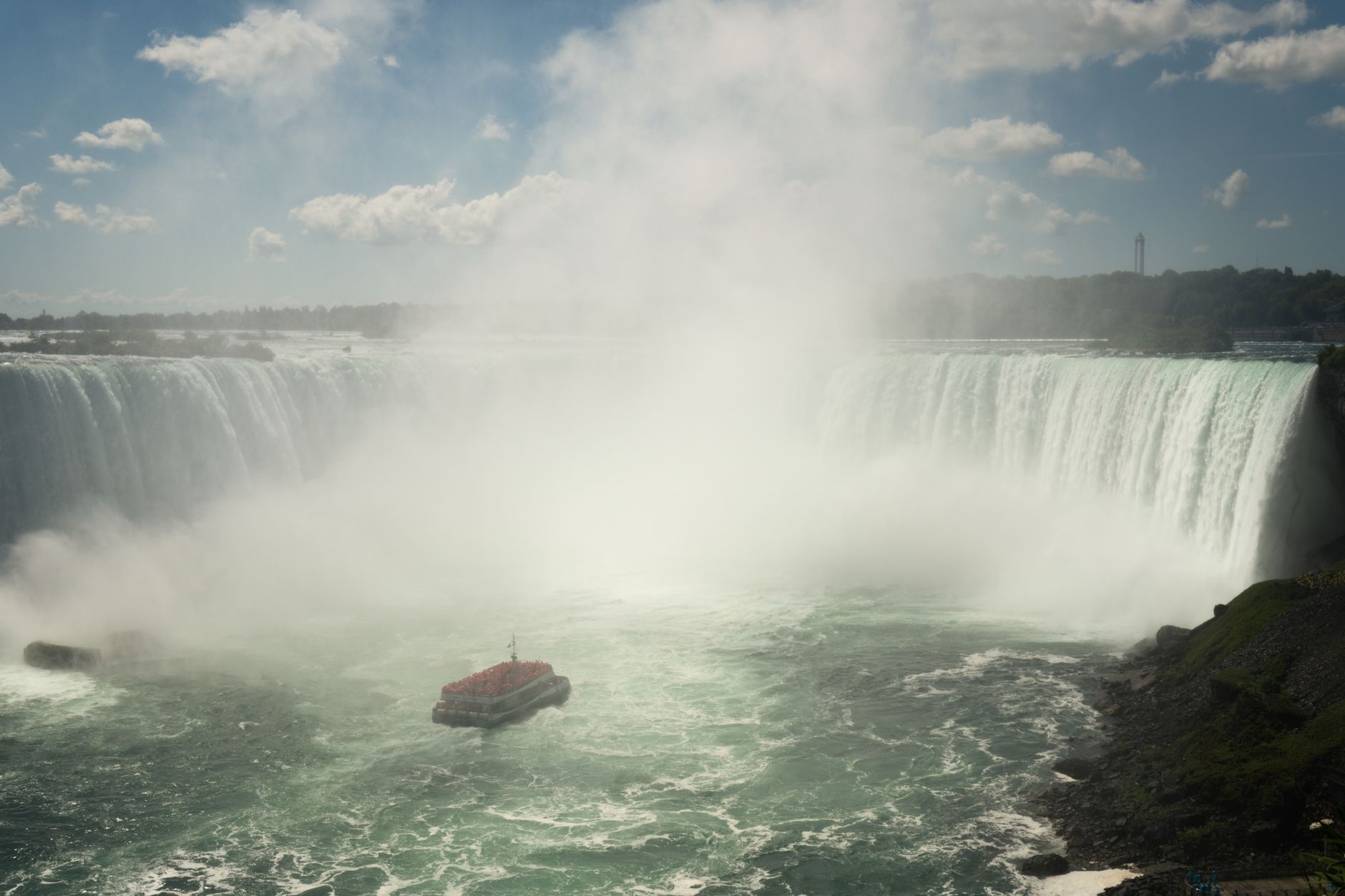
The Hook: A Half-Hour Transit to Wild Waters
I stepped off the train at Minoo Station, just 30 minutes north of Osaka’s neon-drenched Umeda district, and was instantly hit by the scent of toasted sesame oil and damp cedar. There were no long-haul flights involved, nor any complex backcountry permits. I had simply tapped my ICOCA transit card, boarded a clean Hankyu Railway commuter train, and watched the towering steel skyscrapers give way to steep, forested slopes of maples and Japanese red pines.
Within forty minutes of leaving my hotel room, I was standing in front of a roaring, 33-meter cascade, feeling the cool, negative-ion-charged mist on my face.
``` [City Center] ---> 30-Min Transit ---> [Wild Waterfall Escape] ```
According to recent urban planning and tourism mobility data, travelers are increasingly rejecting exhausting, multi-day transit itineraries in favor of "micro-adventures"—highly accessible natural wonders that require minimal carbon footprint and zero logistically complex planning.
If you think you need to travel deep into the Amazon or the Icelandic highlands to witness spectacular hydrology, think again. Here is the definitive, data-backed guide to the world’s most spectacular waterfalls located within easy reach of major urban centers.
---
1. Minoo Falls: Osaka’s Ancient Maple-Scented Escape
If you find yourself overwhelmed by the sensory overload of Osaka's Dotonbori district, the antidote lies directly to the north. Minoo National Park (also spelled Minoh) is a lush, forested valley that has served as a sacred mountain retreat since the 8th century.
``` [Minoo Station] | | (2.8 km paved path along the river) v [Ryogan-ji Temple] | v [Minoo Falls] (33m drop) ```
The Experience
The walk from the train station to the waterfall is a gentle, 2.8-kilometer paved path that winds alongside the Minoo River. You’ll pass historic Ryogan-ji Temple, traditional wooden ryokan (inns), and tiny street-side stalls where elderly locals fry whole maple leaves in sweet batter. The path is almost entirely flat, making it accessible for strollers and casual walkers alike.
The climax of the walk is Minoo Falls, a dramatic 33-meter drop framed by wild maples that turn a fiery crimson in late November. The sound of the rushing water drowns out any lingering memory of the city's subway systems.
- The Insider Flavor: Do not leave without buying a bag of Momiji Tempura (deep-fried maple leaves). Salted and preserved in barrels for a full year before being fried in sweet sesame batter, they are crispy, slightly sweet, and taste like autumn itself.
- Pro-Tip: Skip the crowded afternoon trains. Arrive at Minoo Station by 8:00 AM. You’ll share the path only with local elderly hikers who will greet you with a polite "Oshayo gozaimasu" (good morning).
---
2. Snoqualmie Falls: The Pacific Northwest Giant Near Seattle
Seattle is famous for its proximity to wild green spaces, but none are quite as dramatic—or as culturally resonant—as Snoqualmie Falls. Dropping 268 feet (82 meters) over a sheer face of ancient basalt, this waterfall carries more water volume than Niagara Falls at certain times of the year.
``` [Seattle Downtown] === (I-90 East / Route 208 Bus) ===> [Snoqualmie Falls] ```
The Experience
As you step out of your car or off the regional bus, the air smells intensely of Douglas fir, wet earth, and ozone. The waterfall is deeply sacred to the indigenous Snoqualmie People, who believe the mist carries their prayers to the Creator.
For pop-culture enthusiasts, the cascading waters and the adjacent Salish Lodge & Spa will look instantly familiar: they starred as the iconic backdrop of David Lynch's cult television series, Twin Peaks.
The upper observation deck is fully wheelchair accessible and located just yards from the parking lot. However, if you want to get your blood pumping, take the 0.7-mile interpretive trail down to the lower powerhouse. The trail drops 250 feet through a temperate rainforest draped in club moss, leading to a boardwalk that puts you directly in the splash zone of the roaring river.
- The Insider Flavor: Head to the attic lounge at the Salish Lodge after your hike. Order a local craft cider and a plate of warm, fresh-baked beignets served with their signature "Honey from the Sky"—poured from high above onto your plate by waitstaff.
- Pro-Tip: If you are visiting in late spring during the mountain snowmelt, wear high-quality waterproof gear. The spray at the lower viewpoint is so intense it can soak through casual cotton jackets in under thirty seconds.
---
3. Minnehaha Falls: The Light-Rail Accessible Wonder of Minneapolis
Minneapolis is home to one of the most comprehensive urban park systems in the United States, and Minnehaha Falls is its crowning jewel. This 53-foot (16-meter) limestone-carved waterfall is situated entirely within the city limits and is directly integrated into the public transit network.
``` [Downtown Minneapolis] === (METRO Blue Line) ===> [Minnehaha Regional Park] ```
The Experience
You do not even need a car for this one. Simply board the METRO Blue Line light rail from downtown Minneapolis and disembark at the Minnehaha Park Station. From there, it is a short, five-minute walk under a canopy of towering oaks to the edge of the gorge.
The waterfall plunges over an overhanging shelf of St. Peter Sandstone, crashing into a creek that winds its way to the Mississippi River. In the summer, the glen surrounding the falls is alive with bluegrass musicians, families eating picnics, and cyclists cruising along the Grand Rounds Scenic Byway.
In the winter, the waterfall transforms into a massive, glowing blue ice castle, drawing photographers from across the country to witness the frozen columns.
- The Insider Flavor: Just steps from the falls sits Sea Salt Eatery, an open-air seafood spot that operates from April to October. Order a local Surly brewing IPA and a basket of fresh walleye po' boys.
- Pro-Tip: To escape the crowds on busy summer weekends, follow the creek trail downstream toward the Mississippi River. The path transitions quickly from manicured park to a rugged, sandy-shored floodplain forest that feels completely isolated from the surrounding metropolis.
---
4. Wentworth Falls: The Cliff-Side Drama Near Sydney
The Blue Mountains of Australia are famous for their dramatic sandstone cliffs, eucalyptus forests, and deep gorges. While many tourists flock to the Three Sisters rock formation, those in the know take the train to Wentworth Falls for a truly spectacular display of high-altitude water.
``` [Sydney Central Station] === (Blue Mountains Line Train) ===> [Wentworth Falls Station] ```
The Experience
Board the Blue Mountains Line train from Sydney's Central Station. In just under two hours, you'll climb into the crisp mountain air of the World Heritage-listed region. From the Wentworth Falls railway station, a scenic 2.5-kilometer walk along the Charles Darwin Walkway brings you to the edge of the Jamison Valley.
Here, the water drops a staggering 187 meters (613 feet) over three tiers of golden sandstone. The view from the top is immense: a vast, blue-hued valley stretching to the horizon, filled with the calls of native lyrebirds and cockatoos.
For the adventurous, the National Pass trail (built into the cliff face in the early 1900s) descends down a series of hand-cut stone steps to the very base of the upper falls.
- The Insider Flavor: Stop by the Schwarzes Bakery in the Wentworth Falls village before your hike to pick up a classic Australian meat pie with flaky pastry and rich gravy.
- Pro-Tip: The Blue Mountains get their famous color from the volatile eucalyptus oil vaporizing in the sun. Visit in the late afternoon during "golden hour" to see the valley glowing in shades of deep indigo and gold, with the waterfall backlit by the setting sun.
---
5. Shannon Falls: The Granite Giant Near Vancouver
Vancouver is a city where you can ski, sail, and hike all in the same day. Shannon Falls, British Columbia’s third-tallest waterfall, is a towering monument to the raw power of the Pacific Northwest's coastal mountains, located just off the Sea-to-Sky Highway.
``` [Downtown Vancouver] === (Squamish Connector Shuttle) ===> [Shannon Falls Park] ```
The Experience
The drive from Vancouver to Shannon Falls is an attraction in its own right, winding along the edge of Howe Sound’s deep blue fjords. Shannon Falls rises a staggering 335 meters (1,099 feet) above the highway, its waters originating from Mount Habrich and Mount Sky Pilot.
A short, wheelchair-accessible trail leads from the parking lot through a cathedral-like forest of old-growth western red cedars and Douglas firs to the viewing platforms. The sheer scale of the granite wall over which the water tumbles is humbling; it is easily twice the height of the skyscrapers you left behind in downtown Vancouver.
- The Insider Flavor: After viewing the falls, walk five minutes along the connecting trail to the Sea to Sky Gondola base. Grab a locally roasted organic espresso and a warm Nanaimo bar from the café.
- Pro-Tip: If you have extra energy, combine your visit with a hike up the adjacent Stawamus Chief—a massive granite monolith that offers panoramic views of the entire fjord system.
---
The Budget & Logistics: Fast Facts
To help you plan your quick escape, here is a breakdown of the transit times, costs, and key details for each of these urban-adjacent waterfalls:
| Waterfall Name | Closest City | Transit Method | Est. One-Way Cost (USD) | Travel Time (One-Way) | Best Season | Entry Fee | | :--- | :--- | :--- | :--- | :--- | :--- | :--- | | Minoo Falls | Osaka, Japan | Hankyu Railway Train | ~$3.50 | 30–40 mins | Autumn (Nov) | Free | | Snoqualmie Falls | Seattle, USA | Metro Bus 208 / Car | ~$3.00 (Bus) | 45 mins | Spring (May) | Free | | Minnehaha Falls | Minneapolis, USA| METRO Blue Line | ~$2.50 | 20 mins | Summer / Winter | Free | | Wentworth Falls| Sydney, Australia | Blue Mountains Train | ~$6.00 (Opal) | 1 hour 45 mins | Autumn / Spring | Free | | Shannon Falls | Vancouver, Canada| Squamish Connector | ~$25.00 (Shuttle) | 45–50 mins | Late Spring | Free |
---
Why Urban Nature Matters: The Data Behind the Trend
Recent mobility metrics from urban planning institutes show a dramatic rise in "nature-deficit" awareness among city dwellers. According to a study published in Scientific Reports, spending just 120 minutes a week in green spaces is associated with a significant increase in self-reported health and well-being.
``` [120 Minutes of Nature per Week] ===> Significant Boost in Mental Well-being ```
These five waterfalls prove that you do not need to sacrifice your entire weekend, buy expensive technical gear, or burn gallons of fuel to reconnect with the natural world. They are highly efficient, low-cost, high-reward escapes designed for the modern, fast-paced traveler.
Pack your camera, check the local transit schedule, and head out to experience the wild side of your favorite metropolis.
---