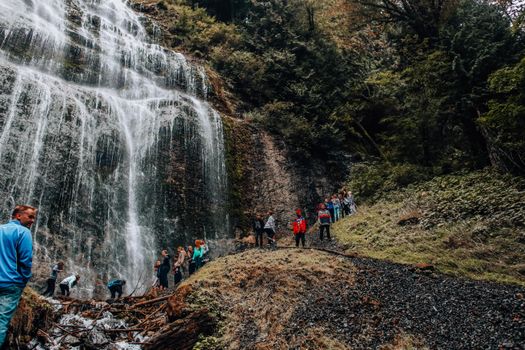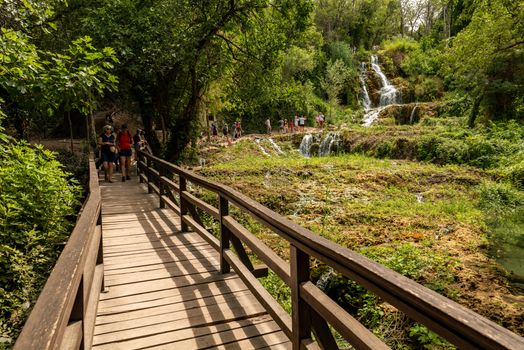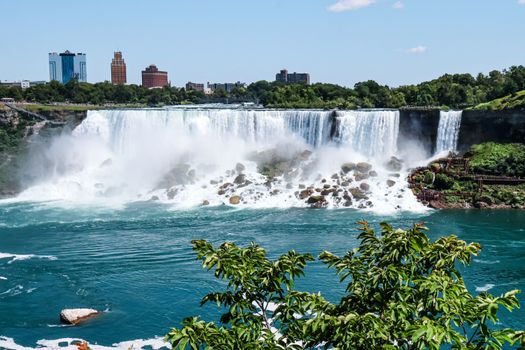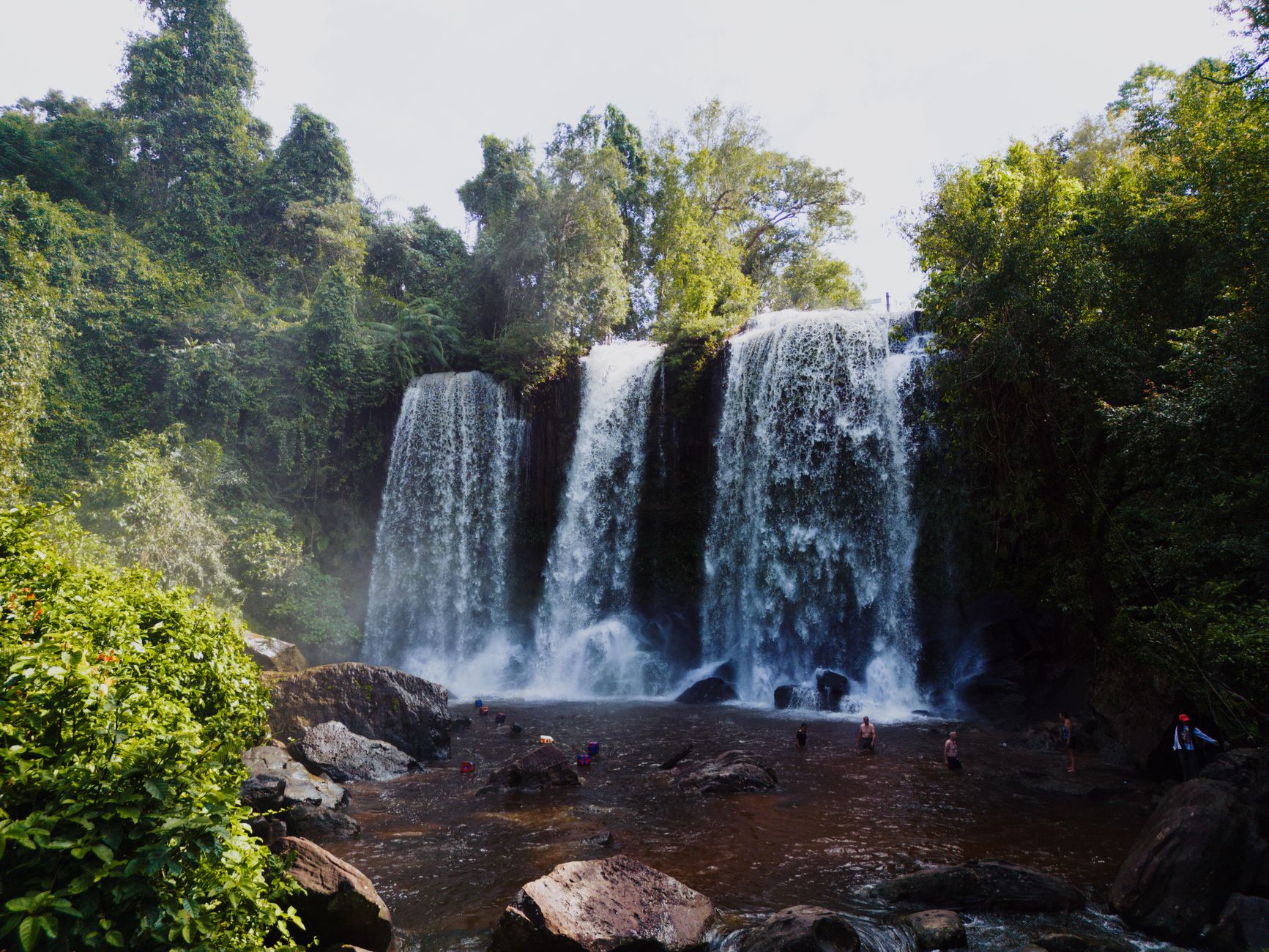
Waterfalls are among the most appealing natural features for a day trip, and many are closer to towns and cities than people expect. A short bus ride, train journey, or drive can bring a visitor to a cascade, plunge pool, or series of falls surrounded by forest or rock. The experience can be very different depending on the season, the rainfall, and the trail conditions, so a little planning turns a pleasant outing into a safe and memorable one.
Choosing a waterfall that suits your visit
Start with the time and effort you want to invest. Some falls are reached by a short paved path, while others require a longer hike over uneven ground. Check the total round-trip distance, expected duration, and elevation change. Consider whether you will be traveling with children, older relatives, or anyone with limited mobility, and look for information on accessible paths, steps, and viewpoints.
Read recent visitor information from park authorities, local tourism offices, or reputable guidebooks. Trail conditions, closures, and fees can change, and official sources provide the most accurate updates.
How water levels change the experience
Waterfalls are highly sensitive to rainfall and snowmelt. In wet seasons, falls may be powerful and noisy, but paths can be slippery, and some lower areas may be closed. In dry periods, flows may be reduced, and a fall that looks impressive in photographs may be only a trickle. Check recent weather and any warnings about flooding, since heavy rain can make rivers and streams dangerous within hours, even when the sky above appears clear.
If a site is known for flash flooding, avoid entering gorges or streambeds when rain is forecast. Follow posted warnings and do not attempt to cross fast-flowing water.
Trail safety and preparation
Waterfall trails often involve wet rock, roots, and loose gravel. Wear footwear with good grip, and avoid sandals or smooth-soled shoes. Carry water, a basic first aid kit, and a fully charged phone with offline maps. Tell someone your plan, particularly if you are hiking alone. Stay on marked paths, as edges near falls can be unstable, and do not climb on rocks close to the water.
Be aware that people have been injured at waterfalls by slipping on rocks or by jumping into pools without checking depth and currents. Swimming may be prohibited in some areas for safety reasons, and signs should be respected even where water looks inviting.
Respecting the environment
Waterfall areas often support delicate plant communities, wildlife, and water quality. Stay on paths to protect vegetation and soil, pack out all litter, and avoid disturbing animals or nesting sites. Some parks restrict drones or require permits for certain activities, so check the rules before bringing equipment. Use biodegradable soap sparingly, or avoid it altogether near streams.
Getting there and planning the day
Public transport options vary by city and region. Some falls are reached by regular bus services, while others require a taxi, tour, or car. Check the return timetable before setting out, and allow for slow walking on wet ground. Parking at popular falls can fill quickly on weekends and holidays, so arriving early can help. Pack food and a light layer, and plan to be back before the light fades.
Practical tips
- Check recent weather, rainfall and any official warnings before you go.
- Choose a route that matches your fitness, group size and time available.
- Wear grippy footwear and carry water, snacks and a basic first aid kit.
- Stay on marked paths and keep well back from slippery edges.
- Follow posted rules on swimming, climbing and drone use.
- Tell someone your plans and carry a charged phone with offline maps.
Common Mistakes to Avoid
A frequent error is judging a waterfall by a photograph taken on a different day. Pictures often show peak flows or unusually calm conditions, and the reality may be very different after rain or during a dry spell. Another mistake is setting out late in the day. Shorter daylight hours, muddy paths and tired legs can turn a simple return walk into a hurried, risky descent. Plan to be on the trail with time to spare, and carry a headlamp in case the outing takes longer than expected.
Visitors also sometimes wear poor footwear. Trainers with worn soles or sandals may seem fine on dry days but can slip badly on wet rock. Another easily avoided error is assuming that water is safe to enter because others are doing so. Currents can be strong, temperatures low and depths unpredictable. Respect fences and signs, and remember that a calm pool at the base of a fall may conceal hazards just below the surface.
Frequently Asked Questions
Are waterfalls suitable for young children? Many are, provided the path is firm and the viewpoints are fenced or set back from edges. Keep children close, and avoid areas where rocks are wet or the water is fast. Check the trail description before you go.
Can I visit a waterfall after heavy rain? It depends on the site. Some areas close during or after heavy rain because of flood risk. Check official warnings, and do not enter gorges or streambeds while rain is forecast or water levels are rising.
What if the trail is closed? Follow the closure. Closures often protect people from instability, flooding or erosion. Look for alternative sites on official park information rather than bypassing barriers, which can cause serious harm.
Waterfalls close to towns and cities offer an accessible way to enjoy nature without a long journey. The most rewarding visits come from checking conditions, respecting safety signs, and treating every fall with caution, even when it looks calm. A careful plan turns a short excursion into a day that feels both restorative and secure.