Remember that moment? You’re scrolling through your perfectly curated travel feed, dreaming of faraway lands, perhaps a pristine beach or a majestic mountain range. Then, a tiny voice in the back of your head whispers: "But what about the flight? The emissions? The impact?"
Yeah, I’ve been there. More times than I care to admit. For years, I chased the next stamp in my passport with an almost reckless abandon, fueled by wanderlust and a serious case of FOMO. But after a particularly eye-opening trip to the melting glaciers of Patagonia – a place profoundly impacted by climate change – that tiny whisper became a roaring siren. I realized that my passion for exploring this beautiful planet was, ironically, contributing to its degradation. The guilt was real, folks.
That’s when I decided to shift gears. I wasn't going to stop traveling; that's simply not in my DNA. Instead, I committed to finding ways to explore better. Ways that felt authentic, deeply immersive, and, most importantly, carbon-neutral or as close to it as possible. And let me tell you, what I discovered didn't just ease my conscience – it absolutely blew my mind. Forget boring, slow, or inconvenient. These carbon-neutral transportation options are not just good for the planet; they are incredible adventures in themselves, offering a depth of experience that conventional travel often misses.
So, buckle up (or unbuckle, if you’re about to hop on a bike!), because I'm about to share the ultimate guide to carbon-neutral travel that will redefine your next adventure.
1. Pedal Power & Electric Dreams: The Joys of Two Wheels
Let's start with a classic, but one that's been revolutionized: the bicycle. There’s something profoundly liberating about exploring a destination on two wheels. You feel the wind, smell the local cuisine wafting from open windows, hear the chatter of market stalls – you're truly in the place.
The Classic Bike Tour: My most memorable bike adventure was a 10-day tour through the rolling hills of Tuscany. We started near Florence, pedaling through vineyards, past ancient olive groves, and into medieval hilltop towns like San Gimignano and Siena. Each day, we'd cover 40-60 kilometers, our legs burning but our spirits soaring. We'd stop for espresso in tiny villages, feast on fresh pasta, and sleep in charming agriturismos. The cost? Around €1500 for a guided tour including accommodation, bike rental, and luggage transfer. Self-guided options are much cheaper, often just the cost of bike rental (€20-€40/day) and your accommodation. The best part? Zero emissions, pure joy, and a gelato reward that felt truly earned.
Mind-Blowing Tip: Don't underestimate the power of e-bikes! If the thought of conquering steep hills makes your calves ache, an e-bike is your new best friend. I recently rented one in Lisbon, a city infamous for its seven hills. Zipping up to São Jorge Castle with minimal effort felt like cheating, but oh, the views! E-bikes make multi-day tours or urban exploration accessible to everyone, regardless of fitness level. Many cities now offer e-bike sharing programs (Lime, Bolt, Tier) for just a few euros per hour.
Practical Advice:
- Gear Up: A good helmet, comfortable padded shorts, and layers are essential.
- Route Planning: Utilize apps like Komoot or Google Maps for bike-friendly routes. Europe's EuroVelo network offers incredible long-distance paths.
- Rental vs. Own: For short trips, rent locally. For longer tours, consider specialized bike tour companies that handle logistics.
- Go Off-Season: Avoid peak summer heat and crowds for a more pleasant experience.
2. Slow Travel, Big Views: Rail & Sail Adventures
If the idea of rushing through an airport fills you with dread, then trains and ferries are about to become your new travel obsessions. These aren't just modes of transport; they're experiences in themselves, offering unparalleled comfort, stunning scenery, and a drastically reduced carbon footprint compared to flying.
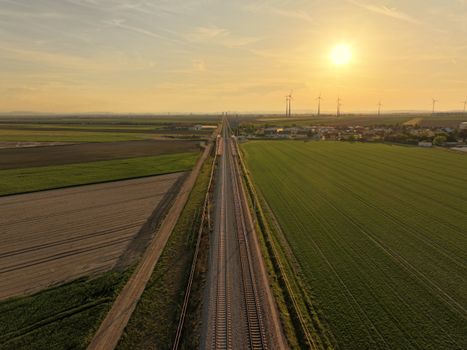
The Magic of Train Travel: My heart belongs to European train travel. There's nothing quite like settling into a comfortable seat, watching the world whiz by – from the vibrant green fields of France to the snow-capped peaks of the Swiss Alps. Last year, I took an overnight sleeper train from Vienna to Venice. I drifted off to sleep in my cozy compartment, rocked gently by the movement of the train, and woke up to the shimmering waters of the Venetian lagoon. It felt like magic, and it saved me a flight and a hotel night. A ticket for a journey like that can range from €70-€200, depending on the class and how far in advance you book. Services like Interrail (Europe) or Japan Rail Pass offer incredible value for extensive travel.
Mind-Blowing Tip: Look beyond high-speed rail. While efficient, scenic routes are where the real enchantment lies. Imagine the Rocky Mountaineer in Canada, winding through majestic mountains and pristine wilderness, or the Flåm Railway in Norway, one of the steepest standard-gauge railways in the world, plunging through dramatic fjords. These journeys are destinations in themselves, often offering gourmet dining and panoramic windows.
Sailing into Serenity: For coastal explorations, ferries and sailboats are your eco-champions. Forget cramped cruises; I'm talking about island hopping in the Greek Cyclades on a local ferry, feeling the sea breeze, or even embarking on a multi-day sailing trip along Croatia's Dalmatian coast. Last summer, a group of friends and I chartered a small catamaran in Greece for a week. We sailed between islands like Paros, Naxos, and Mykonos, dropping anchor in secluded coves, swimming in crystal-clear waters, and cooking fresh seafood on board. The only carbon footprint was from the occasional use of the auxiliary engine, which we minimized. Chartering a yacht (with or without a skipper) can cost anywhere from €1500-€5000+ per week, split among friends, making it surprisingly affordable.
Practical Advice:
- Book Ahead: Especially for popular routes or sleeper trains, tickets can sell out.
- Interrail/Eurail: For extensive European travel, a pass can be incredibly cost-effective.
- Pack Smart: Luggage limits are less strict than flying, but avoid overpacking for ease of movement.
- Embrace the Journey: Train and ferry travel is about the experience, not just the destination. Bring a book, play cards, or just gaze out the window.
3. Human-Powered Expeditions: Connect with Nature, One Step at a Time
Ready for an adventure that truly puts you in sync with the environment? Human-powered travel is the ultimate carbon-neutral experience, offering unparalleled immersion and a profound sense of accomplishment.
Trekking & Hiking the World: My most transformative trip was a 5-day trek through the Dolomites in Italy. We hiked from hut to hut, carrying only what we needed, fueled by hearty mountain food and the sheer beauty of the jagged peaks. Each evening, we'd share stories with fellow hikers from around the world, the stars impossibly bright above us. The cost was minimal – mostly for food and the occasional hut stay (€30-€60/night). This kind of journey strips away distractions and connects you deeply with nature.
Mind-Blowing Tip: Consider the Camino de Santiago in Spain. This ancient pilgrimage route offers various paths, with the most popular being the Camino Francés. It's not just a hike; it's a spiritual, cultural, and deeply personal journey that can take weeks or even months. You walk, you eat local food, you stay in albergues (hostels) for as little as €10-€15/night, and you meet people from all walks of life. The only carbon footprint is your breath.
Kayaking & Canoeing Adventures: For water lovers, paddling offers a unique perspective. Imagine gliding silently through a Norwegian fjord, the towering cliffs reflecting in the glassy water, or navigating the labyrinthine waterways of the Boundary Waters Canoe Area Wilderness in Minnesota, where motorboats are prohibited. I once spent a week sea kayaking in Ha Long Bay, Vietnam. We paddled through emerald waters, explored hidden caves, and slept on a traditional junk boat. The silence, broken only by the dip of our paddles, was mesmerizing. A guided multi-day kayak tour can range from $500-$2000, depending on duration and location.
Practical Advice:
- Start Small: Begin with day hikes or short paddles before committing to multi-day expeditions.
- Invest in Gear: Good boots, a reliable backpack, and appropriate layers are crucial for hiking. For paddling, a comfortable PFD (personal flotation device) is a must.
- Leave No Trace: Always pack out everything you pack in, and respect wildlife.
- Safety First: Inform someone of your route, check weather conditions, and know your limits.
4. The Future is Now: Electric Vehicles & Charging Networks
While not entirely 'zero-emission' if the electricity comes from fossil fuels, electric vehicles (EVs) are a massive step towards carbon-neutral travel, especially as grids become greener. And trust me, an EV road trip is a whole new level of cool.
Electric Road Trips: The idea of a silent, powerful car gliding along a scenic highway, powered by electrons rather than explosions, is incredibly appealing. Last year, I rented a Tesla Model 3 for a week-long road trip through California, from San Francisco down to San Diego. The range anxiety I initially felt quickly evaporated as I discovered the extensive Supercharger network. Charging stops became mini-breaks for coffee or a quick stretch. The car's instant torque made driving a joy, and the lack of engine noise made conversations and music much more enjoyable. Rental costs for an EV like a Tesla can be higher than a standard car (e.g., $100-$200/day), but fuel costs are significantly lower.
Mind-Blowing Tip: Many European countries are investing heavily in EV charging infrastructure, making cross-country electric road trips increasingly feasible. Norway, for example, has one of the highest EV adoption rates in the world, with charging stations readily available even in remote areas. Imagine exploring the Trollstigen road in an electric car, silent and powerful, with zero local emissions.
Electric Buses & Shuttles: For intercity travel, electric buses are becoming more common. Many cities are transitioning their public transport fleets to electric, offering a quiet, clean way to navigate urban areas. Some companies are even piloting long-distance electric coaches. Keep an eye out for these as they become more widespread.
Practical Advice:
- Plan Your Route & Charging: Use apps like PlugShare or the car's built-in navigation to locate charging stations.
- Understand Charging Speeds: Not all chargers are equal. "Level 2" is slower, "DC Fast Chargers" (like Tesla Superchargers or Electrify America) are much faster.
- Rental Considerations: Check the rental company's policy on charging and range. Ensure the car meets your needs.
- Home Charging: If you own an EV, consider how you'll charge at your accommodation. Many hotels now offer EV charging.
5. Beyond the Horizon: Emerging & Niche Carbon-Neutral Transport
The future of travel is exciting, with innovators constantly pushing the boundaries of sustainable transportation. While some of these options are still in their infancy or niche, they offer a glimpse into a truly carbon-neutral future.
Hydrogen Power: Hydrogen fuel cell technology is gaining traction. Imagine trains powered by hydrogen, emitting only water vapor! Several pilot projects are underway in Germany and France, with the world's first hydrogen-powered train, the Coradia iLint, already in service on some regional lines. Hydrogen-powered ferries are also being developed, promising emission-free maritime travel.
Mind-Blowing Tip: While not widely available for tourists yet, keep an eye on developments like solar-powered boats. These are already used for small, eco-friendly tours in places like the Maldives or on specific lakes, offering a truly silent and sun-powered experience. The technology is improving rapidly, and larger vessels are on the horizon.
The Return of the Airship? This might sound like something out of a Jules Verne novel, but modern airships and hybrid air vehicles are being developed with sustainability in mind. Companies like Hybrid Air Vehicles are working on the Airlander 10, a low-emission (and potentially zero-emission with future hydrogen-electric propulsion) airship designed for luxury tourism and cargo. Imagine silently floating over the Amazon rainforest or the African savanna, with panoramic views and minimal environmental impact. While still in development, the prospect is truly mind-blowing!
Practical Advice:
- Stay Informed: Follow news from sustainable transport organizations and tech companies.
- Support Innovation: Choose companies that are investing in these future technologies where possible.
- Be an Early Adopter: If a niche, emerging option aligns with your travel goals and budget, give it a try and share your experience!
6. Making It Happen: Practical Tips for Your Eco-Journey
So, you're inspired, right? You're ready to ditch the jet fuel guilt and embrace a new way of seeing the world. Here are some actionable tips to help you plan your own carbon-neutral adventure:
- Research, Research, Research: Before you book, investigate the carbon footprint of your chosen transport. Websites like EcoPassenger (for European trains) or carbon footprint calculators can help.
- Embrace Slow Travel: Often, the most carbon-neutral options are also the slowest. This isn't a drawback; it's an invitation to savor the journey, discover hidden gems, and truly immerse yourself.
- Offset What You Can't Avoid: While the goal is carbon-neutral, sometimes a flight is unavoidable for long distances. In these cases, consider offsetting your emissions through reputable organizations that invest in renewable energy or reforestation projects. It's not a perfect solution, but it's better than nothing.
- Pack Light: Less weight means less energy consumed, whether you're on a bike, a train, or even an EV. Plus, it makes your journey much more enjoyable!
- Support Local, Sustainable Businesses: Extend your eco-conscious mindset to your accommodations and activities. Choose eco-lodges, locally-owned guesthouses, and tour operators committed to sustainability.
- Spread the Word: Share your carbon-neutral travel experiences! Your stories and photos can inspire friends, family, and your social media followers to consider more sustainable options. Use hashtags like #CarbonNeutralTravel #EcoAdventure #SustainableTravel and tag @Tripsora!
Your Next Adventure Awaits!
The world is calling, and it's asking us to travel differently. These carbon-neutral transportation options aren't just about reducing our impact; they're about enhancing our experiences. They force us to slow down, to engage more deeply with our surroundings, and to appreciate the journey as much as the destination.
From the quiet whir of an e-bike climbing a Tuscan hill to the rhythmic clickety-clack of a train winding through the Alps, or the gentle splash of a kayak paddle in a pristine bay – these are the moments that truly blow your mind. They are the memories that last a lifetime, forged with intention and respect for our incredible planet.
Are you ready to redefine your adventure? What carbon-neutral journey will you embark on next? Share your dreams and plans in the comments below – let's inspire each other to explore the world, one mindful journey at a time!
---