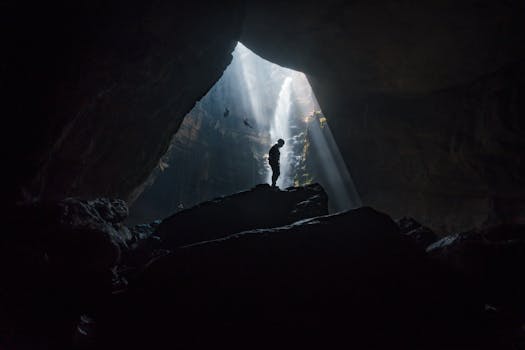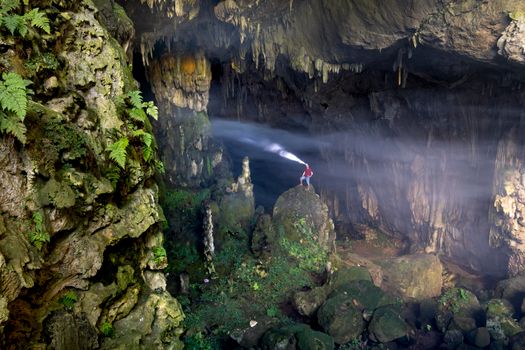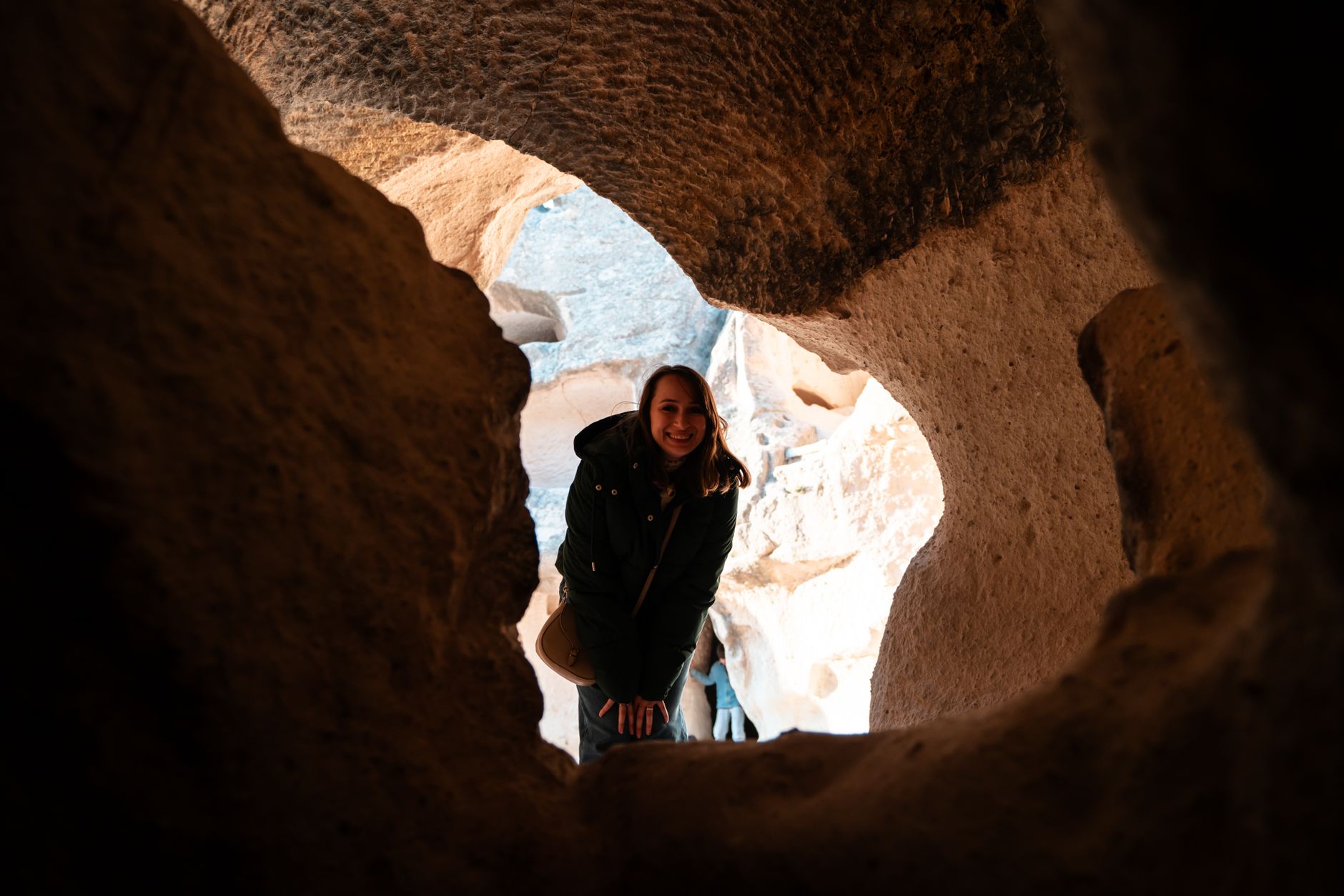
The first time I stepped into a cave, the air grew instantly cooler, the sounds of the outside world muffled, and a profound sense of ancient mystery enveloped me. It was a small, unassuming limestone grotto in a forgotten corner of a national park, and I was utterly alone. No guide, no group, just me, a trusty headlamp, and the echoing drip of water in the darkness. That moment, standing on the threshold of an unknown world, wasn't just a travel experience; it was a revelation. It sparked an obsession that has since led me to some of the most breathtaking, challenging, and utterly transformational underground landscapes on Earth.
We often associate cave exploration with helmets, harnesses, and expert guides leading the way. And while those experiences are incredible in their own right, there's a unique, raw, and deeply personal magic in navigating a cave system without a guide. It's about trusting your instincts, finding your own path, and forging an intimate connection with the planet's hidden heart. It's about the silence that allows you to hear your own thoughts, the darkness that heightens your other senses, and the sheer triumph of discovering a stalagmite forest or a hidden chamber all on your own.
This isn't just about saving money (though it often does!). It's about an unparalleled sense of freedom and discovery. It's about confronting your fears, pushing your boundaries, and emerging into the daylight a little bit changed, a lot more confident, and utterly humbled by the Earth's majesty.
If you’re ready to trade the well-trodden path for the untamed underground, read on. I'm going to share some of the most incredible, self-explorable cave systems that have truly changed my life, along with all the practical tips and details you'll need to embark on your own unforgettable subterranean adventure.
The Call of the Underground: Why Go Guide-Free?
Why choose the path less illuminated? For me, it boils down to a few core things:
- True Discovery: There's a primal thrill in being the one to shine your light into a new recess, to ponder the age of a formation without a guide's script, to simply be in the moment without external distractions. It feels like genuine exploration.
- Pace Yourself: Want to spend 20 minutes staring at a glistening calcite flow? Or rush through a tight squeeze? You set the rhythm. No waiting for stragglers, no feeling rushed by the group.
- Silence and Solitude: The underground has a profound silence, broken only by the drip of water or the whisper of your own breath. In this quiet, you connect with yourself and the ancient world around you on a deeper level. It's meditative, almost spiritual.
- Confidence Building: Navigating challenges, reading maps in the dark, and relying on your own judgment builds immense self-reliance and confidence. Every successful traverse is a personal victory.
- Budget-Friendly: Many self-guided cave experiences are free or involve only a modest park entrance fee, making them incredible value for an unparalleled adventure.
Ready to answer the call? Let's dive in!
My First Taste of Freedom: Carlsbad Caverns National Park, USA
My journey into self-guided caving truly began in the vast, awe-inspiring chambers of Carlsbad Caverns National Park in New Mexico. While the park offers various ranger-led tours, its crown jewel – the "Big Room" trail – is famously self-guided. And it's not just a big room; it's one of the largest and most spectacular cave chambers in the world.
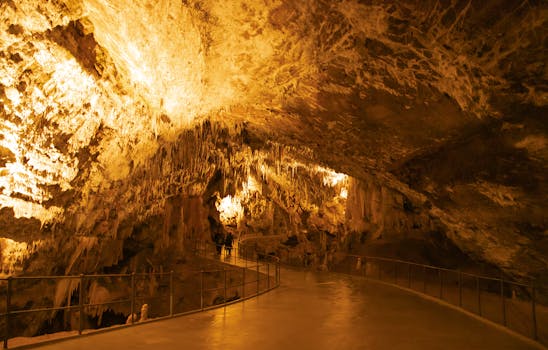
I chose to enter via the Natural Entrance, a dramatic, gaping maw in the Chihuahuan Desert landscape. The descent is a winding, paved path that drops over 750 feet (229 meters) into the Earth. As I walked, the desert light slowly faded, replaced by the soft glow of the cave's installed lighting. The air grew cooler, and the faint chirping of bats gave way to an otherworldly silence. It felt like walking into another dimension.
The sheer scale of the Big Room is almost incomprehensible. Towering stalagmites, delicate draperies, and massive columns rise from the floor and hang from the ceiling, illuminated in a way that highlights their intricate beauty. I spent hours wandering the 1.25-mile (2 km) paved loop, stopping to marvel at formations like the "Hall of Giants" and the "Bottomless Pit." There's something truly profound about being able to linger, to absorb the silence, and to let your imagination run wild in a space so ancient and immense. It was here that I truly understood the power of self-paced exploration.
Practical Tips for Carlsbad Caverns:
- Entry: You can either walk down the Natural Entrance or take an elevator directly to the Big Room. I highly recommend the Natural Entrance for the full dramatic experience.
- Footwear: The paths are paved but can be damp and slippery. Sturdy, closed-toe shoes with good grip are essential.
- Layers: The cave maintains a constant temperature of about 56°F (13°C), so bring a light jacket or sweater, even if it's scorching hot outside.
- Water: Carry a water bottle. There are restrooms and water fountains near the Big Room lunchroom, but it's a long walk down.
- Cost: Park entrance fee is $15 per person (valid for 7 days). If you have an America the Beautiful National Parks Pass ($80/year), entry is free.
Lava Tubes & Lunar Landscapes: Lava Beds National Monument, USA
If you want to feel like an astronaut exploring a lunar cave, Lava Beds National Monument in northern California is your ultimate playground. This incredible park boasts over 700 caves, primarily lava tubes, and a significant number of them are explicitly designated for self-guided exploration. This isn't your typical limestone cave with stalactites; these are volcanic tunnels, raw and rugged, formed by flowing lava.
My first visit was a revelation. After checking in at the visitor center, grabbing a map, and renting a headlamp (though I brought my own, always have a backup!), I set out. The beauty of Lava Beds is the variety. Some caves, like Mushpot Cave, are short, well-lit, and perfect for beginners. Others, like Sentinel Cave or Catacombs Cave, require crawling, squeezing through tight passages, and navigating complete darkness.
I remember one particular moment in Skull Cave, where the air was so still and the darkness so absolute that when I turned off my headlamp, I couldn't even see my hand in front of my face. It was a profound, almost primal experience. Then, shining my light again, I saw the glistening ice formations deep within, a startling contrast to the arid landscape above. Exploring these caves felt like stepping into the Earth's plumbing system, a raw, untamed world of jagged rock and ancient geological forces.
Practical Tips for Lava Beds:
- Multiple Light Sources: This is NON-NEGOTIABLE. Bring a primary headlamp, a backup headlamp, and a handheld flashlight. Spare batteries for all. The park rents headlamps, but you need more than one.
- Gear Up: Knee pads, gloves, and sturdy shoes with good ankle support are highly recommended, especially for the more challenging caves. You'll be crawling!
- Cave Map: Get one from the visitor center. Each cave has a unique layout and difficulty rating.
- Check for Bats: Before entering any cave, check for signs of bats and follow all guidelines to prevent the spread of White-Nose Syndrome. Decontaminate your gear if moving between different cave systems.
- Cost: Park entrance fee is $25 per vehicle (valid for 7 days) or free with an America the Beautiful pass. Headlamp rental is a small fee, but again, bring your own backups.
Canyon Crawls & Muddy Marvels: Anza-Borrego Desert State Park, USA
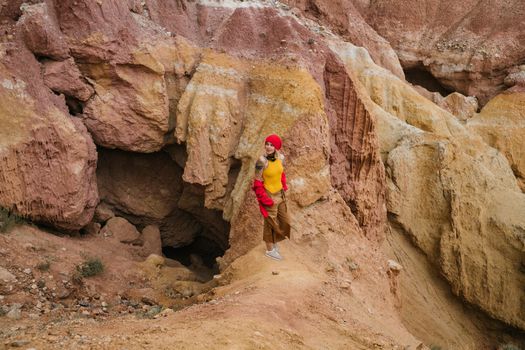
For a truly unique, off-the-beaten-path self-guided adventure, head to Anza-Borrego Desert State Park in Southern California. While not traditional limestone caves, this park is home to an incredible network of mud caves and slot canyons that offer an exhilarating, subterranean-like experience. These aren't just cracks in the earth; they are often deep, dark, and winding passages carved by water through ancient mudstone.
My first time exploring the Arroyo Tapiado Mud Caves was an exercise in pure adventure. After a dusty drive down a washboard road (a 4x4 or high-clearance vehicle is often essential), I parked and started hiking. The "caves" here are actually eroded tunnels, some hundreds of feet long, complete with side passages and multiple entrances. I remember squeezing through a particularly narrow section, my backpack scraping the mud walls, and then emerging into a surprisingly wide chamber, the light filtering in from distant openings creating an ethereal glow.
The mud caves are raw, undeveloped, and demand respect. There's no lighting, no paved paths – just you and the geological wonders. It's an incredible feeling of discovery, navigating the twists and turns, finding your way out, and then emerging back into the stark beauty of the desert.
Practical Tips for Anza-Borrego Mud Caves:
- Vehicle: A high-clearance 4x4 vehicle is often necessary to access the deeper mud cave areas via unpaved roads. Check road conditions at the visitor center.
- Weather is Key: Flash floods are a serious danger in slot canyons and washes, especially during monsoon season (late summer). NEVER enter these areas if rain is in the forecast or if the ground is wet.
- Navigation: Bring a detailed map (physical and digital), GPS, and compass. It's easy to get disoriented in the maze-like passages.
- Water & Supplies: This is a remote desert environment. Carry significantly more water than you think you'll need, snacks, and a comprehensive first-aid kit.
- Tell Someone: Always inform someone of your plans, including your exact route and estimated return time. Cell service is spotty to non-existent.
- Cost: Entry to Anza-Borrego Desert State Park is free.
Sacred Heights & Stalactite Sanctuaries: Batu Caves, Malaysia
Shifting gears entirely, my visit to the Batu Caves in Malaysia was a powerful reminder that self-guided cave exploration can be as much about culture and spirituality as it is about geology. Located just north of Kuala Lumpur, Batu Caves is a series of limestone caves and cave temples, the most famous of which is the Temple Cave (or Cathedral Cave), accessible by a steep climb of 272 steps.
The moment you arrive, the sheer scale is breathtaking: a colossal golden statue of Lord Murugan stands guard at the foot of the vibrant rainbow-colored stairs. The ascent itself is an adventure. Monkeys scamper along the railings, curious and cheeky, adding to the lively atmosphere. As you climb, you leave the bustling city behind, entering a colossal cavern that opens to the sky, creating a dramatic, light-filled sanctuary.
Inside the main Temple Cave, the ceiling soars hundreds of feet above, revealing intricate rock formations and natural skylights that illuminate the Hindu shrines. While there are other smaller caves (like the Dark Cave, which requires a guided tour), the main Batu Caves experience is entirely self-guided. You wander, you pray (or simply observe), you marvel at the intersection of nature and devotion. It’s an immersive, sensory-rich experience that truly changed my perspective on what "cave exploration" could mean.
Practical Tips for Batu Caves:
- Dress Modestly: As a sacred site, it's respectful to cover your knees and shoulders. Scarves are often available for rent at the base.
- Watch for Monkeys: They are everywhere and can be bold! Keep food and loose items secured. Do not feed them.
- Footwear: Comfortable shoes are a must for climbing the 272 stairs.
- Go Early: To avoid the worst of the heat and the largest crowds, aim to visit in the morning.
- Cost: Entry to the main Temple Cave is free. There are small fees for some of the other attractions or smaller caves.
Coastal Caves & Aquatic Adventures: Sea Caves of Ayia Napa, Cyprus & Rong Cave, Vietnam
My love for self-guided exploration isn't confined to dry land. Some of my most exhilarating "cave" experiences have involved the ocean, paddling or swimming into stunning sea caves. These offer a completely different kind of challenge and reward, blending the thrill of the underground with the beauty of marine landscapes.
The Sea Caves of Ayia Napa, Cyprus, are a prime example. Carved by centuries of waves, these natural arches, bridges, and grottoes along the coastline are incredibly picturesque. I rented a kayak and spent an afternoon paddling along the coast, venturing into caves with names like "Palaces" and "Smugglers' Caves." The water inside glowed an impossible turquoise, reflecting off the cave walls, and the sound of the waves echoing within was mesmerizing. The freedom of navigating these watery chambers at my own pace, deciding which hidden cove to explore next, was pure bliss.
Similarly, during a trip to Cat Ba Island in Vietnam, I rented a kayak and paddled out to Rong Cave (Dragon Cave). This isn't a deep system, but a dramatic archway that leads into a large, open-air grotto. Paddling through the narrow entrance, feeling the cool air, and then emerging into a hidden lagoon ringed by towering karst cliffs was an unforgettable moment of discovery. It felt like stumbling upon a secret world.
Practical Tips for Sea Cave Exploration:
- Check Conditions: Always assess sea conditions (tides, currents, waves) before heading out. Never go in rough weather.
- Safety Gear: Wear a life vest (PFD). If kayaking, ensure your kayak is stable and suitable for sea conditions.
- Waterproof Everything: Use dry bags for your phone, camera, and any other valuables.
- Go with a Buddy: Especially if you're new to sea kayaking or swimming into caves, it's safer to go with at least one other person.
- Sun Protection: Even in caves, you'll be exposed to the sun on the water. Sunscreen, a hat, and sunglasses are essential.
- Cost: Kayak/SUP rentals vary but are generally affordable ($15-40 for a few hours).
Essential Gear & Safety First: Your Self-Guided Cave Checklist
While the thrill of self-guided exploration is immense, safety must always be your top priority. The underground is beautiful, but it's also unforgiving. Here's a checklist of essentials and safety principles:
Must-Have Gear:
- Multiple Light Sources: This cannot be stressed enough. A primary headlamp, a backup headlamp, and a handheld flashlight. All with fresh batteries AND spare batteries.
- Sturdy Footwear: Closed-toe shoes with excellent grip are crucial. Hiking boots or sturdy trail shoes are ideal.
- Appropriate Clothing: Layers are best. Caves are cool and often damp. Long pants and sleeves can protect against scrapes. Knee pads and gloves are highly recommended for crawling.
- Water & Snacks: Stay hydrated and energized.
- First-Aid Kit: Basic supplies for cuts, scrapes, and minor injuries.
- Navigation Tools: A physical map of the cave/area, a compass, and a fully charged phone with GPS capabilities (download offline maps).
- Communication Device: A fully charged phone (though service is often non-existent underground). Consider a personal locator beacon (PLB) for remote areas.
- Small Backpack: To carry all your gear.
- Helmet: Especially for undeveloped caves or those with low ceilings. Protect your head!
Safety Principles:
- Tell Someone Your Plans: Always inform a trusted person of your exact route, destination, and estimated return time. Stick to your plan.
- Know Your Limits: Don't attempt caves or sections that are beyond your skill level or comfort zone. "When in doubt, turn back" is a golden rule.
- Don't Go Alone (if possible): While the appeal is "without a guide," going with a trusted buddy is always safer, especially in undeveloped or challenging caves.
- Leave No Trace: Pack out everything you pack in. Do not touch cave formations as oils from your skin can damage them. Stay on marked paths where they exist.
- Monitor Weather: This is especially critical for mud caves and slot canyons where flash floods are a danger.
- Respect Regulations: Always check for permits, closures, and specific rules for each cave system. Some caves may be closed seasonally for bat hibernation or preservation.
Embrace the Darkness, Find Your Light
My journey into self-guided cave exploration has been one of the most enriching chapters of my life. It's taught me resilience, fostered a deep appreciation for the Earth's hidden beauty, and shown me the incredible strength that comes from trusting yourself in the face of the unknown. Each cave, whether a vast chamber or a tight squeeze, has left an indelible mark, changing the way I see the world, both above and below the surface.
If you've ever felt the pull of the mysterious underground, I urge you to take the plunge. Start with a well-established self-guided trail, gather your gear, inform a friend, and step into the silent, ancient world that awaits. You might just discover not only incredible geological wonders but also a profound new depth within yourself.
Have you explored a cave without a guide? Or are you planning your first adventure? Share your stories and tips in the comments below! And don't forget to bookmark this post for your next adventure planning and share it with your fellow thrill-seekers. The underground is calling!
---