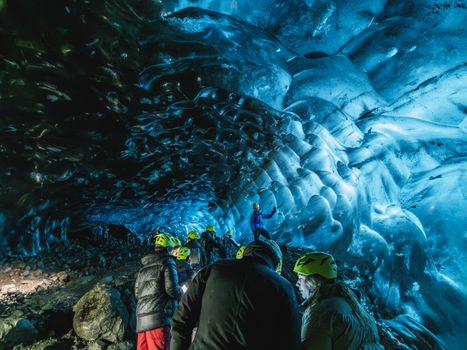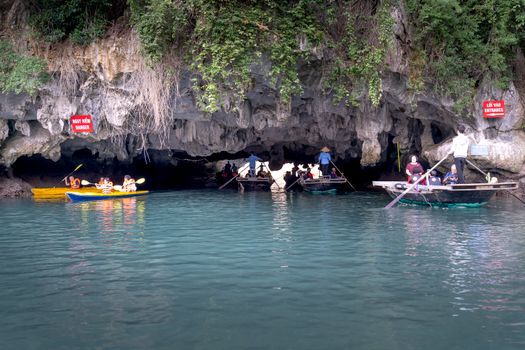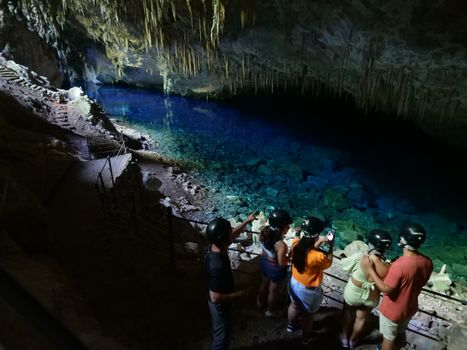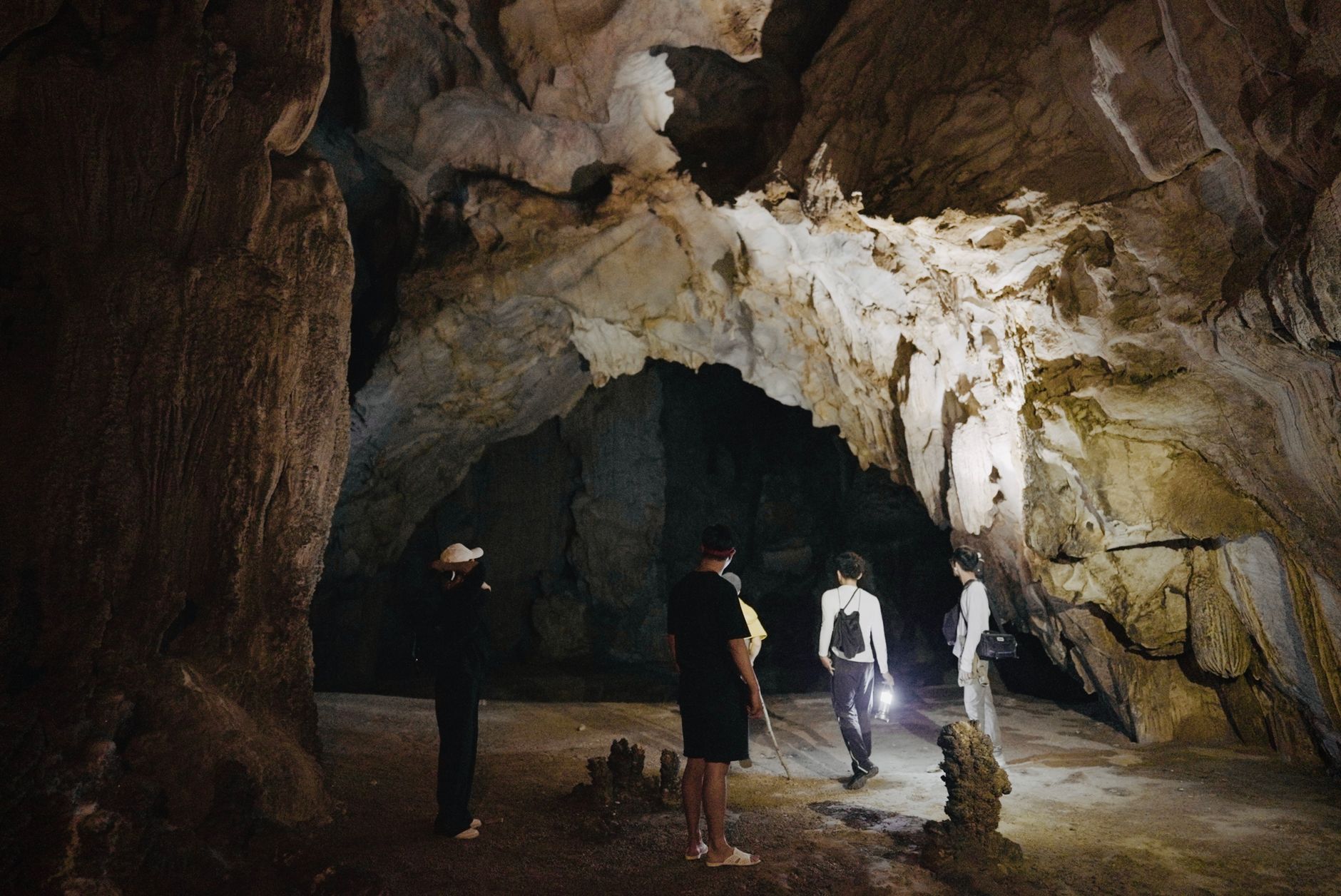
The air grew heavy, cool, and damp, carrying the faint scent of wet earth and ancient stone. My headlamp beam danced across intricate formations, revealing shimmering calcite curtains and massive stalagmites that seemed to hold the weight of the world on their shoulders. There was no guide barking instructions, no tour group jostling for the best view, just the rhythmic drip of water and the profound silence of the deep earth. It was just me, my reliable headlamp, and the awe-inspiring majesty of the cave. That moment, deep inside a vast limestone chamber, was when I truly understood the magic of self-guided cave exploration. It wasn't just a walk; it was a personal communion with geological time, a whisper from the planet itself.
Forget what you think you know about caving. While many of the world's most famous subterranean wonders require a ranger or a professional guide, there's a whole universe of accessible, well-maintained, and utterly breathtaking cave systems waiting for you to explore at your own pace. These aren't wild, technical caving expeditions (though those are incredible too!), but rather opportunities to step into Earth's hidden cathedrals with just your own two feet and a sense of adventure.
As a travel blogger for Tripsora, I live for these moments of raw, unadulterated discovery. And let me tell you, exploring these self-guided caves is an experience so profound, so uniquely humbling, that it absolutely deserves a spot on your "before you die" travel list. So, strap on your boots, grab your headlamp, and let's dive into the ultimate guide to the world's most incredible self-guided cave systems!
Why Go Self-Guided? The Call of the Uncharted (Sort Of)
Before we delve into specific locations, let's talk about why self-guided caving is such a game-changer. It's not about reckless abandon; it's about freedom, immersion, and a deeper personal connection.
- Freedom to Roam: No rush, no waiting for stragglers. You set your own pace, linger where you want, and truly soak in the atmosphere. Want to spend 15 minutes just staring at a particularly stunning formation? Go for it!
- Cost-Effectiveness: Often, self-guided access is significantly cheaper than guided tours, making these incredible experiences more accessible to budget travelers.
- Authentic Connection: Without a guide narrating every detail, you're forced to observe, interpret, and connect with the environment on a more primal level. It feels like a genuine discovery, even if thousands have walked the path before you.
- Photography Heaven: No crowds photobombing your perfect shot. You have the time and space to set up your tripod (where allowed) and capture the ethereal beauty of the underworld.
Of course, "self-guided" in this context means following marked paths, often on well-lit and paved trails, but without a dedicated human guide leading your specific group. It's the perfect blend of safety, accessibility, and independent adventure.
Essential Gear & Safety First! (Your Caving Checklist)
Even on well-maintained self-guided trails, you're venturing into a natural, often challenging environment. Preparation is key to a safe and enjoyable experience. Think of this as your essential pre-adventure checklist:
- Reliable Headlamp (and a backup!): This is non-negotiable. Even in caves with installed lighting, power outages can happen, or specific sections might be darker. A good quality headlamp with fresh batteries (and a spare set, or a second small flashlight) is your best friend.
- Sturdy, Closed-Toe Shoes with Good Grip: The ground can be uneven, rocky, wet, and slippery. Leave the flip-flops and fancy sneakers at home. Hiking boots or sturdy trail shoes are ideal.
- Layers of Clothing: Caves maintain a constant, cool temperature year-round, often around 50-60°F (10-15°C), regardless of outside weather. A light jacket or long-sleeved shirt is usually sufficient, even if it's scorching hot above ground.
- Water & Snacks: Hydration is important, especially if you plan to spend a few hours exploring. A small snack can also be a lifesaver.
- Small Backpack: To carry your water, snacks, extra layers, and headlamp.
- Basic First-Aid Kit: For minor scrapes or blisters.
- Fully Charged Phone: For emergencies, and yes, for those incredible photos (but don't rely on it for light!).
- Tell Someone Your Plans: Always let a friend, family member, or park ranger know where you're going and when you expect to return.
- Respect the Rules: Stay on marked paths, do not touch formations (your skin oils can damage them), do not litter, and never take souvenirs. Leave no trace!
- Know Your Limits: If a path looks too challenging or you feel uncomfortable, turn back. There's no shame in prioritizing safety.
North American Wonders: Subterranean Adventures Await
North America boasts some truly spectacular self-guided cave systems, offering a taste of the underworld without needing a specialized tour.
1. Carlsbad Caverns National Park, New Mexico, USA
Oh, Carlsbad. I still remember the feeling of stepping off the elevator (or walking down the natural entrance, if you're feeling ambitious!) and into the immense void of the Big Room. It’s less a cave and more a subterranean cathedral, so vast that it feels like an entirely different planet.
- The Experience: The iconic "Big Room" trail here is wonderfully self-guided. You can choose to hike down the 1.25-mile (2 km) paved natural entrance trail, descending 750 feet (229 m) into the earth, or take the elevator directly to the Big Room. Once there, you follow a well-lit, paved 1.25-mile loop trail that winds through truly colossal chambers filled with mind-boggling stalactites, stalagmites, columns, and draperies. The sheer scale is what gets you – some formations are bigger than cars! I remember stopping at one point, just turning off my headlamp (briefly, where safe) to experience the profound, absolute darkness and silence. It’s humbling.
- Practical Details:
- Entrance Fee: Typically around $15-20 USD per person (check NPS website for current rates). Reservations are often required, especially during peak season.
- Best Time to Visit: Early morning or late afternoon to avoid crowds. The bat flight program at dusk (seasonal) is an added bonus, though it takes place outside the cave entrance.
- Instagram Moment: The "Hall of Giants" or "Giant Dome" formations are incredible. Use a wide-angle lens and a tripod for stunning long-exposure shots.
2. Lava Beds National Monument, California, USA
If limestone caves are nature's cathedrals, then lava tubes are its raw, primordial arteries. Lava Beds National Monument in northern California is a treasure trove of these unique formations, and many are perfectly set up for self-guided exploration.
- The Experience: This place feels like stepping onto another planet. Formed by ancient volcanic eruptions, the monument protects over 700 caves, many of which are easily accessible. You literally grab a map from the visitor center, borrow a headlamp (yes, they lend them out!), and head out to explore. My favorite part was scrambling through the "Mushpot Cave" (well-lit and easy) and then venturing into the darker, more adventurous "Sentinel Cave" or "Sunshine Cave." Each cave has its own character, from wide-open tunnels to tight squeezes (known as "squeezes," naturally!). The texture of the lava rock, the way the light plays on the smooth, ropey flows, and the occasional ice formations in colder months make for an unforgettable experience. It's a true choose-your-own-adventure caving experience.
- Practical Details:
- Entrance Fee: National Park Pass or a per-vehicle fee (check NPS website).
- Best Time to Visit: Spring or Fall for comfortable surface temperatures. Winter can bring snow, limiting access to some caves, but also creating unique ice formations inside others. Summer can be hot above ground, but the caves are always cool.
- Instagram Moment: The entrance to "Skull Cave" with its enormous opening, or the unique lava formations in "Sentinel Cave." The pure darkness is also a powerful, if challenging, photo subject.
European Escapes: Ancient Earth, Modern Exploration
Europe, with its rich history and diverse geology, offers some fantastic opportunities for self-guided subterranean exploration.
3. Gruta do Natal, Terceira Island, Azores, Portugal
Imagine descending into the raw, volcanic heart of an island, equipped with just a helmet and a lamp, and exploring a lava tube at your own pace. Welcome to Gruta do Natal on Terceira Island in the Azores.
- The Experience: This isn't a show cave with paved paths and elaborate lighting. This is a real, raw lava tube. At the entrance, you pay a small fee, are given a helmet and headlamp, and then you're free to explore. The path winds through incredible volcanic formations – lava stalactites, stalagmites, and smooth, flowing rock. There are stairs and handrails in places, but it retains a wild, adventurous feel. I remember the sensation of the cool, damp air and the utter silence, broken only by my own breathing and the drip of water. It felt like being an early explorer, discovering a new world. The changing colors of the rock, from deep black to rusty reds, are mesmerizing.
- Practical Details:
- Entrance Fee: Around €5-8 EUR (check local tourism sites for current rates).
- Best Time to Visit: Year-round, as the cave temperature is constant. Go early or late to avoid the few tour groups that might pass through.
- Instagram Moment: The unique lava formations, especially where the light catches the different textures. The contrast of your helmet light against the dark rock makes for dramatic photos.
4. St. Michael's Cave, Gibraltar
Perched high on the Rock of Gibraltar, St. Michael's Cave offers a fascinating blend of natural beauty and historical intrigue, all explorable at your leisure.
- The Experience: This is a magnificent series of limestone caves, well-lit and easily navigable with paved walkways and steps. While there's an impressive main auditorium often used for concerts, the real joy is wandering through the labyrinthine passages on your own. You'll encounter stunning stalactites and stalagmites, some dramatically lit in various colors, creating an ethereal atmosphere. Legend has it that one passage leads all the way under the Strait of Gibraltar to Africa – a delightful myth to ponder as you explore. My personal experience involved getting a little lost (in a fun, "where does this go?" way) in some of the quieter side passages, marveling at the sheer artistry of nature.
- Practical Details:
- Entrance Fee: Included in the "Nature Reserve Ticket" (around £13-15 GBP), which also grants access to other attractions on the Rock.
- Best Time to Visit: Any time of year. Go early in the morning to beat the cruise ship crowds.
- Instagram Moment: The main auditorium with its dramatic lighting, or the intricate formations in the quieter passages. The views of the Strait of Gibraltar from the cave entrance are also spectacular.
Asia & Oceania's Hidden Gems: Journey to the Earth's Core
From ancient religious sites to breathtaking geological wonders, Asia and Oceania also offer incredible self-guided cave experiences that promise deep dives into culture and nature.
5. Jenolan Caves, New South Wales, Australia (Nettle Cave & Devil's Coach House)
Jenolan Caves is one of the world's oldest and most spectacular cave systems, famous for its grand show caves. While many require guided tours, two incredible caves offer the freedom of self-guided exploration: Nettle Cave and the Devil's Coach House.
- The Experience: The Nettle Cave is a fantastic introduction, often overlooked by those rushing to the more famous guided tours. It’s a dry cave, meaning fewer active formations but incredible, intricate patterns carved by ancient water. You follow a boardwalk, reading interpretive signs, and marveling at the scale and unique "shawl" formations. It's truly a peaceful, reflective experience. The Devil's Coach House is less a cave and more a massive, open-sided archway – a gigantic, awe-inspiring natural amphitheater. It's a truly humbling space, easily explored, and offers incredible photo opportunities, especially with the light filtering in. I loved the feeling of walking through these spaces, imagining the Aboriginal people who used them for millennia. It’s a beautiful blend of natural wonder and cultural history.
- Practical Details:
- Entrance Fee: Nettle Cave is typically free or a very small fee (check Jenolan Caves website). Devil's Coach House is free.
- Best Time to Visit: Year-round. Weekdays are generally less crowded.
- Instagram Moment: The immense scale of the Devil's Coach House, especially from below, or the unique dry formations within Nettle Cave.
6. Khao Luang Cave, Phetchaburi, Thailand
Stepping into Khao Luang Cave is like entering a forgotten temple. This isn't just a geological marvel; it's a spiritual sanctuary, and you're free to explore its depths at your own pace.
- The Experience: This large, natural limestone cave houses an incredible collection of Buddha statues, including a magnificent reclining Buddha. Sunlight streams through openings in the cave ceiling, illuminating the statues and creating ethereal shafts of light that dance on the cave floor. The atmosphere is profoundly serene and mystical. You pay a small entrance fee (often just a few baht), and then you're free to wander, meditate, and photograph. I remember sitting on a cool rock, watching the dust motes dance in the sunbeams, feeling a sense of peace I rarely find elsewhere. It’s a unique blend of natural wonder and spiritual reverence.
- Practical Details:
- Entrance Fee: Very small, typically 10-20 THB (less than $1 USD).
- Best Time to Visit: Mid-morning (around 10-11 AM) for the best chance to see the dramatic sunbeams.
- Instagram Moment: The incredible sunbeams illuminating the Buddha statues. This is a truly magical photo opportunity, but be respectful of the sacred space.
7. Goa Lawah (Bat Cave), Bali, Indonesia
For a truly unique and slightly wilder self-guided experience, head to Goa Lawah, or "Bat Cave," on Bali's eastern coast. This is a sacred temple built right into the mouth of a massive cave teeming with thousands of bats.
- The Experience: While the cave itself is not fully explorable (most people don't venture too far beyond the entrance due to the bats and sacred nature), the experience of witnessing the sheer volume of bats and the spiritual energy of the temple is profound. You'll hear the high-pitched squeaks and smell the distinct aroma of bats before you even reach the entrance. The temple guards the cave mouth, and you're free to walk around the temple grounds and peer into the cave, watching the bats cling to the ceiling. It’s a sensory overload in the best possible way! I found myself mesmerized by the constant flutter and chittering, a raw, untamed force of nature right alongside human devotion.
- Practical Details:
- Entrance Fee: Small donation expected for sarong rental and temple entry (around 10,000-20,000 IDR).
- Best Time to Visit: Late afternoon (around 5-6 PM) to witness the spectacular bat exodus at sunset, when thousands of bats pour out of the cave to feed.
- Instagram Moment: The temple entrance with the bats visible inside the cave mouth, or the dramatic sunset bat flight.
The Ultimate Self-Guided Cave Explorer's Mindset
Embarking on a self-guided cave adventure isn't just about the physical journey; it's about embracing a certain mindset.
- Embrace the Silence: One of the greatest gifts of self-guided exploration is the profound quiet. Turn off your phone, listen to the drips, the echoes, your own breathing.
- Be Present: Don't just rush through. Stop, look up, look down, look all around. Notice the subtle colors, the delicate formations, the way the light plays.
- Leave No Trace: This cannot be stressed enough. Take nothing but photos, leave nothing but footprints (and even those you should try to minimize by staying on paths). Protect these fragile environments for future generations.
- Respect the Sacred: Many caves, like Khao Luang and Goa Lawah, are sacred sites. Dress modestly, be quiet, and be mindful of local customs.
- Trust Your Instincts: If a path feels unsafe, or if you feel disoriented, err on the side of caution. Your gut feeling is often your best guide.
Your Next Adventure Awaits!
There's something truly primal about venturing into the earth's dark embrace. It's a journey into geological time, a whisper from ancient forces, and a profound reminder of our planet's incredible artistry. These self-guided cave systems offer an unparalleled opportunity to experience that magic on your own terms, without the crowds or rigid schedules.
From the volcanic tubes of the Azores to the spiritual sanctuaries of Thailand, these seven caves promise an adventure that will stay with you long after you've emerged back into the sunlight. So, what are you waiting for? Pick a cave, pack your bags, and prepare for an underground journey that truly belongs on your bucket list.
Which of these incredible self-guided caves calls to you first? Have you explored any others we should add to the list? Share your stories and tips in the comments below! And don't forget to tag #TripsoraCaves on your Instagram adventures!
---