Beyond the Postcard: How Trending Respectful Fashion Unlocks Deeper Travel
I still remember the first time I truly felt like a guest, not just a tourist. It was in a small village outside Marrakech, Morocco. I’d spent the morning in the bustling souks, haggling for a beautiful, flowing kaftan. Later, when our host invited us for mint tea, I slipped it on, along with a simple headscarf I’d learned to tie from a local vendor. The smiles that greeted me were different – warmer, more genuine, less guarded. It wasn't just about the fabric or the pattern; it was about the gesture, the silent acknowledgment that I cared enough to learn, to adapt, to respect. That day, the tea tasted sweeter, the conversation flowed easier, and I felt a connection far deeper than any "must-see" landmark could offer.
This, my fellow travelers, is the magic of respectful dressing. It's more than just avoiding a faux pas; it's an unspoken language of care, an open invitation to truly immerse yourself. And guess what? It’s not about stifling your style. In fact, "respectful fashion" is having a major moment, blending cultural sensitivity with chic, wearable trends. We’re moving beyond simply visiting places to truly experiencing them, and what we wear plays a huge role in that transformation. Ready to elevate your travel style and your global connections? Let's dive into the trending clothing customs that are making waves right now.
Beyond the Tourist Trap: Why Conscious Dressing Matters More Than Ever
In an age where "conscious travel" and "ethical tourism" are more than just buzzwords, what we choose to pack and wear holds incredible power. The shift is palpable: travelers are yearning for authenticity, for genuine interactions, for experiences that go beyond the curated Instagram feed. And that desire starts with how we present ourselves.
Think about it: when you walk into a sacred space – a Buddhist temple in Thailand, a historic mosque in Turkey, or a venerable church in Italy – dressed in a way that aligns with local customs, you’re not just following a rule. You're showing humility, an understanding that you are a visitor in a place of deep significance. This immediately breaks down barriers. Locals are more likely to engage, to share stories, to offer a helping hand. They see you as someone who values their culture, not just someone passing through with a checklist.
I once saw a group of tourists attempting to enter a temple in Kyoto, Japan, in tank tops and short shorts. The polite but firm gesture from the temple attendant, offering them cover-ups, spoke volumes. While they eventually complied, there was a visible awkwardness, a missed opportunity for a truly harmonious entry. In contrast, I recall visiting the Shwedagon Pagoda in Myanmar, where everyone, locals and tourists alike, glided barefoot across the cool marble, dressed in longyis (traditional skirts) or modest trousers. The shared act of respect created an atmosphere of profound serenity and unity. This isn't about judgment; it's about opportunity – the opportunity to connect, to learn, and to truly belong, even just for a moment.
The Modest Revolution: Chic Ways to Cover Up and Stand Out
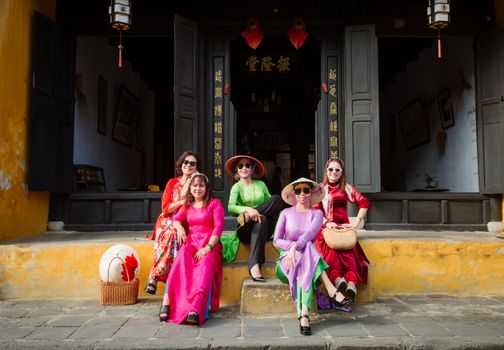
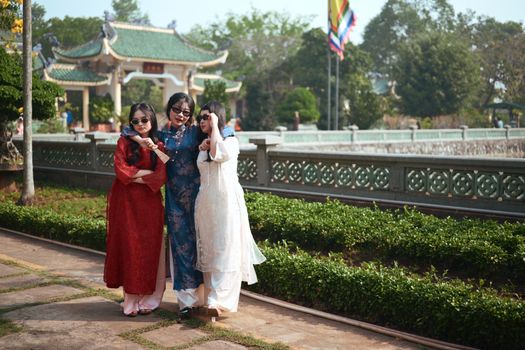
Gone are the days when "modest" meant frumpy. Today, respectful dressing is synonymous with elegance, comfort, and versatility. The fashion world is embracing flowy silhouettes, natural fabrics, and thoughtful layering, making it easier than ever to look chic while adhering to local customs. This trend is driven by a desire for comfort, sustainability, and yes, cultural sensitivity.
What's Trending:
- Maxi Dresses & Skirts: These are your ultimate travel heroes. A lightweight maxi dress in linen or cotton is perfect for hot climates, offers full coverage, and transitions seamlessly from a daytime market stroll to an evening meal. Look for styles with sleeves or pair them with a light cardigan. I picked up a gorgeous batik print maxi dress in Yogyakarta, Indonesia, for about 250,000 IDR (around $17 USD). It was breathable, stylish, and perfect for temple visits.
- Wide-Leg Trousers & Palazzo Pants: Forget restrictive skinny jeans. Wide-leg trousers are comfortable, breathable, and provide excellent coverage. They also look incredibly stylish, especially when paired with a fitted top or a flowing tunic. I recently snagged a pair of vibrant, embroidered palazzo pants in a bustling Bangkok market for 400 THB (about $12 USD), and they became my go-to for visiting temples like Wat Arun.
- Stylish Kimonos & Open Cardigans: These are layering powerhouses. A beautiful, lightweight kimono or a long open cardigan can instantly transform an outfit, adding coverage to sleeveless tops or dresses. They’re also fantastic for sun protection and adding a touch of flair. Brands like ASOS and Zara often have affordable, trending options, or you can find unique, locally made pieces in markets for 15-30 USD, depending on the craftsmanship.
- The Sarong Swirl: This is a classic for a reason and a major trend for practical respectful dressing. Many temples in Southeast Asia (like Bali's Tanah Lot or Cambodia's Angkor Wat) require visitors to wear a sarong (a length of fabric wrapped around the waist) to cover knees. Don't worry if you don't have one; they're often available for rent at entrances for a small fee (e.g., 10,000-20,000 IDR in Bali, or 1-2 USD in Cambodia). Better yet, buy a beautiful one from a local artisan for 5-15 USD – it makes a fantastic souvenir and a versatile travel companion!
Practical Tips:
- Layering is Key: Pack versatile base layers (tanks, t-shirts) and then add light scarves, kimonos, or long-sleeved shirts.
- Fabric Matters: Choose natural, breathable fabrics like linen, cotton, and rayon, especially in hot climates. They dry quickly and feel comfortable.
- Neutrals with Pops of Color: A base of neutral colors allows you to mix and match easily, while vibrant accessories or a single statement piece (like a colorful sarong) can add personality and blend with local aesthetics.
Headscarves & Headwear: More Than Just Religious Adornment
The headscarf has transcended its traditional and religious roles to become a powerful symbol of cultural respect and a chic fashion accessory. While often associated with specific faiths, covering your head in certain contexts is a sign of general reverence and humility in many cultures, regardless of your own beliefs. And the trend? It's all about elegant simplicity and vibrant expression.
What's Trending:
- The Elegant Drape: Simple, flowing scarves in rich colors or subtle patterns are popular. The idea is less about intricate tying and more about a graceful drape that covers the hair, especially when entering mosques or certain churches. I found a stunning silk-blend scarf in Istanbul's Grand Bazaar for about 100 TRY (around $5 USD) that became my go-to for visiting the Blue Mosque and Hagia Sophia. The local women there were so helpful, often offering a quick demo on how to get the perfect drape.
- Turban Chic: While perhaps not for sacred sites, stylish turbans or head wraps are trending as fashion statements in cities like Cape Town, Dakar, and even London, drawing inspiration from African and Caribbean cultures. They offer a fashionable way to cover hair while adding an exotic flair.
- Wide-Brimmed Hats: In many parts of Latin America, a wide-brimmed hat isn't just sun protection; it can be part of traditional attire or simply a respectful nod to local style, especially in rural areas or during festivals.
Practical Tips:
- Always Carry One: A lightweight scarf should be a permanent fixture in your day bag. You never know when you'll encounter a sacred site or a community where it's appreciated.
- Learn a Simple Tie: Practice a basic headscarf wrap beforehand. There are tons of tutorials on YouTube! The goal isn't perfection, but the effort.
- Observe Locals: Pay attention to how local women wear their head coverings. This is your best guide. If a mosque provides scarves at the entrance (which many do, sometimes for a small fee or deposit), don't hesitate to use theirs.
My most memorable headscarf experience was in Oman. Visiting the Sultan Qaboos Grand Mosque in Muscat, I made sure I was fully covered, including a beautiful pashmina over my head. An Omani woman, noticing my effort, approached me with a warm smile and shared stories about her family and the mosque's significance. It was a beautiful, unplanned interaction, all sparked by a simple piece of fabric.
Footwear Finesse: When to Slip On, When to Slip Off
You might not think much about your shoes beyond comfort, but footwear etiquette is a significant part of showing respect in many cultures. The trend here is less about a specific shoe style and more about the ease of removal and the awareness of when to do so.
What's Trending:
- Slip-On Shoes: Loafers, mules, easy-to-remove sandals, or even stylish sneakers without complicated laces are a traveler's best friend. They make the frequent act of removing shoes seamless and less disruptive. Brands like TOMS, Rothy's, or simple leather slides are perfect.
- Stylish Socks: While many places require bare feet, carrying a clean pair of socks is a smart move. In some Japanese temples or traditional homes, you might be asked to remove your shoes but keep your socks on. Plus, they keep your feet clean on potentially dusty temple floors.
Practical Tips:
- Observe Signage & Locals: Look for "no shoes" signs or simply observe if locals are removing their footwear before entering homes, temples, mosques, or even some shops.
- Keep Them Accessible: If you know you'll be removing your shoes frequently, avoid tying them to your backpack or burying them in a large bag.
- Carry a Small Bag: A small reusable bag to stash your shoes in can be handy, especially if you're worried about leaving them unattended or if the shoe rack is overflowing.
I've fumbled with my laces more times than I care to admit! Once, at a beautiful ryokan in Hakone, Japan, I was so focused on admiring the garden that I almost walked straight in with my shoes on. The gentle cough from the host was a polite reminder. Since then, I always pack a pair of stylish slip-on sneakers for days I know will involve many "shoe-off" moments, like exploring the ancient temples of Kyoto or visiting friends' homes in Vietnam.
Swimwear & Beach Etiquette: Beyond the Bikini
The global conversation around swimwear is evolving. While many popular tourist beaches are open to all forms of swimwear, understanding and respecting local norms, especially on public beaches or in more conservative regions, is a growing trend for conscious travelers. It’s about choosing swimwear that fits the context, not just your personal preference.
What's Trending:
- Modest Swimwear: From stylish one-piece suits to full-coverage options like rashguards and board shorts, modest swimwear is becoming increasingly popular. These aren't just for sun protection; they're a respectful choice in many public settings. Brands like Summersalt offer chic one-pieces, while many athletic brands provide fashionable rashguards.
- The Elegant Cover-Up: A beautiful kaftan, a long sarong, or a flowing tunic are essential for moving from the beach or pool to public areas. It's not just about covering up; it's about looking polished and respectful.
Practical Tips:
- Research Your Destination: Before you go, look up photos of local beaches and observe what people are wearing. Is it a mixed crowd of locals and tourists? Are there specific cultural norms for public spaces?
- Pack a Versatile Cover-Up: Have something easy to slip on immediately after swimming, especially if you plan to grab lunch at a beachside cafe or walk through a local village.
- Consider Your Surroundings: If you're staying at a resort with a private beach, a bikini might be fine. But if you're heading to a public beach in a Muslim-majority country (like Malaysia, Turkey, or parts of the Middle East), a one-piece with shorts or a rashguard might be a more appropriate choice. I found myself feeling much more comfortable on the public beaches of Langkawi, Malaysia, in a rashguard and board shorts, especially when interacting with local families enjoying the same beach.
The Power of Local Fashion: Buying & Wearing Ethically
Perhaps one of the most exciting trends in respectful travel is the embrace of local fashion. It's a beautiful way to support local economies, connect with artisan traditions, and incorporate unique, culturally rich pieces into your wardrobe. This isn't just about buying souvenirs; it's about understanding the story behind the garment and wearing it with pride and respect.
What's Trending:
- Artisan-Made Textiles: Seeking out hand-woven, hand-dyed, or hand-embroidered pieces directly from local artisans or ethical co-ops is a huge trend. Think vibrant Guatemalan huipiles, intricate Indian block prints, or beautifully woven Peruvian ponchos.
- Incorporating Local Styles: Don't just buy it; wear it! Incorporating a locally purchased piece into your travel wardrobe shows genuine appreciation. Perhaps a traditional scarf as a shawl, or a beautifully tailored tunic for an evening out.
Practical Tips:
- Seek Out Co-ops & Markets: Bypass the generic tourist shops and head to local markets, artisan co-ops, or fair-trade boutiques. Ask your guesthouse owner or tour guide for recommendations.
- Understand the Craft: Engage with the artisan if possible. Ask about the materials, the process, and the cultural significance of the patterns or colors. This makes the piece even more special.
- Bargain Respectfully: In cultures where haggling is common (like many parts of Asia, Africa, and the Middle East), do so with a smile and good humor. Remember, a few dollars might mean little to you but a lot to the vendor. However, if buying from a co-op or a fixed-price artisan shop, respect the price – it often reflects fair wages.
- Wear it Proudly: When you wear a piece of local fashion, you're not just wearing clothes; you're carrying a story. I once bought a hand-embroidered huipil (traditional blouse) in Oaxaca, Mexico, for about 800 MXN (around $40 USD). The woman who sold it to me explained the meaning of the symbols. Wearing it around town, I received so many warm smiles and nods of approval from locals – it was a true conversation starter and a bridge to deeper connection.
Your Journey, Enriched: The Respectful Traveler's Blueprint
As we wrap up this journey through trending respectful clothing customs, I hope you see that this isn't about rigid rules or sacrificing your personal style. It's about opening yourself up to richer, more authentic travel experiences. It's about making a conscious choice to be a guest, not just an observer.
By embracing modest, versatile fashion, understanding local headwear traditions, perfecting your footwear finesse, being mindful of swimwear etiquette, and celebrating local artisan fashion, you're doing more than just packing smart. You're packing with purpose. You're signaling respect, inviting connection, and ultimately, transforming your trip from a simple vacation into a profound cultural exchange.
So, on your next adventure, think beyond the selfie. Think about the silent conversations your clothing can have, the doors it can open, and the genuine smiles it can invite. Travel responsibly, dress respectfully, and watch as the world opens up to you in ways you never imagined.
What are your favorite respectful travel fashion tips? Share your stories and go-to pieces in the comments below! Let's inspire each other to travel with even more grace and connection. Don't forget to share this post with your fellow wanderlusters using #TripsoraRespectfulStyle!
---