Unlock Secret Style: Clothing Customs Locals Wish Tourists Knew (But Don't Tell You)
I still remember the sting of embarrassment, the kind that makes your cheeks burn even years later. It was my first solo trip to Thailand, and I was buzzing with excitement, ready to explore ancient temples. I’d packed my cutest sundress, a breezy, floral number perfect for the tropical heat. Stepping into Wat Arun, the Temple of Dawn, I was quickly ushered aside by a polite but firm attendant. My dress, while lovely, was deemed inappropriate – shoulders and knees exposed. They handed me a drab, oversized sarong to cover up, and I felt like a brightly colored parrot suddenly draped in a grey sack.
It wasn't just the inconvenience; it was the feeling of having inadvertently disrespected a sacred space, a culture I genuinely wanted to appreciate. That day, I learned a crucial lesson: travel isn't just about seeing new places; it's about understanding and respecting the people who call them home. And sometimes, the most profound lessons come not from what locals tell you, but from what they don’t.
There’s a silent language woven into the fabric of every culture, expressed through the clothes we wear. These aren't always strict rules written in guidebooks; they're subtle cues, deeply ingrained traditions, and expressions of respect that locals simply expect. They won’t usually pull you aside unless absolutely necessary, but your choice of attire can profoundly impact how you're perceived – opening doors to warmer interactions, genuine connections, and experiences far richer than any postcard.
This isn't about ditching your personal style or becoming someone you're not. It's about smart, conscious packing and an awareness that transcends mere fashion. It’s about becoming a traveler, not just a tourist. Ready to decode the unspoken dress codes? Let's dive into the sartorial secrets that locals rarely tell, but always notice.
The Power of the Unspoken Wardrobe: Why Locals Don't Tell You
Imagine someone visiting your home. They wouldn't typically ask if they should take off their shoes, right? You'd just expect it, or perhaps offer a gentle reminder if they forgot. It's the same with many clothing customs around the world. These aren't 'secrets' in a malicious sense; they're simply assumed knowledge, part of the cultural fabric that locals have known since childhood. To them, it's obvious. To us, it's a profound insight into their world.
I recall a small market in Marrakech, bustling with vibrant colors and the scent of spices. I was wearing a loose-fitting, long-sleeved tunic and linen trousers, having spent a week observing how Moroccan women dressed. A stall owner, usually gruff with tourists, offered me mint tea and a genuine smile as I browsed his spices. "You dress well," he said in broken English, "like one of us." It was a small comment, but it felt like a key unlocking a hidden door. I wasn't just a transaction; I was a guest, someone who had made an effort to show respect. That one phrase spoke volumes about the unspoken appreciation for thoughtful attire.
These customs aren't just about avoiding offense; they're about building bridges. When you make an effort, even a small one, it signals respect for their traditions, their values, and their way of life. It tells locals you're not just passing through; you're engaging. And that, my friends, is the bedrock of authentic travel.
Beyond Temples: Modesty in Everyday Life
We often hear about covering up for religious sites, but what about the local market, the family-run restaurant, or just walking through a quiet village? In many parts of the world, modesty isn't reserved for holy places; it's a pervasive cultural value, especially in more conservative societies.
Take Southeast Asia, for example. While cities like Bangkok and Ho Chi Minh City might seem modern and liberal, venture into smaller towns or even certain neighborhoods, and you'll notice a distinct shift. I once visited a small fishing village in Vietnam's Mekong Delta. I'd packed light, airy shorts and sleeveless tops, thinking it was perfectly appropriate for the humidity. The local women, however, were all clad in long trousers and long-sleeved blouses, often with conical hats. While no one said anything, the subtle glances and the slight hesitation in conversations made it clear I was an anomaly. The next day, I bought a lightweight cotton shirt with sleeves and a pair of flowy trousers from a local shop for about 150,000 VND (around $6.50 USD). The immediate difference in interaction was palpable – smiles were warmer, conversations flowed more easily.
Practical Tip: Always carry a lightweight scarf or pashmina. It's a lifesaver for impromptu temple visits, for covering shoulders in a conservative area, or even just for a bit of warmth on a chilly evening. For men, a lightweight long-sleeved shirt and trousers are your best friends in many cultures, even if it's hot. Think breathable fabrics like linen or cotton.
Specific Locations to Consider Modesty:
- Middle East & North Africa (e.g., Morocco, Jordan, Egypt): Covering shoulders, knees, and often elbows for women is highly recommended, especially outside major tourist hubs. Loose-fitting clothing is key. Men should avoid tank tops in public.
- Rural parts of Southeast Asia (e.g., Laos, Myanmar, parts of Indonesia): While cities might be more relaxed, respect local sensibilities in villages.
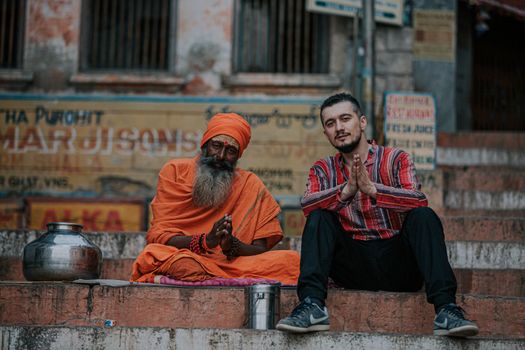
- India: Modest clothing is appreciated, especially for women. Avoid overly revealing tops or short skirts. A kurta (tunic) is a comfortable and respectful choice.
- South America (especially Andean regions): While generally more relaxed, dressing respectfully, especially in smaller towns or during religious festivals, is always a good idea.
Color, Pattern, and Symbolism: More Than Just Fabric
This is where things get truly nuanced, and it’s a level of detail that guidebooks almost never touch upon. Colors and patterns can carry profound cultural significance, often linked to mourning, celebration, status, or even specific spiritual beliefs. Wearing the 'wrong' color at the 'wrong' time can be perceived as anything from a faux pas to outright disrespect.
My friend, a seasoned traveler, once recounted a story from a funeral procession she stumbled upon in a small village in Bali. She was wearing a vibrant red sarong, thinking it was festive. Later, her Balinese guide gently explained that while red is a powerful, auspicious color in many contexts, for funerals, white or black are traditionally worn. Her intention was good, but her attire was culturally dissonant.
In many parts of India, white is traditionally associated with mourning, particularly for widows, so wearing it to a joyous celebration might feel out of place. Conversely, bright, celebratory colors like red, gold, and vibrant blues are cherished for weddings and festivals. In some African cultures, specific patterns or color combinations in traditional fabrics like kente or ankara can denote social status, tribal affiliation, or even tell a story. While tourists aren't expected to fully understand these intricate codes, a little research can go a long way.
Practical Tip: Before traveling to a new region, especially for specific events or during national holidays, do a quick search for "cultural significance of colors in [country/region]" or "traditional dress [country/region]." You don't need to adopt the full traditional attire, but being aware of colors to avoid or embrace can be incredibly insightful. If you're unsure, neutral tones (earth tones, muted blues, greens) are usually safe bets.
The Art of Blending In (or Not Standing Out): Avoiding the "Tourist Uniform" Trap
Let's be honest, we all know the "tourist uniform": cargo shorts, a bright graphic t-shirt, a baseball cap, and chunky sneakers. While comfortable, this ensemble often screams "I'm a visitor!" and can sometimes create a barrier between you and the local experience. It's not about being a fashionista; it's about being contextually aware.
I learned this lesson acutely in Paris. My first visit, I was all about comfort: athletic shorts, a bright blue t-shirt, and my trusty running shoes. Everywhere I went, I felt like I was wearing a giant neon sign that said, "Please, overcharge me!" Locals, even in casual settings, had an effortless chic about them. Later, after observing for a few days, I swapped my athletic gear for dark jeans, a simple button-down shirt, and leather sneakers. Suddenly, the stares lessened, waiters were friendlier, and I felt less like an outsider. It wasn't about expensive clothes, but about presenting myself in a way that aligned more with the local aesthetic – respectful, understated, and put-together.
Practical Tip: Observe. Before you even unpack, take a walk around. What are locals wearing in similar settings (e.g., cafes, markets, parks)? Aim for respectful comfort. Pack versatile items that can be mixed and matched. Think natural fabrics, neutral colors, and classic cuts. Avoid overly branded clothing, loud patterns (unless culturally appropriate), and anything that feels too revealing or sloppy for the local context. A simple pair of dark trousers or a modest skirt can be dressed up or down.
Locations where blending in is appreciated:
- European Cities (e.g., Paris, Rome, Barcelona): Smart casual is often the default, even for everyday errands.
- Japan: While personal style is diverse, avoiding overly flashy or revealing attire, especially in more traditional areas, is key.
- Anywhere you want to avoid being an obvious target for touts or scammers: Blending in reduces your visibility as an easy mark.
Footwear Faux Pas: The Ground Rules of Respect
We often focus on what we wear on our bodies, but what about our feet? Footwear customs are incredibly important in many cultures and are often among the first things locals notice. Getting this wrong can be a significant misstep.
The most common rule is, of course, removing shoes before entering homes, temples, mosques, and sometimes even certain shops or guesthouses. This is deeply rooted in traditions of cleanliness and respect for sacred or private spaces. I've been caught off guard more than once, fumbling with laces while a line of patient locals waited. Now, I always pack easy slip-on shoes or sandals for destinations where this is common.
In Japan, for instance, not only do you remove your shoes before entering homes or traditional ryokans, but you might also be provided with specific house slippers. Wearing these house slippers into the bathroom, however, is another faux pas; you'll find another pair of slippers specifically for the bathroom! It's a subtle system of respect and hygiene that, once understood, makes perfect sense.
Practical Tip:
- Invest in slip-on shoes: Loafers, comfortable sandals, or even stylish slip-on sneakers are ideal.
- Always check: Look for shoe racks outside doorways, or simply observe what locals are doing. If in doubt, ask, "Shoes off?" (or the local equivalent).
- Keep socks clean: If you're going to be taking your shoes off frequently, make sure your socks are clean and presentable. No one wants to see dirty feet or holey socks!
Locations where footwear customs are crucial:
- Southeast Asia (especially temples): Thailand, Cambodia, Laos, Vietnam.
- Japan: Homes, ryokans, traditional restaurants, some temples.
- Middle East & North Africa: Mosques, homes.
- India: Temples, homes.
The "Tourist Uniform" Trap: Why It's More Than Just Style
Let's circle back to that "tourist uniform." It's not just about looking different; it's about the assumptions it can trigger. When you dress in a way that's overtly "touristy" – think loud Hawaiian shirts in a non-beach setting, excessive camera gear strapped to every limb, or clothing that's too casual for the local standard – you can inadvertently create a barrier.
Locals might perceive you as:
- An easy target for scams: Obvious tourists are often seen as less aware, carrying more cash, and less likely to understand local nuances.
- Uninterested in their culture: Dressing in a way that ignores local customs can signal a lack of effort or respect.
- Someone who expects to be served/catered to: This can lead to a transactional relationship rather than a genuine connection.
I once saw a group of tourists in Rome, wearing bright athletic wear and fanny packs, loudly complaining about the heat outside a beautiful basilica. Meanwhile, locals walked by in effortlessly chic, light linen outfits, seemingly unbothered. The contrast was stark. It wasn't just about fashion; it was about integration, about respecting the context of a historic city, not just a theme park.
Practical Tip: Aim for respectful comfort, not just comfort. Your travel wardrobe should be functional but also culturally sensitive. Think about versatility: can that linen shirt be worn to a temple and a nice dinner? Can those comfortable trousers work for a long walk and a market visit? Invest in a few key pieces that are breathable, quick-drying, and versatile. And yes, a stylish, modest swimsuit for beach destinations is fine, but don't wear it to dinner unless you're literally on the sand.
The Ultimate Takeaway: Respect is the Best Accessory
Understanding and respecting local clothing customs isn't about conforming to every single rule or sacrificing your comfort. It's about demonstrating humility, showing that you value the culture you're immersing yourself in. It's about opening yourself up to richer, more authentic interactions.
When you make that effort, even in a small way – by covering your shoulders in a village market, opting for muted tones in a conservative area, or simply taking off your shoes before entering a home – you're sending a powerful message. You're saying, "I see you. I respect you. I want to learn from you." And that, my fellow travelers, is the secret language that unlocks the true magic of the world.
So, on your next adventure, pack with purpose. Observe with intention. And remember that sometimes, the most profound connections are made not with words, but with the silent, respectful language of your wardrobe.
What's your most memorable clothing custom experience? Share your stories and tips in the comments below! And don't forget to share this post with your fellow wanderlusters – let's inspire more respectful, enriching travels!
---