The Hook: My First Sip of True Origin
I stepped off the rickety bus, the air thick with the sweet, earthy perfume of roasting beans and something else… a hint of damp earth, a whisper of distant blossom. It was 6 AM, and the mist still clung to the emerald slopes of the Andes, painting the world in soft, dreamy hues. This wasn’t just a coffee farm; this was where the magic began. The sound of distant machetes, a rhythmic thwack-thwack, punctuated the morning quiet, a soundtrack to the awakening of a plantation that promised more than just a caffeine fix – it promised a story, a connection, a taste of pure origin. This year, for the true coffee enthusiast, the most extraordinary journeys are unfolding on the fringes, on tours that are shedding the tourist veneer and embracing raw, authentic experiences.
Beyond the Bean: Why This Year is Different
For too long, "coffee tours" have meant a quick stop, a rushed tasting, and a gift shop brimming with mass-produced souvenirs. But the tides are turning. Emerging this year are tours that cater to the true enthusiast – the one who understands the nuanced difference between a washed and a natural process, who appreciates the terroir that shapes a bean, and who craves a genuine connection with the people and the land that bring coffee to life. These aren't just tours; they are pilgrimages. They are about understanding the why behind your morning cup, not just the what.
The Rise of the Micro-Lot Experience
Forget sprawling estates with hundreds of visitors. The real buzz is around micro-lot tours. These are intimate, often family-run operations, where you're not just an observer, but a temporary member of the coffee community. You'll witness firsthand the meticulous care that goes into cultivating small, exclusive batches of beans, often experimenting with unique varietals and processing methods. Think of it as a tasting menu for coffee, but with the added dimension of seeing the chef at work.
Unearthing Hidden Gems: Destinations You Need to Know
This year, the spotlight is shifting to regions and farms that have historically flown under the radar, offering unparalleled authenticity.
1. The Secret Slopes of Northern Colombia
While Huila and Eje Cafetero get the lion's share of attention, the lesser-known regions of Antioquia's northern mountains are where the real discoveries are happening. Here, generations of coffee knowledge are passed down, and smallholder farmers are increasingly opening their doors to discerning travelers.
- What to Expect: Expect to walk amongst Caturra and Castillo varietals thriving in rich volcanic soil. You'll learn about the "beneficio" process from the farmers themselves, often seeing traditional sun-drying patios and understanding the art of honey processing. The air here is crisp, and the views are simply breathtaking.
- Pro-Tip: Look for tours that focus on the "cultivo de sombra" (shade-grown) practices. These farms often boast incredible biodiversity, and the coffee produced is incredibly complex.
2. The Untamed Highlands of Eastern Ethiopia
Ethiopia, the birthplace of coffee, is always a must-visit, but this year, focus your gaze eastward. The Harrar region, historically known for its wild, dry-processed beans, is seeing a resurgence of interest in small, artisanal farms that are preserving ancient traditions.
- What to Expect: Imagine stepping into a landscape dotted with Acacia trees and native flora, where coffee cherries dry naturally under the vast African sky. You'll likely encounter Heirloom varietals that have been cultivated for centuries. The tasting notes are often wild berry, wine-like, and intensely floral. It's a sensory overload in the best possible way.
- Insider Lingo: Ask about the "Teff" and "Enset" intercropping common in this region. It’s a fascinating insight into sustainable, multi-crop farming.
3. The Misty Valleys of Rural Vietnam
While Vietnam is famous for its robusta, a quiet revolution is brewing in the Central Highlands, particularly around Da Lat. Here, innovative farmers are experimenting with Arabica varietals and embracing specialty processing methods.
- What to Expect: Picture rolling hills shrouded in mist, with rows of Bourbon and Typica varietals. You'll learn about washed processing applied with a modern touch, and the unique "wet-hulled" method that Vietnam is known for, but with a focus on quality control. The coffee often exhibits notes of chocolate, caramel, and a pleasant acidity.
- Pro-Tip: Seek out tours that include a visit to a local coffee roaster in Da Lat. They're often at the forefront of the specialty coffee scene and can offer incredible insights.
The Immersive Experience: What True Enthusiasts Crave
These emerging tours go beyond a simple walk-through. They offer a deep dive into every facet of coffee production.
From Seed to Sip: Hands-On Learning
- Planting & Cultivation: Get your hands dirty! Many tours now include opportunities to plant seedlings or learn about pruning techniques directly from the farmers.
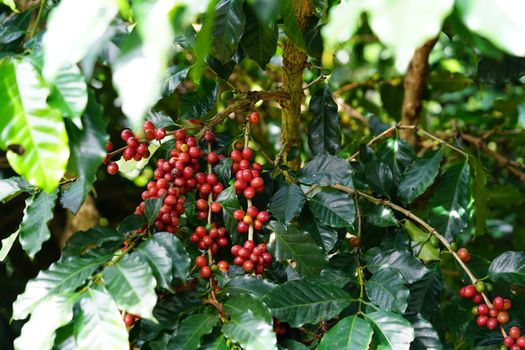
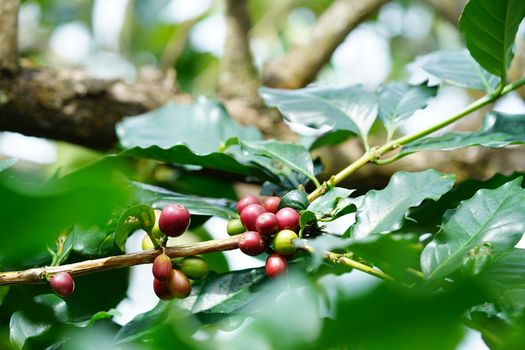
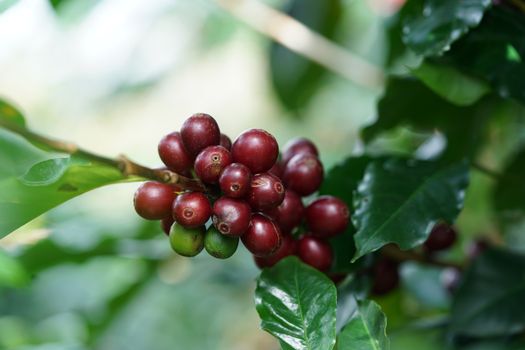
- Harvesting: Experience the thrill of picking ripe coffee cherries. Understand the labor-intensive nature of this crucial step and the skill involved in selecting only the best cherries.
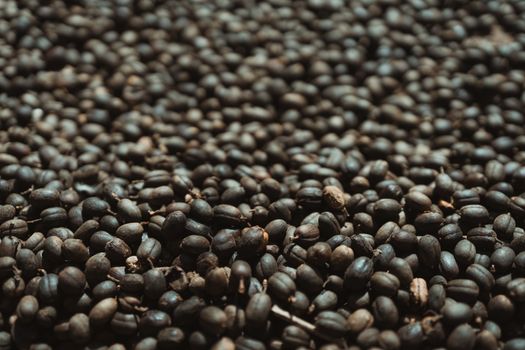
- Processing: Witness the magic of washing, natural, and honey processing firsthand. Learn how these methods dramatically impact the final flavor profile. You might even get to sort beans or help with drying.
- Roasting & Cupping: This is where the science meets the art. Participate in guided cupping sessions, learning to identify subtle flavor notes, aromas, and body. Some tours even allow you to experiment with roasting profiles under expert guidance.
The Culture of Coffee: More Than Just a Drink
- Local Traditions: Understand how coffee is woven into the fabric of daily life. You might be invited to share a traditional coffee ceremony or learn about local recipes that incorporate coffee.
- Community Connection: These tours often foster genuine connections with the farming families. You'll hear their stories, understand their challenges, and appreciate the passion that drives them.
- Sustainability & Ethics: A key differentiator of these emerging tours is a strong focus on sustainable practices and ethical sourcing. You'll learn about fair wages, environmental stewardship, and the direct trade relationships that benefit everyone in the supply chain.
Planning Your Coffee Pilgrimage: Quick Facts
| Feature | Northern Colombia | Eastern Ethiopia | Rural Vietnam (Da Lat) | | :--------------- | :------------------------- | :------------------------- | :----------------------- | | Estimated Cost | $150 - $300 per day | $200 - $400 per day | $100 - $250 per day | | Best Time to Visit | May - October (dry season) | November - February (dry season) | November - April (dry season) | | How to Get There | Fly into Medellín (MDE), then bus/private transfer. | Fly into Addis Ababa (ADD), then domestic flight to Harar or Jijiga, followed by car. | Fly into Ho Chi Minh City (SGN) or Da Nang (DAD), then bus/train/flight to Da Lat. | | Accommodation | Fincas (coffee farms), eco-lodges. | Guesthouses, traditional homestays. | Boutique hotels, homestays. | | Must-Try Varietals | Caturra, Castillo, Colombia | Heirloom varietals (e.g., Tigray) | Arabica (Bourbon, Typica), Robusta (for blends) |
Pro-Tips for the Discerning Traveler
- Book in Advance: These intimate tours have limited spots. Secure your place months ahead.
- Learn Basic Phrases: A few words in the local language go a long way in building rapport with farmers.
- Pack Light, Pack Smart: Comfortable walking shoes, sun protection, and insect repellent are essential.
- Bring a Journal: You’ll want to capture every detail, from tasting notes to farmer anecdotes.
- Respect the Land & People: Be mindful of local customs and environmental practices.
- Be Open to the Unexpected: The most rewarding experiences often come from spontaneous moments and genuine interactions.
- Consider Direct Trade: If a tour offers direct trade opportunities, embrace it. It's a powerful way to support the farmers.
The Future of Coffee Tourism
This year marks a significant shift in coffee tourism. It's no longer about passive observation, but active participation. It’s about understanding the intricate journey of the bean and forging a deeper appreciation for the craft. These emerging tours are for those who believe coffee is more than just a beverage; it's a culture, a livelihood, and a passion. So, pack your bags, sharpen your palate, and prepare to embark on a coffee adventure that will redefine your relationship with your daily brew.