The Allure of the Bean: My March 2026 Coffee Pilgrimage Begins
I stepped off the rickety local bus, the scent of damp earth and something intoxicatingly sweet hitting me like a warm hug. It wasn't just any sweetness; it was the unmistakable aroma of ripe coffee cherries, mingling with the faint, smoky whisper of a distant roasting fire. The air in the Colombian highlands hummed with a gentle rhythm – the distant chatter of workers, the rustle of leaves, and the soft, percussive drip of dew from broad, emerald coffee plants. This was it. My March 2026 pilgrimage to the heart of coffee country was officially underway, and the promise of truly immersive, enthusiast-level plantation tours hung heavy and delicious in the air. Forget the mass-produced, watered-down experiences; I was here for the raw, authentic, and utterly unforgettable.
Beyond the Brew: Why March 2026 is Your Coffee Nirvana
March is a sweet spot for the serious coffee lover. It’s a time when many key coffee-growing regions are transitioning between harvest seasons or are in the lush, vibrant growth phase, offering distinct and captivating experiences. The crowds of peak tourist seasons have thinned, leaving you with a more intimate connection to the land and its people. This is when the real magic happens – when you can witness the meticulous care that goes into cultivating those precious beans, from the delicate blossom to the perfectly ripe cherry.
The Global Coffee Calendar: Where to Be in March
While coffee grows year-round in various microclimates, March offers a unique confluence of ideal conditions in several of the world's most revered coffee territories.
- Colombia: March often marks the tail end of the primary harvest in many regions, meaning you can still witness some of the action, and importantly, the aftermath – the drying and processing stages are in full swing. The lush greenery post-rainy season is spectacular.
- Costa Rica: This is a fantastic time for Costa Rica. While the main harvest might be winding down, many smaller farms are still processing, and the country is bursting with life. The "Tarrazú" region, in particular, is a must-visit.
- Ethiopia: The birthplace of coffee! March falls within the dry season for many key growing areas like Sidamo and Yirgacheffe, offering excellent conditions for visiting and experiencing traditional coffee ceremonies.
- Indonesia (Sumatra): March can be a transition month, but the unique "wet-hulled" (Giling Basah) process is fascinating to witness year-round, and the landscapes are always dramatic.
Unearthing the Secrets: Insider Coffee Plantation Tours
The difference between a good coffee tour and a truly great one lies in access and depth. As an enthusiast, you’re not just looking to see coffee; you’re looking to understand it. This means getting your hands dirty, engaging with the farmers, and tasting the nuances that define a specific terroir.
The "Bean-to-Cup" Immersion: More Than Just a Walk
Forget the sterile, paved pathways. True enthusiast tours dive deep into the entire lifecycle of the coffee bean.
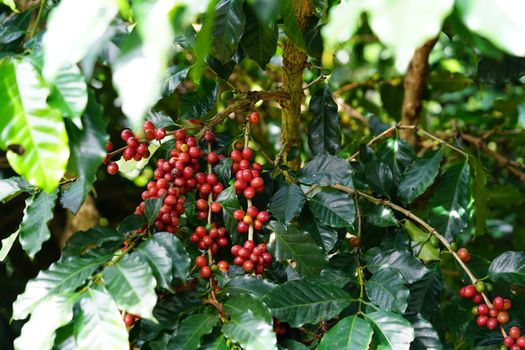
- The Farm Walk: This is where the education begins. I’m talking about walking through rows of shade-grown trees, learning to distinguish between different varietals by leaf shape and berry color. A true guide will point out the microclimates that influence flavor, the symbiotic relationships with other plants, and the organic pest control methods.
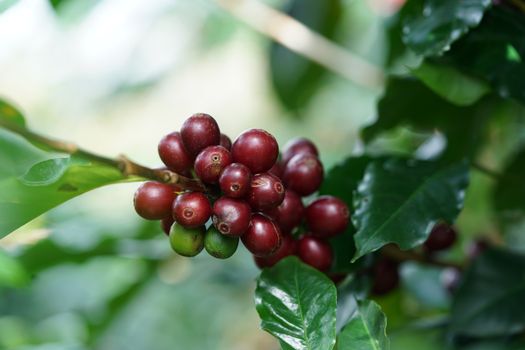
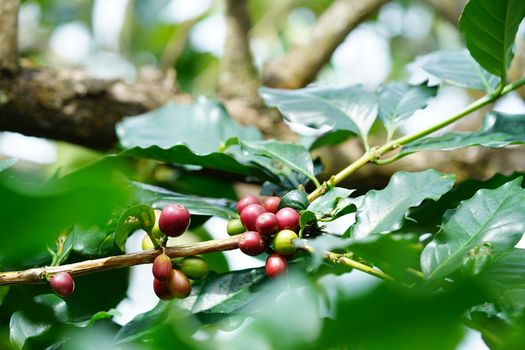
- Pro-Tip: Ask your guide to show you how to identify ripe cherries. It’s an art, and you’ll be surprised by the subtle cues.
- The Harvest Experience: If you’re lucky enough to catch a harvest (even a late one in March), it’s magical. Participating, even in a small way, in picking the ripe cherries gives you an unparalleled appreciation for the labor involved.
- Insider Lingo: Listen for terms like "strip picking" (all cherries removed at once) versus "selective picking" (only ripe cherries). The latter is key for specialty coffee.
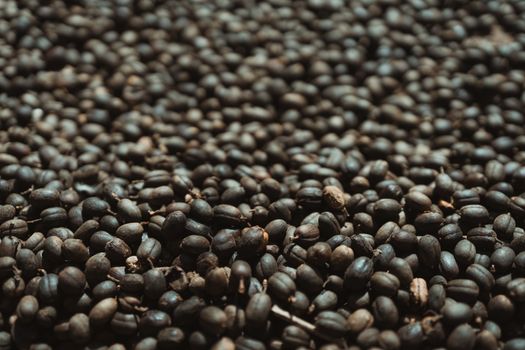
- Processing: The Art of Transformation: This is where so much of a coffee's character is born. You'll witness the journey from cherry to green bean.
- Washed Process: Cherries are pulped, fermented in water to remove mucilage, then washed. This typically results in a cleaner, brighter cup.
- Natural Process: Cherries are dried whole, allowing the fruit to impart sweetness and complex fruity notes to the bean.
- Honey Process: A hybrid where some of the mucilage is left on the bean during drying, resulting in a sweetness that’s somewhere between washed and natural.
- Pro-Tip: Many smaller farms will have unique, proprietary processing methods. Don't hesitate to ask about their specific techniques.
- Roasting & Cupping: The Grand Finale: This is where you taste the results of all that hard work. A good enthusiast tour will include a hands-on roasting experience (even a small sample roast) and a professional cupping session.
- Insider Lingo: Pay attention to terms like "first crack," "second crack," and the "aroma wheel" used in cupping.
Cultivating Connections: Beyond the Farm Gates
The most memorable coffee tours are those that connect you to the community. Look for experiences that involve:
- Meeting the Farmers: Genuine conversations are gold. Understanding their challenges, their passion, and their heritage is what elevates the experience.
- Local Cuisine: Many tours will include a traditional meal prepared with local ingredients. This is your chance to taste the region’s flavors, often paired with freshly brewed coffee, of course.
- Community Projects: Some forward-thinking farms are involved in sustainable practices or community development. Learning about these initiatives adds a layer of ethical appreciation.
Crafting Your Perfect March 2026 Coffee Itinerary: A Pro-Tips Guide
Planning is key to unlocking these exclusive experiences. Don't just book the first tour you find.
Navigating the Logistics: Quick Facts for the Discerning Traveler
| Feature | Estimated Cost (USD) | Best Time to Visit (March) | How to Get There (General) | | :--------------- | :------------------- | :------------------------- | :-------------------------------------------------------- | | Colombia | $150 - $500+ (per day, incl. accommodation/tours) | Early to Mid-March | Fly into Medellín or Pereira, then local transport/private driver. | | Costa Rica | $120 - $400+ (per day) | Mid-March | Fly into San José, then shuttle or rental car to Tarrazú region. | | Ethiopia | $100 - $300+ (per day) | Mid-March | Fly into Addis Ababa, then domestic flights or organized tours. | | Indonesia | $80 - $250+ (per day) | Any time in March | Fly into Medan (Sumatra), then local transport. |
Note: Costs are estimates and can vary significantly based on the exclusivity of the tour, accommodation choices, and length of stay.
Securing Your Spot: The Art of the Advance Booking
- Research Niche Operators: Look for boutique travel agencies specializing in coffee tourism or sustainable agriculture. They often have access to smaller, more exclusive farms.
- Direct Farm Contact: If you find a specific farm you admire, check their website or social media for direct booking options or recommended tour partners.
- Join Coffee Communities: Online forums and social media groups for coffee enthusiasts are excellent places to get insider tips and recommendations.
- Consider a Private Guide: For the ultimate personalized experience, hire a local coffee expert or guide who can curate your journey and grant you access to places not open to the general public.
Authenticity is Key: What to Look For (and Avoid)
As a seasoned traveler, I’ve learned to spot the genuine article.
The Hallmarks of a True Enthusiast Tour:
- Small Group Sizes: Intimate experiences are paramount. You want to feel connected, not lost in a crowd.
- Knowledgeable Guides: They should be passionate, articulate, and able to answer your deepest coffee questions. Look for guides who are farmers themselves or have deep roots in the coffee community.
- Hands-On Opportunities: Beyond just looking, you should be able to participate. This could be pruning, picking, or even helping with a small batch roast.
- Emphasis on Terroir and Varietal: A good tour will explain why the coffee tastes the way it does, linking it to the soil, altitude, climate, and specific coffee varietal.
- Transparency in Processing: They should be open and detailed about their washing, drying, and milling methods.
- Focus on Sustainability: True enthusiasts care about the ethical and environmental impact of their coffee. Look for farms employing sustainable practices.
Red Flags to Watch Out For:
- Overly Commercialized Setups: If it feels like a theme park with staged demonstrations, it’s probably not for you.
- Generic Information: If the guide just recites facts from a brochure without passion or personal insight, move on.
- Lack of Interaction: If you’re just shuttled from point A to point B with no opportunity to ask questions or engage, it’s a missed opportunity.
- Unrealistic Promises: Be wary of tours that promise celebrity encounters or impossible levels of access without proper context.
My Personal Picks for March 2026 (Shhh!)
While I can’t reveal every secret, here are a few types of experiences that consistently blow me away and that I’m actively seeking out for March 2026:
- The Legacy Farm (Colombia): I’m talking about a multi-generational family farm where they still use traditional methods, perhaps with a small, state-of-the-art processing facility alongside. The stories these farms hold are incredible.
- The Experimental Micro-Lot (Costa Rica): These are the innovators, playing with new varietals, experimental processing methods (like anaerobic fermentation), and pushing the boundaries of flavor.
- The Ancestral Ceremony (Ethiopia): Experiencing a traditional coffee ceremony in a rural village is profoundly moving. It’s not just about the coffee; it’s about community, hospitality, and deep-rooted tradition.
- The Volcanic Soil Specialist (Sumatra): The unique terroir of volcanic soil in Sumatra creates coffees with a distinct earthiness and body that’s unlike anywhere else. Tours here often involve rugged landscapes and incredible resilience.
The Final Sip: Your Coffee Journey Awaits
March 2026 is more than just a date on the calendar; it’s an invitation. An invitation to step away from the ordinary and dive headfirst into the extraordinary world of coffee. These aren't just tours; they are sensory expeditions, cultural immersions, and a chance to connect with the very essence of one of the world's most beloved beverages. So, pack your bags, bring your curiosity, and prepare to taste the difference that true passion makes. Your ultimate coffee adventure awaits.