Voluntourism That Actually Helps Communities in March 2026: Your Definitive Guide
I stepped off the rickety bus, the air thick with the sweet, earthy scent of woodsmoke and something I couldn't quite place – perhaps a blend of drying herbs and the distant aroma of freshly baked bread. The late afternoon sun, a warm honey glow, painted the ochre-dusted walls of the village in shades of amber and rose. Children, their laughter like tiny bells, chased a scruffy dog down a narrow, winding lane, their bare feet kicking up dust. This wasn't just a pretty postcard; this was the tangible pulse of a community, a place where my presence, and the presence of fellow travelers like me, could be more than just a fleeting photo opportunity. It could be a catalyst for genuine, sustainable change.
The term "voluntourism" has, for too long, been a double-edged sword. While the intention is often noble, the execution can sometimes fall short, leaving well-meaning travelers with a sense of unease and communities with little tangible benefit. But in March 2026, we're shifting gears. We're focusing on voluntourism that is deeply rooted in community needs, driven by local leadership, and designed for lasting impact. This isn't about building a school overnight and leaving; it's about contributing to projects that are already in motion, supporting local economies, and fostering genuine cultural exchange.
The Rise of Ethical Voluntourism: Why March 2026 is Your Year
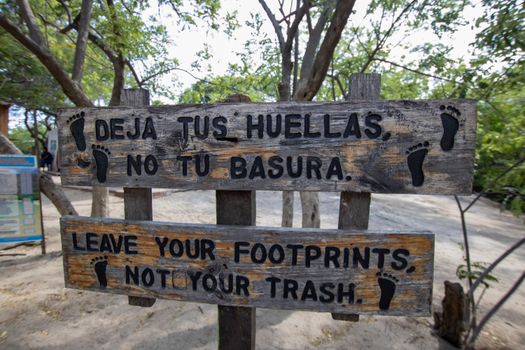
The world is waking up. Travelers are no longer content with passive sightseeing. They crave connection, purpose, and the knowledge that their journey leaves a positive footprint. March 2026 presents a sweet spot for this kind of travel. The weather in many key regions is ideal for outdoor projects, and the global consciousness around sustainable and ethical practices is at an all-time high. We're moving beyond the "savior complex" and embracing a model of partnership and empowerment.
Why March 2026?
- Favorable Weather: Many of our featured destinations experience pleasant, dry seasons in March, perfect for outdoor conservation, construction, or agricultural projects.
- Reduced Crowds: Post-holiday, pre-summer break means fewer tourists, offering a more authentic and intimate experience with local communities.
- Growing Ethical Frameworks: Organizations are increasingly adopting rigorous ethical guidelines, ensuring your contribution is truly beneficial.
Finding Projects That Truly Empower: Beyond the Orphanage Trap
The most critical aspect of impactful voluntourism is ensuring your efforts align with genuine community needs. This means moving away from projects that might inadvertently create dependency or disrupt local economies. Instead, we're looking at initiatives that:
- Support Local Businesses: Volunteering at a community-run ecotourism lodge, helping a local cooperative market its crafts, or assisting with sustainable farming practices directly injects funds and provides employment.
- Empower Local Leadership: Projects should be initiated and led by community members. Your role is to provide support, skills, or resources as requested, not to dictate the agenda.
- Focus on Sustainability: Conservation efforts, renewable energy projects, and initiatives that promote long-term environmental health are crucial.
Pro-Tip: Always ask: "Who initiated this project? What are the community's long-term goals for it? How does my involvement contribute to those goals?" If the answers aren't clear or community-driven, it's a red flag.
Case Study: The Spice Route Revitalization in Zanzibar
Imagine the scent of cloves and cinnamon wafting through the air, mingling with the salty tang of the Indian Ocean. Zanzibar, a jewel in the Indian Ocean, is a place steeped in history and natural beauty. However, many of its traditional spice farms, the backbone of its economy for centuries, are struggling.
The Project: The "Zanzibar Spice Legacy" initiative, a community-led project, aims to revive traditional spice farming techniques, promote sustainable agricultural practices, and create direct market access for local farmers. Travelers can get involved in several ways:
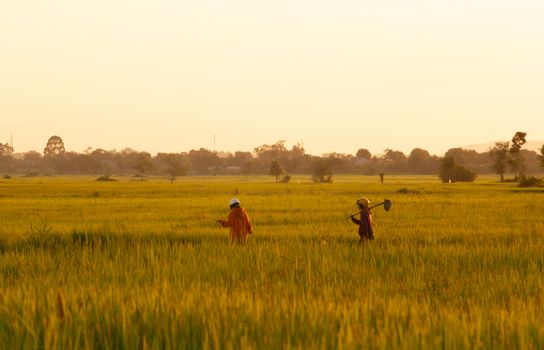
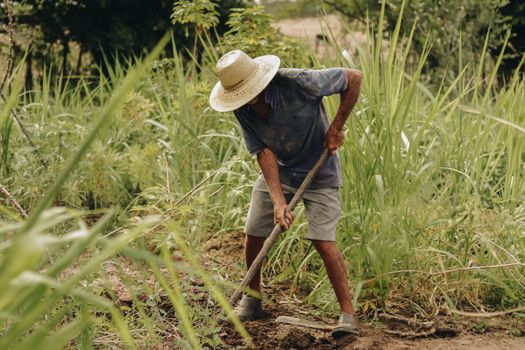
- Assisting with Organic Farming: Helping to plant, tend, and harvest spices using traditional, organic methods. This involves learning about companion planting, natural pest control, and soil enrichment.
- Developing Eco-Tourism Trails: Working with local guides to map and improve walking trails through spice plantations, creating opportunities for educational tours that benefit the farmers directly.
- Marketing and Storytelling: Using your skills in photography, writing, or social media to help document the process, share the stories of the farmers, and promote the unique quality of Zanzibari spices to a global audience.
Authenticity Check: This project is spearheaded by the Zanzibar Association of Farmers. Your contribution directly supports their efforts to preserve their heritage and improve their livelihoods. You'll be working alongside local farmers, learning their techniques, and sharing meals in their homes.
Pro-Tip: Visit the local market in Stone Town at 7 AM to see the freshest produce and chat with farmers before they head out to their plots. The hidden entrance to the spice farm cooperative is behind the vibrant blue door near the old fort.
Conservation in the Cloud Forests of Costa Rica
Costa Rica is synonymous with biodiversity, and its cloud forests are a treasure trove of unique flora and fauna. However, habitat loss and climate change pose significant threats.
The Project: The "Monteverde Cloud Forest Guardians" program focuses on reforestation, wildlife monitoring, and community education. This is a hands-on opportunity to directly contribute to preserving one of the planet's most biodiverse ecosystems.
- Reforestation Efforts: Participating in tree planting drives, focusing on native species crucial for the cloud forest ecosystem. This involves learning about the specific needs of different trees and the best planting techniques.
- Wildlife Monitoring: Assisting local researchers in tracking and documenting wildlife populations, from the resplendent quetzal to elusive amphibians. This might involve setting up camera traps, conducting transect surveys, or identifying animal tracks.
- Environmental Education Workshops: Helping to develop and deliver educational materials for local schools and communities about conservation and the importance of the cloud forest.
Authenticity Check: This program is a collaboration between local conservation NGOs and the Monteverde community. It's managed by biologists and environmental educators who are deeply committed to the region. You'll be staying in eco-lodges run by local families, and your fees directly support conservation efforts.
Pro-Tip: The best time for birdwatching is early morning, just as the mist begins to lift. Look for the bright flashes of color from the toucans and the elusive shimmer of hummingbird wings. The trail to the primary research station is marked by a small, hand-painted sign depicting a sloth.
Supporting Artisanal Crafts in the Peruvian Andes
The Andes are home to ancient traditions of weaving and textile artistry. However, mass-produced goods and changing economic landscapes threaten the survival of these intricate crafts.
The Project: The "Andean Threads Collective" is a grassroots initiative empowering indigenous weaving communities in the Sacred Valley. The focus is on preserving traditional weaving techniques, promoting fair trade for artisans, and developing sustainable tourism experiences around their craft.
- Weaving Workshops: Participating in workshops led by master weavers, learning about natural dyeing techniques using local plants and the symbolic meanings behind the intricate patterns.
- Market Access Support: Assisting the collective in developing online platforms or connecting with ethical retailers to expand the market reach for their handcrafted textiles.
- Cultural Exchange Programs: Helping to organize and facilitate homestays and cultural immersion experiences that allow visitors to learn directly from the artisans about their way of life.
Authenticity Check: This initiative is entirely community-driven, with the weavers themselves making all key decisions. Your involvement directly supports their economic independence and the preservation of their cultural heritage. You'll be staying in homestays with families, sharing their meals, and witnessing their daily lives.
Pro-Tip: Visit the Pisac market on a Tuesday, Thursday, or Sunday for the most vibrant atmosphere. The best time to see the weavers at work is during the mid-morning, when the sunlight streams into their communal workshops. The entrance to the cooperative's main studio is marked by a striking, hand-woven banner depicting a condor.
Quick Facts: Impactful Voluntourism in March 2026
| Feature | Zanzibar Spice Legacy | Monteverde Cloud Forest Guardians | Andean Threads Collective | | :---------------------- | :------------------------------ | :-------------------------------- | :---------------------------- | | Estimated Cost ($) | $500 - $1200 (per week) | $600 - $1500 (per week) | $400 - $1000 (per week) | | Best Time to Visit | March - May, Sept - Nov | March - May, Dec - Feb | March - May, Sept - Oct | | How to Get There | Fly to Zanzibar (ZNZ) | Fly to San José (SJO), then bus/shuttle | Fly to Cusco (CUZ), then train/bus | | Accommodation | Homestays, Eco-lodges | Eco-lodges, Guesthouses | Homestays, Guesthouses | | Typical Projects | Farming, Eco-tourism, Marketing | Reforestation, Wildlife Monitoring, Education | Weaving, Fair Trade, Cultural Exchange |
The Insider's Guide to Ethical Volunteering
1. Do Your Homework (Relentlessly): This is non-negotiable. Research the organization thoroughly. Look for transparency in their finances, clear project goals, and evidence of community involvement. Check for accreditations or partnerships with reputable local NGOs.
2. Skills, Not Just Smiles: While enthusiasm is great, consider what skills you can genuinely offer. Are you a carpenter, a teacher, a nurse, a marketer, a photographer? Match your skills to the project's needs. If you don't have a specific skill, your willingness to learn and help with manual labor is still valuable.
3. Embrace the Local Pace: Things might move slower than you're used to. Patience, flexibility, and a willingness to adapt are key. Remember, you are a guest, and your role is to support, not to rush or impose your own timelines.
4. Learn the Language (Even a Little): A few basic phrases in the local language can go a long way in building rapport and showing respect. Even a "hello" (Habari in Swahili, Hola in Spanish) can open doors.
5. Pack Light, Pack Smart: Focus on practical, durable items. Biodegradable toiletries, reusable water bottles, and sturdy walking shoes are essential. Avoid bringing anything that could be seen as a handout, unless specifically requested by the organization for a particular project.
6. Be a Learner, Not a Savior: Approach the experience with humility and a genuine desire to learn from the community. Your perspective is valuable, but so is theirs. Listen more than you speak.
7. Sustainable Souvenirs: When purchasing souvenirs, buy directly from artisans or community cooperatives. This ensures your money goes directly to the people who made the crafts and supports their livelihoods.
The Ripple Effect: Your Impact Beyond Your Trip
Voluntourism, when done ethically, creates a powerful ripple effect. Your contribution doesn't just help a community for the duration of your stay; it can provide sustainable income streams, preserve cultural heritage, protect natural resources, and empower local individuals. You become an ambassador for responsible travel, inspiring others to connect with the world in a more meaningful way.
In March 2026, let your wanderlust be guided by purpose. Choose voluntourism that genuinely helps, where your time and energy are a catalyst for positive, lasting change. The world is waiting for you to contribute, connect, and make a real difference.