Voluntourism That Actually Helps Communities This Winter: Your Definitive Guide
I stepped off the overnight train, the crisp winter air biting at my cheeks, carrying with it the faint, intoxicating scent of woodsmoke and something vaguely spicy – cardamom, perhaps? The pre-dawn light was a soft, hazy grey, just beginning to paint the edges of the terracotta rooftops in a nearby village. This wasn't just a vacation; it was an immersion, a chance to connect, and to contribute in a way that felt profoundly real. This is the essence of voluntourism that truly works, and this winter, the opportunities to make a tangible difference are more compelling than ever.
For too long, the term "voluntourism" has been a double-edged sword. While the intention is noble, the execution can sometimes fall short, leaving well-meaning travelers feeling like they’ve done more observing than contributing, or worse, inadvertently creating dependency. But the landscape is shifting. Today, a new breed of ethical, community-driven initiatives is emerging, focusing on sustainable development, cultural preservation, and genuine empowerment. This guide is your passport to those experiences, designed to help you find voluntourism that actually helps communities, especially as the winter months bring a unique charm and a deeper need for connection.
The Art of Choosing Impact: Beyond the Buzzwords
The first step to impactful voluntourism is understanding what "impact" truly means in this context. It's not about building a school in a week and calling it a day. It's about partnering with local organizations, respecting indigenous knowledge, and contributing to projects that have long-term viability and local ownership.
Pro-Tip: Before committing, research the organization's track record. Look for partnerships with local NGOs, evidence of community consultation, and clear metrics for success. A reputable organization will be transparent about their funding and how your contribution directly benefits the community.
Winter's Hidden Gems: Where Your Hands Can Make a Difference
This winter, several regions offer unique opportunities for meaningful engagement. These aren't just about escaping the cold; they're about embracing a different kind of warmth – the warmth of shared purpose.
Revitalizing Ancient Crafts in the Andes
Imagine the sharp, clear air of the Peruvian Andes, the vibrant threads of alpaca wool being spun by generations of skilled hands. This winter, several communities are actively seeking volunteers to help preserve and promote their traditional textile artistry. Your role could involve anything from assisting with marketing and online sales to teaching basic English to artisans who wish to connect with international buyers.
- The Experience: I remember my first visit to a small weaving cooperative high in the Sacred Valley. The rhythmic clack of the looms, the earthy scent of natural dyes, the quiet pride in the artisans' eyes as they explained the symbolism woven into each piece – it was humbling. I spent my days helping them photograph their creations for an online shop, a small but vital step in ensuring their craft, and their livelihoods, endure.
- Insider Lingo: You'll hear terms like "tejido ancestral" (ancestral weaving) and "tintes naturales" (natural dyes). Understanding these nuances shows respect for their heritage.
- Authenticity Check: Look for programs that prioritize fair wages for artisans and ensure that the designs remain true to their cultural origins, rather than being adapted solely for Western tastes.
Ecosystem Restoration on the Costa Rican Coast
As the northern hemisphere shivers, Costa Rica’s Pacific coast offers a lush, verdant escape. Winter is a crucial time for sea turtle nesting and reforestation efforts. Many eco-lodges and conservation projects welcome volunteers to assist with patrols, habitat restoration, and community education programs.
- The Experience: Waking before dawn to patrol a nesting beach, the sand cool beneath my feet, the only sounds the gentle crash of waves and the distant calls of howler monkeys – it's an experience that recharges the soul. I once helped relocate a nest of Olive Ridley eggs to a safer location, a tiny act that felt immense in the grand scheme of conservation.
- Pro-Tip: Many turtle conservation projects are most active during specific nesting seasons. Research the exact species and their peak activity to align your visit with maximum impact.
- Budget/Logistics Snapshot: Costa Rican Eco-Voluntourism
| Category | Estimated Cost (USD) | Best Time to Visit (Winter) | How to Get There | | :---------------- | :------------------- | :-------------------------- | :------------------------------------------------------------------------------- | | Flights (Roundtrip) | $500 - $1000 | December - February | Fly into Juan Santamaría International Airport (SJO) or Daniel Oduber Quirós Int. Airport (LIR) | | Accommodation | $20 - $50/day | Year-round, but drier season is Dec-Apr | Often provided by the project or available in nearby towns via bus or shuttle. | | Program Fees | $100 - $500/week | Varies by project | Varies, typically covers housing, food, and program support. | | Local Transport | $5 - $20/day | N/A | Local buses are common and affordable. |
Empowering Rural Educators in Southeast Asia
While many travel agencies promote beach resorts, some communities in Cambodia, Laos, and Vietnam are facing critical shortages of educational resources. Winter offers a chance to contribute to initiatives focused on supporting local teachers and providing children with essential learning materials.
- The Experience: I spent a transformative few weeks in a small village outside Siem Reap, helping to develop interactive English lesson plans for primary school children. The sheer joy on their faces as they grasped new words, the vibrant murals we painted on classroom walls – these memories are etched in my mind. The local teachers, with their boundless dedication, were the true heroes, and I felt privileged to offer even a small amount of support.
- Insider Lingo: You might hear about "làng trẻ em" (children's village) or "giáo viên tình nguyện" (volunteer teacher). Understanding the local terminology fosters deeper connections.
- Authenticity Check: Seek programs that work with existing educational structures, not in isolation. They should focus on capacity building for local teachers, not just replacing them.
Sustainable Farming and Community Gardens in Southern Europe
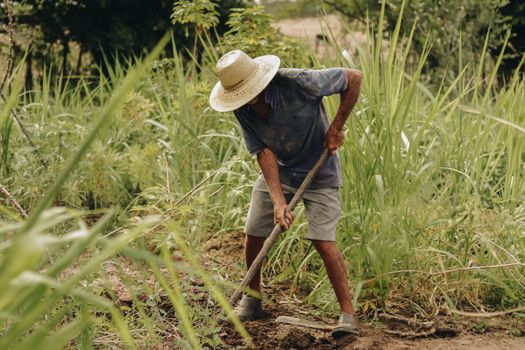
As the summer crowds depart, parts of Italy, Spain, and Greece offer a quieter, more authentic experience for those interested in sustainable agriculture. Many small farms and community-led projects are looking for help with winter planting, vineyard maintenance, and developing local food systems.
- The Experience: My hands were perpetually stained with rich, dark soil as I helped prune olive trees on a small farm in Tuscany. The air was cool and smelled of damp earth and the promise of spring. Evenings were spent sharing simple, delicious meals with the family, learning about their generations-old farming practices. It was a profound lesson in living in harmony with the land.
- Pro-Tip: Many of these opportunities are facilitated through platforms like WWOOF (World Wide Opportunities on Organic Farms) or local agricultural tourism networks.
- Budget/Logistics Snapshot: Southern European Farm Stays
| Category | Estimated Cost (USD) | Best Time to Visit (Winter) | How to Get There | | :---------------- | :------------------- | :-------------------------- | :------------------------------------------------------------------------ | | Flights (Roundtrip) | $400 - $900 | November - February | Fly into major European hubs (e.g., Rome, Madrid, Athens) and take regional transport. | | Accommodation | $0 - $30/day | N/A | Often includes accommodation and meals in exchange for work. | | Program Fees | Varies (often minimal) | N/A | Some platforms have membership fees; farm-specific fees are rare. | | Local Transport | $10 - $30/day | N/A | Rental cars are useful for exploring, but local buses and trains are an option. |
The Ethical Compass: Navigating Your Voluntourism Journey
Making a real difference requires more than just showing up. It demands a commitment to ethical engagement.
Respect Local Customs and Traditions
This is paramount. Before you go, educate yourself about the cultural norms, dress codes, and social etiquette of the community you'll be visiting. A little effort goes a long way in building trust and demonstrating respect.
Pro-Tip: Learn a few basic phrases in the local language. Even a simple "hello" (Olá, Hola, Kalimera) and "thank you" (Obrigado, Gracias, Efcharistó) can open doors and hearts.
Prioritize Long-Term Sustainability
The best voluntourism projects are those that empower local people to become self-sufficient. Look for initiatives that focus on skill-building, knowledge transfer, and creating sustainable economic opportunities. Avoid projects that create dependency or offer superficial solutions.
- Insider Lingo: Phrases like "capacitación local" (local training) or "desarrollo comunitario sostenible" (sustainable community development) are good indicators.
Be a Learner, Not a Savior
Approach your volunteer experience with humility. You are there to contribute, yes, but also to learn. Listen to the local community, understand their challenges and aspirations, and work collaboratively. The "savior complex" is not only unhelpful but can be damaging.
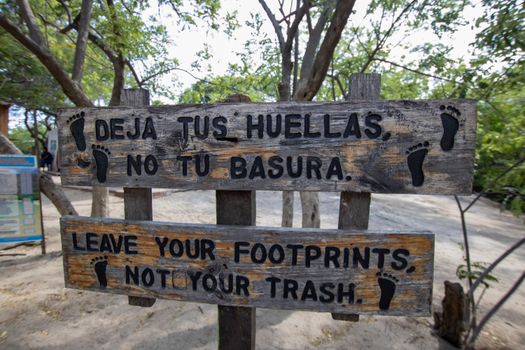
Minimize Your Environmental Footprint
Responsible travel extends to your environmental impact. Choose eco-friendly accommodation, minimize waste, conserve water and energy, and opt for sustainable transportation whenever possible.
Your Impact, Amplified: Beyond the Trip
The influence of your voluntourism experience doesn't end when you return home.
- Share Your Story: Use your voice to advocate for the causes you supported. Share your experiences on social media, write blog posts, or speak to friends and family.
- Continue Your Support: Many organizations accept ongoing donations or can use your skills remotely.
- Become an Advocate: Educate others about the importance of ethical voluntourism and encourage them to travel with purpose.
The Takeaway: Travel with Heart, Travel with Impact
This winter, you have the opportunity to go beyond the ordinary. To trade crowded tourist traps for genuine connection, and fleeting souvenirs for lasting impact. By choosing voluntourism that prioritizes community empowerment and sustainability, you can embark on an adventure that not only enriches your life but also leaves a positive, enduring mark on the world. So, pack your bags, open your heart, and get ready to experience travel that truly matters.