The Smell of Woodsmoke and the Weight of a Hammer
I stepped off the rattling matatu in a rural village outside of Kisumu, Kenya, and was immediately hit by the scent of roasting maize and the sharp, metallic tang of red dust. My palms were already blistering from a week of mixing cement, and my back ached in places I didn’t know I had muscles. But as I sat down with Mama Beatrice—the local foreman who had forgotten more about masonry than I would ever know—she didn’t thank me for "saving" her village. She handed me a cup of chai, pointed at a slightly crooked brick I’d laid, and laughed. "Tomorrow," she said, "you do it better."
That moment was my baptism into the world of actual impact. I wasn't there to be a hero; I was there to be a pair of hands under her expert direction. Most "voluntourism" is a performance. To find the stuff that actually helps, you have to look for the projects where the locals are the bosses and you are the intern.
1. The "Skill-Swap" Revolution: Why Your Degree Matters
The most damaging form of volunteering is a "warm body" project—where unskilled tourists do manual labor that local workers could do faster and better. If you want to help, bring a specific skill.
Ethical organizations now focus on Capacity Building. If you’re a nurse, don't just hand out aspirin; run a workshop for local midwives on postpartum hemorrhage protocols. If you’re a web designer, don't just build a site for a local NGO; teach their staff how to maintain it.
- The Insider Secret: Look for "Skill-Based Placement" programs. If an organization doesn't ask for your CV or a background check, run the other way.
- Pro-Tip: Check out MovingWorlds or Experteering. They match your professional skills with social enterprises that actually need your brain, not just your brawn.
2. Marine Conservation: Beyond the Sea Turtle Selfie
We’ve all seen the photos of travelers releasing baby turtles into the ocean. While cute, that’s often a "staged" event for tourists. Real marine conservation is gritty, wet, and involves a lot of data entry.
In places like the Seychelles or Belize, legitimate NGOs like GVI (Global Vision International) work directly with national park authorities. You’ll spend four hours underwater with a slate and pencil, recording the health of coral polyps or tracking the migration patterns of lemon sharks.
- The Reality Check: You aren't "petting" the wildlife. You are a biological data collector.
- Insider Language: Ask if they use PADI AWARE protocols. If they don't mention "long-term monitoring," it's likely just a snorkeling trip with a higher price tag.
3. Permaculture and Food Sovereignty in the Andes
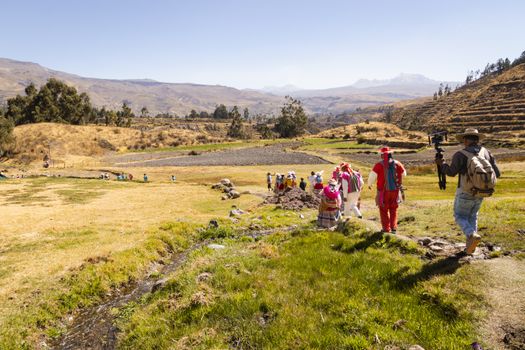
In the Sacred Valley of Peru, the "tapestry" isn't just in the textiles—it’s in the soil. Traditional Incan farming techniques are being revived to combat climate change, and this is where "voluntourism" gets dirty in the best way.
Working with a collective like Arbio Peru or local permaculture farms means learning about Chakitaklla (an ancient foot plow) and nitrogen-fixing plants. You are supporting food sovereignty—ensuring a community can feed itself without relying on expensive, imported fertilizers.
- Pro-Tip: Visit the Pisac Market on a Sunday at 7 AM to see the actual produce from these farms before the tour buses arrive.
- Logistics: Most farms offer "Workaway" style stays. You get a bed and three meals of quinoa soup and lomo saltado in exchange for five hours of labor.
4. The Education Trap: Support Teachers, Don't Replace Them
Orphanage tourism is the "black lung" of the travel industry—it’s toxic and creates a market for child trafficking. Avoid any program that allows you to work with vulnerable children for a short period without a rigorous vetting process.
Instead, look for Teacher Support Programs. Your goal should be to assist the local educator. Help with English pronunciation, organize an after-school sports league, or assist in a vocational training center for adults.
- The Red Flag: If the kids are "performing" for you, leave.
- The Gold Standard: Look for organizations like Learning Together that require a minimum 3-month commitment. Anything less is disruptive to a child's development.
5. The Logistics: What This Costs and How to Get There
Volunteering isn't "free labor"; it’s an investment. You pay for your housing, food, insurance, and a contribution to the project’s overhead. If a program is free, ask yourself who is subsidizing your stay (hint: it’s often the local community).
| Region | Project Type | Est. Weekly Cost | Best Time to Visit | | :--- | :--- | :--- | :--- | | East Africa | Health/Education | $500 - $800 | June - October (Dry Season) | | SE Asia | Marine/Reef | $700 - $1,100 | November - April | | Central Am. | Permaculture | $300 - $600 | January - May | | Eastern Europe | Wildlife Rehab | $400 - $700 | May - September |
How to get there: Most reputable NGOs will provide a "Pre-Departure Guide" that includes the specific bus route or the name of a trusted driver. In Nepal, for instance, don't take the "Tourist Bus" from Kathmandu to Pokhara; take the local micro-bus to get a feel for the rhythm of the country (and save $15).
6. The Vetting Checklist: Is This Legit?
Before you hit "Book," ask these three questions. If the answer is "No" to any of them, keep looking.
- Does the project exist if I don't show up? (If the work only happens when tourists are there, it’s a show, not a project.)
- Is there a local manager in charge of my daily tasks? (Empowerment starts with local leadership.)
- Can they provide a "Social Impact Report" from the previous year? (Legit NGOs track their results.)
The Final Word: Be the Intern, Not the Savior
The most "worth considering" voluntourism is the kind that leaves you feeling small. It’s the kind that shows you how much you don't know. When you stop trying to "save the world" and start trying to "learn from the world," you actually become useful.
Pack light, bring a lot of sunscreen, and leave your ego at the airport. The world doesn't need your pity; it needs your partnership.
---