The Hook: A Dawn Cupping in the Clouds
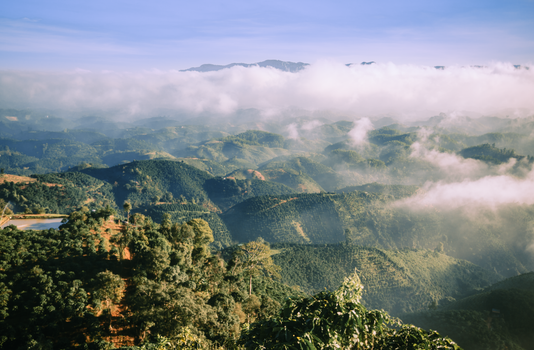
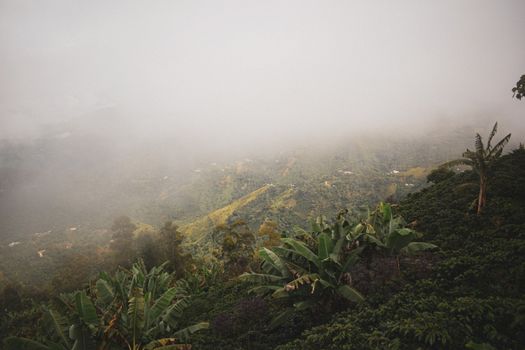
I stepped off the creaking wooden platform at Finca Elida in Boquete, Panama, and my senses were immediately assaulted by the sweet, slightly boozy scent of fermenting coffee cherries. It was 5:45 AM. The sun was still a bruised purple smudge behind the Baru Volcano, but the farm was already buzzing. Mist clung to the glossy green leaves of the Gesha trees climbing the steep slopes at 1,800 meters above sea level.
``` [ Baru Volcano Mist ] | [ Gesha Trees ] ---> (Glossy green leaves, 1,800m altitude) | [ Fermenting Cherries ] ---> (Sweet, boozy aroma of anaerobic maceration) ```
The master roaster handed me a warm, ceramic cup containing a light-amber liquid. No milk, no sugar—just pure, unadulterated Geisha coffee processed via 120-hour anaerobic slow dry fermentation. I took a sip. It didn't taste like coffee. It tasted like bergamot, fresh jasmine, and ripe white peach, with a sparkling, champagne-like acidity that danced on the back of my palate.
This is not the coffee your parents drank. And this is certainly not the kind of "coffee tour" where you sit on a tractor, look at a single plant, and get ushered into a souvenir shop to buy stale, dark-roasted beans.
For true coffee enthusiasts, travel in June 2026 is all about origin trips that peel back the curtain on agricultural science, micro-climates, and experimental processing methods. If you know the difference between a washed Caturra and a natural Pacamara, this definitive guide is your passport to the ultimate origin experiences running this June.
---
1. Boquete, Panama: The Birthplace of the Modern Gesha
June marks the tail end of the processing season in Panama’s high-altitude Chiriquí province. While the heavy harvest ends in April, June is the golden window for enthusiasts. This is when the most experimental micro-lots are resting in parchment (pergamino) and undergoing final sensory analysis before being shipped to global auction winners.
``` +------------------+----------------------------------------------------+ | Feature | Details | +------------------+----------------------------------------------------+ | Key Cultivar | Gesha (Geisha) | | Altitude Range | 1,600m – 2,200m | | Processing Focus | Carbonic Maceration, Yeast-Inoculated Fermentation | +------------------+----------------------------------------------------+ ```
The Estate to Visit: Finca Elida (Lamastus Family Estates)
The Lamastus family has been producing some of the world's highest-scoring coffees for over a century. A private tour here is an masterclass in biodiversity. You will walk through the high-altitude plots surrounded by native cloud forest trees, which provide the crucial shade that slows down cherry maturation, packing the beans with organic acids and sugars.
- The Insider Experience: Book the "Geisha Terroir Masterclass." You’ll stand in the cupping lab with their lead Q-Grader, analyzing the differences between three distinct elevations on the same mountain.
- Pro-Tip: The entrance to the exclusive tasting deck is unmarked. Look for the weathered cedar gate behind the main wet mill; knock three times, and ask for the "Resting Lots" flight.
---
2. Chinchiná & Jericó, Colombia: The Science of Fermentation
While the traditional Eje Cafetero (Coffee Axis) gets flooded with casual tourists, true enthusiasts head south to Jericó in Antioquia, or deep into the steep valleys of Chinchiná in Caldas. In June 2026, these regions are experiencing the mitaca (mid-year harvest), meaning the farms are in full production mode.
``` [ Hand-Picked Cherries ] | +-------------+-------------+ | | [ Wet Mill ] [ Dry Mill ] | | (Depulping & Washing) (Sun-drying on raised beds) ```
The Estate to Visit: Hacienda El Roble
Located in the dry chicamocha canyon region, this estate is famous for hosting one of the most biodiverse coffee gardens in the world, featuring over 70 distinct coffee varieties.
- The Insider Experience: Participate in their hands-on Brix-level testing. You’ll head out into the fields with a handheld refractometer to measure the sugar content of the cherry mucilage before the pickers begin their harvest. You’ll learn exactly why a reading of 22% Brix yields a completely different cup profile than 18%.
- Pro-Tip: Schedule your visit for a Tuesday morning. This is when the head agronomist conducts his weekly soil health walk. If you tag along, you’ll learn how they use biochar and native microbes to eliminate chemical fertilizers entirely.
---
3. Kona, Hawaii: The Volcanic Peaberry Pilgrimage
Kona coffee has a reputation for being expensive, but for true enthusiasts, navigating this volcanic strip on the Big Island of Hawaii requires a discerning eye to separate the commercial tourist traps from the ultra-premium micro-lots. June offers perfect afternoon cloud cover (the famous Kona cloud), which protects the delicate Typica trees from the harsh Pacific sun.
``` [ Pacific Ocean ] ---> [ Sea Breeze ] ---> [ Kona Slopes (Morning Sun) ] | [ Kona Cloud Cover (Afternoon) ] <------------------+ ```
The Estate to Visit: Monarch Coffee
Situated on the slopes of Hualalai, Monarch is a pioneer in modern Hawaiian coffee farming. They focus on Gesha and Pacamara varieties alongside the classic Kona Typica, using state-of-the-art optical sorters to isolate rare mutations like the Peaberry (where the cherry produces a single, round bean instead of two flat ones, resulting in a denser, sweeter roast).
- The Insider Experience: The "Tree-to-Cup VIP Experience" allows you to roast your own batch of Kona Peaberry on a commercial-grade sample roaster under the guidance of a master roaster.
- Pro-Tip: Skip the main highway approach. Take the winding, single-lane Holualoa road (Route 180) at 7:30 AM. You’ll drive through early morning mist and see the historic, hand-painted wooden signs of the original Japanese-Hawaiian coffee pioneers.
---
4. Sidama & Yirgacheffe, Ethiopia: The Ancient Forest Trails
To understand coffee, you must visit its birthplace. Ethiopia is not about manicured, corporate plantations; it is about "garden coffee" grown by smallholders in their backyards, and wild forest coffee harvested from the shade of primeval jungles. June is the wet season, which brings lush, vibrant green landscapes and a slower, more intimate pace at the washing stations.
``` +-------------------+---------------------------------------------------+ | Aspect | Details | +-------------------+---------------------------------------------------+ | Terroir | Wild forest canopy, rich acidic red clay | | Flavor Profile | Intense floral aromas, black tea body, lemon zest | | Cultural Element | Traditional clay "Jebena" brewing ceremony | +-------------------+---------------------------------------------------+ ```
The Estate to Visit: The Gesha Village Coffee Estate
Located in the remote Bench Maji zone (close to the South Sudanese border), this 471-hectare estate is a holy grail destination. They have spent years wild-harvesting seeds from the nearby Gori Gesha forest to genetically trace and cultivate the original, wild ancestors of the famous Panamanian Gesha.
- The Insider Experience: A multi-day immersion where you stay in their eco-lodge, hike through the wild forest patches where coffee has grown naturally for thousands of years, and participate in a traditional Ethiopian coffee ceremony using clay jebena pots over open coal fires.
- Pro-Tip: Travel here requires a domestic flight from Addis Ababa to Jimma, followed by a 4x4 journey. Hire a private driver who speaks both Amharic and the local bench language; this is your ticket to visiting the non-commercial cooperative washing stations where the real magic happens.
---
5. The Q-Grader's Playbook: How to Evaluate Coffee on Tour
To truly appreciate these tours, you need to taste like a professional. When you sit down at a cupping table on a farm, don't just say "it tastes good." Use the official Specialty Coffee Association (SCA) protocol to evaluate the cup:
``` [ Fragrance (Dry) ] ---> [ Aroma (Wet) ] ---> [ Break the Crust ] | [ Aftertaste & Balance ] <--- [ Acidity & Body ] <--- [ Slurp (Aerate) ] ```
- Fragrance (Dry Aroma): Lean over the dry, freshly ground coffee and gently shake the cup. Note the volatile aromatic compounds. Is it floral, herbal, or nutty?
- Aroma (Wet): After hot water (93°C) is poured, let it steep for 4 minutes. A crust of grounds will form on top. Lean in close, push your spoon through the crust, and inhale deeply. This is "breaking the crust."
- The Slurp: Take a spoonful of coffee and slurp it forcefully into your mouth. The goal is to aerate the liquid, spraying it across your entire tongue and palate to engage all your taste buds simultaneously.
- Acidity vs. Body: Note the quality of the acidity (is it bright and citric like a lemon, or malic like an apple?) and the body (does it feel light and tea-like, or heavy and creamy like whole milk?).
---
6. Logistics, Budgets, and Packing Essentials for June 2026
Planning an origin trip requires specialized gear and preparation. Coffee farms are active agricultural zones with steep terrain, unpredictable mountain weather, and high humidity.
| Destination | Est. Tour Cost (USD) | Best Arrival Window | Transport Hack | Key Gear Needed | | :--- | :--- | :--- | :--- | :--- | | Boquete, Panama | $150 - $350 (Private) | Mid-June | Fly to David (DAV), rent a 4x4 SUV. | Waterproof notebook, trail runners. | | Caldas, Colombia | $100 - $250 (Day Tour) | Late June | Fly to Manizales, hire a local chiva guide. | Handheld refractometer, light rain jacket. | | Kona, Hawaii | $200 - $500 (VIP) | Early June | Fly to Kona (KOA), rent an electric vehicle. | Polarized sunglasses, UV-blocking hat. | | Sidama, Ethiopia | $1,200 - $3,000 (Multi-day) | Mid-June | Fly to Addis Ababa, arrange 4x4 expedition. | Water purification tablets, heavy boots. |
The Ultimate Coffee Geek Packing List:
- Atago Pal-Coffee Refractometer: To measure Total Dissolved Solids (TDS) and Brix levels on the fly.
- Spit Cup (Sip & Spit): If you are cupping 40+ coffees a day to avoid extreme caffeine jitters.
- Silica Gel Packs: Keep these in your luggage to protect any green bean samples you purchase from high origin humidity.
- Waterproof Rite-in-the-Rain Notebook: For jotting down processing notes, fermentation times, and farmer contacts in wet mills.
---
FEATURED_IMAGE_PROMPT:
A cinematic, wide-angle shot of a specialty coffee cupping session at sunrise on a rustic wooden deck overlooking the misty Baru Volcano in Boquete, Panama. In the foreground, neat rows of white ceramic cupping bowls filled with light-amber coffee sit alongside professional silver cupping spoons. A vintage brass sample roaster lightly vents clean steam in the background. The low-angle golden hour light illuminates the rising steam from the bowls and casts long shadows across the rich grain of the wooden table. Lush, vibrant green coffee branches with ripe red cherries frame the top corner of the shot. Shot on 35mm film, highly detailed textures of wet wood, ceramic, and distant volcanic ridges.
---
TAGS: #CoffeeTravel #SpecialtyCoffee #CoffeePlantation #June2026Travel #PanamaGeisha #ColombiaCoffee #KonaCoffee #EthiopianCoffee #TravelGuides #Tripsora