Beyond the Postcard: Community Tourism Projects That Will Blow Your Mind
I still remember the moment it clicked. I was standing on a crowded piazza in Rome, camera in hand, ticking off another landmark from my mental list. The Colosseum? Check. The Pantheon? Check. But amidst the rush, the selfie sticks, and the sheer volume of tourists, a quiet unease settled in. Was I truly experiencing anything, or just consuming it? Was I connecting with the place, or merely observing it from a distance?
That moment sparked a shift in my travel philosophy. I began seeking out experiences that went beyond the surface, journeys that allowed me to truly connect with local cultures, contribute positively, and leave a lighter footprint. That's when I discovered the magic of community tourism.
Community tourism isn't just a buzzword; it's a powerful, transformative way to travel. It's about empowering local communities, preserving their heritage, and ensuring that the economic benefits of tourism stay right where they belong – with the people who call these incredible places home. It’s about cultural exchange, learning, and mutual respect. And trust me, these aren't just feel-good trips; they are the kind of adventures that will utterly blow your mind, leaving you with stories far richer than any souvenir.
Ready to trade your typical vacation for an unforgettable journey with impact? Let’s dive into some of the most inspiring community tourism projects around the globe that Tripsora wholeheartedly endorses!
1. Peru: Weaving Ancient Stories & Sharing Andean Homestays
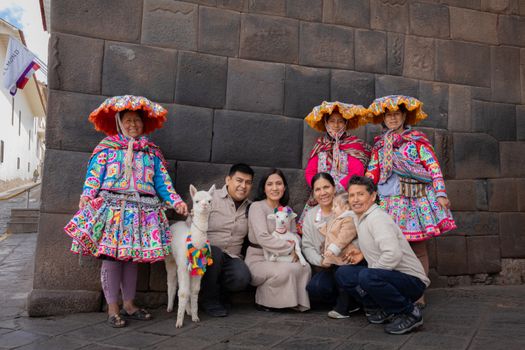
Imagine waking up to the crisp Andean air, the scent of woodsmoke mingling with the aroma of fresh coca tea, and the gentle chatter of a Quechua family preparing breakfast. This isn't a dream; it's a reality in the Sacred Valley of Peru, where indigenous communities are opening their homes and hearts to travelers.
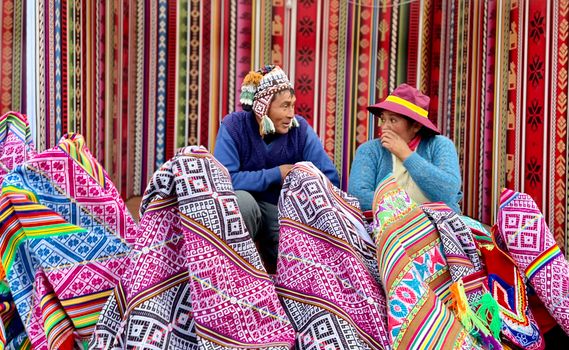
My first experience was in a small village near Pisac, arranged through a local cooperative. I stayed with a family for two nights, sharing simple, delicious meals of quinoa soup and roasted potatoes (papas a la huancaína became my absolute favorite!). We communicated through a mix of broken Spanish, hand gestures, and a lot of laughter. One afternoon, Mama Flora, with her weathered hands and twinkling eyes, patiently taught me the intricate art of traditional backstrap weaving. The vibrant colors of the alpaca wool, dyed with natural pigments from local plants, came alive under her guidance. It wasn't just a craft; it was a language, a history, a way of life passed down through generations.
Why it blows your mind: You're not just seeing ancient ruins; you're living a piece of ancient culture. You witness firsthand the resilience and warmth of people who have preserved their traditions against incredible odds. Buying a hand-woven textile directly from the artisan means you're supporting their livelihood and ensuring these crafts survive.
Practical Tips:
- Locations: Look for projects in the Sacred Valley (e.g., Amaru, Chinchero, Patacancha) or on islands in Lake Titicaca (e.g., Taquile, Amantani).
- How to Book: Many reputable local tour operators (like "G Adventures" or "Intrepid Travel" often include these, or smaller local agencies like "Andean Lodges" or "Peru Eco Expeditions") specialize in community-based tourism. Ensure they have direct partnerships with the communities and fair trade practices.
- Cost: Homestays can range from $30-$70 per night, often including meals and activities. Weaving workshops might be an additional $10-$20.
- What to Expect: Simple accommodations, shared facilities, and a slower pace of life. Bring small gifts (school supplies, simple toys) for children, but always ask your host if it's appropriate. Learn basic Quechua phrases like "Allianchu" (hello) and "Sulpayki" (thank you).
2. Kenya: Walking with Giants & Guardians of the Wild in Maasai Conservancies
Safari. The word conjures images of vast plains, majestic wildlife, and luxury lodges. But what if your safari experience could also directly empower the communities who have lived alongside this wildlife for centuries? Enter the Maasai conservancies of Kenya.
I was fortunate enough to spend time at a conservancy bordering the Maasai Mara, where the land is leased from Maasai landowners and managed jointly for both wildlife conservation and community benefit. My Maasai guide, a young warrior named Lema, taught me more about the bush in a single afternoon than any documentary ever could. He showed me how to identify animal tracks, explained the medicinal properties of various plants, and shared stories of his childhood growing up among lions and elephants.
One evening, we visited his village. The vibrant red shukas of the Maasai warriors, the rhythmic chants, and the incredible jumping dance (adumu) were mesmerizing. But what truly resonated was the conversation around the fire. Lema spoke passionately about how tourism revenue from the conservancy funded schools, brought clean water, and provided healthcare, allowing his people to maintain their traditional way of life while also embracing modern necessities. It wasn't just about preserving wildlife; it was about preserving a culture intrinsically linked to that wildlife.
Why it blows your mind: You gain a profound appreciation for the delicate balance between humans and nature. You witness firsthand the power of community-led conservation and the incredible wisdom of indigenous cultures. It’s a safari with a conscience, where every dollar you spend contributes directly to the well-being of the land and its people.
Practical Tips:
- Locations: Look for conservancies bordering the Maasai Mara (e.g., Olare Motorogi, Mara North, Naboisho, Lekurruki) or in Amboseli region.
- How to Book: Choose reputable safari operators that partner directly with Maasai conservancies and prioritize ethical community engagement. Look for lodges that are community-owned or have strong community benefit-sharing programs.
- Cost: Conservancy fees (often $80-$120+ per person per day, on top of lodge fees) directly support the community. Lodge prices vary widely, but expect to pay a premium for ethical, high-impact experiences.
- What to Expect: Authentic cultural interactions, often including village visits, nature walks with Maasai guides, and learning about their customs. Always ask permission before taking photos, especially of people.
3. Thailand: Gentle Giants & Hill Tribe Heartbeats (Ethical Choices Only!)
Thailand is synonymous with stunning beaches and bustling markets, but venture north, and you'll discover lush mountains, cascading waterfalls, and the rich tapestry of hill tribe cultures. However, this is one area where ethical choices are paramount. For too long, elephant tourism and hill tribe visits have been exploitative. But truly mind-blowing, ethical alternatives exist!
My most cherished memory from Thailand is spending a day at an ethical elephant sanctuary near Chiang Mai. I’d done my research, ensuring it was a true rescue and rehabilitation center, with no riding, no chains, and no forced performances. We spent the morning preparing food for the elephants, feeding them bananas and sugarcane, and then walked with them to a muddy river where we helped give them a therapeutic bath. Feeling the rough, leathery skin of a gentle giant against my hand as it playfully splashed water was an experience of pure joy and connection. The sanctuary also employed local villagers, providing sustainable livelihoods.
Later, I visited a Karen hill tribe village (again, through a vetted, ethical tour operator) that focused on cultural exchange rather than spectacle. I learned about their intricate silverwork and vibrant textiles, shared a simple meal cooked over an open fire, and listened to stories of their ancestral lands. It wasn't a show; it was an invitation into their world, and I felt incredibly privileged.
Why it blows your mind: You witness the incredible impact of compassionate conservation and responsible tourism. You connect with animals in a truly respectful way and gain insight into the lives of resilient indigenous communities, understanding their challenges and celebrating their unique cultures.
Practical Tips:
- Locations: Chiang Mai and Chiang Rai provinces for ethical elephant sanctuaries and hill tribe visits.
- How to Book:
- Elephants: Research extensively! Look for sanctuaries that explicitly state "no riding," "no chains," and "rescue/rehabilitation focus." Some excellent examples include Elephant Nature Park, Wildlife Friends Foundation Thailand (WFFT), or Boon Lott's Elephant Sanctuary (BLES).
- Hill Tribes: Choose tours that emphasize cultural exchange, respect, and direct community benefit. Avoid tours that treat people as exhibits. Ask about how tour fees benefit the community directly.
- Cost: Ethical elephant sanctuary visits can range from $70-$150+ for a full day, including transport and food. Ethical hill tribe tours might be $50-$100+.
- What to Expect: A profound, respectful animal encounter. For hill tribes, expect genuine interactions, learning about their crafts, and supporting their economy through purchases. Dress modestly and be respectful of local customs.
4. Vietnam: Delta Dreams & Artisan Hands in the Mekong
The Mekong Delta in Southern Vietnam is a labyrinth of waterways, rice paddies, and bustling floating markets. While many tourists rush through on a day trip, staying in a community-run homestay offers a truly immersive and mind-blowing experience.
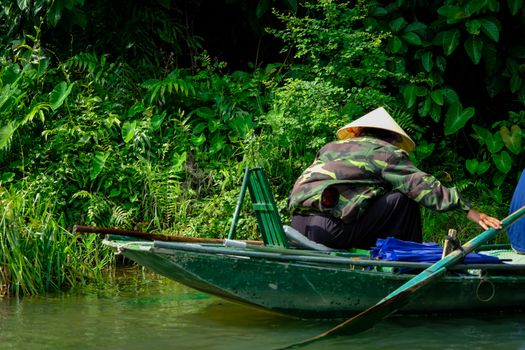
My time in a homestay near Can Tho was a highlight. After a thrilling boat ride through narrow canals, we arrived at a charming wooden house nestled amidst fruit orchards. My host family welcomed me with warm smiles and a glass of fresh coconut water. In the evenings, we cooked traditional Vietnamese dishes together – spring rolls, fresh fish in clay pots, and vibrant salads – using ingredients plucked straight from their garden. Learning to make perfect rice paper from scratch, under the patient guidance of my host mother, was a surprisingly meditative and delicious experience!
During the day, we cycled through tranquil villages, visiting local workshops where artisans crafted coconut candies, hand-wove mats, or painstakingly painted conical hats. Each purchase felt meaningful, knowing I was directly supporting their craft and family. The simplicity of life, the generosity of spirit, and the sheer beauty of the delta landscape made me feel completely present and connected.
Why it blows your mind: You become part of a family, even for a short time, gaining an intimate understanding of daily life in one of the world's most fertile deltas. You witness traditional crafts firsthand and contribute directly to the local economy, helping preserve these valuable skills.
Practical Tips:
- Locations: Can Tho, Ben Tre, My Tho, Chau Doc are popular starting points for Mekong Delta tours and homestays.
- How to Book: Many local guesthouses and small tour operators offer homestay packages. Look for "community-based tourism" or "eco-homestay" options. Websites like Booking.com or Airbnb also list reputable homestays, but always check reviews for authenticity and impact.
- Cost: Homestays can be very affordable, often $20-$40 per night, usually including meals and sometimes activities like cooking classes or bike rentals.
- What to Expect: Simple, clean rooms, often with fans and mosquito nets. Shared bathrooms are common. Expect delicious home-cooked meals, warm hospitality, and opportunities to participate in daily life or local workshops. Bring insect repellent and light clothing.
5. Iceland: Northern Lights & Local Lives on Rural Farm Stays
When you think of Iceland, you probably picture dramatic landscapes, geysers, and the Northern Lights. But beyond the iconic Golden Circle, a burgeoning community tourism movement is allowing travelers to connect with the heart of Icelandic rural life: its resilient farmers and their sustainable practices.
I spent a week on a working sheep farm in the remote Westfjords, a region of breathtaking fjords and towering cliffs. My hosts, a couple named Sigurður and Helga, welcomed me into their cozy farmhouse. My days involved helping with small chores – feeding the sheep, gathering eggs, or even just mending a fence – interspersed with long hikes through the stunning landscape, often with Helga sharing local sagas and folklore. One unforgettable evening, after a hearty dinner of lamb stew, the Northern Lights danced across the sky, a spectacle made even more magical by the shared experience with my newfound Icelandic family.
This wasn't just a place to sleep; it was a deep dive into Icelandic sustainability, resourcefulness, and a profound connection to the land. I learned about their efforts to live off the land, use geothermal energy, and protect their fragile environment. It was a stark contrast to the often-overrun tourist hotspots, offering a peaceful, authentic glimpse into a truly unique culture.
Why it blows your mind: You gain an intimate understanding of Icelandic rural life, its challenges, and its deep connection to the land and its resources. It's a chance to unplug, slow down, and immerse yourself in a culture of resilience and natural beauty, far from the tourist crowds.
Practical Tips:
- Locations: Look for farm stays across the country, especially in the Westfjords, North Iceland, or Eastfjords.
- How to Book: Websites like "Hey Iceland" specialize in farm and country stays, offering a wide range of options from guesthouses to working farms. You can filter by activities offered (horse riding, hiking, Northern Lights viewing).
- Cost: Farm stays can range from $80-$200+ per night, depending on the amenities and whether meals are included.
- What to Expect: A cozy, often rustic, and very personal experience. You might have opportunities to participate in farm activities, enjoy home-cooked meals, and learn about local life. Be prepared for remote locations and varying levels of privacy.
Your Mind-Blowing Journey: How to Be a Responsible Community Traveler
These projects are just a taste of the incredible community tourism experiences waiting for you. But to truly make your journey mind-blowing – and impactful – you need to be a responsible traveler. Here's how:
- Research, Research, Research: Before you book, investigate the organization or tour operator. Do they have clear ethical guidelines? How much of your money goes directly to the community? Do they respect local culture and traditions? Look for certifications like Fair Trade Tourism or reputable reviews.
- Respect Local Culture: Dress modestly when visiting villages or religious sites. Learn a few basic phrases in the local language (hello, thank you, please). Ask permission before taking photos, especially of people. Be open-minded and adaptable.
- Engage Authentically: Don't just observe; participate. Ask questions (respectfully), share stories, try the local food, learn a craft. The most profound connections happen when you step out of your comfort zone.
- Buy Local, Support Local: Purchase souvenirs directly from artisans or community cooperatives. Eat at local restaurants. Hire local guides. Your money directly supports families and keeps traditions alive.
- Minimize Your Footprint: Be mindful of your waste, conserve water and energy, and stick to designated paths. Leave no trace but your gratitude.
- Be Patient and Flexible: Things might not always run on a Western schedule. Embrace the slower pace, the unexpected detours, and the cultural differences. That's where the real magic happens!
- Give Thoughtfully: If you want to donate, do so through established community projects or schools, rather than giving money or gifts directly to individuals, which can inadvertently create dependency or begging.
The Journey of a Lifetime Awaits
Stepping into the world of community tourism isn't just about booking a trip; it's about making a choice. A choice to travel with purpose, to connect on a deeper level, and to leave a positive impact wherever you go. These experiences won't just fill your photo album; they'll fill your soul. They'll challenge your perspectives, broaden your understanding of humanity, and leave you with a profound sense of gratitude.
My experiences with community tourism have irrevocably changed how I see the world and my place in it. They are the moments I truly felt alive, truly connected, and truly transformed. So, are you ready to ditch the ordinary and embark on a journey that will truly blow your mind?
Share your favorite community tourism projects in the comments below! And don't forget to share this post with fellow travelers who are ready to make a difference.
---