The Call of the Wild: Why Your Next Trip Should Be a Conservation Adventure
I remember the first time I truly understood the power of travel. It wasn't the breathtaking view from a mountain peak or the vibrant chaos of a foreign market. It was the quiet, profound moment I found myself knee-deep in a muddy mangrove forest, tiny saplings clutched in my hand, ready to plant. The air was thick with humidity, the scent of damp earth and salt filled my nostrils, and sweat trickled down my back. But as I pushed that young mangrove into the soil, knowing it would one day stand tall, a fortress against erosion and a nursery for marine life, something shifted within me. My travels, up until then, had been about seeing the world. This moment, however, was about saving a piece of it.
That trip, years ago, ignited a passion that transformed my entire approach to travel. It showed me that our wanderlust can be a force for good, that our vacations can be powerful acts of conservation. We live in a world grappling with climate change, habitat loss, and species extinction at an alarming rate. But here's the good news: you, yes you, can be part of the solution.
Forget the all-inclusive resorts for a moment. Imagine yourself tracking majestic wildlife, diving into vibrant coral reefs to restore them, or nurturing endangered species back to health. These aren't just fantasy scenarios; they're real, tangible experiences waiting for you. This isn't just travel; it's a legacy. If you're ready to trade poolside lounging for purpose-driven adventure, then buckle up. I'm taking you on a journey to discover some of the most life-changing conservation projects you absolutely need to experience before you die.
---
1. Guardians of the Ocean: Marine Conservation in Tropical Paradises
Our oceans are the lungs of our planet, teeming with incredible biodiversity, yet they face unprecedented threats. From plastic pollution to coral bleaching, the challenges are immense. But in breathtaking locations around the globe, passionate volunteers are making a tangible difference.
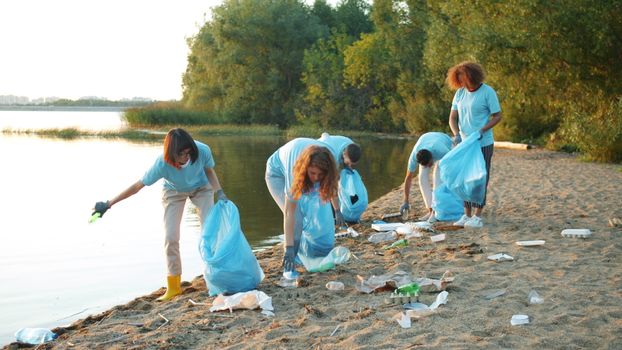
My first foray into marine conservation took me to the sun-drenched shores of Koh Lanta, Thailand. I joined a local project focused on coral reef restoration and marine debris clean-ups. Waking up to the sound of waves, our days were a mix of scientific dives, where we’d meticulously attach coral fragments to artificial reefs, and beach clean-ups that were both sobering and incredibly rewarding. I’ll never forget the feeling of planting a new coral "garden" and knowing that, with time, it would become a vibrant ecosystem. It’s hard work, mind you – long hours under the sun, navigating currents, and learning basic marine biology – but the reward of seeing a reef slowly come back to life is unparalleled.
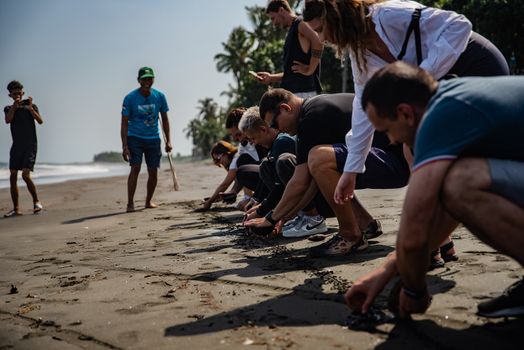
Beyond coral, sea turtle conservation projects are incredibly popular and impactful. Imagine spending your nights patrolling pristine beaches in Costa Rica (e.g., Pacuare Turtle Sanctuary) or Greece (e.g., Archelon in Zakynthos), searching for nesting mothers, protecting their eggs from poachers, and later, witnessing the miraculous scramble of hatchlings making their desperate dash to the sea. I haven't done a turtle project myself yet, but friends who have describe it as one of the most emotionally powerful experiences of their lives – a true testament to nature's resilience.
What you'll do: Coral planting, marine debris removal (beach & underwater), data collection on marine life, turtle nest protection, monitoring hatchlings, environmental education for local communities. Locations: Thailand, Fiji, Belize, Mexico, Costa Rica, Greece, Australia, Galapagos. Typical Cost: Expect to pay anywhere from $800 - $2500+ USD for 2-4 weeks, which usually covers accommodation, food, project training, and local transport. Flights are always extra. Instagram Moment: Diving amongst newly planted coral, a baby sea turtle making its first journey to the ocean, or a sunset beach clean-up with new friends. #MarineConservation #SaveOurOceans #VolunteerTravel
---
2. Jungle Giants & Primate Protectors: Wildlife Rescue & Rehabilitation
The dense jungles and forests of the world are home to some of our most intelligent and endearing relatives: primates. Sadly, many species face severe threats from habitat destruction, illegal pet trade, and poaching. Volunteering with wildlife rescue and rehabilitation centers offers a unique chance to get up close (but not too close!) with these incredible animals and contribute directly to their survival.
My most poignant wildlife experience was at an ethical elephant sanctuary in Chiang Mai, Thailand. I specifically sought out a sanctuary that was genuinely dedicated to rescue and rehabilitation, not riding or exploitation. Our days were spent preparing mountains of food (chopping endless bananas and sugarcane!), cleaning enclosures, and observing these magnificent creatures as they rediscovered their natural behaviors after years of abuse. I remember a particular moment watching an elderly elephant, rescued from a logging camp, gently splash herself in the river, her eyes conveying a deep sense of peace. It wasn't about "interacting" with them in a touristy way; it was about providing a safe haven and restoring their dignity. This experience profoundly changed my perspective on human-animal relationships.
Beyond elephants, projects focusing on primates are equally vital. In places like Borneo (e.g., Sepilok Orangutan Rehabilitation Centre, though volunteer spots are limited and highly competitive) or the Amazon rainforests of Peru (e.g., various monkey rehabilitation centers), you can help care for orphaned or injured primates, prepare their diets, maintain their enclosures, and assist with behavioral enrichment programs. These projects often involve a lot of manual labor and require patience, but the opportunity to contribute to the well-being of these intelligent beings is truly special.
What you'll do: Food preparation, enclosure cleaning and maintenance, behavioral observation, enrichment activities, assisting with veterinary care (under supervision), habitat restoration. Locations: Thailand, Laos, Cambodia (elephants), Borneo, Sumatra (orangutans), Peru, Bolivia, South Africa (various primates, big cats). Typical Cost: $1000 - $3500+ USD for 2-4 weeks, depending on the species and location. This usually covers accommodation, meals, and project support. Instagram Moment: A candid shot of an elephant enjoying a mud bath, a monkey curiously observing you from a distance, or the lush jungle backdrop. #WildlifeWarrior #EthicalVolunteering #JungleLife
---
3. African Safari Stewards: Big Cat & Rhino Conservation
Africa. The very name conjures images of vast savannas and iconic wildlife. But beneath the romantic facade, many of Africa's most beloved species – lions, leopards, rhinos, and elephants – are fighting for survival against poaching and habitat encroachment. Volunteering here is an immersive, often rugged experience that puts you on the front lines of conservation.
While I haven't had the chance to volunteer with big cats yet, I spent a memorable few weeks in South Africa's Eastern Cape, assisting with anti-poaching and wildlife monitoring efforts on a private game reserve. Our days started before dawn, tracking animals through the bush in open-top vehicles, collecting data on their movements, health, and population numbers. I learned how to identify different species by their tracks and calls, and even helped with fence maintenance to prevent animals from straying into dangerous areas. The most impactful part was learning about the relentless dedication of anti-poaching units and understanding the complex challenges they face daily. The sheer vastness of the landscape and the raw power of nature were humbling.
Many projects focus on specific species, such as rhino conservation in Namibia or South Africa. Volunteers often assist with anti-poaching patrols (though direct involvement in armed patrols is rare for international volunteers, you support the teams), tracking and monitoring rhinos, dehorning efforts (a controversial but sometimes necessary measure to deter poachers), and community outreach programs designed to educate and empower local communities. These projects are often physically demanding and require a serious commitment, but they offer an unparalleled opportunity to contribute to saving some of the planet's most endangered megafauna.
What you'll do: Wildlife tracking and monitoring, data collection, anti-poaching support (e.g., maintaining infrastructure, observation), habitat management, community engagement. Locations: South Africa, Namibia, Kenya, Tanzania, Zimbabwe. Typical Cost: $1500 - $4000+ USD for 2-4 weeks, often includes game drives, accommodation (sometimes rustic bush camps), and meals. Instagram Moment: A majestic rhino grazing in the distance, a group of elephants at a watering hole, or a stunning African sunset over the savanna. #SafariStewards #RhinoRescue #AfricanWildlife
---
4. Forest Frontiers & Reforestation Rangers: Rebuilding Our Green Lungs
Deforestation is a global crisis, impacting biodiversity, climate regulation, and indigenous communities. But across the world, dedicated individuals and organizations are working to reverse this trend through ambitious reforestation and sustainable land management projects. If you love getting your hands dirty and seeing tangible growth, this is your calling.
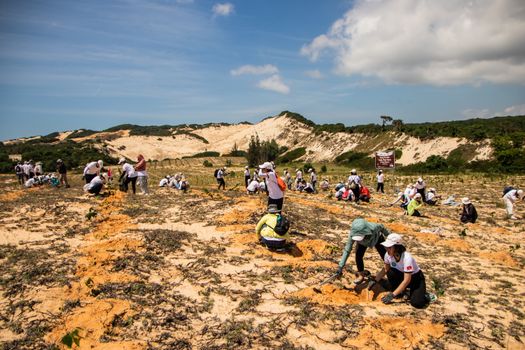
One of my most grounding experiences was volunteering with a reforestation project in the Andes Mountains of Ecuador. Our days were spent in nurseries, tending to young native tree saplings, and then hiking out to designated planting sites, often steep and challenging terrain. The air was crisp, the views were spectacular, and the sense of camaraderie among the volunteers was incredible. It was physically demanding, digging holes, planting hundreds of trees, and sometimes protecting them from hungry livestock, but knowing each sapling represented a breath of fresh air, a home for wildlife, and a step towards climate resilience was immensely motivating. We also worked with local communities, helping them establish sustainable farming practices that reduced the need for slash-and-burn agriculture.
Similar projects can be found in the Amazon rainforest (e.g., Peru, Brazil), where volunteers help regenerate degraded lands, or in places like Madagascar, focusing on restoring unique endemic forests. These projects often involve not just planting, but also seed collection, nursery management, trail maintenance, and educating local communities about the importance of forest preservation. It's a chance to literally help the planet breathe again.
What you'll do: Tree planting, seed collection, nursery management, trail maintenance, invasive species removal, sustainable agriculture support, community education. Locations: Ecuador, Peru, Brazil (Amazon), Madagascar, Costa Rica, various European countries (e.g., Portugal, Spain for wildfire restoration). Typical Cost: $700 - $2000+ USD for 2-4 weeks, typically covering accommodation (often rustic, sometimes homestays), and meals. Instagram Moment: A vast landscape of newly planted trees, a close-up of a tiny sapling, or the stunning natural beauty of a revitalized forest. #Reforestation #PlantATree #GreenTravel
---
5. Arctic Angels & Polar Protectors: Research and Monitoring in Extreme Environments
While less common for mainstream volunteering, opportunities exist for those seeking extreme adventure and a passion for unique ecosystems. The polar regions, incredibly fragile and disproportionately affected by climate change, offer a chance to contribute to vital scientific research and monitoring.
I haven't personally volunteered in the Arctic or Antarctic, but I've followed the incredible work of organizations like the Norwegian Polar Institute and various research stations that occasionally take on skilled volunteers or interns. These roles are often more specialized, requiring scientific backgrounds or specific skills, but they do exist for dedicated individuals. Imagine assisting researchers in Svalbard, Norway, monitoring polar bear populations, tracking reindeer, or studying the impact of melting glaciers. Or perhaps joining a citizen science project collecting data on seabird colonies in the Faroe Islands.
These projects are not for the faint of heart. They involve harsh weather conditions, remote locations, and a significant financial commitment. However, the opportunity to contribute to understanding and protecting some of the planet's most vulnerable and rapidly changing environments, while witnessing breathtaking landscapes and unique wildlife, is a truly once-in-a-lifetime experience. It's about contributing to the global effort to document and mitigate the effects of climate change in real-time.
What you'll do: Data collection (wildlife populations, ice melt, weather patterns), research assistance, station maintenance, environmental impact assessments. Locations: Svalbard (Norway), Greenland, Iceland, Faroe Islands, Canadian Arctic (more for specialized researchers). Typical Cost: Highly variable, often $3000 - $8000+ USD for 2-4 weeks due to specialized equipment, remote logistics, and expertise required. Some are unpaid research positions where you cover your own costs. Instagram Moment: Majestic glaciers, unique Arctic wildlife (polar bears, reindeer, puffins), or a stunning aurora borealis display. #ArcticAdventures #PolarResearch #ClimateAction
---
The Nitty-Gritty: Planning Your Life-Changing Conservation Journey
So, you're inspired. You're ready to pack your bags and get your hands dirty. But how do you actually make this dream a reality? Here are my essential tips for planning your ethical and impactful volunteer adventure:
1. Choose Your Project Wisely: Research is Key!
- Passion First: What cause truly resonates with you? Marine life? Big cats? Reforestation?
- Ethical Vetting: This is paramount. Look for organizations that are transparent about their finances, have clear conservation goals, prioritize animal welfare (no direct handling of wild animals unless medically necessary, no riding), and genuinely involve local communities. Avoid "orphanages" that may be fronts for illegal animal trade or places that prioritize tourist interaction over animal well-being. Look for certifications or affiliations with reputable conservation bodies.
- Impact vs. Experience: Some projects are highly immersive and hands-on, others are more observational and data-focused. Understand what your role will be.
- Reviews & Testimonials: Read reviews from past volunteers on platforms like GoEco, GVI, Workaway (for certain types of projects), Volunteer World, or directly on the organization's website. Ask for references if possible.
2. Budgeting for Impact: Costs and Funding
- Project Fees: Most reputable conservation projects charge a fee. This fee usually covers your accommodation, meals, training, in-country transport, and contributes directly to the project's operational costs (staff salaries, equipment, animal care, land leases, etc.). Think of it as investing in the cause.
- Flights & Insurance: These are almost always extra. Factor in international flights, travel insurance (essential!), and any visa costs.
- Personal Expenses: Don't forget spending money for souvenirs, snacks, days off, and emergencies.
- Fundraising: Many volunteers successfully fundraise for their trips! Set up a crowdfunding page, host events, or apply for grants.
3. Health, Safety & Preparedness
- Vaccinations & Health Checks: Consult your doctor well in advance about required vaccinations and any prophylactic medications (e.g., anti-malarials).
- Insurance: Comprehensive travel insurance is non-negotiable. Ensure it covers medical emergencies, evacuation, and the specific activities you'll be doing.
- Physical Fitness: Many projects involve manual labor, hiking, or being outdoors for long hours. Assess your fitness level honestly.
- Cultural Sensitivity: Research local customs, learn a few basic phrases, and be respectful of the local culture and traditions.
- Packing Smart: Think practical. Quick-drying clothes, sturdy boots, insect repellent, sun protection, a good first-aid kit, and a reusable water bottle are always on my list. Leave the fancy stuff at home.
4. Managing Expectations & Embracing the Challenge
- It's Not a Luxury Vacation: You'll likely be living in basic accommodations, working hard, and facing challenges. Embrace it!
- Patience & Flexibility: Things don't always go to plan in remote locations or with wild animals. Be adaptable.
- The "Glamour" Factor: While there are incredible moments, much of conservation work is repetitive, dirty, and not always Instagram-perfect. It's about the consistent effort.
- Emotional Resilience: Working with endangered animals or devastated ecosystems can be emotionally taxing. Be prepared for moments of frustration, sadness, but also immense joy and fulfillment.
---
Leave Your Mark: The Ultimate Travel Legacy
My mangrove sapling in Ecuador, the coral fragment in Thailand, the countless bananas I peeled for rescued elephants – these aren't just memories; they're tiny threads woven into the fabric of a healthier planet. And they are, without a doubt, the most meaningful souvenirs I've ever brought home.
Volunteering in conservation isn't just about what you do for the planet; it's about what it does for you. It strips away the superficial, challenges your assumptions, and connects you to something far greater than yourself. You'll gain new skills, make lifelong friends from around the globe, and return home with a profound sense of purpose and a deeper understanding of our interconnected world.
So, are you ready to trade your typical vacation for an adventure that truly matters? Are you ready to see the world, not just as a tourist, but as a guardian? The planet is calling, and it needs you. Don't just travel before you die; live a life that leaves a lasting legacy.
Which conservation project calls to you most? Share your dream volunteer adventure in the comments below! And if you’ve already embarked on one, tell us your story – we’d love to hear it!
---