Wildlife Experiences That Actually Help Animals You Need to Experience Before You Die
Let me tell you a secret: for years, my travel bucket list was filled with all the "classic" wildlife encounters. I pictured myself riding elephants through jungles, cuddling tiger cubs, and swimming with dolphins in crowded lagoons. Like many, I was swept up in the allure of Instagram-perfect moments, oblivious to the often-dark reality behind them.
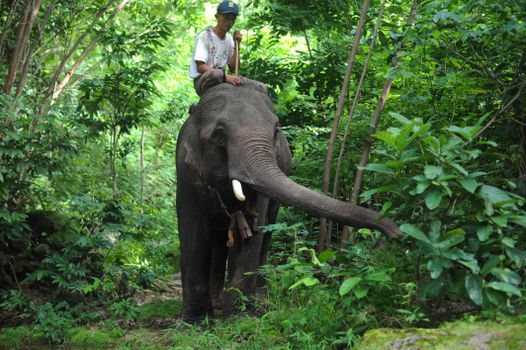
Then, a few years ago, I had an awakening. It started with a photo of a chained elephant, its eyes dull, a mahout's bullhook visible. The image haunted me. I began to research, to dig deeper, and what I found was heartbreaking. Many of the experiences I'd once coveted were, in fact, exploitative, harmful, and contributed to the very decline of the animals I claimed to love. My heart sank, but then a new, more powerful resolve ignited: I would seek out experiences that truly helped.
And what I discovered on this journey has been nothing short of extraordinary. These aren't just trips; they are profound, soul-stirring encounters that redefine what it means to connect with the wild. They are moments where your presence isn't just tolerated but actively contributes to conservation, where your travel dollars become a lifeline for species on the brink. These are the ethical wildlife experiences that will not only change your perspective but might just change your life – and certainly, the lives of the animals they protect.
Ready to embark on a journey that feels good, does good, and leaves you utterly breathless? Let's dive in.
1. The Humbled Gaze: Mountain Gorilla Trekking in Rwanda or Uganda
There are moments in travel that transcend description, and encountering a family of mountain gorillas in their natural habitat is one of them. I remember my first trek in Rwanda's Volcanoes National Park like it was yesterday. The air was thick with mist, the jungle alive with unseen sounds. After a challenging hike, our trackers paused, and then, through a curtain of bamboo, I saw her: a massive silverback, calm and majestic, watching her young play.
For one precious hour, we sat in respectful silence, just a few meters away, observing. The sheer intelligence in their eyes, the gentle interactions, the raw power – it was humbling. It felt like stepping into another world, a privilege earned, not given.
Why it helps: Mountain gorillas are critically endangered, with only about 1,000 individuals left. The high cost of permits (currently around $1,500 USD in Rwanda, $700 USD in Uganda per person per trek) directly funds anti-poaching efforts, habitat protection, and supports local communities who now see gorillas as a valuable resource to protect, not just a threat to their crops. Your money is literally saving a species.
The Experience:
- Location: Volcanoes National Park (Rwanda), Bwindi Impenetrable National Park or Mgahinga Gorilla National Park (Uganda).
- Logistics: Permits must be booked months in advance through the respective tourism boards or reputable tour operators. You'll hike for 1-6 hours through dense jungle with experienced trackers and guides.
- Tips: Be prepared for mud and steep terrain. Wear sturdy hiking boots, long pants, and long sleeves to protect against thorns and insects. Bring plenty of water. Photography is allowed, but no flash. Maintain a respectful distance (usually 7 meters).
- Instagram-worthy moment: A close-up shot of a gorilla's expressive eyes, framed by the lush green jungle, or a wide shot of the misty volcanic peaks. Use #GorillaTrek #ConservationTravel #Rwanda #Uganda
2. The Wild Symphony: Ethical Safari & Anti-Poaching Patrols in Kenya or South Africa
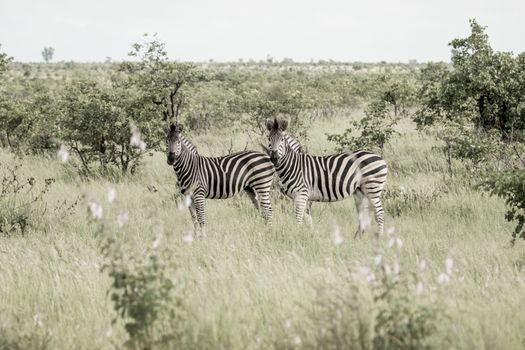
My first "ethical" safari wasn't just about spotting the Big Five; it was about understanding the intricate dance of the ecosystem and the tireless efforts to preserve it. In Kenya's Maasai Mara, I chose an eco-lodge that was community-owned and actively involved in anti-poaching initiatives. Waking up to the distant roar of a lion, knowing my stay directly contributed to its safety, was a profound feeling.
One evening, our guide, a former poacher turned conservationist, shared stories of tracking elephants and confronting poachers. We even had the opportunity to visit a local village, seeing how tourism revenue funded schools and clinics, creating a direct link between conservation and community well-being. This wasn't just a holiday; it was an immersion into the frontline of conservation.
Why it helps: Many reputable safari operators and lodges now prioritize conservation over mass tourism. They invest in anti-poaching units, wildlife monitoring, habitat restoration, and empower local communities through employment and revenue sharing. Your choice of an ethical operator directly supports these vital efforts, ensuring that iconic species like elephants, rhinos, and lions thrive.
The Experience:
- Location: Maasai Mara (Kenya), Serengeti (Tanzania), Kruger National Park (South Africa), Sabi Sands Game Reserve (South Africa). Look for lodges certified by eco-tourism bodies (e.g., Ecotourism Kenya, Fair Trade Tourism).
- Logistics: Safaris can range from $300-$1000+ per person per day, depending on luxury and exclusivity. Book with operators transparent about their conservation contributions.
- Tips: Ask operators about their conservation policies, community involvement, and anti-poaching efforts. Choose smaller, eco-friendly camps. Pack layers, binoculars, a good camera, and sun protection. Support local artisans.
- Instagram-worthy moment: A majestic lion surveying its kingdom at sunrise, a herd of elephants silhouetted against a golden sunset, or a candid shot of a local guide sharing their knowledge. Use #EthicalSafari #WildlifeConservation #AfricaTravel #KrugerPark
3. The Gentle Giants: Observing Rescued Elephants in Thailand or Cambodia
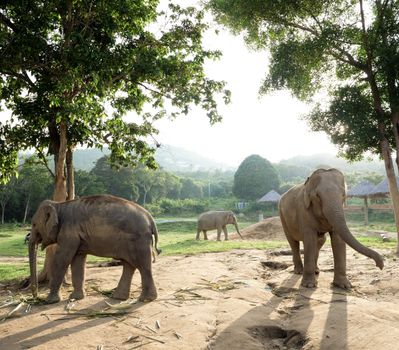
The plight of elephants in Southeast Asia, particularly those exploited for tourism, is heartbreaking. But there's a beacon of hope in ethical sanctuaries that prioritize the elephants' well-being above all else. My visit to Elephant Nature Park in Chiang Mai, Thailand, was a revelation. Here, rescued elephants roam freely, socialize, and heal from years of abuse.
There's no riding, no forced bathing, no performances. Instead, you observe them from a respectful distance, watch them forage, play in the river, and interact with their chosen herd. I remember watching an old matriarch gently guide a young calf, a scene of pure, unadulterated elephant joy. It was a powerful reminder of what true freedom looks like for these magnificent creatures.
Why it helps: Ethical sanctuaries provide a safe haven for abused and injured elephants, offering them medical care, proper nutrition, and the chance to live a natural life. Your visit and donation directly fund their rescue, rehabilitation, and ongoing care, preventing them from being exploited in the cruel tourism industry.
The Experience:
- Location: Elephant Nature Park (Chiang Mai, Thailand), Wildlife Friends Foundation Thailand (Phetchaburi, Thailand), Mondulkiri Project (Mondulkiri, Cambodia). Always research thoroughly to ensure the sanctuary is genuinely ethical – no riding, no bathing with tourists, no chains, no performances.
- Logistics: Day visits typically cost $50-$150 USD, sometimes with multi-day volunteer options available. Book well in advance.
- Tips: Look for sanctuaries that are accredited by organizations like the World Animal Protection. Ask about their rescue stories and how they ensure elephant welfare. Be prepared for walking and potentially muddy conditions.
- Instagram-worthy moment: A wide shot of elephants freely roaming a vast enclosure, a close-up of an elephant's wise eye, or a photo of yourself observing from a distance, emphasizing respect. Use #ElephantSanctuary #EthicalTravel #Thailand #SaveElephants
4. The Ocean's Embrace: Responsible Whale Watching in Canada or Mexico
There's something awe-inspiring about being in the presence of the largest mammals on Earth. My first responsible whale watching trip off Vancouver Island, Canada, was a chilly but utterly unforgettable experience. We kept a respectful distance, our boat engines quieted, as a pod of orcas breached and swam gracefully past. The sheer power and elegance of these creatures in their natural element left me speechless.
Later, off the coast of Baja California Sur, Mexico, I witnessed gray whale mothers bringing their calves right up to our small boat, seemingly out of curiosity. It was a moment of profound connection, a gentle exchange between species that felt like a blessing.
Why it helps: Reputable whale watching tours adhere to strict guidelines (e.g., speed limits, distance rules, limited boats per whale) to minimize disturbance to marine life. Many operators collaborate with marine biologists, contributing data to research and conservation efforts. Your support helps fund these studies and promotes responsible practices, protecting migratory routes and breeding grounds.
The Experience:
- Location: Vancouver Island (British Columbia, Canada for orcas, humpbacks), Baja California Sur (Mexico for gray whales), Iceland (for humpbacks, minke, orcas), Stellwagen Bank National Marine Sanctuary (Massachusetts, USA for humpbacks, fin whales).
- Logistics: Tours typically range from $70-$150 USD per person for a 2-4 hour trip. Choose operators with a strong conservation ethic.
- Tips: Dress in warm layers, even in summer, as it can be cold on the water. Bring binoculars and a good zoom lens. Choose operators that are certified by local wildlife authorities and emphasize education.
- Instagram-worthy moment: A majestic whale breaching against a dramatic ocean backdrop, a close-up of a whale's tail fluke as it dives, or a shot of your boat maintaining respectful distance. Use #WhaleWatching #MarineLife #Conservation #Canada
5. The Primate Paradise: Rehabilitating Orangutans in Borneo (Indonesia/Malaysia)
The plight of orangutans, driven to the brink by deforestation for palm oil plantations, is one of the most urgent conservation crises. Visiting a rehabilitation center in Borneo, where rescued and orphaned orangutans are prepared for reintroduction into the wild, is a deeply moving experience. At Sepilok Orangutan Rehabilitation Centre in Malaysian Borneo, I watched young orangutans learn essential survival skills in a semi-wild environment.
During feeding times, these intelligent primates descend from the trees, their ginger fur a stark contrast to the lush green. It's not a zoo; it's a second chance. Observing their playful antics and quiet determination to regain their independence left an indelible mark on my soul.
Why it helps: These centers are crucial for rescuing orangutans displaced by habitat loss, providing medical care, shelter, and teaching them how to survive in the wild. A portion of your entrance fee and any donations directly supports their ongoing care and eventual release, as well as vital research and public awareness campaigns.
The Experience:
- Location: Sepilok Orangutan Rehabilitation Centre (Sabah, Malaysian Borneo), Tanjung Puting National Park (Kalimantan, Indonesian Borneo – for multi-day river cruises with reputable eco-operators).
- Logistics: Entrance fees are typically around $10-20 USD. For multi-day river cruises in Tanjung Puting, expect to pay $500-$1500+ USD depending on duration and comfort.
- Tips: Maintain strict silence and distance. Do not feed the orangutans or attempt to touch them, as this can hinder their rehabilitation. Be patient and observe their natural behaviors.
- Instagram-worthy moment: An orangutan swinging gracefully through the trees, a baby orangutan clinging to its mother (if visible), or a wide shot of the feeding platform surrounded by dense jungle. Use #OrangutanConservation #Borneo #WildlifeRescue #EthicalTravel
6. The Polar Prowl: Observing Polar Bears in Churchill, Canada
Imagine standing on the edge of the Arctic tundra, the crisp air biting at your cheeks, and seeing a magnificent polar bear emerge from the horizon. This isn't just a dream; it's a reality in Churchill, Manitoba, often called the "Polar Bear Capital of the World." My journey there was an adventure in itself, flying into a remote town where polar bears outnumber people during migration season.
We explored the tundra in specially designed "tundra buggies," elevated vehicles that allow for safe, non-intrusive viewing. Watching these powerful predators navigate their icy landscape, sometimes even sparring playfully, was a profound experience. It highlighted their vulnerability in a rapidly changing climate and reinforced the urgency of conservation.
Why it helps: Responsible polar bear tourism in Churchill is highly regulated to ensure minimal impact on the bears. Operators work closely with conservation scientists, and tourism revenue is a significant economic driver for the local community, creating a vested interest in protecting the bears and their habitat. It also raises global awareness about climate change and its devastating effects on the Arctic.
The Experience:
- Location: Churchill, Manitoba, Canada.
- Logistics: This is an expensive trip due to the remote location and specialized tours. A multi-day package (including flights from Winnipeg, accommodation, and tundra buggy tours) can range from $5,000-$10,000+ USD. Best time to visit is October-November during migration.
- Tips: Dress in extreme cold weather gear (layers are key!). Bring a high-quality camera with a telephoto lens. Book with reputable operators like Frontiers North Adventures, who prioritize bear safety and ethical viewing.
- Instagram-worthy moment: A lone polar bear against a vast, snowy landscape, a close-up of a bear's powerful paw prints in the snow, or a shot of the tundra buggy with bears in the distance. Use #PolarBearCapital #ArcticAdventure #ClimateAction #ChurchillMB
7. The Reef's Revival: Marine Conservation Volunteering in Belize or the Maldives
My love for the ocean runs deep, and witnessing the devastating impact of climate change and pollution on coral reefs was a call to action. I spent two weeks volunteering with a marine conservation project in Belize, learning to identify coral species, monitor fish populations, and even help with coral nursery work. Diving beneath the surface, seeing the vibrant life that still thrived, and actively contributing to its recovery was incredibly rewarding.
It wasn't just about seeing the animals; it was about being part of their future. Every hour spent underwater, every piece of data collected, every coral fragment planted, felt like a tangible step towards healing our oceans.
Why it helps: Marine conservation projects are vital for protecting endangered species (like sea turtles, sharks, and countless fish), restoring damaged coral reefs, and combating pollution. By volunteering or choosing eco-certified dive operators, you directly fund scientific research, habitat restoration, anti-poaching patrols, and educational initiatives for local communities.
The Experience:
- Location: Belize Barrier Reef (Belize), various islands in the Maldives, Great Barrier Reef (Australia – look for Ecotourism Australia certified operators), Raja Ampat (Indonesia).
- Logistics: Volunteer programs can range from $500-$2000+ USD per week (often including accommodation and food). Dive tours with ethical operators are typically $50-$150 USD per dive.
- Tips: Choose PADI Green Star dive centers or projects affiliated with reputable marine conservation organizations. Be mindful of your dive practices (buoyancy control, no touching). Use reef-safe sunscreen. Consider getting your PADI AWARE certification.
- Instagram-worthy moment: A vibrant coral reef teeming with colorful fish, a sea turtle gliding gracefully, or a shot of you (or your team) actively participating in conservation work underwater. Use #MarineConservation #ReefRestoration #DiveLife #Belize
Making Your Ethical Wildlife Dreams a Reality
Embarking on these ethical wildlife experiences requires a bit more research and often a larger financial investment than typical tourist traps. But trust me, the return on that investment – in profound memories, a clear conscience, and the knowledge that you've made a real difference – is immeasurable.
Practical Tips for Ethical Wildlife Travel:
- Do Your Homework: Research, research, research! Don't just rely on pretty pictures. Look for third-party certifications (e.g., Global Sustainable Tourism Council, World Animal Protection, Ecotourism Australia).
- Read Reviews Critically: Pay attention to comments about animal welfare, guide ethics, and local community involvement.
- Ask Questions: Before booking, ask operators directly about their conservation practices, how animals are treated, and where your money goes.
- Observe, Don't Interact: True ethical encounters prioritize the animal's well-being. This means no touching, no feeding, no riding, no selfies that put you too close.
- Respect Wildlife Space: Always maintain a safe and respectful distance. Never chase, corner, or disturb animals.
- Support Local: Choose locally owned businesses, guides, and accommodation to ensure your money benefits the community that lives alongside the wildlife.
- Minimize Your Footprint: Pack reusable water bottles, avoid single-use plastics, and leave no trace.
- Educate Yourself & Others: Learn about the species you're visiting and share your ethical experiences to inspire others.
The Journey Continues
My journey into ethical wildlife travel has fundamentally changed how I see the world and my place within it. It's transformed my bucket list from a collection of "things to see" into a mission of "ways to help." These aren't just trips; they are pilgrimages to the heart of the wild, where every step you take, every dollar you spend, becomes a vote for a healthier, more compassionate planet.
So, what are you waiting for? Start planning your next adventure. Choose an experience that not only fills your soul but also helps protect the magnificent creatures that call this Earth home. Let's make our travel legacy one of conservation, connection, and profound respect.
Which ethical wildlife experience is calling your name? Share your thoughts and plans in the comments below! And don't forget to share this guide with fellow travelers who want to make a difference.
---