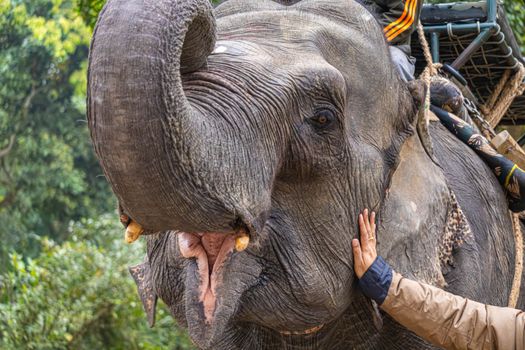
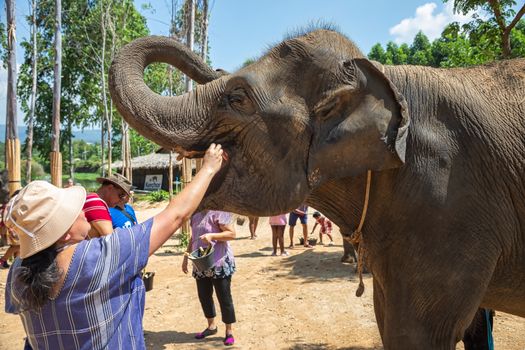
I remember the first time I saw it. It was a scorching afternoon in Southeast Asia, and I was wandering through a bustling tourist market. There, tied to a short chain, was a beautiful, majestic elephant. Tourists, mostly young women with perfectly styled hair and designer bags, were lining up, phones out, to pose for a picture, some even riding on its back. The elephant swayed slowly, its eyes dull, its spirit seemingly broken. My heart, usually buzzing with the excitement of travel, sank.
For years, like many of you, I'd been scrolling through Instagram, admiring stunning photos of people petting tiger cubs, riding elephants, or holding sloths. It looked magical, a dream come true. But that day, seeing the reality up close, a chilling thought struck me: what if these 'dream' experiences were actually nightmares for the animals?
The more I researched, the more horrified I became. The truth is, many of those picture-perfect moments you see online are built on exploitation, abuse, and the systematic suffering of innocent creatures. Influencers, often unknowingly (or sometimes, let's be honest, knowingly), perpetuate a cycle of demand for these unethical interactions, prioritizing likes over animal welfare.
But here’s the secret they don't want you to know: there’s a whole world of wildlife experiences out there that are not only breathtakingly beautiful but also genuinely beneficial to the animals and their ecosystems. These aren't just photo ops; they're opportunities for profound connection, learning, and making a real, positive impact. At Tripsora, we believe in travel that enriches both the traveler and the world, and that definitely includes our incredible wildlife.
So, if you’re ready to ditch the guilt, skip the staged selfies, and discover how to truly help animals while having the adventure of a lifetime, keep reading. This isn't just a guide; it's an invitation to a more conscious, impactful, and ultimately, more rewarding way to explore our wild world.
The Hard Truth: Why Many "Wildlife Experiences" Harm (And How to Spot Them)
Let's get this out of the way first. It's painful, but necessary. The sad reality is that many popular "wildlife attractions" are designed purely for human entertainment, often at a severe cost to the animals involved.
- Elephant Riding & Shows: To make an elephant docile enough for riding or performing tricks, they often undergo a brutal process called "phajaan" or "crushing," involving starvation, beatings, and psychological torture. Their spirits are broken, and they live in constant fear.
- Petting & Cuddling Wild Animals (Tigers, Lions, Sloths, etc.): Wild animals are not pets. Cubs used for petting are often taken from their mothers at a very young age, leading to immense stress and developmental issues. Once they grow too large to be safely handled, their fate is often grim. Sloths, often depicted as cute and cuddly, are highly susceptible to stress from human contact, which can lead to illness and even death.
- "Walking with Lions/Cheetahs": These animals are often habituated to humans through cruel training methods or are captive-bred specifically for these interactions, with no hope of ever being released into the wild.
- Dolphin & Whale Shows: These intelligent, social creatures are confined to small tanks, forced to perform unnatural tricks, and separated from their pods, leading to immense psychological distress.
- Roadside Zoos & Canned Hunting Operations: These are often poorly regulated, providing inadequate care, cramped enclosures, and sometimes even breeding animals for hunting.
The "influencer trap" here is insidious. A beautiful photo with a seemingly happy animal can garner thousands of likes, creating a false perception of ethical interaction. People see their idols doing it and assume it's okay, perpetuating the demand. But behind the filters and perfect angles, there's often a lifetime of suffering for the animal.
Your Actionable Tip: If an experience allows you to ride, touch, hold, or take a selfie with a wild animal, it's almost certainly unethical. A good rule of thumb: if you're paying to interact directly with a wild animal, walk away.
Decoding Ethical Wildlife Travel: What to Look For
So, how do you ensure your wildlife adventure is a force for good? It boils down to a few key principles:
- Observation, Not Interaction: The golden rule. The best wildlife experiences involve observing animals in their natural habitats, from a respectful distance, without disturbing them.
- Supporting Local Conservation: Choose operators and organizations that actively contribute to wildlife protection, habitat preservation, and community empowerment. Look for transparency in how they use their funds.
- Accreditation & Reputation: Research, research, research! Look for certifications from reputable bodies (e.g., Global Federation of Animal Sanctuaries, World Animal Protection's "Wildlife-Friendly" recommendations, local government conservation agencies). Read reviews beyond just the "fun" factor; look for comments on animal welfare.
- Small Group Sizes: Smaller groups minimize disturbance to wildlife and allow for a more intimate, less impactful experience.
- Education Focused: Ethical operations prioritize educating visitors about the animals, their behavior, and conservation challenges.
- Leave No Trace: Adhere to strict guidelines about not littering, not feeding animals, and staying on designated paths.
Greenwashing Alert: Be wary of terms like "eco-friendly" or "sustainable" without further evidence. Many businesses use these terms without genuinely upholding ethical practices. Dig deeper!
Immersion, Not Intervention: Observing Wildlife in the Wild
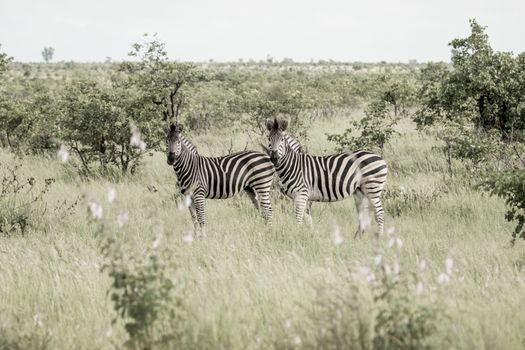
This is where the magic truly happens. There’s nothing quite like witnessing animals thrive in their natural environment, completely unburdened by human interference.
1. The Thrill of the Safari: Kruger National Park, South Africa
My first safari in Kruger was transformative. Waking up before dawn, the air crisp and cool, then setting out in an open-sided 4x4 with an experienced guide – it’s an adventure unlike any other. We spent hours tracking, learning to read the subtle signs of the bush: a broken branch, fresh paw prints, the alarm call of an impala.
I remember one morning, we rounded a bend and there they were: a pride of lions, a magnificent male with his mane catching the golden light, surrounded by lionesses and playful cubs. They paid us no mind, simply existing. We kept a respectful distance, engine off, just listening to the sounds of the bush and the gentle purrs of the cubs. It wasn't about a selfie; it was about the profound privilege of witnessing their wild existence.
- How it helps: Responsible safari operators adhere to strict regulations, ensuring minimal disturbance to animals. Your park fees directly fund anti-poaching efforts, habitat protection, and community development around the park. Guides are often local experts who understand animal behavior and prioritize their welfare.
- Practical Tips: Choose tour operators with excellent conservation credentials (e.g., those part of SATSA or Fair Trade Tourism). Opt for smaller, owner-operated lodges that actively invest in local communities and conservation. Expect safari costs to range from $300 - $1000+ per person per day depending on luxury and duration, but remember this directly supports the ecosystem.
2. The Galapagos Islands, Ecuador: A Living Laboratory
The Galapagos is a masterclass in ethical ecotourism. Strict rules govern every aspect of your visit, ensuring minimal human impact on its unique biodiversity. You visit with a licensed naturalist guide, stay on designated paths, and are taught to maintain a respectful distance from the incredibly fearless wildlife.
I once spent an hour on a beach, watching a sea lion pup try to coax its mother into playing, completely oblivious to my presence just a few feet away. On another island, marine iguanas scurried across volcanic rocks, and blue-footed boobies performed their comical mating dances. It felt like stepping into a documentary.
- How it helps: The high cost of visiting (often $3,000 - $7,000+ for a week-long cruise excluding flights) directly funds the Galapagos National Park's conservation efforts, research, and anti-poaching patrols. The strict regulations protect delicate ecosystems.
- Practical Tips: Book with reputable tour operators that have a strong environmental policy and small-group cruises. Ensure your guide is a certified Galapagos National Park Naturalist.
Direct Impact: Supporting Rehabilitation & Conservation Centers
While observing animals in the wild is paramount, sometimes animals need direct human intervention due to injury, poaching, or habitat loss. Ethical rehabilitation centers provide a crucial lifeline.
1. Sepilok Orangutan Rehabilitation Centre, Borneo, Malaysia
Visiting Sepilok was one of the most heartwarming experiences of my life. This center rescues orphaned and injured orangutans, rehabilitates them, and aims to release them back into the wild. You observe from elevated platforms as young orangutans learn essential survival skills like climbing and foraging.
I watched a young orangutan, no bigger than a toddler, tentatively swing between ropes, encouraged by the watchful eyes of the carers. There's no direct contact for tourists, which is exactly how it should be. The focus is entirely on the orangutans' journey back to freedom.
- How it helps: Your entrance fee (around RM30-50, approx. $7-12 USD) and any donations directly fund the care, feeding, and rehabilitation of these critically endangered primates. It also supports vital research and anti-poaching initiatives.
- Practical Tips: Look for centers that emphasize rehabilitation and release, with minimal human interaction. Avoid places that offer "cuddle" or "petting" opportunities, as these are detrimental to the animals' chances of returning to the wild. Check if they are accredited by organizations like the Global Federation of Animal Sanctuaries (GFAS).
2. Wildlife SOS, India (Elephant Conservation and Care Centre)
In Mathura, India, Wildlife SOS runs an incredible Elephant Conservation and Care Centre that rescues elephants from abusive situations (like begging, circuses, or illegal logging). Here, you won't find rides or shows. Instead, you'll see elephants receiving expert veterinary care, enjoying spacious enclosures, and even swimming in large pools.
I spent an afternoon observing a rescued elephant named Laxmi, who had suffered severe foot injuries from walking on hot asphalt for years. Seeing her gently interacting with her caregivers, finally free from pain and fear, was incredibly moving. The guides shared her story, highlighting the immense challenges these magnificent creatures face.
- How it helps: Your visit and donations directly support the rescue, medical treatment, and lifelong care of these elephants. Wildlife SOS also runs anti-poaching programs and works on human-wildlife conflict mitigation.
- Practical Tips: Verify that the center prioritizes the welfare of the animals above all else. A true sanctuary will not offer rides, shows, or any form of direct human entertainment involving the animals. Check their website for transparency reports and testimonials.
Beyond Observation: Active Conservation Voluntourism (The Right Way)
Volunteering with animals can be incredibly rewarding, but it's crucial to distinguish genuine conservation work from exploitative "voluntourism" scams. The ethical approach involves supporting scientific, long-term projects where your efforts contribute meaningfully, not just for a feel-good photo op.
Marine Conservation in Belize (or Costa Rica/Indonesia)
I spent two weeks volunteering with a marine conservation project off the coast of Belize. We weren't petting dolphins or feeding sharks. Instead, our days involved learning to identify reef fish species, conducting underwater surveys to monitor coral health, and participating in beach cleanups. It was hard work – early mornings, long dives, and meticulous data entry – but immensely satisfying.
Learning to identify hundreds of fish species, understanding the delicate balance of the reef ecosystem, and knowing that my data contributed to scientific research felt far more impactful than any superficial interaction. My hands were often pruned, and my hair was perpetually salty, but my heart was full.
- How it helps: Ethical marine conservation projects contribute to scientific understanding, inform policy decisions, protect endangered species (like sea turtles through nest monitoring), and help preserve vital marine ecosystems. You're working alongside scientists and local communities.
- Practical Tips: Research organizations thoroughly. Look for projects with a clear scientific agenda, long-term goals, and transparent reporting. Avoid programs that promise direct animal handling for untrained volunteers or that seem more like a holiday camp. Be prepared to pay for your volunteer experience – this covers your accommodation, food, training, and contributes to the project's operational costs (often $500 - $2000+ per week).
Local Communities & Sustainable Ecotourism
True ethical wildlife travel isn't just about animals; it's about people too. When local communities benefit directly from conservation and ecotourism, they become powerful allies in protecting their natural heritage.
Community-Based Ecotourism in the Peruvian Amazon (Tambopata Research Center)
Imagine staying in a lodge deep in the Amazon, co-managed by indigenous communities. That's what you find in places like the Tambopata Research Center in Peru. Guides are often from local villages, sharing their ancestral knowledge of the rainforest, its plants, and its incredible wildlife.
My guide, Juan, grew up in a nearby community. He could spot a sloth camouflaged high in a tree that I would have walked past a hundred times. He taught me about medicinal plants, the calls of different monkeys, and the importance of preserving the forest for his children's future. It was an immersive cultural exchange that deepened my appreciation for both the environment and its custodians.
- How it helps: This model provides sustainable income, employment, and education opportunities for local people, giving them a strong incentive to protect the rainforest and its wildlife rather than resorting to logging or poaching. A portion of your stay often goes directly to community development projects.
- Practical Tips: Seek out lodges and tours that explicitly state their commitment to community involvement and fair trade practices. Ask about staff wages, training programs for locals, and direct benefits to indigenous groups. Expect prices for multi-day Amazon tours to range from $500 - $2000+, depending on the lodge and activities.
Making Your Mark: The Power of Conscious Travel
The influencers might not be shouting about these experiences from the rooftops, because they often require more effort, more research, and sometimes, a little less "glam." But what they offer in return is infinitely more valuable: genuine connection, profound learning, and the satisfaction of knowing your travel dollars are truly making a difference.
Every time you choose an ethical wildlife experience, you’re sending a powerful message to the tourism industry. You’re voting with your wallet for animal welfare, conservation, and sustainable practices. You're becoming an ambassador for a better kind of travel.
So, next time you're planning an adventure, pause before you click on that picture-perfect animal selfie. Ask yourself: Is this truly helping, or is it harming? Then, armed with this knowledge, choose the path less Instagrammed, the path of impact, awe, and authentic connection.
Your Call to Action: Ready to embark on an ethical wildlife adventure? Start researching, share this post with your fellow travelers, and let's collectively shift the narrative towards responsible tourism. Use #TripsoraEthicalWildlife to share your own impactful journeys and inspire others!
---