Your Ticket to a Better World: Wildlife Experiences That Actually Help Animals and Blow Your Mind
I'll never forget the pit in my stomach as I watched the "trained" macaques perform tricks for tourists in a bustling market in Southeast Asia. Their eyes, once bright and wild, now held a vacant, almost defeated look. The leashes around their necks and the forced smiles of their handlers painted a picture far removed from the joyful interaction I’d naively imagined. That day, something shifted within me. I realized that my desire to connect with wildlife, however well-intentioned, could inadvertently fuel exploitation if I wasn't careful.
That moment was a turning point. It kickstarted a personal quest – and now, a professional mission here at Tripsora – to uncover and champion wildlife experiences that don’t just entertain, but genuinely help animals. Experiences where your travel dollars become a force for good, directly funding conservation, rehabilitation, and the protection of precious habitats. And let me tell you, the journey has been nothing short of mind-blowing.
Forget the guilt-trips and the tourist traps. We're talking about profound, authentic encounters that leave you with a full heart, incredible stories, and the knowledge that you’ve played a part in making the world a little bit better for our wild friends. Get ready to dive into the kind of adventures that will change your perspective on travel forever.
1. The Ethical Safari: Where Your Gaze Protects the Wild Heart of Africa
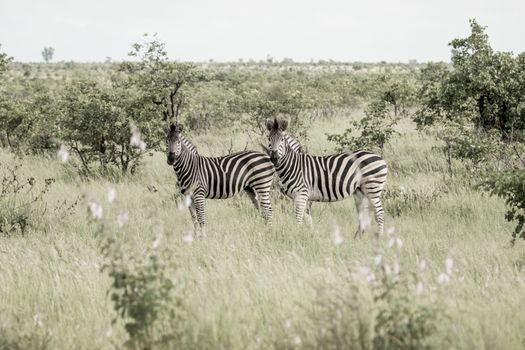
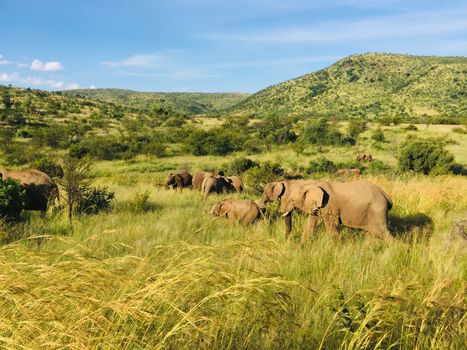
Imagine this: The African sun dips below the horizon, painting the savanna in fiery hues of orange and purple. A majestic lioness, her cubs nestled close, pads silently through the tall grass, completely undisturbed by your presence in a distant, open-sided vehicle. This isn't just a scene from a documentary; it's an ethical safari experience, and it's transformative.
For years, safaris have been the quintessential wildlife dream, but not all safaris are created equal. An ethical safari goes beyond just spotting the "Big Five." It’s about choosing operators who are deeply committed to conservation, anti-poaching efforts, community empowerment, and scientific research. Your lodge fees and guiding costs directly fund these vital initiatives, ensuring that the incredible landscapes and their inhabitants thrive for generations to come.
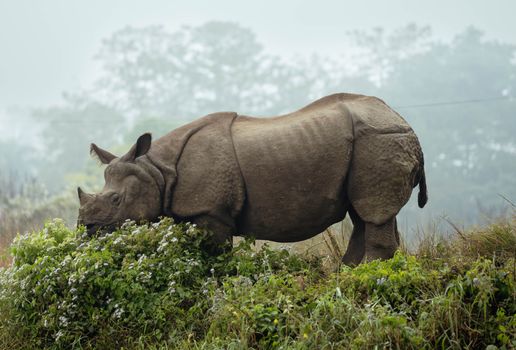
My Personal Glimpse: I remember a particular morning in South Africa’s Kruger National Park, staying at a lodge bordering the park, which actively supports local anti-poaching units. Our ranger, Thabo, pointed out a black rhino – a critically endangered species – grazing peacefully. He explained how the lodge's conservation levy directly funded the armed patrols that protected this very rhino and its kind. Seeing that magnificent animal, knowing my presence wasn't just observing, but actively contributing to its survival, sent shivers down my spine. It wasn't just a safari; it was an investment in the future of an entire species.
What to Look For (and Ask!):
- Conservation Contributions: Does a portion of your fee go directly to local conservation projects, anti-poaching, or community development? Ask for specifics.
- Eco-Friendly Practices: Are lodges low-impact? Do they use renewable energy, minimize waste, and source locally?
- Trained & Local Guides: Are guides highly knowledgeable, respectful of wildlife, and from local communities, ensuring fair wages and economic benefits?
- Vehicle & Viewing Ethics: Are vehicles limited in number and kept at a respectful distance? Is off-roading minimized or prohibited?
- Certifications: Look for certifications from organizations like Fair Trade Tourism, EcoTourism Kenya, or Green Globe.
Specifics for Your Safari Dream:
- Maasai Mara, Kenya: Many camps work directly with Maasai communities, leasing land for conservation and providing employment, ensuring wildlife corridors remain open. Expect to pay anywhere from $400-$1500+ per person per day, depending on luxury and exclusivity.
- Serengeti, Tanzania: Similar to the Mara, ethical operators here are crucial for protecting the Great Migration and its surrounding ecosystems. Prices are comparable to Kenya.
- Okavango Delta, Botswana: Known for its high-end, low-impact tourism. Many lodges are community-owned or have strong community partnerships. Can be pricier, often $800-$2000+ per person per day, but the impact is significant.
2. Sanctuaries of Hope: Providing a True Haven for the Rescued
The word "sanctuary" is often misused in animal tourism, leading many well-meaning travelers astray. A true animal sanctuary is a non-profit organization dedicated to providing lifelong care for rescued, abused, or abandoned animals, with no breeding, no performing, and absolutely no commercial exploitation. They exist solely for the welfare of the animals, offering them a safe haven, rehabilitation, and a chance at a life free from suffering.
Visiting an ethical sanctuary is a profound experience. You witness incredible resilience and the tireless dedication of staff and volunteers. Your entry fee or donation directly funds food, medical care, enclosure maintenance, and rescue operations – giving these animals a second chance.
My Heart-Melting Encounter: My visit to the Libearty Bear Sanctuary in Romania remains one of my most cherished memories. This sanctuary, nestled in the Carpathian Mountains, rescues bears that have been cruelly kept in tiny cages, forced to perform, or abandoned. I watched a magnificent male bear, once a captive performer, splash joyfully in a large pool, his coat gleaming in the sun. The sheer scale of the enclosures, the natural environment, and the obvious lack of human interaction (other than feeding and medical care) spoke volumes. It was humbling to see these animals finally experience what a bear's life should be. Entrance fees are around €10-€20, and they rely heavily on donations.
How to Spot a True Sanctuary:
- No Direct Contact/Petting: Ethical sanctuaries prioritize the animals' well-being and natural behaviors. There should be no opportunities for tourists to pet, ride, or hold wild animals.
- No Breeding or Buying: Animals are rescued, not bred or bought.
- Natural Habitats: Enclosures should be spacious, natural, and mimic the animals' wild environment as closely as possible.
- Focus on Education: The primary goal of visitor interaction should be education about the species and the individual animals' stories.
- Transparency: Reputable sanctuaries are open about their finances and operations.
- Accreditation: Look for accreditation from organizations like the Global Federation of Animal Sanctuaries (GFAS).
Sanctuaries Making a Real Difference:
- Elephant Nature Park, Thailand: A pioneer in ethical elephant tourism, rescuing elephants from abusive logging and tourism industries. Visitors can observe elephants in their natural social groups, walk with them, and help prepare food. Expect to pay around 2,500-6,000 THB ($70-$170 USD) for a day visit, which includes transport and food. Book well in advance!
- Borneo Orangutan Survival Foundation (BOSF), Indonesia: Supporting the rehabilitation and reintroduction of orphaned and displaced orangutans. While direct contact is limited for the animals' health and safety, you can visit their education centers and learn about their incredible work. Donations and volunteer opportunities are available.
- The Gorilla Doctors, Rwanda/Uganda/DRC: Not a sanctuary you visit directly, but an incredible organization you can support. They provide life-saving veterinary care to wild mountain gorillas. If you go gorilla trekking (an ethical experience in itself), your permit fee helps fund these efforts. Gorilla trekking permits are steep ($1500 USD in Rwanda, $700 USD in Uganda), but a significant portion goes directly to conservation and local communities.
3. Diving into Conservation: Protecting Our Underwater Worlds
The ocean, a vast and mysterious realm, is facing unprecedented threats. But imagine donning a mask and fins, not just for a beautiful swim, but to actively participate in its restoration. Marine conservation experiences allow you to do just that – becoming an underwater guardian, even if just for a day.
From planting coral to monitoring marine life, these experiences offer an unparalleled connection to the ocean while contributing directly to its health. Your participation helps fund research, habitat restoration, and local educational initiatives that are vital for the survival of countless species.
My Coral Reef Revival: I once spent a week in the Philippines, volunteering with a local organization focused on coral reef restoration. We learned about the devastating impact of dynamite fishing and climate change, then, armed with tiny coral fragments and epoxy, we descended to a damaged reef. Carefully, we attached new coral polyps to existing structures, hoping to jumpstart a new colony. The water was warm, the fish were curious, and the feeling of contributing to something so vital was immense. It was painstaking work, but knowing that each tiny fragment could grow into a vibrant home for marine life was incredibly rewarding. Costs for such programs vary widely, but often include accommodation and food, ranging from $500-$1500 USD for a week or two.
How to Be a Responsible Ocean Explorer:
- Choose Eco-Certified Dive Operators: Look for PADI Green Star Dive Centers or operators adhering to strict environmental guidelines.
- "Look, Don't Touch": Never touch coral, marine animals, or disturb their habitats.
- Reef-Safe Sunscreen: Chemical sunscreens are highly damaging to coral. Opt for mineral-based, reef-safe alternatives.
- Buoyancy Control: If diving, master your buoyancy to avoid accidental contact with the reef.
- Support Local Initiatives: Choose tours run by local communities that directly benefit from marine conservation.
Where to Make Waves for Conservation:
- Great Barrier Reef, Australia: Despite its challenges, many organizations are actively working on coral restoration and protection. Companies like Reef Teach in Cairns offer educational experiences, and some dive operators partner with conservation groups. Dive trips can range from $150-$400+ AUD per day.
- Raja Ampat, Indonesia: Known as the "Amazon of the Seas," this region boasts incredible biodiversity. Choose eco-lodges that work with local communities and support marine protected areas. Diving here is a dream, but also more remote and costly, often $2000-$5000+ USD for a week-long liveaboard.
- Galápagos Islands, Ecuador: Strict regulations protect this unique archipelago. Only approved tour operators can visit, and a portion of your tour fee and park entrance fee ($100 USD) goes directly to conservation and research efforts. Liveaboard cruises typically range from $3000-$8000+ USD for 7 days.
4. Wildlife Volunteering: Get Your Hands Dirty for a Cause
If you crave a deeper, more immersive experience than just visiting, wildlife volunteering might be your calling. This isn't a vacation; it's a commitment. You'll work alongside dedicated conservationists, getting your hands dirty and contributing directly to animal welfare or habitat protection.
Volunteer roles can range from monitoring endangered species, assisting in wildlife rehabilitation centers, conducting research, or helping with habitat restoration. It's physically and emotionally demanding, but the reward of knowing you've made a tangible difference is immense.
My Unforgettable Turtle Patrol: My most intense volunteering experience was in Costa Rica, patrolling beaches at night for nesting sea turtles. We walked miles in the dark, under a canopy of stars, searching for the tell-tale tracks of a mama turtle coming ashore. When we found one, we’d carefully collect data, measure her, and ensure her nest was safe from poachers. The first time I witnessed hundreds of tiny hatchlings erupt from the sand and scramble towards the ocean under the moonlight, I literally cried. It was a profound connection to the circle of life, knowing our efforts directly increased their chances of survival. Volunteer programs for sea turtle conservation often cost $400-$1000 USD per week, covering accommodation, food, and project fees.
Things to Consider Before You Volunteer:
- Reputable Organizations: Research thoroughly! Look for organizations with a proven track record, clear objectives, and positive reviews from past volunteers. Avoid programs that exploit animals for tourist interaction.
- Real Work, Not Just Petting: Ethical volunteering involves actual conservation work, not just cuddling baby animals (which is often detrimental to their rehabilitation).
- Skills & Fitness: Be honest about your abilities. Some roles require specific skills or a good level of physical fitness.
- Costs & Funding: Volunteer programs often have fees to cover your accommodation, food, and contribute to project costs. Be transparent about where your money goes.
- Duration: Decide how long you can commit. Even a week can make a difference, but longer stints often allow for deeper involvement.
Volunteer Opportunities Worth Exploring:
- Sea Turtle Conservation (Costa Rica, Greece, Malaysia): Numerous projects protect nesting sites and hatchlings.
- Wildlife Rehabilitation Centers (various locations): Assist with animal care, feeding, and enclosure maintenance (e.g., wildlife hospitals in Australia for injured marsupials).
- Primate Monitoring (Uganda, Rwanda): Work with researchers tracking gorillas or chimpanzees in their natural habitats.
- Penguin Rehabilitation (South Africa): Assist with cleaning, feeding, and caring for injured or oiled penguins at facilities like SANCCOB in Cape Town.
5. Community-Based Conservation: Empowering Locals, Protecting Wildlife
True conservation success often hinges on the involvement and empowerment of local communities. When people living alongside wildlife see direct benefits from its protection, they become its most passionate guardians. Community-based conservation projects are designed to create sustainable livelihoods that are intrinsically linked to healthy ecosystems and thriving wildlife populations.
By choosing to support these initiatives, you're not just helping animals; you're investing in human well-being, education, and economic development, creating a virtuous cycle where both people and nature flourish.
My Experience in Namibia's Conservancies: Namibia is a shining example of this model. I spent time in a rural conservancy in the Kunene Region, staying at a small, community-owned campsite. Our guides were local Himba people who had once viewed wildlife as a threat to their livestock. Now, through ecotourism, they were earning an income from guiding, tracking desert-adapted elephants and rhinos, and sharing their culture. They were fiercely proud of their wildlife, because it directly benefited their families and communities. The sense of ownership and responsibility was palpable. A night at a community campsite might cost $20-$50 USD, with guided activities extra, but every dollar stays local.
How to Support Community-Led Conservation:
- Choose Local Operators: Prioritize tours, lodges, and guides that are locally owned and operated.
- Stay in Community-Run Accommodation: These often directly fund local initiatives.
- Buy Local Crafts: Ensure your purchases directly benefit the artisans.
- Engage Respectfully: Learn about local customs and traditions, and interact with an open mind and heart.
- Ask About Benefit Sharing: Inquire how tourism revenue is distributed within the community.
Pioneering Community Initiatives:
- Namibia's Communal Conservancies: A globally recognized success story, where local communities manage and benefit from wildlife resources.
- Amazonian Community Lodges (Ecuador, Peru, Brazil): Many lodges are owned and operated by indigenous communities, offering authentic cultural experiences while protecting the rainforest and its inhabitants. Expect to pay $150-$400+ USD per person per night for an all-inclusive stay.
- Bhutan's High-Value, Low-Impact Tourism: Bhutan's unique approach ensures that tourism benefits its people and preserves its pristine environment. While the daily tariff ($200-$250 USD per person per day) is higher, it includes accommodation, food, guide, and a significant portion goes to free education, healthcare, and infrastructure.
6. Responsible Wildlife Photography: Capture Beauty, Leave No Trace
In our Instagram-driven world, the desire to capture that perfect wildlife shot is strong. But responsible wildlife photography is an art that requires patience, respect, and a deep understanding of animal behavior. Your stunning photos can inspire others to care, but only if they're taken ethically, without disturbing or stressing the animals.
This isn't just about getting a good shot; it's about being a silent observer, a respectful guest in their home, and using your lens as a tool for advocacy, not exploitation.
My Patience Paid Off: I remember spending hours in a hide in Hungary, waiting for European rollers – vibrant, iridescent birds – to appear. It was hot, cramped, and quiet. But then, a flash of turquoise and rust, and a pair landed on a branch just outside. I took my shots, heart pounding, but always from a distance, with a long lens, ensuring my presence was completely unnoticed. The resulting images were not just beautiful; they felt earned, a testament to patience and respect.
Ethical Photography Guidelines:
- Long Lenses Are Your Friend: Get close with your zoom, not your body. Maintain a respectful distance to avoid disturbing animals.
- Never Bait or Lure: Do not use food or calls to attract animals for a photo.
- No Flash Photography: Especially at night or with sensitive species, flash can disorient and harm animals.
- Stay on Designated Paths: Do not trample vegetation or disturb nesting sites.
- Be Patient and Silent: Let the animals come to you (if they choose), and observe their natural behavior.
- Research Species: Understand the behavior and sensitivities of the animals you hope to photograph.
- Prioritize Animal Welfare: If an animal shows signs of stress (changing behavior, looking at you intently), back off. No photo is worth harming an animal.
Your Journey of Impact Starts Now!
The world is full of incredible wildlife, and our role as travelers is more important than ever. We have the power to choose experiences that not only fulfill our wanderlust but actively contribute to the protection and survival of these magnificent creatures and their habitats.
From the sweeping savannas of Africa to the vibrant coral reefs of the Pacific, from the ancient forests of Borneo to the community-led conservancies of Namibia, every ethical choice you make sends a ripple of positive change. These aren't just "feel-good" trips; they are profound, educational, and deeply impactful journeys that will blow your mind and leave an indelible mark on your soul.
So, are you ready to trade guilt for genuine connection? Are you ready to see the world's wildlife through a lens of respect and responsibility? Start planning your next ethical adventure today. Research, ask questions, and choose wisely. Your next unforgettable experience could be the one that helps save a species, empowers a community, and truly changes the world.
Share your ethical wildlife adventures with us! What mind-blowing experiences have you had that helped animals? Tag Tripsora and inspire fellow travelers to make a difference!
---