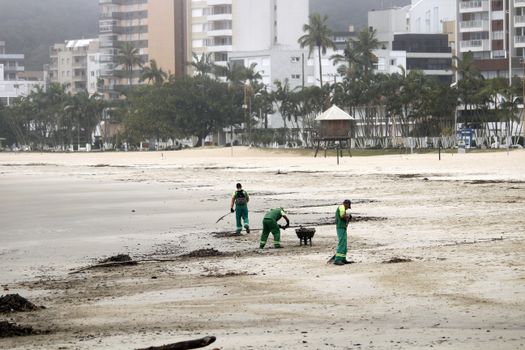
Stories about places that "pay" visitors to clean beaches are tempting, but the real value of a beach cleanup trip is rarely a payout. It is the experience of doing something useful with local people, in a place you care about. If you are new to this kind of travel, a clear checklist helps. This guide skips the hype, and focuses on what you can control: choosing a trustworthy group, preparing properly, staying safe and avoiding the mistakes that make well-meant efforts less helpful than they could be.
Step one: be clear about what you want
Different goals call for different approaches. Ask yourself:
- Do I want a one-morning activity or a multi-week volunteer placement?
- Am I looking to meet people, learn about marine life or simply give back?
- How much can I spend? Some programs are free, some charge for accommodation and meals.
- How physically active do I want to be?
- Am I traveling alone, with a partner, as a family or in a group?
Your answers narrow the field. A weekend visitor will probably join a free community cleanup, while someone staying a month might look at a structured conservation program.
Step two: understand the types of opportunities
- Community cleanups. Organized by local groups, schools, surf clubs or dive shops. Usually free, short and informal.
- Lodge or hotel activities. Some eco-minded properties organize cleanups for guests, occasionally with a small thank-you such as a drink or a discount.
- Conservation programs. Longer placements, often involving turtle protection, reef monitoring or beach surveys. These typically have a fee that covers food, housing and operating costs.
- Tours with a cleanup element. Some boat trips, kayak tours and hiking tours include a short litter pick-up.
- Do-it-yourself cleanups. Picking up litter on your own, with local permission and sensible precautions.
Be skeptical of any listing that promises wages, large cash rewards or free luxury trips in exchange for casual litter picking. Genuine perks are usually modest.
Step three: vet the organizer
Use this checklist before committing money or time.
- Identity. Can you find a named organization, a physical location and a contact person?
- Track record. Are there photos and reports from past events, and do the details match?
- Local involvement. Are local people involved in leading or staffing the project?
- Transparency. Are costs explained clearly? Is there information about where fees go?
- Waste plan. What happens to the rubbish after collection? Is it recycled, taken to a proper facility or simply dumped nearby?
- Safety. Is there a briefing, first aid and guidance about hazards?
- Communication. Do they reply promptly and honestly to questions?
- Child safeguarding. If the project involves children or orphanages, be cautious. Responsible programs avoid activities that put visitors in unsupervised contact with vulnerable children.
If several of these are missing, look elsewhere.
Step four: prepare for the day
Clothing and gear
- Closed shoes or sturdy sandals
- Gloves, if not provided
- Sun hat, sunglasses and high-factor sunscreen
- Long, light clothing for sun protection
- Refillable water bottle
- Small backpack
- A reusable bag for your own use
Health and comfort
- Drink water regularly, and take breaks in the shade.
- Eat before you start.
- Carry basic first aid, like plasters and antiseptic.
- Check whether your vaccinations, including tetanus, are up to date. This is general information only. Ask a doctor or travel clinic for personal advice.
- Know the tide times and local hazards, such as strong currents or jellyfish.
Logistics
- Confirm the meeting time and place.
- Ask about transport and whether you need to bring your own.
- Check the weather forecast and plan for rain or heat.
- Tell someone where you are going.
Step five: during the cleanup
- Listen to the briefing. Organizers know the beach, the risks and the plan.
- Pick up with care. Use gloves and avoid touching sharp, unknown or hazardous items. Report needles, chemicals, ropes with heavy netting or other large items to organizers rather than lifting them.
- Look out for wildlife. Avoid nests, hatchlings and shorebirds. Do not move animals unless instructed by experts.
- Leave natural items. Driftwood, seaweed and shells are part of the beach ecosystem.
- Sort as instructed. Separating recyclables, general waste and special items helps with proper disposal.
- Record what you find if asked. Data about items collected helps researchers and campaigners.
- Stay hydrated and pace yourself. It is more tiring than it looks.
Common mistakes to avoid
Mistake one: expecting payment
Almost no program pays visitors. Planning a trip around an imagined reward leads to disappointment. Treat any perk as a bonus.
Mistake two: paying large fees without checking
High fees do not guarantee quality. Ask for a breakdown, and compare with similar programs.
Mistake three: treating it as a photo opportunity
Photos are fine, especially if they help organizers raise awareness. But the work comes first, and local people should be respected and not used as props.
Mistake four: cleaning where you should not
Some beaches are protected, such as turtle nesting sites or bird colonies, and entry may be restricted at certain times. Ask before you start a DIY cleanup.
Mistake five: leaving bags behind
Collecting litter and leaving bags on the beach to be washed away defeats the purpose. Know where bags will be taken, or carry them to proper bins.
Mistake six: ignoring the local economy
Cleaning for free can be a gift, but make sure you are not replacing paid local workers. Buy food, hire guides and stay in locally owned places to support the community.
Mistake seven: overlooking your own footprint
A long-haul flight to pick up litter has a considerable carbon cost. Consider joining cleanups closer to home as well, or pair travel with other worthwhile activities and stay longer.
Doing your own cleanup responsibly
A DIY cleanup can be simple and rewarding, if you take care.
- Ask a local, such as a hotel owner or lifeguard, whether it is fine and where to leave rubbish.
- Take a bag and gloves, and a bottle of water.
- Focus on small, manageable stretches, particularly the high-tide line, where debris collects.
- Avoid anything dangerous.
- Take your collection to an appropriate bin or collection point.
- Wash your hands afterwards.
Even ten minutes with a bag as you walk can make a difference to the stretch you enjoy.
Planning the rest of the trip
A cleanup is more satisfying when it is part of a well-rounded day. After the work, you might:
- Join the organizers for a meal or coffee.
- Take a swim or snorkel, if the water is safe.
- Learn about local fishing or boat building.
- Visit a nearby market, museum or historic site.
- Rest. Sun and exertion can tire you more than expected.
What happens after you leave
The best cleanups lead to continuing habits. Before you go home, think about:
- Donating to the local group, if you can.
- Sharing honest feedback with the organizers.
- Telling friends about the group's work.
- Reducing single-use plastic in daily life.
- Joining a cleanup near your home.
These actions extend the value of your time.
A printable checklist summary
If you like to tick things off, here is a condensed version to save on your phone.
Before booking
- Decide on length, budget and type of program.
- Find at least two independent sources about the organizer.
- Ask about costs, waste disposal and local staff.
- Check dates against tides, nesting seasons and weather.
Before leaving home
- Pack closed shoes, gloves, sun protection and a bottle.
- Review health advice with a professional.
- Buy travel insurance that suits volunteering activities, and read exclusions.
- Share your plans with someone at home.
On the day
- Attend the briefing and follow instructions.
- Drink water, rest and use shade.
- Avoid hazardous items and wildlife.
- Take rubbish to the right place.
Afterwards
- Thank the organizers and consider a donation.
- Share honest, balanced feedback.
- Keep up low-waste habits.
How to talk about your trip afterwards
When you get home, you may want to share what you did. The most helpful way is to be accurate and modest. Describe what the group does, credit the local people who lead it and avoid claiming that you "saved" a beach. A few hours of effort is a meaningful contribution, but the real work is done by people who return to the same shore week after week. Pointing friends to the group, sharing how they can donate or join, and being honest about both the rewards and the limits of volunteering travel is more valuable than a dramatic photo.
Questions to ask yourself afterwards
Reflection turns a pleasant morning into a lasting habit. Consider what surprised you about the litter you found, whether you could have reduced similar waste on your own trip, what the local group needs that you could help with from home, and whether you would join again. Notes written within a day or two are the most useful, and they can help you choose better programs next time.
Frequently asked questions
Do I need to bring my own equipment? Many groups supply bags and sometimes gloves, but it is wise to bring your own gloves and water. Ask the organizer in advance.
Can I bring children? Often yes, with supervision. Choose short sessions, safe areas and age-appropriate tasks.
What if I cannot find an organized event? Ask your accommodation, local dive shops or surf schools, or do a small DIY cleanup after asking permission and about disposal.
Is a cleanup trip a replacement for reducing waste? No. Cleanups treat symptoms. Reducing single-use items and supporting better waste systems addresses the cause. They work best together.
Summary
A beach cleanup trip works best when expectations are realistic. Know what you want, learn about the types of opportunities, vet the organizer carefully, prepare for the weather and hazards, and avoid common mistakes like expecting payment, leaving bags behind or cleaning protected areas. Confirm details with organizers and official sources before you go, as programs and rules change. Done thoughtfully, a morning with a bag and a few friendly locals can be one of the most memorable parts of a coastal trip.