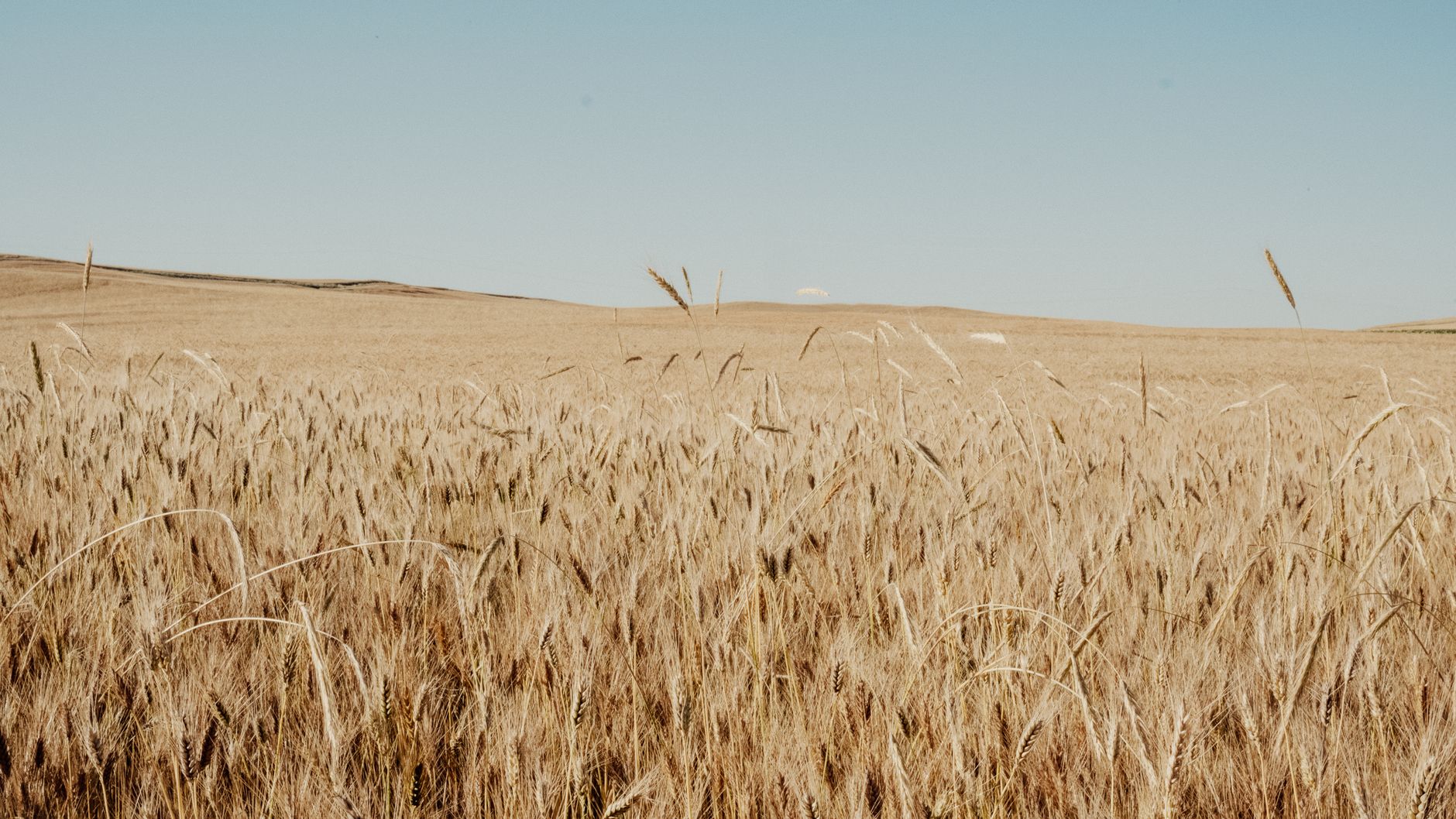
Many of the grains that feed people today are the product of thousands of years of selection, but a number of older wheat types remain in cultivation. Einkorn, emmer, and spelt are among the best known. They are sometimes called ancient grains, and they have gained interest from bakers, chefs, and travelers who want to understand the food traditions behind regional breads and pastas. A visit to a farm growing these crops can show how varieties, soil, climate, and local knowledge shape what ends up on the table.
What the main ancient wheats are
Einkorn is one of the earliest domesticated wheats and is a diploid species, meaning it has one set of chromosomes, unlike most modern bread wheat. Emmer is a tetraploid wheat that was widely grown in the ancient Near East and Mediterranean region, and it remains the basis of farro in parts of Italy. Spelt is a hulled wheat that has a long history in Europe and is now grown in several countries for flour and whole grains. Each has distinct flavors, gluten characteristics, and cooking qualities, although all contain gluten and are not suitable for people with celiac disease.
Terminology can be confusing. Some grains marketed under trade names may be sold as ancient grains even though they are variations of older types. It is worth asking farms and retailers to explain exactly what they grow, since labeling practices differ.
Heritage varieties and landraces
Heritage varieties are older types of crops that were traditionally grown and selected by farmers in particular regions. Landraces, a related term, refer to locally adapted populations that developed over long periods under local conditions. Compared with modern uniform cultivars, these varieties often have greater genetic diversity, which can help with resilience to disease, weather, and changing growing conditions. They can also be important for regional identity, bread and pasta recipes, and local festivals.
Preserving these varieties depends on farmers, seed savers, researchers, and buyers who choose to grow and purchase them. Seed banks and conservation networks maintain collections, although access to seed for individual farmers depends on local rules and arrangements. Travelers who buy grain or flour directly from producers are one small part of that support system.
Regions where ancient grains are grown
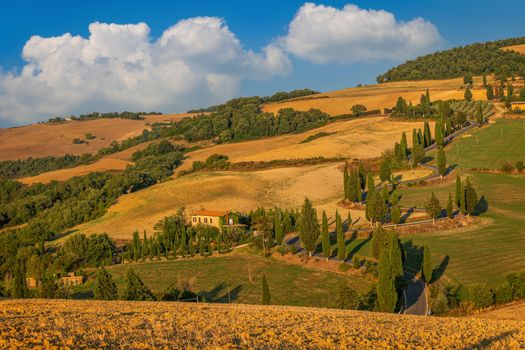
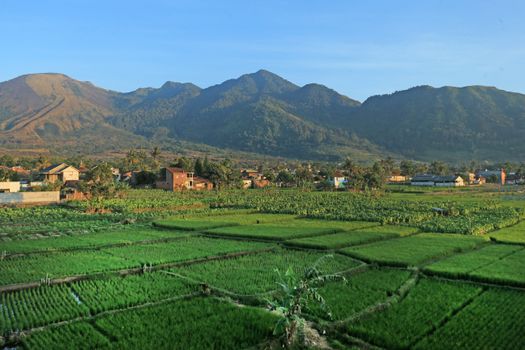
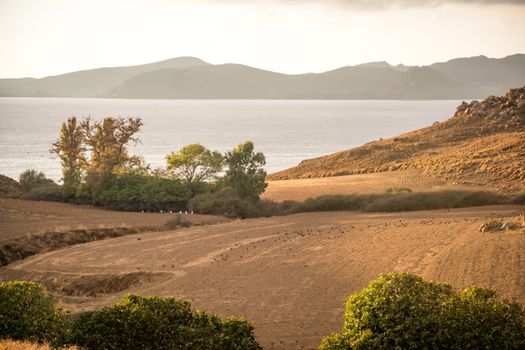
Ancient wheats are grown in various parts of the world. Italy has long-standing associations with farro and emmer-based dishes, and some regional products carry protected designations under European food law. Spelt is common across parts of central and northern Europe, including Germany and Austria. Parts of Turkey, the Levant, and the Caucasus also have traditions involving older wheat types. Specific farms and cooperatives can be found through regional tourism offices, agricultural cooperatives, and farmers' markets, and seasonality matters because harvests and milling schedules vary.
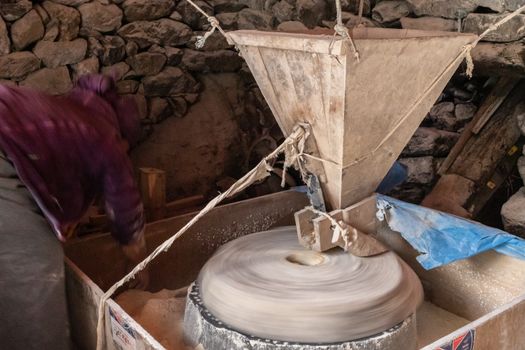
Visits often combine farm tours with mills and bakeries. Mills may run small-batch stone grinding, and some bakeries use local grains to create breads that differ noticeably from supermarket loaves. Tasting sessions can help you learn to recognize differences in aroma, color, and texture.
Planning a respectful farm visit
Farms are working businesses, and visitors should plan accordingly. Contact producers in advance, since many are not set up for drop-in visitors and some visits are only available at certain times of year. Ask about accessibility, parking, and whether children are welcome. Wear sturdy shoes and clothing suitable for fields, and follow instructions about where you may walk, particularly around machinery, storage areas, and animals.
Purchases support the farm directly and are a meaningful way to take part. Ask about storage and cooking advice, since whole grains can require different soaking and cooking times than refined flour. If you plan to bring grain or flour home, check import rules for your country, as some destinations restrict plant products.
Understanding the wider food system
Ancient grain farming is not automatically more sustainable than modern agriculture. Yields can be lower, and the economics for farmers depend on markets, processing capacity, and consumer demand. Some producers work with regional bakeries or cooperatives to create sustainable supply chains, while others sell mainly through farm shops. Ask producers about their practices, such as crop rotation, reduced inputs, and seed saving, rather than assuming a particular outcome from the label alone.
Travelers interested in food systems can learn a great deal from these conversations. They reveal how crops fit into local economies, how knowledge is passed between generations, and why certain varieties persist in some places but not others.
Practical tips
- Contact farms or cooperatives in advance and confirm visiting times and any booking requirements.
- Ask producers to explain which varieties they grow and how they process the grain.
- Wear suitable footwear and follow farm rules about walking areas and machinery.
- Buy directly from producers when possible, and ask for storage and cooking guidance.
- Check import rules before bringing flour or grain home, since plant products are often restricted.
- Learn basic gluten information before visiting, especially if anyone in your group has celiac disease.
Visiting farms that grow ancient grains offers a grounded way to connect with the history of bread and pasta. The crops themselves, the people who grow them, and the bakers and millers who work with them all contribute to regional food traditions that are worth understanding. A respectful visit is one that listens as much as it looks, supports local producers fairly, and recognizes that heritage varieties depend on continued care from farmers and communities over time.