The Hook: A Whisper in the Dark
I stepped off the dusty, rattling local bus in Dendera, Egypt, the scent of crushed dry jasmine, diesel exhaust, and baking desert sand hanging heavy in the 104-degree afternoon air. My skin was coated in a fine layer of Saharan dust, but I wasn't here to join the selfie-snapping crowds staring up at the famous blue-pigmented zodiac ceiling of the Temple of Hathor.
I was here for the crypts.
These are narrow, subterranean chambers hidden beneath the temple floor, accessible only to those who know which guardian to ask. As the local keeper slid back a heavy, squeaking iron grate, the temperature dropped instantly by twenty degrees. The air smelled of cold, damp limestone and centuries of trapped beeswax incense.
I crawled inside, sat cross-legged on the smooth sandstone floor, and let out a single, low vocal hum.
The chamber didn’t just echo; it vibrated. The stone walls seemed to sing back, producing a physical, warm hum that rattled my collarbones, bypassed my analytical mind, and induced an immediate state of deep, meditative stillness. This wasn't a trick of the mind; it was deliberate, highly advanced acoustic engineering.
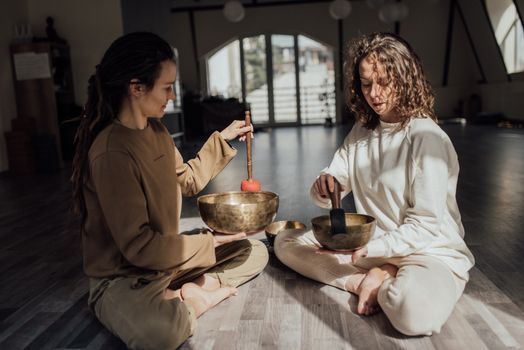
Welcome to the world of archaeoacoustics—the intersection of archaeology, architecture, and sound therapy. This year, travelers are abandoning conventional wellness retreats in favor of these ancient, stone-hewn resonance chambers. Here is how, where, and why you need to experience this emerging travel phenomenon.
---
The Science of Archaeoacoustics: Why Ancient Stones Heal
To understand why sound healing in ancient temples is emerging this year as the ultimate wellness trend, we must look at the science. Our ancestors weren't just building monuments; they were building sophisticated acoustic resonators.
The 110Hz Frequency Phenomenon
In the late 1990s, a team of researchers from Princeton and consortiums of archaeoacousticians tested various ancient megalithic sites across Europe and the Mediterranean. They made a startling discovery: almost all of these stone structures, from the underground chambers of Malta to the passage tombs of Ireland, resonate at a specific frequency: 110 Hz.
What happens to the human brain at 110 Hz? Electroencephalographic (EEG) studies show that at this exact frequency, the brain’s activity shifts dramatically. It temporarily deactivates the left prefrontal cortex—the hyper-rational, anxious, language-focused part of your brain—and shifts activity to the right prefrontal cortex, which governs creativity, empathy, and deep meditation. It is the acoustic equivalent of hitting a biological reset button.
Piezoelectric Granite and Acoustic Domes
It’s not just the shape of the rooms; it’s the materials. Ancient builders frequently used stones high in silica and quartz, such as red granite, diorite, and globigerina limestone.
- Granite is highly piezoelectric, meaning it generates an electrical charge under mechanical stress (such as seismic activity or sound waves).
- Limestone is incredibly efficient at absorbing high-frequency chatter while amplifying low, resonant bass tones, creating a natural acoustic filter.
---
The Top 5 Ancient Sound Sanctuaries to Visit This Year
If you want to experience authentic, self-guided acoustic therapy, these five ancient sites offer the most powerful resonance on Earth.
1. The Southern Crypts of the Temple of Hathor (Dendera, Egypt)
Dedicated to Hathor, the goddess of music, joy, and healing, this temple complex is an acoustic masterpiece. While the main hypostyle hall is breathtaking, the true magic lies in the twelve secret crypts built into the thick temple walls.
- The Acoustic Experience: The long, narrow sandstone corridors act as natural wave guides. A soft hum at one end travels down the corridor, transforming into a deep, physical vibration that envelops your entire body.
- Insider Pro-Tip: Arrive at 7:30 AM before the tour buses arrive from Luxor. Seek out the temple guardian near the rear chapels, politely ask to see the "southern crypts" (al-sardab in Arabic), and offer a respectful tip of 200 EGP (approx. $4 USD). You will likely have the subterranean chambers entirely to yourself.
2. The Ħal-Saflieni Hypogeum (Paola, Malta)
This underground, three-tiered burial complex carved directly into globigerina limestone dates back to 3600 BCE. It is one of the oldest and most mysterious megalithic structures in the world.
- The Acoustic Experience: Inside the "Oracle Chamber," a small, curved niche carved into the stone wall acts as a natural amplifier. When a low male voice speaks or chants into this niche, the sound resonates throughout the entire multi-level complex, vibrating the bones of anyone standing inside.
- Insider Pro-Tip: To preserve the delicate microclimate, Heritage Malta limits visitors to just 10 people per hour, and tickets sell out three to four months in advance. If you missed out, check the Heritage Malta website at exactly 9:00 AM CET the day before your planned visit; they release a tiny handful of "last-minute" tickets for the following day.
3. The Sanctuary of Asclepius (Epidaurus, Greece)
Nestled among pine-forested hills, this ancient healing sanctuary was the birthplace of holistic medicine. While patients received dream therapy in the Abaton, the massive limestone theater served as a vital tool for mental and emotional alignment through sound.
- The Acoustic Experience: Designed by Polykleitos the Younger in the 4th century BCE, the theater’s limestone seats are arranged in a precise mathematical curve that filters out low-frequency background noise (like the wind) while amplifying high-frequency sounds from the stage. A match struck in the center of the stage can be heard clearly by someone sitting in the topmost row, 180 feet away.
- Insider Pro-Tip: Avoid the mid-day heat and the crowds. Visit at 8:00 AM. Walk down to the circular stone disk (the thymele) in the center of the stage. Stand directly on it, close your eyes, and speak softly. The way your own voice bounces back to you from the empty stone tiers is a profound, centering experience.
4. The Mayan Pyramids of Palenque (Chiapas, Mexico)
Deep in the humid rainforests of southern Mexico, the ruins of Palenque feature some of the most sophisticated acoustic engineering in the Americas.
- The Acoustic Experience: The plazas surrounding the Temple of the Inscriptions and the Temple of the Cross act as massive open-air acoustic chambers. If you stand in the center of the main plaza and clap your hands, the sound bounces off the limestone steps of the pyramids, returning to you as a sharp, chirping echo that perfectly mimics the call of the sacred Quetzal bird.
- Insider Pro-Tip: Hike past Temple XIII (the Tomb of the Red Queen) toward the Otulum River aqueduct at 7:30 AM. The sound of the rushing subterranean water combined with the limestone walls creates a natural pink-noise generator that calms the nervous system instantly.
5. The Tierradentro Hypogeums (Cauca, Colombia)
Carved into the volcanic tuff of the Colombian Andes, these subterranean tombs are decorated with hypnotic geometric patterns in red, black, and white paint made from mineral pigments.
- The Acoustic Experience: The spiral staircases lead down into oval chambers supported by massive central pillars. The dome-shaped roofs act as acoustic focal points. If you sit at the base of a pillar and hum, the sound waves cycle along the curved ceiling, creating a natural binaural beat effect without the need for headphones.
- Insider Pro-Tip: Hire a local Nasa indigenous guide from the nearby town of Inzá. Ask them to play a traditional cane flute (quena) inside the Alto de Segovia tombs. The high-altitude volcanic stone reacts to the flute's frequencies in a way that feels almost otherworldly.
---
How to Experience Ancient Sound Healing Ethically
As this trend grows, we must practice responsible, respectful travel. These temples are not playgrounds; they are sacred spaces, active archaeological sites, and, in some cases, places of rest for the ancestors.
- Do Not Shout or Scream: Archaeoacoustics is about subtle resonance, not volume. A soft, gentle hum or a quiet whisper is all it takes to activate these spaces. Loud shouting is disruptive to other travelers and disrespectful to the site.
- Ask Permission: In many cultures, sound is considered a form of prayer. Before singing, chanting, or using a tuning fork, ask the local guardians or guides if it is appropriate. A simple, "May I tone quietly here?" goes a long way.
- Avoid Peak Hours: Group tours and loud tour guides destroy the acoustic environment. Always plan your visits for the first hour of opening or the final hour before sunset.
---
What to Pack for an Archaeoacoustic Expedition
To capture and fully experience the unique frequencies of these ancient sites, add these items to your packing list:
- A High-Quality Tuning Fork: A premium steel tuning fork tuned to 110 Hz or 432 Hz is the perfect pocket-sized tool. Tap it gently on your knee and hold the base of the fork to your mastoid bone (just behind your ear) while sitting inside a resonance chamber.
- Soft-Soled Shoes: Avoid hard-heeled boots or clicking sandals. Wear soft, rubber-soled trail runners or canvas slip-ons to minimize your own acoustic footprint when walking through stone corridors.
- Linen Clothing: Opt for breathable, organic linen or cotton. Not only does it keep you cool in desert and jungle climates, but natural fibers also do not produce the static, rustling noises that synthetic polyesters make when you move.
---
The Logistics: Planning Your Trip
| Destination | Best Time to Visit | Estimated Cost ($ to $$$) | How to Get There | | :--- | :--- | :--- | :--- | | Dendera, Egypt | October to April (avoid summer heat) | $ (Very affordable) | Fly to Luxor, then hire a private driver for the 1-hour drive north to Dendera. | | Ħal-Saflieni, Malta | April to June, or September | $$ (Moderate) | Fly to Malta International Airport (MLA), then take a local bus or taxi to Paola. | | Epidaurus, Greece | May or September | $$ (Moderate) | Fly to Athens, rent a car, and drive 2 hours southwest into the Peloponnese. | | Palenque, Mexico | November to February | $ (Affordable) | Fly to Villahermosa, then take an ADO first-class bus (2.5 hours) to Palenque town. | | Tierradentro, Colombia | June to September | $$ (Moderate) | Fly to Popayán, then take a local Coomotor bus (4 hours) over the mountain pass to Inzá. |
---
The Takeaway: A Return to the Source
Let’s be honest: our modern world is incredibly noisy, yet deeply lacking in true resonance. We are constantly bombarded by the high-frequency hum of air conditioners, traffic, and digital notifications.
The rising popularity of sound healing in ancient temples isn't just a fleeting travel trend; it is a collective, subconscious urge to return to the source. By stepping inside these stone sanctuaries, we are tuning our bodies to the same healing frequencies that our ancestors used thousands of years ago.
The next time you plan a trip, don't just look for something beautiful to see. Look for something beautiful to hear. Your nervous system will thank you.
---