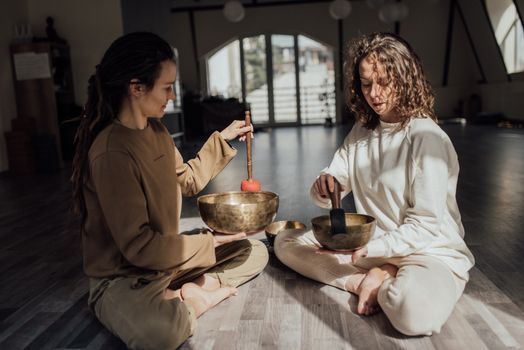
The Resonance of Ages: Stepping into Sacred Sound
I stepped off the train in Varanasi, the air thick with the scent of marigolds, incense, and something undeniably ancient. The distant, hypnotic drone of a conch shell, carried on the humid breeze, was my first true welcome. It wasn't just noise; it was an invitation, a siren call to a deeper understanding of sound and its power. This is the magic of sound healing in ancient temples right now – a potent blend of history, spirituality, and profound personal transformation, waiting to be rediscovered.
For millennia, humanity has recognized the profound impact of sound on our physical, mental, and spiritual well-being. Long before modern therapeutic techniques, our ancestors harnessed the vibrational frequencies of nature, music, and sacred chants within the very architecture of their most revered spaces: their temples. Today, this ancient practice is experiencing a powerful resurgence, offering a unique and deeply authentic path to healing and inner peace.
The Temple as a Sonic Instrument
Imagine walking into a cathedral, a Buddhist stupa, or a Hindu mandir. It’s not just the visual grandeur that strikes you; it’s the feeling of the space. This feeling is amplified exponentially by the acoustic design, meticulously crafted to enhance and contain sound. Ancient builders understood that certain shapes, materials, and dimensions could create resonant chambers, amplifying the subtle energies of sound.
- The Power of Stone: Limestone, sandstone, and granite, common building materials in ancient temples, possess incredible resonant qualities. They absorb and reflect sound in ways that create rich, lingering vibrations that can penetrate deep into the body.
- Architectural Acoustics: The dome of a mosque, the circular layout of a Celtic stone circle, the intricate carvings within a Javanese temple – all were designed with acoustics in mind. These spaces weren't just for worship; they were natural amplifiers, designed to make chants, bells, and drums resonate with unparalleled power.
- The Resonance of Silence: Paradoxically, the deliberate use of silence within these spaces is just as crucial. The pauses between chants, the quiet moments before a bell rings, allow the vibrations to settle, to be fully absorbed, and to create a profound sense of stillness within the listener.
Discovering Sonic Sanctuaries: Where to Experience It Now
The beauty of sound healing in ancient temples right now is that these sacred sites are accessible, offering a tangible connection to the past and a pathway to present-day well-being. While the specific practices may have evolved, the core principle of vibrational healing remains.
1. The Sacred Hum of Bodh Gaya, India
The Experience: Stepping into the Mahabodhi Temple complex in Bodh Gaya, where the Buddha attained enlightenment, is to enter a realm of profound peace. The air vibrates with the collective energy of countless pilgrims chanting mantras. The deep, resonant 'Om' chanted by monks, accompanied by the gentle jingle of prayer wheels, creates a symphony of healing vibrations.
- Pro-Tip: Visit the Great Buddha Statue at dawn. The quiet stillness, coupled with the first rays of sun illuminating the temple, creates an unparalleled atmosphere for meditation and absorbing the sonic energies.
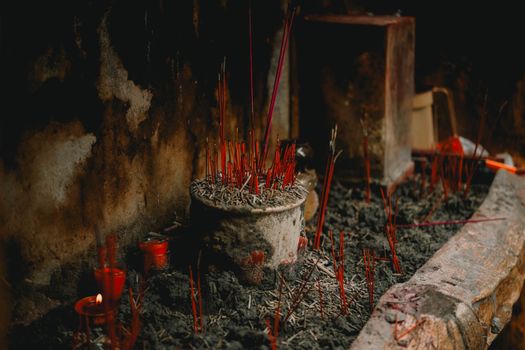
- Insider Insight: Look for small, informal chanting circles forming in the outer courtyards. These often offer a more intimate and personal sonic experience than the main prayer halls. The subtle scent of sandalwood incense here is said to enhance mental clarity.
2. The Chimes of Kyoto's Temples, Japan
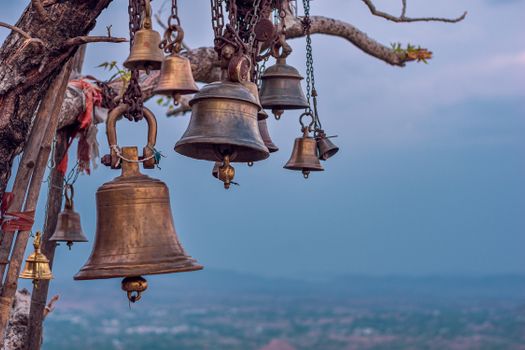
The Experience: Kyoto, the cultural heart of Japan, is dotted with ancient Zen Buddhist temples where the gentle, melodic chime of temple bells forms the backdrop to a deeply meditative experience. The sound of the bonshō (temple bell) is not just an auditory event; it's believed to purify the mind and calm the spirit.
- Pro-Tip: Many temples offer visitors the chance to ring a bell themselves. While it might not have the same profound effect as a seasoned monk, the intention behind the action can be incredibly powerful.
- Authenticity: Seek out temples known for their exquisite gardens, like Ryoan-ji. The carefully raked gravel and strategically placed rocks are designed to inspire contemplation, and the distant temple bells add another layer to this sensory masterpiece. The subtle taste of matcha offered in the tea houses afterwards is a perfect complement.
3. The Ancient Echoes of Petra, Jordan
The Experience: While not traditionally known for sonic rituals, the Nabataean city of Petra, carved into rose-red cliffs, offers a unique acoustic phenomenon. The sheer scale of the Siq and the Treasury creates a natural amphitheater, amplifying even the softest sounds. Imagine the echoes of ancient footsteps, the whisper of the wind through the canyons – these natural sounds, within such an awe-inspiring setting, can be deeply resonant.
- Pro-Tip: Hike to the Monastery (Ad Deir) early in the morning. The vastness of the space, with minimal crowds, allows you to truly appreciate the natural acoustics and the profound silence punctuated by the calls of desert birds.
- Insider Insight: The desert air here has a dry, clean quality that seems to carry sounds further. Listen for the faint bleating of goats from distant Bedouin camps; it adds a layer of living history to the sonic landscape.
4. The Sacred Chants of Bali, Indonesia
The Experience: In Bali, the island of the gods, spiritual practice is woven into daily life. Temples, or pura, are vibrant hubs of activity, and sound plays a central role. The rhythmic chanting of mantras, the percussive beat of gamelan music, and the calls of priests create an immersive sonic tapestry that is both exhilarating and deeply grounding.
- Pro-Tip: Attend a temple ceremony (a puja) if possible. The collective energy and the intricate layering of sounds are an unforgettable experience. Dress respectfully in sarong and sash.
- Authenticity: Visit a less touristy temple in a village. The sounds here are more organic, more deeply rooted in local tradition. The aroma of canang sari (daily offerings) – frangipani, incense, and rice – is a constant, calming presence.
Integrating Sound Healing into Your Travel
Experiencing sound healing in ancient temples is more than just a tourist activity; it's an opportunity for profound personal growth. Here’s how to make the most of it:
- Be Present: Put away your phone. Resist the urge to constantly document. Allow yourself to be fully immersed in the present moment and the sonic environment.
- Listen with Your Body: Sound healing isn't just about what you hear; it's about what you feel. Pay attention to the vibrations in your chest, your bones, your very being.
- Open Your Mind: Be receptive to the experience. Ancient temples are powerful places, and the sounds within them can evoke strong emotions or insights. Trust the process.
- Respect the Space: Remember that these are active places of worship. Dress modestly, speak softly, and be mindful of local customs and etiquette.
Quick Facts: Your Temple Sound Healing Journey
| Aspect | Details | Estimated Cost ($) | Best Time to Visit | How to Get There | | :------------- | :------------------------------------------------------------------------- | :----------------- | :------------------------------------------------ | :-------------------------------------------------------------------------------------------------------------------------------------------------- | | Varanasi, India | Mahabodhi Temple Complex, Ganges River rituals | $20-50/day (budget) | October-March (cooler, dry season) | Fly into Lal Bahadur Shastri International Airport (VNS), then taxi or auto-rickshaw. Train to Varanasi Junction is also popular. | | Kyoto, Japan | Kinkaku-ji, Fushimi Inari-taisha, Ryoan-ji | $70-150/day (mid-range) | Spring (cherry blossoms) & Autumn (fall foliage) | Fly into Kansai International Airport (KIX), then Haruka Express train to Kyoto Station. Extensive local bus and subway network. | | Petra, Jordan | The Siq, The Treasury, The Monastery | $50-100/day (mid-range) | March-May & September-November (pleasant temps) | Fly into Queen Alia International Airport (AMM) near Amman, then take a JETT bus or private taxi to Wadi Musa (town next to Petra). | | Ubud, Bali, Indonesia | Tirta Empul Temple, Goa Gajah (Elephant Cave), various village temples | $30-70/day (budget) | April-September (dry season) | Fly into Ngurah Rai International Airport (DPS) in Denpasar, then taxi or pre-booked driver to Ubud. Local scooter rental or Gojek/Grab are common. |
The Enduring Power of Sacred Sound
In our hyper-connected, often noisy world, the call of ancient temples offers a profound antidote. It's a chance to disconnect from the digital cacophony and reconnect with something ancient, elemental, and deeply human. The vibrations within these sacred spaces have resonated for centuries, carrying the prayers, intentions, and sonic wisdom of generations.
Sound healing in ancient temples right now is not a fleeting trend; it's an enduring practice that offers a potent pathway to peace, clarity, and a deeper understanding of ourselves and the universe. It's an invitation to listen, not just with our ears, but with our entire being. So, pack your bags, open your heart, and prepare to be moved by the timeless power of sacred sound. Your soul will thank you.