Beyond the Banyan: Temples That Will Steal Your Breath (Yes, Even Angkor Wat's)
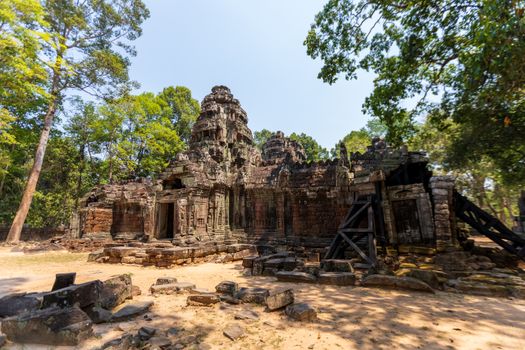
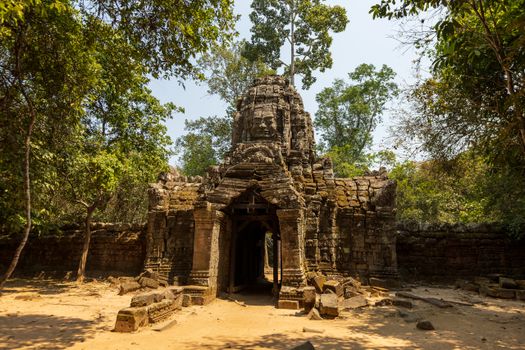
I stepped off the overnight train, the air thick with the scent of jasmine and diesel, a familiar symphony of dawn in Southeast Asia. My eyes, still adjusting to the dim light of the platform, were met by a sight that instantly jolted me awake: a colossal, intricately carved stone face, weathered by centuries, gazing serenely from the side of a towering temple complex. This wasn't Angkor Wat, though it carried a similar ancient gravitas. This was the gateway to something else entirely, a whisper of forgotten grandeur that promised to redefine my understanding of sacred architecture.
For years, Angkor Wat has held court as the undisputed king of ancient temple sites. And rightly so. Its scale, its history, its sheer artistic brilliance are undeniable. But as a travel journalist and an incurable seeker of the extraordinary, I've learned that the world is a vast canvas of wonders, and sometimes, the most profound experiences lie just beyond the well-trodden path. The experts, the seasoned travelers, the ones who have spent lifetimes deciphering the whispers of history, are increasingly pointing their compasses towards destinations that offer a similar, if not more potent, sense of awe. They're recommending temples that, in their quiet majesty, possess a power that can eclipse even the most famous of landmarks.
So, pack your curiosity, loosen your expectations, and let's embark on a journey to discover temples that experts are quietly touting as more impressive than Angkor Wat.
1. Borobudur, Indonesia: The Mandala of Enlightenment
My first encounter with Borobudur was during a predawn trek. The air was cool, carrying the faint scent of volcanic earth. As the sky began to blush, the colossal stupa emerged from the mist, a monumental stone mandala rising from the jungle. It felt less like a building and more like a spiritual journey etched in stone.
Borobudur, a UNESCO World Heritage site, is the world's largest Buddhist temple, and its sheer scale is staggering. But it's not just its size that captivates; it's the narrative. The temple is designed as a three-dimensional representation of the Buddhist cosmology, a pilgrimage in itself. Walking its levels, you ascend through realms of desire, existence, and finally, nirvana.
The Architecture: Imagine 2,772 relief panels depicting Buddhist teachings, Jataka tales (stories of Buddha's previous lives), and scenes of daily life in 9th-century Java. The sheer artistry and storytelling woven into every stone are breathtaking. The central stupa, rumored to contain relics of Buddha, crowns the structure, offering panoramic views of the surrounding volcanic landscape.
Insider's Tip: Visit for sunrise. Witnessing the first rays of sun illuminate the stupa and the misty valleys is a truly spiritual experience. Pro-Tip: Arrive at the park entrance by 4:00 AM to secure a good spot for the sunrise viewing. Consider hiring a local guide within the park to decipher the complex iconography of the reliefs.
Quick Facts: Borobudur
| Category | Details | | :-------------- | :------------------------------------------ | | Estimated Cost ($) | Entrance Fee: ~$25 USD; Sunrise package ~$35 USD | | Best Time to Visit | April to October (Dry Season) | | How to Get There | Fly into Yogyakarta (JOG), then taxi or organized tour (approx. 1.5 hours) | | Vibe | Serene, spiritual, monumental, historically rich |
2. Bagan, Myanmar: A Thousand Stupas in a Sea of Golden Light
The moment I saw Bagan from the ancient ramparts of an old temple, my breath caught. A vast plain, stretching to the horizon, dotted with thousands upon thousands of ancient pagodas and temples, bathed in the ethereal glow of sunset. It’s a landscape that feels ripped from a dream.
Bagan is an archaeological zone that boasts over 10,000 temples, pagodas, and stupas, built between the 9th and 13th centuries by the kings of the Pagan Empire. While many are in ruins, the sheer density and variety of these structures create an unparalleled spectacle.
The Architecture: From the majestic Ananda Temple, with its four standing Buddhas, to the smaller, more intimate brick temples, Bagan offers an incredible diversity of architectural styles. The golden spires of Shwezigon Pagoda gleam under the sun, while the imposing Dhammayangyi Temple showcases a more robust, yet equally impressive, design.
Insider's Tip: Rent an e-bike and explore at your own pace. The real magic of Bagan lies in stumbling upon hidden temples, watching monks in saffron robes walk by, and witnessing the local life that continues to thrive amidst these ancient ruins. Pro-Tip: Climb to the top of a designated temple (check local regulations, as some are now closed for preservation) for sunset or sunrise. The hot air balloon rides over Bagan are legendary, offering a bird's-eye view of this incredible landscape, though they come with a significant price tag.
Quick Facts: Bagan
| Category | Details | | :-------------- | :------------------------------------------ | | Estimated Cost ($) | Bagan Archaeological Zone Fee: ~$15 USD; E-bike rental: ~$5-10 USD/day | | Best Time to Visit | November to February (Cooler, dry season) | | How to Get There | Fly into Nyaung U Airport (NYU), then taxi or horse-drawn carriage. Overnight buses from Yangon or Mandalay are also options. | | Vibe | Mystical, expansive, historically profound, visually stunning |
3. Hampi, India: Where Giants Walked and Rivers Flowed
The Deccan Plateau of Karnataka, India, holds a secret so grand it feels like stepping onto the set of an epic fantasy film. Hampi, the former capital of the Vijayanagara Empire, is a sprawling landscape of colossal ruins, granite boulders, and the languid Tungabhadra River. It’s a place that whispers tales of power, artistry, and a civilization that commanded immense wealth and influence.
Hampi is more than just a collection of temples; it’s an entire city carved from stone. The scale of the structures, combined with the dramatic natural landscape of giant granite formations, creates a truly unique and awe-inspiring atmosphere.
The Architecture: The Virupaksha Temple, still an active place of worship, stands as a testament to the empire's architectural prowess, with its towering gopuram and intricately carved mandapas. The Vittala Temple, famous for its stone chariot and musical pillars (which resonate with different tones when tapped), is an absolute masterpiece of Dravidian architecture. The Royal Enclosure, with its Queen's Bath and Lotus Mahal, offers glimpses into the opulent lifestyle of the Vijayanagara rulers.
Insider's Tip: Hire a local guide to truly understand the history and significance of the various structures. The ruins are spread out, so comfortable walking shoes are a must. Pro-Tip: Take a coracle boat ride across the Tungabhadra River for spectacular views of the ruins and the unique boulder landscape. Visit the Hanuman temple atop Anjanadri Hill for sunset – the panoramic views are unforgettable.
Quick Facts: Hampi
| Category | Details | | :-------------- | :------------------------------------------ | | Estimated Cost ($) | Entrance fees to specific monuments: ~$1-5 USD each; Hampi Pass (covers multiple sites): ~$10 USD | | Best Time to Visit | October to March (Pleasant weather) | | How to Get There | Nearest major airport is Hubli (HBX) or Bengaluru (BLR). Take a train to Hospet (close to Hampi), then a taxi or auto-rickshaw. | | Vibe | Epic, historical, adventurous, visually dramatic |
4. Kanchipuram, India: The City of a Thousand Temples
While not a single complex, the sheer concentration of ancient and sacred Hindu temples in Kanchipuram, one of the seven sacred cities of India, earns it a spot on any list of awe-inspiring spiritual sites. This city is a living museum of Dravidian temple architecture, each structure whispering stories of deities, kings, and devotion.
Kanchipuram has been a center of religion, art, and architecture for centuries, with its temples showcasing a remarkable evolution of styles. The sheer number of temples, each with its own unique character and history, is what makes it so profoundly impressive.
The Architecture: The Kailasanathar Temple, dating back to the 8th century, is a masterpiece of early Pallava architecture, adorned with exquisite sandstone carvings. The Ekambareswarar Temple, one of the largest and most revered Shiva temples, boasts a towering gopuram and a thousand-pillared hall. The Kamakshi Amman Temple, dedicated to the goddess Parvati, is a vibrant hub of spiritual activity.
Insider's Tip: Focus on a few key temples to truly appreciate their details. The local silk sarees are also world-renowned, so a visit can be a dual cultural experience. Pro-Tip: Engage with the local priests and devotees to understand the living traditions and rituals that continue to make these temples vibrant centers of faith. Mornings are often the most peaceful for exploration.
Quick Facts: Kanchipuram
| Category | Details | | :-------------- | :------------------------------------------ | | Estimated Cost ($) | Temple entrance fees are generally free or nominal (donations encouraged). | | Best Time to Visit | October to April (Pleasant weather) | | How to Get There | Easily accessible by train or road from Chennai (MAA). | | Vibe | Spiritual, historical, culturally rich, devotional |
5. Sigiriya, Sri Lanka: The Lion Rock Fortress
Imagine a colossal rock, rising sheer from the jungle, crowned by the ruins of an ancient palace. This is Sigiriya, a UNESCO World Heritage site that defies gravity and imagination. It's a fortress, a palace, and a testament to human ambition and engineering prowess.
Sigiriya is not just a temple in the traditional sense, but a complex royal palace and fortress built by King Kasyapa in the 5th century AD. Its most striking feature is the immense rock, shaped like a crouching lion, from which it derives its name. The ascent itself is an adventure, with ancient frescoes and mirror walls along the way.
The Architecture: The summit of Sigiriya once housed a magnificent palace, and though only foundations and scattered ruins remain, the scale is evident. The most famous artistic treasures are the vibrant frescoes of 'celestial maidens' (Apsaras) found in a sheltered pocket on the rock face, and the highly polished 'Mirror Wall,' once so reflective that the king could see himself in it. The water gardens at the base are also incredibly sophisticated for their time.
Insider's Tip: The climb can be strenuous, especially in the heat. Go early in the morning to avoid the midday sun and the largest crowds. Pro-Tip: Wear sturdy shoes and bring plenty of water. The views from the summit are absolutely breathtaking, offering a sweeping panorama of the surrounding countryside. Don't miss the chance to see the Apsara frescoes – they are remarkably well-preserved.
Quick Facts: Sigiriya
| Category | Details | | :-------------- | :------------------------------------------ | | Estimated Cost ($) | Entrance Fee: ~$30 USD | | Best Time to Visit | December to April (Dry Season) | | How to Get There | Fly into Colombo (CMB). Take a train or bus to Dambulla or Habarana, then a taxi or tuk-tuk to Sigiriya. | | Vibe | Majestic, adventurous, historically significant, visually dramatic |
The Verdict: Beyond the Icon
Angkor Wat is, and always will be, an extraordinary testament to human ingenuity and devotion. But the world is brimming with other sacred sites, each with its own unique story, its own distinct aura of ancient power. Whether it's the spiritual ascent of Borobudur, the boundless plains of Bagan, the epic ruins of Hampi, the spiritual heart of Kanchipuram, or the gravity-defying fortress of Sigiriya, these are destinations that offer more than just impressive ruins; they offer profound experiences that resonate long after you've left.
These are the temples that experts are recommending, the places where you can still feel the pulse of ancient civilizations, where the air hums with spiritual energy, and where the sheer scale and beauty of human creation will leave you utterly speechless. So, the next time you dream of ancient wonders, dare to look beyond the familiar. Your most unforgettable journey might just be waiting.