The Earth Breathes Easier When You Travel Responsibly: April 2026 Edition
I stepped off the small prop plane onto the dusty airstrip, the air thick with the intoxicating scent of damp earth and something wild – a primal perfume I’d only ever read about. Below, the emerald canopy of the rainforest stretched to the horizon, an unbroken, vibrant sea. This wasn't just a vacation; it was an immersion. It was the moment I truly understood the profound connection between our wanderlust and the planet's well-being. In April 2026, this kind of travel isn't just possible; it's essential. We're talking about destinations where your footsteps actively contribute to saving the very wonders you came to see.
1. The Galapagos Islands, Ecuador: Where Evolution Meets Eco-Pledge
Imagine swimming alongside playful sea lions, their sleek bodies darting through crystalline waters, or watching a giant tortoise lumber past, a living relic of an ancient world. The Galapagos are a masterclass in isolation and adaptation, a living laboratory that Charles Darwin himself marveled at. But this fragile paradise is under constant pressure.
The Conservation Connection: Tourism here is heavily regulated, with a significant portion of park fees and tour operator contributions directly funding research, marine reserve patrols, and invasive species eradication programs. Many lodges operate on strict eco-principles, utilizing solar power, water conservation, and waste management systems that would make a sustainability guru weep with joy.
Pro-Tip: Book your multi-day cruise with a reputable operator that is certified by the Galapagos National Park Directorate. Look for those that employ local guides and have a clear commitment to marine conservation. Aim for smaller vessels; they have a lower environmental impact.
Quick Facts: Galapagos Islands
- Estimated Cost ($$): $4,000 - $8,000+ per person for a 7-10 day trip (cruises are pricier but often more immersive).
- Best Time to Visit: April is part of the warm, wet season. Expect occasional showers, but also lush landscapes and abundant marine life sightings.
- How to Get There: Fly into Quito (UIO) or Guayaquil (GYE) in mainland Ecuador, then take a domestic flight to Baltra Island (GPS) or San Cristobal Island (SCY) in the Galapagos.
2. Costa Rica: The Pura Vida of Rainforest Protection
Costa Rica. The name itself evokes images of vibrant toucans, sloths hanging lazily in ceiba trees, and the exhilarating rush of ziplining through cloud forests. It's a global leader in ecotourism, and for good reason. This small nation has made a monumental commitment to conservation, reforesting vast swathes of land and protecting an astonishing percentage of its biodiversity.
The Conservation Connection: Many eco-lodges and adventure tour operators in Costa Rica are deeply integrated with local conservation initiatives. Your stay might contribute to reforestation projects, wildlife monitoring, or supporting local communities that are stewards of the land. The country's "Certification for Sustainable Tourism" (CST) program is a benchmark, ensuring that businesses are actively working to minimize their environmental impact and maximize community benefit.
Insider Insight: Forget the crowded tourist hubs. Venture into the Osa Peninsula, a biodiversity hotspot often called "the most biologically intense place on Earth." Stay at an eco-lodge like Lapa Rios or Bosque del Cabo, where the sounds of the jungle are your alarm clock and your meals feature ingredients sourced from their own organic gardens.
Pro-Tip: When booking tours, ask specifically about their conservation partnerships. A good operator will be able to tell you exactly where your money is going – be it to protect sea turtle nesting sites or fund anti-poaching patrols.
Quick Facts: Costa Rica
- Estimated Cost ($$): $1,500 - $3,500 per person for a 7-10 day trip.
- Best Time to Visit: April falls within the dry season, offering sunny days perfect for exploring. It’s shoulder season, so you might snag better deals.
- How to Get There: Fly into Juan Santamaría International Airport (SJO) near San José or Daniel Oduber Quirós International Airport (LIR) in Liberia.
3. Palau: Guardians of the Pristine Pacific
Picture this: a kaleidoscope of coral gardens teeming with life, manta rays gliding majestically through impossibly blue waters, and the eerie, yet beautiful, Jellyfish Lake where millions of stingless jellyfish pulse in unison. Palau, an archipelago in Micronesia, is a true ocean paradise.
The Conservation Connection: Palau has taken bold steps, establishing the world's first shark sanctuary and creating the Palau National Marine Sanctuary, which dedicates 80% of its exclusive economic zone to conservation. Your visit directly supports these efforts through dive permit fees and the innovative "Palau Pledge," a promise travelers make to protect the environment for future generations. Many dive operators also contribute to coral reef restoration and marine debris clean-up initiatives.
Authentic Experience: Dive or snorkel in the famous Blue Corner, a sheer wall drop-off where currents bring a parade of sharks, barracuda, and reef fish. Or explore the Rock Islands Southern Lagoon, a UNESCO World Heritage site, by kayak, discovering hidden coves and pristine beaches.
Pro-Tip: Stay in a locally-owned guesthouse or a small eco-resort rather than a large international hotel. This ensures more of your money directly benefits the Palauan community and their conservation efforts.
Quick Facts: Palau
- Estimated Cost ($$): $2,500 - $5,000 per person for a 7-10 day trip (diving focused).
- Best Time to Visit: April is generally a good month, with lower rainfall and good visibility for diving.
- How to Get There: Flights typically connect through major hubs like Guam (GUM), Manila (MNL), or Taipei (TPE) to Roman Tmetuchl International Airport (ROR).
4. Botswana: The Unspoiled Wilderness of the Okavango Delta
Imagine the silence, broken only by the distant roar of a lion or the trumpeting of elephants. Botswana offers an unparalleled safari experience, characterized by low-impact tourism and a fierce commitment to preserving its vast, untamed landscapes. The Okavango Delta, a UNESCO World Heritage site, is a unique inland river delta that transforms the arid Kalahari Desert into a thriving wetland, supporting an incredible array of wildlife.
The Conservation Connection: Botswana's tourism model is deliberately high-cost, low-volume, ensuring that visitor numbers are managed to minimize environmental impact. A significant portion of tourism revenue is reinvested into anti-poaching units, wildlife research, and community development projects that empower local people to become custodians of their natural heritage. Many lodges are built with sustainable materials and operate off-grid.
A Safari Dream: Glide through the Delta in a mokoro (traditional dugout canoe), steered by an expert local guide. Witness herds of zebras and wildebeest on the open plains, track wild dogs, and marvel at the sheer scale of elephant populations. The Chobe National Park is legendary for its massive elephant herds.
Pro-Tip: Choose camps that are signatories to the Botswana Tourism Organisation’s Responsible Tourism guidelines. Look for lodges that actively involve local communities in their operations and offer educational components about conservation efforts.
Quick Facts: Botswana
- Estimated Cost ($$$): $4,000 - $10,000+ per person for a 7-10 day safari (luxury lodges are very expensive).
- Best Time to Visit: April is the start of the dry season. Wildlife congregates around water sources, making sightings excellent. The landscape is still lush from the rains, and temperatures are pleasant.
- How to Get There: Fly into Sir Seretse Khama International Airport (GBE) in Gaborone or Kasane International Airport (BBK) for access to the Chobe region. Internal flights or overland transfers are often required to reach camps.
5. Rwanda: Gorillas, Forests, and a Resilient Future
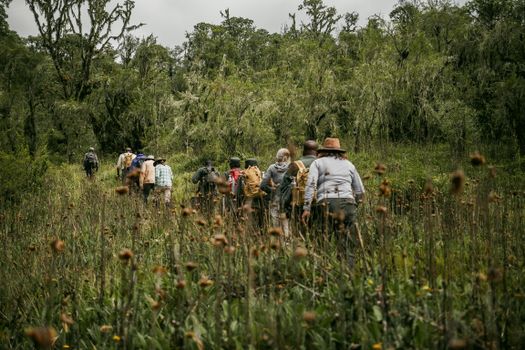
The mist hung heavy in the Virunga Mountains as I trekked through the dense rainforest, the air alive with the chirps of unseen birds and the rustle of leaves. Then, a rustle closer, a flash of dark fur, and there they were – a family of mountain gorillas, majestic and gentle, their eyes wise and ancient. This is the magic of Rwanda's gorilla trekking.
The Conservation Connection: Gorilla trekking permits are a primary funding source for the protection of mountain gorillas and their habitat in Volcanoes National Park. A substantial portion of the permit fee goes directly back into conservation efforts, including anti-poaching patrols, habitat restoration, and supporting local communities. Rwanda's commitment to rebuilding its natural heritage post-genocide is inspiring, and tourism plays a vital role in this success story.
Beyond the Gorillas: While gorillas are the headline act, Rwanda also offers incredible experiences in Nyungwe Forest National Park, home to chimpanzees and a dizzying array of primates, and Akagera National Park, which has seen a remarkable resurgence of wildlife thanks to dedicated conservation programs.
Pro-Tip: Opt for lodges that are committed to community empowerment and employ local staff. Some lodges even have direct partnerships with conservation organizations working on the ground.
Quick Facts: Rwanda
- Estimated Cost ($$$): $2,000 - $5,000 per person for a 7-10 day trip (gorilla permits are a significant cost).
- Best Time to Visit: April is part of the second rainy season. While there will be rain, the landscape is lush and vibrant, and gorilla trekking can still be excellent. The trails can be muddier.
- How to Get There: Fly into Kigali International Airport (KGL). Gorilla trekking tours typically include transportation to Volcanoes National Park.
The Ripple Effect: Your Travel Choice Matters
Choosing a destination where tourism funds conservation in April 2026 isn't just about ticking off a bucket list item; it's about making a conscious choice to be part of the solution. It's about understanding that every dollar spent can be a force for good, protecting fragile ecosystems and supporting the communities who are their most dedicated guardians.
These destinations are not just beautiful; they are vital. They are living proof that responsible travel can be a powerful engine for conservation, ensuring that these natural wonders endure for generations to come. So, pack your bags, open your heart, and get ready to experience the world in a way that truly makes a difference. Your next adventure awaits, and it’s one that gives back.
---