The Ultimate Guide: Destinations Where Tourism Funds Conservation Worth Considering
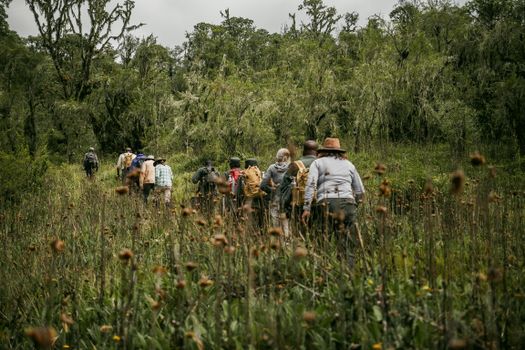
I stepped off the dusty jeep, the air thick with the scent of damp earth and wild jasmine. A symphony of unseen creatures hummed around me – the guttural calls of distant monkeys, the frantic flutter of unseen wings, the soft rustle of leaves underfoot. This wasn't just a pretty view; it was a living, breathing testament to a delicate balance, a balance I knew my presence, and the presence of others like me, was helping to preserve. This is the magic of travel that gives back, the kind that leaves you not just with memories, but with the profound satisfaction of knowing you've contributed to something bigger than yourself.
For too long, the narrative of travel has been one of consumption. We flock to beautiful places, tick them off our lists, and often leave a footprint that outweighs our appreciation. But a revolution is underway. A growing number of destinations are proving that tourism, when thoughtfully managed, can be a powerful engine for conservation. These aren't just places to see; they're places to support. They're where your tourist dollars directly fund anti-poaching patrols, habitat restoration, scientific research, and the livelihoods of local communities who become the frontline guardians of our planet's treasures.
This guide is your passport to these extraordinary locations. We're diving deep into destinations that offer not just breathtaking beauty and unforgettable experiences, but also a tangible way to contribute to the preservation of our natural and cultural heritage. Forget the guilt-ridden traveler; embrace the empowered explorer.
The Primal Roar: Botswana's Okavango Delta – A Masterclass in Low-Impact Luxury
The sheer scale of the Okavango Delta is humbling. From a low-flying bush plane, it unfurls like a vast, emerald tapestry woven with shimmering waterways, dotted with islands teeming with life. The air here feels ancient, charged with the energy of a million years of evolution. I remember my first mokoro (a traditional dugout canoe) ride, gliding silently through papyrus reeds, the only sounds the gentle dip of the poler's stick and the splash of a startled fish. Suddenly, a herd of elephants emerged from the treeline, their massive forms moving with an almost surreal grace, completely unperturbed by our presence.
Botswana has pioneered a visionary tourism model, prioritizing high-value, low-volume tourism. This means fewer visitors, but each visitor pays a premium that directly funds conservation initiatives and benefits local communities. The government has been incredibly strict about land use, ensuring that vast swathes of wilderness remain pristine and protected.