The Call of the Wild: Where Your Wanderlust Fuels a Wilder World
I stepped off the tiny prop plane, the scent of damp earth and something wild – a musky, untamed aroma – filling my lungs. The humid air clung to my skin, a warm embrace from a land teeming with life. Below, a kaleidoscope of emerald green stretched as far as the eye could see, punctuated by the silver ribbon of a winding river. This wasn't just another beautiful vista; this was the gateway to a place where every rustle in the undergrowth, every splash in the water, and every breathtaking encounter was a testament to a delicate balance, a balance actively being preserved by the very act of me being here. Welcome to the forefront of conscious travel, where your footsteps leave a positive imprint.
1. Costa Rica: The Biodiversity Powerhouse Fueled by Ecotourism
Costa Rica. The name itself conjures images of vibrant macaws soaring through misty rainforests, sloths moving with deliberate grace, and the exhilarating roar of howler monkeys at dawn. But beyond the postcard-perfect scenery, this Central American gem has quietly become a global leader in conservation, largely thanks to a pioneering embrace of ecotourism. The country has set aside over 25% of its land in national parks and reserves, and the revenue generated from these protected areas is the lifeblood of their preservation efforts.
The Monteverde Cloud Forest: Walking Among Giants
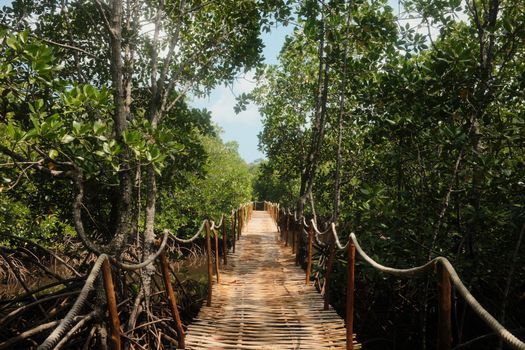
My first immersion was in the Monteverde Cloud Forest. Stepping onto the hanging bridges, suspended high above the forest floor, felt like entering another realm. The air was thick with mist, muffling sounds and creating an ethereal glow. Giant ferns unfurled, their fronds dripping with moisture, and the calls of unseen birds echoed through the dense canopy. This isn't just a walk; it's a sensory overload of life.
Pro-Tip: Visit the Monteverde Cloud Forest Biological Preserve early in the morning (around 7 AM) to witness the mist at its most dramatic and have a better chance of spotting elusive wildlife like the Resplendent Quetzal. The guided tours are invaluable for understanding the intricate web of life.
Tortuguero National Park: A Haven for Sea Turtles
Further afield, on the Caribbean coast, lies Tortuguero National Park. This remote network of canals and beaches is a critical nesting ground for several species of sea turtles, including the endangered green sea turtle. Tourism here is strictly regulated to minimize disturbance. Staying in an eco-lodge that actively participates in turtle monitoring and conservation programs means your visit directly contributes to the survival of these ancient mariners.
Insider Scoop: Many lodges offer night tours to witness nesting turtles. It's a profoundly moving experience, but remember to follow your guide's instructions meticulously – no flash photography and minimal noise are crucial.
Quick Facts: Costa Rica
| Category | Details | Estimated Cost ($) | Best Time to Visit | How to Get There | | :-------------- | :------------------------------------------------------------------------- | :----------------- | :----------------- | :---------------------------------------------------------------------------------------------------------------- | | Ecotourism | Rainforests, cloud forests, volcanoes, beaches, wildlife sanctuaries | $150 - $300/day | December - April | Fly into Juan Santamaría International Airport (SJO) or Daniel Oduber Quirós International Airport (LIR). | | Conservation| ~25% of land protected, turtle nesting sites, reforestation projects | Included in tours | Year-round | Local buses, shared shuttles, or domestic flights are common for inter-city travel. Boat access for some remote areas. | | Activities | Ziplining, hiking, wildlife spotting, birdwatching, kayaking, volcano tours | $50 - $150/activity| Dry season (Dec-Apr) | Many resorts and lodges offer organized excursions. |
2. Botswana: The Unspoiled Wilderness Where Conservation is King
Botswana is a masterclass in high-value, low-impact tourism. This landlocked nation has deliberately chosen to focus on quality over quantity, with park fees and safari lodge rates being among the highest in Africa. The rationale is simple: fewer tourists mean less pressure on the environment, and the substantial revenue generated is reinvested directly into anti-poaching units, habitat management, and community development programs that empower local people to become stewards of their natural heritage.
The Okavango Delta: A Living, Breathing Ecosystem
Imagine gliding through the shimmering waterways of the Okavango Delta in a mokoro (a traditional dugout canoe). The silence is broken only by the gentle dip of your poler's stick and the distant trumpeting of an elephant. This vast inland delta is a UNESCO World Heritage site, a unique ecosystem that supports an astonishing array of wildlife, from lions and leopards to vast herds of buffalo and the endangered wild dog.
Pro-Tip: Choose lodges that are members of organizations like the Botswana Tourism Organisation or have clear commitments to conservation. Look for lodges that employ local guides and invest in community projects.
Chobe National Park: The Elephant Capital of the World
Chobe is renowned for its colossal elephant herds. The sheer scale of these gatherings, especially along the Chobe River, is humbling. Sunrise game drives here are a photographer's dream, with golden light illuminating dust-covered giants. The conservation success in Chobe is a direct result of the revenue generated from responsible safari tourism, funding ranger patrols and vital research.
Insider Scoop: For an unparalleled experience, consider a mobile safari. These expeditions allow you to explore deeper into the wilderness with expert guides, minimizing your footprint while maximizing your wildlife encounters.
Quick Facts: Botswana
| Category | Details | Estimated Cost ($) | Best Time to Visit | How to Get There | | :-------------- | :-------------------------------------------------------------------------- | :----------------- | :----------------- | :--------------------------------------------------------------------------------------------- | | Ecotourism | Okavango Delta, Chobe National Park, Kalahari Desert, wildlife safaris | $300 - $800+/day | May - October | Fly into Sir Seretse Khama International Airport (Gaborone - GBE) or Kasane International Airport (BBK). | | Conservation| High-value/low-impact model, anti-poaching, habitat protection, community empowerment | Included in tours | Dry season (May-Oct)| Internal flights are common between safari areas. 4x4 vehicles for ground travel. | | Activities | Mokoro excursions, game drives, walking safaris, birdwatching, star gazing | $100 - $300/activity | Dry season (May-Oct)| Primarily through safari operators and lodges. |
3. Palau: Protecting the Ocean's Jewels Through Marine Sanctuaries
For those who dream of turquoise waters and vibrant coral reefs, Palau is an absolute revelation. This archipelago nation in Micronesia has taken a bold stance on marine conservation, creating the world's first shark sanctuary and dedicating 80% of its Exclusive Economic Zone (EEZ) to a marine protected area. When you visit Palau, you're not just on holiday; you're an active participant in safeguarding one of the planet's most biodiverse marine environments.
Rock Islands Southern Lagoon: A UNESCO Underwater Wonderland
The iconic Rock Islands, a UNESCO World Heritage site, are a geological marvel above the water. But beneath the surface lies an even greater treasure. Snorkeling or diving in the Southern Lagoon reveals a kaleidoscope of coral gardens, teeming with a dazzling array of fish. The Palau Pledge, a mandatory stamp in every visitor's passport, requires you to promise to protect the environment for future generations. This isn't just a slogan; it's a deeply ingrained philosophy.
Pro-Tip: When booking diving or snorkeling tours, ask about their practices. Look for operators who adhere to strict guidelines about not touching coral, not feeding fish, and using reef-safe sunscreen.
Jellyfish Lake: A Unique, Gentle Encounter
One of Palau's most unique attractions is Jellyfish Lake. Here, you can swim with millions of golden jellyfish that have evolved to be stingless due to the lack of predators. The conservation efforts here focus on managing visitor numbers to prevent over-disturbance of this delicate ecosystem.
Insider Scoop: The water in Jellyfish Lake is brackish and rich in nutrients. While the jellyfish are stingless, it's still advisable to rinse off with fresh water afterward and avoid applying sunscreen or lotions before entering the lake.
Quick Facts: Palau
| Category | Details | Estimated Cost ($) | Best Time to Visit | How to Get There | | :-------------- | :----------------------------------------------------------------------------- | :----------------- | :----------------- | :------------------------------------------------------------------------------------------------------------ | | Ecotourism | Marine sanctuaries, coral reefs, pristine islands, jellyfish lake | $200 - $400/day | November - April | Fly into Roman Tmetuchl International Airport (ROR). | | Conservation| World's first shark sanctuary, 80% EEZ as marine protected area, Palau Pledge | Included in fees | Dry season (Nov-Apr)| Inter-island travel is typically by boat or small aircraft. | | Activities | Snorkeling, diving, kayaking, exploring rock islands, swimming with jellyfish | $100 - $250/activity| Dry season (Nov-Apr)| Many resorts and tour operators offer packages. |
4. Rwanda: The Gorilla Guardianship and Beyond
Rwanda has undergone a remarkable transformation, not just socio-economically, but also in its commitment to conservation. The country is synonymous with mountain gorilla trekking, an experience that is both awe-inspiring and a powerful engine for conservation. The high permit fees for gorilla trekking are a direct source of funding for park management, anti-poaching patrols, and community development initiatives that have lifted local populations and given them a vested interest in protecting these magnificent creatures.
Volcanoes National Park: An Audience with the Gentle Giants
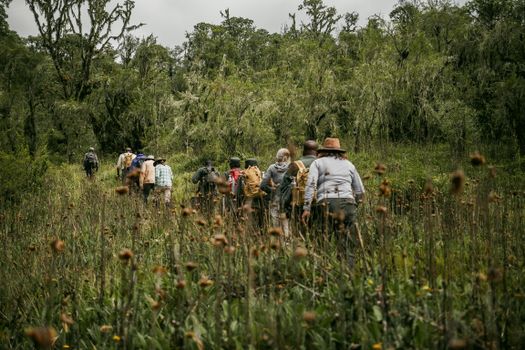
Trekking through the dense Virunga Mountains to encounter a family of mountain gorillas is an experience that transcends words. The sheer intelligence and gentle nature of these primates are captivating. The strict regulations around gorilla trekking, including limited daily permits and controlled viewing times, ensure minimal stress on the gorillas and their habitat.
Pro-Tip: Book your gorilla trekking permits well in advance, as they are limited and highly sought after. Choose a reputable tour operator that works closely with the Rwanda Development Board and emphasizes responsible trekking practices.
Akagera National Park: A Resurgence of Wildlife
Once ravaged by poaching, Akagera National Park has been revitalized through significant conservation efforts, including reintroductions of species like lions and rhinos. Tourism revenue plays a crucial role in funding these ongoing restoration projects and maintaining the park's security.
Insider Scoop: Consider a boat trip on Lake Ihema in Akagera. It offers fantastic opportunities to see hippos, crocodiles, and a wide variety of birdlife, contributing directly to the park's conservation budget.
Quick Facts: Rwanda
| Category | Details | Estimated Cost ($) | Best Time to Visit | How to Get There | | :-------------- | :-------------------------------------------------------------------------- | :----------------- | :----------------- | :----------------------------------------------------------------------------------------------------------- | | Ecotourism | Mountain gorilla trekking, chimpanzee tracking, savanna safaris, birdwatching | $150 - $400/day | Dry seasons (June-Sept, Dec-Feb) | Fly into Kigali International Airport (KGL). | | Conservation| Gorilla protection, anti-poaching, habitat restoration, community benefit | Permit fees ($1500)| Dry seasons | 4x4 vehicles are essential for most park travel. Domestic flights to smaller airstrips are available. | | Activities | Gorilla trekking, chimpanzee tracking, game drives, cultural tours | $50 - $150/activity| Year-round | Primarily organized through tour operators and lodges. |
5. Norway: Fjords, Glaciers, and Sustainable Coastal Conservation
While not always the first place that springs to mind for wildlife conservation, Norway's stunning coastal landscapes and commitment to sustainable tourism are quietly making a significant impact. The Norwegian government and local communities are deeply invested in protecting their unique marine environments and fragile ecosystems, with tourism revenue playing a vital role in funding research, cleanup initiatives, and the preservation of natural beauty.
The Lofoten Islands: Dramatic Landscapes, Responsible Exploration
The Lofoten Islands, with their jagged peaks rising dramatically from the sea, are a photographer's paradise. While the focus here might seem to be on the dramatic scenery, responsible tourism operators are actively involved in marine conservation efforts. This includes supporting initiatives to combat plastic pollution in the fjords and promoting sustainable fishing practices.
Pro-Tip: Opt for smaller, locally-owned accommodations and tour providers who emphasize sustainability. Kayaking tours are an excellent way to explore the fjords with minimal environmental impact.
Svalbard: Arctic Wilderness and Climate Research
Venturing to Svalbard offers a glimpse into a fragile Arctic ecosystem. Tourism here is highly regulated, with a strong emphasis on minimizing human impact. The revenue generated supports vital climate research and conservation efforts aimed at protecting polar bears, walruses, and the unique Arctic flora.
Insider Scoop: When visiting Svalbard, always go with a licensed guide. They are trained to respect wildlife, maintain safe distances, and educate visitors on the importance of preserving this sensitive environment.
Quick Facts: Norway
| Category | Details | Estimated Cost ($) | Best Time to Visit | How to Get There | | :-------------- | :------------------------------------------------------------------------------ | :----------------- | :----------------- | :------------------------------------------------------------------------------------------------------------ | | Ecotourism | Fjords, coastal landscapes, glaciers, Arctic wilderness, wildlife viewing | $200 - $400/day | May - September | Fly into Oslo Airport (OSL) or regional airports like Tromsø (TOS) or Longyearbyen (LYR) for Svalbard. | | Conservation| Marine protection, anti-pollution, climate research, sustainable practices | Variable | Summer (May-Sept) | Ferries and Hurtigruten coastal voyages connect many coastal towns. Flights are common for longer distances. | | Activities | Hiking, kayaking, boat tours, wildlife watching, Northern Lights tours (winter) | $100 - $250/activity| Summer (May-Sept) | Many local operators offer specialized eco-tours. |
The Power of Your Passport: Traveling with Purpose
These destinations are more than just beautiful places; they are living examples of how tourism, when managed responsibly, can be a potent force for good. By choosing to travel to these locations, you are not merely a spectator but an active participant in safeguarding our planet's most precious natural and cultural heritage. Your travel choices have a ripple effect, supporting local economies, protecting endangered species, and preserving breathtaking landscapes for generations to come. So, where will your purposeful journey take you next?
---