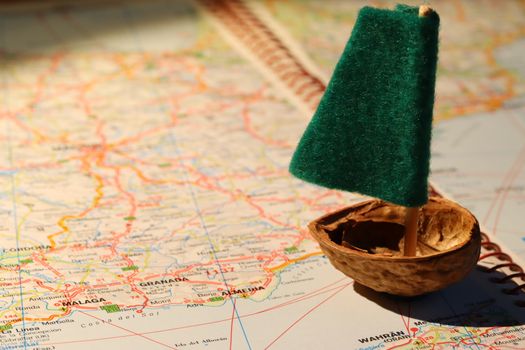
Have you ever looked at a map, pointed to a faraway place, and wondered what it would be like to truly know it? Not just see the sights, but understand its pulse, its history, its people, its very soul? For years, my travel philosophy revolved around ticking off destinations, capturing the perfect Instagram shot, and enjoying a well-deserved break. But then, something shifted. I realized that the most profound travel experiences weren't just about escaping; they were about learning, about growing, about transforming.
My journey into the world of "educational adventures" began almost by accident. I was feeling a bit restless, craving more than just another beach holiday. A friend mentioned a volunteer archaeology program in Peru, and on a whim, I signed up. Little did I know, that decision would unravel a whole new dimension of travel for me – one where every step was a lesson, every interaction an insight, and every challenge a catalyst for personal growth. These weren't just trips; they were immersive odysseys that felt like grand adventures, yet left me with a wealth of knowledge and a perspective so profoundly altered, I can genuinely say they changed my life forever. If you’re yearning for travel that feeds your soul and sharpens your mind, prepare to be inspired.
1. Unearthing Ancient Worlds: The Inca Trail & Machu Picchu, Peru
My first foray into truly educational adventure began high in the Andes. The idea of an "archaeological trek" sounded daunting, but the allure of Machu Picchu, combined with the chance to understand the Inca civilization beyond a textbook, was irresistible. I joined a small group for a 7-day program that started with acclimatization in Cusco, followed by a 4-day trek on the Inca Trail, culminating in the awe-inspiring citadel.
The trek itself was a physical challenge, pushing my limits with steep ascents and dizzying altitudes. But what made it an educational adventure was our incredible local guide, Marco. He wasn't just leading us; he was narrating the very stones beneath our feet. Each ancient ruin we passed – Patallacta, Runkuraqay, Sayacmarca – came alive with his stories of Inca engineering, astronomy, and daily life. We learned about the sophisticated terracing systems, the spiritual significance of the mountains, and the devastating impact of the Spanish conquest. Marco taught us a few Quechua phrases, shared traditional coca leaf rituals, and even explained the medicinal properties of local plants. It wasn't just a hike; it was a living history lesson.
Reaching the Sun Gate at dawn, overlooking Machu Picchu shrouded in mist, was an emotional crescendo. Knowing the effort, the history, and the culture that led to that moment made it infinitely more powerful than any postcard could convey. I spent hours exploring the complex, imagining the lives of its inhabitants, feeling the weight of centuries. This trip taught me resilience, the power of ancient civilizations, and the profound connection between humans and their environment. It was a true #IncaTrailAdventure.
Practical Tips for Your Inca Adventure:
- Book Well in Advance: The Inca Trail permits are limited. Book 6+ months ahead, especially for peak season (May-September).
- Choose a Reputable Operator: Look for companies that prioritize ethical tourism, fair wages for porters, and sustainable practices. Expect to pay around $700-$1500 USD for a 4-day trek, depending on inclusions.
- Acclimatize: Spend at least 2-3 days in Cusco (3,400m/11,150ft) before starting your trek to avoid altitude sickness.
- Pack Smart: Layers are key! Good hiking boots, rain gear, sun protection, and a reusable water bottle are essential.
- Engage with Your Guide: Ask questions! They are a treasure trove of knowledge about #PeruvianHistory and culture.
2. Diving into Conservation: The Great Barrier Reef, Australia
From ancient mountains to vibrant underwater worlds, my next educational adventure took me to the shimmering turquoise waters of the Great Barrier Reef. I’d always been fascinated by marine life, but seeing it on a documentary is one thing; experiencing it firsthand and understanding its fragility is another entirely. I joined a week-long marine conservation program based out of Cairns, which combined PADI certification with hands-on citizen science.
Every day was a blend of exhilarating dives and crucial learning. Our instructors weren't just dive masters; they were marine biologists passionate about the reef's preservation. We learned about coral species, fish identification, the delicate balance of the ecosystem, and the devastating impact of climate change, pollution, and overfishing. My first dive was overwhelming – a kaleidoscope of color and life. Giant clams, electric blue fish, graceful turtles, and intricate coral formations surrounded me. But alongside the wonder, there was a sobering reality. We were trained to identify signs of coral bleaching, collect data on fish populations, and even participate in coral restoration efforts, carefully transplanting healthy coral fragments.
One afternoon, while documenting a particularly vibrant patch of staghorn coral, I spotted a small reef shark gliding gracefully by. It was a moment of pure, unadulterated awe and a stark reminder of the wild beauty we were striving to protect. This experience wasn't just about seeing beautiful things; it was about contributing, however small, to their survival. It instilled in me a deep sense of environmental responsibility and a desire to advocate for our oceans. #SaveTheReef
Tips for Your Reef Conservation Journey:
- Choose Eco-Certified Operators: Look for companies with Ecotourism Australia certification or similar credentials that actively support reef conservation.
- Be Reef-Safe: Use mineral-based, reef-safe sunscreen (free of oxybenzone and octinoxate). Avoid touching coral or marine life.
- Consider Citizen Science: Many organizations offer short-term volunteer programs where you can assist with data collection, reef monitoring, or clean-ups. Companies like Reef Teach in Cairns offer excellent educational programs.
- Learn to Dive: If you're not certified, consider getting your PADI Open Water Diver certification. It opens up a whole new world! Expect to pay around $500-700 AUD for certification and basic dive trips.
- Support Local Initiatives: Purchase local, sustainably sourced seafood and support businesses committed to #MarineConservation.
3. Language & Culture Immersion: Seville, Spain
There’s a world of difference between studying a language in a classroom and living it. My desire to truly connect with a new culture led me to Seville, Spain, for a month-long language immersion program. I enrolled in a local language school, CLIC International House, and opted for a homestay with a Spanish family. This was perhaps the most challenging, yet ultimately rewarding, of my educational adventures.
From the moment I stepped off the plane, I was plunged into a symphony of rapid-fire Spanish. My host mother, Carmen, spoke no English, which was terrifying and exhilarating in equal measure. Every meal was a lesson: learning to ask for more jamón, understanding local idioms, and navigating animated conversations about politics, football, and family. The language school provided structured learning, but the real education happened outside its walls.
I spent my afternoons wandering the labyrinthine streets of the Barrio Santa Cruz, getting lost in the aroma of orange blossoms, and stumbling upon impromptu flamenco performances. I learned to order tapas like a local (the trick is to stand at the bar!), practiced my usted and tú with shopkeepers, and even managed to debate the merits of different bullfighters with Carmen's uncle. The highlight was attending a professional flamenco show at a tablao – the raw passion, the intricate footwork, the soulful singing – it was a visceral experience that transcended language, yet deepened my understanding of Spanish culture.
By the end of the month, my Spanish wasn't perfect, but I could converse, laugh, and truly connect. More importantly, I had gained an invaluable insight into a different way of life, one that prioritized siestas, lively conversation, and savoring every moment. It taught me the power of stepping outside my comfort zone and the beauty of human connection that transcends linguistic barriers. #LearnSpanish #SevilleCulture
Tips for Your Language Immersion:
- Choose a Homestay: It's the fastest way to immerse yourself. Expect to pay around $200-400 USD per week, including meals, depending on the city.
- Pick a Reputable School: Research language schools with good reviews and certified teachers. Check out options in vibrant cities like Seville, Granada, or Valencia.
- Embrace Imperfection: Don't be afraid to make mistakes! Locals appreciate the effort.
- Practice Daily: Seek out opportunities to speak – order coffee, ask for directions, chat with locals.
- Go Beyond the Classroom: Attend local events, visit markets, watch local TV shows, and listen to music.
- Budget for Experiences: Include funds for cultural shows, cooking classes, or local excursions that enhance your #CulturalImmersion.
4. Wildlife Tracking in the Serengeti: Tanzania
For a deep dive into ecology and wildlife behavior, nothing compares to the vast plains of the Serengeti. My trip to Tanzania wasn't just a safari; it was a masterclass in tracking, observation, and understanding the delicate balance of one of the world's most iconic ecosystems. I booked a 10-day small-group safari that focused heavily on ethical wildlife viewing and learning from expert local guides.
Our guide, Joseph, was a walking encyclopedia of the bush. He could spot a leopard camouflaged in a tree from a mile away, identify bird calls I couldn't even hear, and explain the intricate social structures of lion prides. We spent hours tracking animals, not just driving to them. Joseph taught us to read the landscape: fresh paw prints in the dust, the alarm calls of impalas, the subtle shift in the wind. It felt less like a tourist activity and more like an immersive field study.
One unforgettable morning, we tracked a herd of elephants for nearly two hours, observing their gentle giants communicate, protect their young, and even mourn their dead. Another afternoon, we sat silently for what felt like an eternity, watching a cheetah mother teach her cubs to hunt. These weren't fleeting glimpses; they were prolonged, respectful observations that allowed for true understanding. We learned about the Great Migration, the challenges of anti-poaching efforts, and the importance of community conservation initiatives.
Being in the presence of such magnificent creatures, learning about their lives directly from someone who grew up alongside them, was a profound education. It deepened my respect for the natural world and highlighted the urgent need for its protection. The sheer scale of the Serengeti, the circle of life playing out before my eyes, and the wisdom shared by our guides truly cemented this as a life-changing educational adventure. #SerengetiSafari #WildlifeEducation
Planning Your Serengeti Wildlife Education:
- Choose a Responsible Safari Operator: Look for companies that employ local guides, contribute to conservation, and adhere to strict ethical wildlife viewing guidelines (e.g., no off-roading, maintaining distance). A good 7-10 day safari can cost anywhere from $3000-$6000+ USD, depending on luxury level and inclusions.
- Go with a Small Group: Smaller groups allow for more personalized attention from guides and a less intrusive experience for wildlife.
- Pack Binoculars & a Good Camera: Crucial for detailed observation and capturing those incredible moments.
- Ask Questions: Your guide is an expert. Engage with them to learn about animal behavior, ecology, and local culture.
- Respect Wildlife: Never feed animals, maintain a safe distance, and follow your guide's instructions implicitly.
- Consider a Cultural Visit: Many safaris offer opportunities to visit Maasai villages. Ensure these are authentic and benefit the local community directly. #TanzaniaTravel
5. Culinary Journey Through Northern Thailand: Chiang Mai
My final featured educational adventure took a delicious turn, proving that learning can be incredibly palatable! I'd always loved Thai food, but I wanted to understand its roots, its ingredients, and the philosophy behind it. Chiang Mai, with its vibrant food scene and rich cultural heritage, was the perfect classroom. I signed up for a multi-day culinary immersion that included market tours, cooking classes, and even a visit to an organic farm.
Our instructor, Chef Lek, was a force of nature – witty, passionate, and incredibly knowledgeable. Each morning began with a visit to a bustling local market, where Lek taught us about exotic fruits, pungent herbs, and the art of selecting the freshest ingredients. I learned to identify different types of chili, understand the nuances of various curries, and even haggle (politely!) for spices. This wasn't just grocery shopping; it was a cultural deep dive into the heart of Thai cuisine.
Back in the open-air kitchen, we learned to pound curry pastes from scratch, master the delicate balance of sweet, sour, salty, and spicy, and prepare classic dishes like Pad Thai, Tom Yum Goong, Green Curry, and Mango Sticky Rice. The hands-on experience was invaluable, but it was Chef Lek's stories about family recipes, regional variations, and the cultural significance of food that truly enriched the experience. She explained how food in Thailand isn't just sustenance; it's an expression of hospitality, a connection to tradition, and a celebration of community.
One evening, after perfecting my Massaman Curry, I shared a meal with my fellow students, laughing and recounting our culinary triumphs and hilarious mishaps. It was a moment of pure joy and connection, forged over shared food and newfound knowledge. This adventure taught me that food is a universal language, a powerful tool for cultural understanding, and a delicious pathway to discovering a new corner of the world. #ThaiCooking #ChiangMaiFood
S