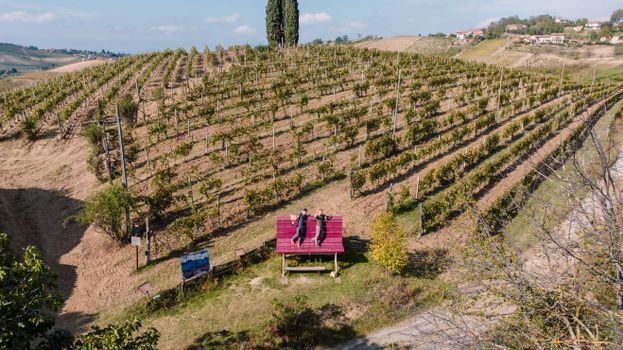
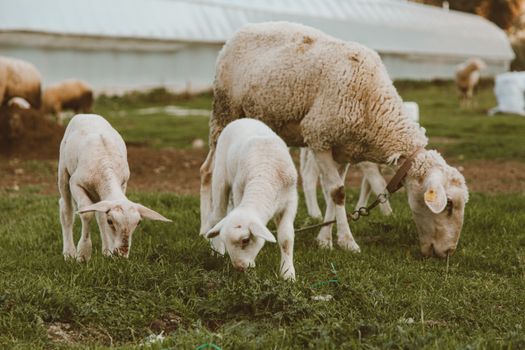
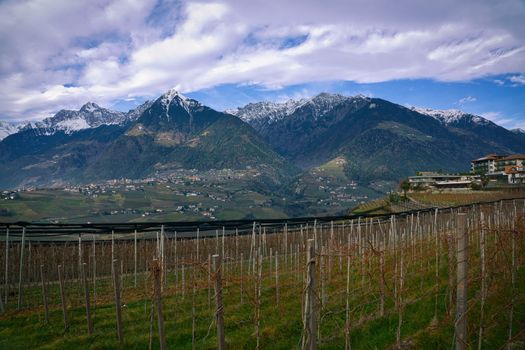
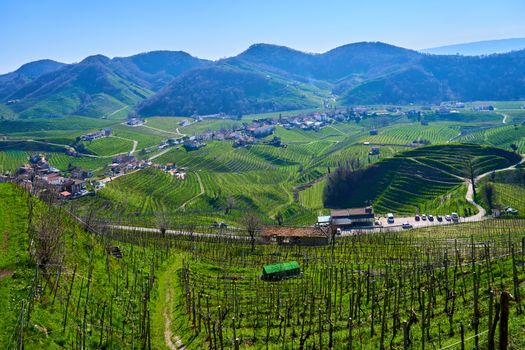
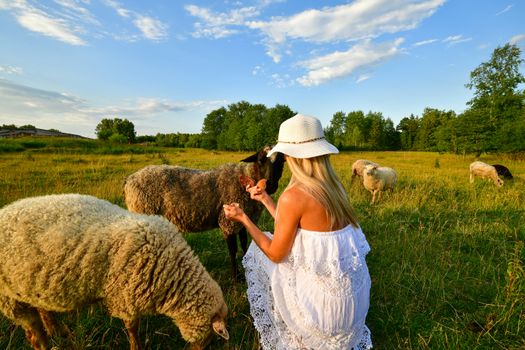
Farm stays have grown in popularity among travelers who want to understand where their food comes from. Some hosts invite guests to join the harvest, collect eggs, prepare meals from their own produce and learn about seasonal cycles. These experiences can be rewarding, but they also involve real farm work, variable conditions and personal expectations. This guide explains how to choose a farm stay that offers genuine hands-on participation, what to expect during the work and how to be a helpful guest.
What a harvest-focused farm stay offers
Farm stays range from simple rural guesthouses to working farms that welcome guests into daily routines. A harvest-focused stay typically involves picking fruit or vegetables, preparing ingredients, cooking shared meals and learning about crop rotation, livestock care or preserving techniques. Some farms run cooking classes, tastings or market visits as part of the package.
The experience depends heavily on the season. Spring may bring planting and pruning, summer and autumn often involve picking, and winter may focus on storage, preserving and maintenance. Ask hosts what tasks are typical for the dates you plan to visit.
Choosing a host carefully
Look for clear descriptions of what guests will do and how many hours of work, if any, are expected. Reputable hosts explain whether participation is optional, what skills are needed and what is provided, such as meals, bedding and transport. Read reviews from previous guests, paying attention to comments about communication and the accuracy of listings.
Ask direct questions before booking. How are meals organized? Is accommodation shared or private? What happens in bad weather? What is the policy if you cannot take part in a task because of health or physical limits? Clear answers suggest a well-run operation.
Understanding the work and fair expectations
Harvest work can be physically demanding. Bending, lifting crates and working in sun or rain are common. Plan for sunscreen, a hat, sturdy footwear and gloves if needed. Hosts typically expect guests to follow instructions, work carefully to avoid damaging crops and keep gates closed to protect livestock.
Some farm stays are structured as voluntary exchanges, where guests provide a set number of hours in return for accommodation and meals. Terms vary widely, and certain programs are subject to local rules about employment and visas. Verify the arrangement and any legal requirements in the country you visit, and consult official guidance if you are unsure.
Food safety, allergies and hygiene
Handling fresh produce and preparing meals on a farm requires care. Wash your hands regularly, follow hygiene instructions for dairy and eggs, and ask about allergies or dietary needs before arrival. Hosts should be able to explain how food is stored, cooked and served. If you have a serious allergy, confirm in advance that the farm can manage it safely.
Water sources, animal contact and insect exposure can also raise health considerations. Check travel health information for the region and make sure your vaccinations and insurance are up to date.
Being a good guest
Good farm guests arrive on time for work sessions, ask what needs doing and stay within the boundaries the host sets. Respect private areas, equipment and animals. If you are invited to cook, bring an open mind about local ingredients and methods. Offer to help clean up, and consider a small gift or a thank-you note at the end of your stay.
Be honest about your skills and energy. Hosts appreciate guests who communicate early if they are tired or unwell.
Practical tips
Pack light but bring layers, rain gear, a reusable water bottle and a small first-aid kit. Confirm transport details, since many farms are remote and public transport may be limited. Bring cash for small purchases and tips, and ask whether card payments are possible. Keep a notebook of recipes and techniques you learn, as they are easy to forget.
Consider a shorter first stay to see whether the rhythm suits you before committing to a longer program. Check that your travel insurance covers agricultural activities if you plan to take part in physical work.
Common mistakes to avoid
A frequent mistake is expecting a restful holiday when the stay includes daily work. Many guests find that routines start early and that tasks continue despite fatigue. Another error is assuming that cooking skills will be sufficient without asking what the host expects. Some people pack for an idealised rural life, forgetting that practical clothing and footwear matter more than fashionable items. Others arrive without thinking about how they will spend free time, which can be limited on remote farms. It is also common to underestimate how much shared living can add to the experience, both positively and negatively. Clear communication with the host before arrival, and a willingness to adapt, tends to make the stay more comfortable for everyone. Hosts who describe their operation in detail often make these expectations easier to judge.
Who this suits and who it doesn't
Farm stays involving harvest work may suit people who enjoy physical activity, are curious about food production and are comfortable with simple routines. Families with older children may find them educational, provided that supervision and safety around animals and machinery are clear. They are generally less suitable for those with mobility limitations, people who need quiet and privacy, or anyone who expects a luxury service level. Travelers with health concerns should check the physical demands and food arrangements before committing.
How to decide: a simple checklist
Consider these questions before booking:
- Do I want to join daily work, or simply visit for a meal?
- Am I comfortable with early starts and physical tasks?
- Have I confirmed meals, bedding and transport in writing?
- Can I cope with rural internet, limited signal or basic facilities?
- Am I able to leave early if the arrangement does not suit me?
If most answers are clear and positive, a farm stay can be a memorable way to connect with food and rural life.
Farm stays that invite you into the harvest can offer a deeper understanding of food and rural life than a restaurant visit ever could. Choose a host who explains the work clearly, prepare for the physical reality of the season and approach the experience as a respectful participant. Done well, it can be one of the most memorable meals you will ever share.