1. The Hook: A Morning in the Mud
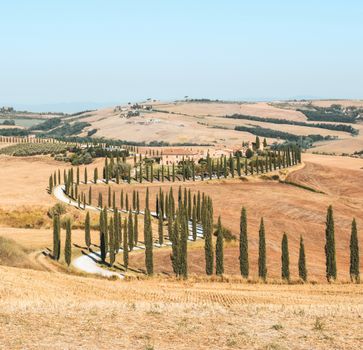
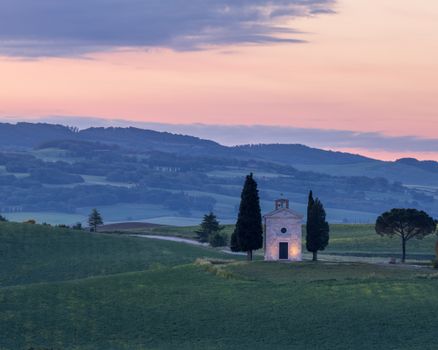
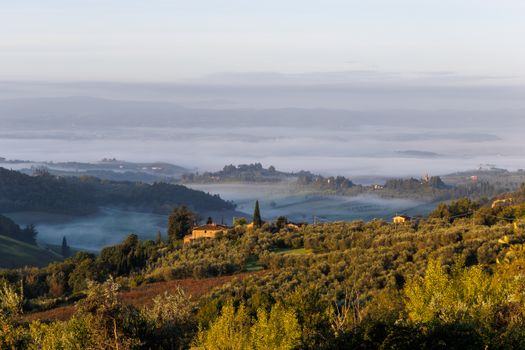
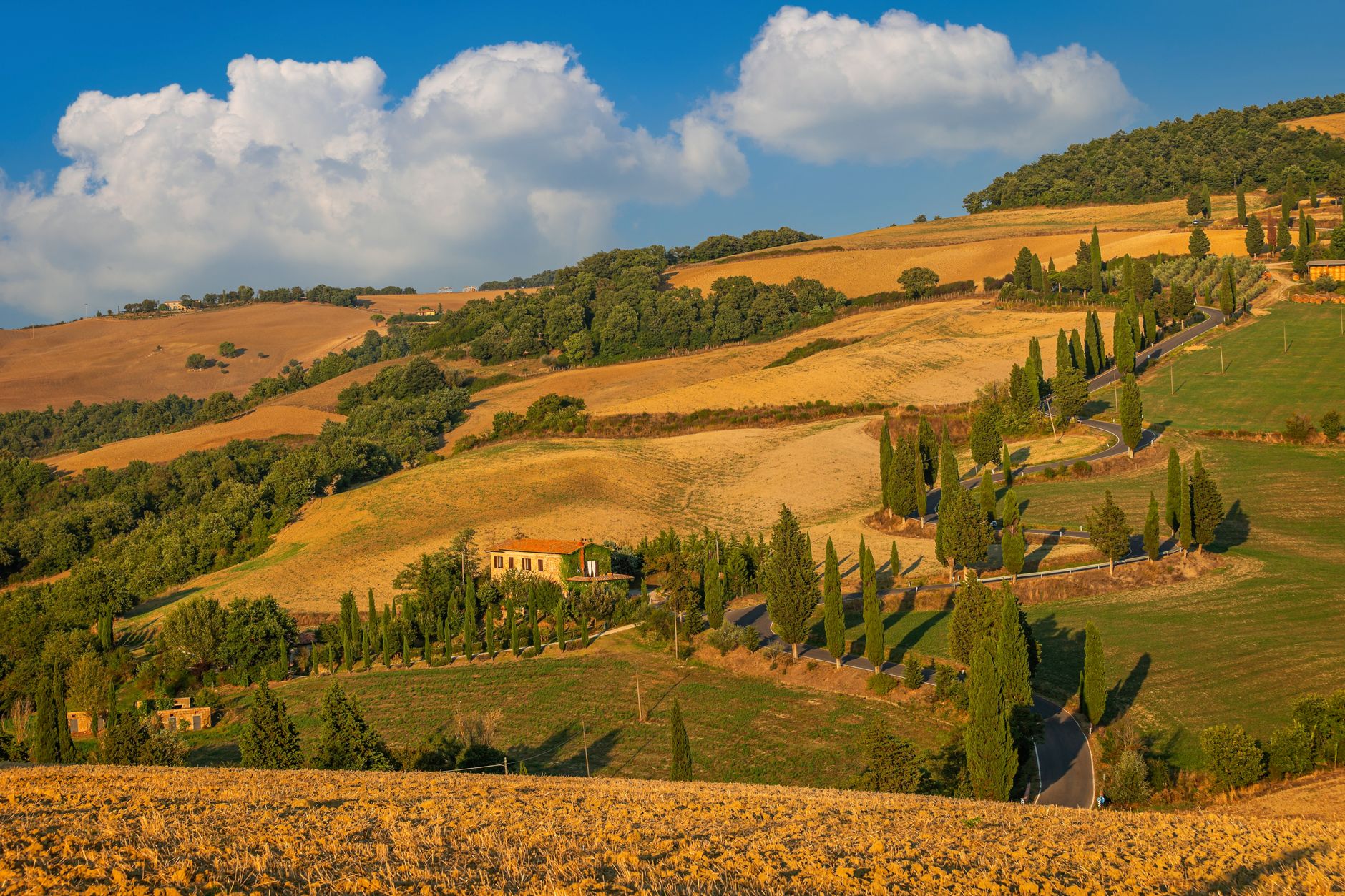
I stepped off the train in rural Tuscany, and the first thing that hit me wasn’t the view—though the undulating cypress-lined ridges of the Val d’Orcia are a cinematic masterpiece—it was the smell. It was a thick, intoxicating perfume of crushed wild fennel, damp volcanic soil, and the sharp, resinous tang of rosemary hedges baking in the 7 AM sun.
My hands were stained purple within the hour. I wasn't just a guest; I was part of the morning harvest. There is a profound, almost primal psychological shift that happens when you stop being a consumer and start being a participant. When you snap a zucchini blossom off the vine, knowing it will be stuffed with ricotta and fried for your lunch three hours later, the food tastes different. It tastes like effort. It tastes like the land.
If you’re ready to trade your morning scrolling for morning strolling (with a wicker basket in hand), these are the elite farm stays where you harvest your meals worth considering.
---
2. Babylonstoren: The Cape Dutch Eden (Simondium, South Africa)
Babylonstoren is arguably the gold standard of global agritourism. This isn't just a farm; it’s an eight-acre formal garden inspired by the Company’s Garden in Cape Town, which supplied passing ships in the 1600s.
The Experience: Every inch of the garden is edible. I spent my Tuesday morning following one of the master gardeners through the "Gravity" section, harvesting blood oranges and heirloom plums. The architecture is classic Cape Dutch—whitewashed walls and ornate gables—but the soul is in the soil. Guests are encouraged to join the harvest for the onsite restaurants, Babel and the Greenhouse.
The Meal: You’ll help gather "salat" ingredients—think nasturtium petals, micro-greens, and radishes so crisp they snap like glass.
- Pro-Tip: Join the "Guided Garden Walk" at 10:00 AM sharp. The gardeners often share cuttings or seeds of rare endemic plants that you won't find in any commercial nursery.
- Insider Detail: Look for the "Puffadder" walkway—a shaded, meandering tunnel of vines that keeps you cool while you forage for berries.
---
3. Satoyama Jujo: The Soul of the Rice Paddy (Niigata, Japan)
In the "Snow Country" of Niigata, Satoyama Jujo offers a masterclass in satoyama—the traditional Japanese philosophy of living in harmony with the mountain forest.
The Experience: This is for the traveler who wants to understand the gravity of a single grain of rice. Depending on the season, you’ll be knee-deep in paddies planting Koshihikari (the world’s most premium rice) or foraging for sansai (wild mountain vegetables) like ostrich fern and bamboo shoots in the spring.
The Meal: The "Sanaburi" cuisine served here is world-class. I remember the shock of tasting a turnip I had pulled from the ground just two hours prior; it was served raw, sliced thin, with nothing but a pinch of local sea salt. It was sweeter than an apple.
- Pro-Tip: Book the "Organic Vegetable Harvest" package in late autumn to experience the Haza-ki—the traditional way of hanging rice bundles to dry in the wind.
- Insider Detail: The 150-year-old kominka (traditional farmhouse) timber frame was moved here and reassembled without a single nail.
---
4. Stedsans in the Woods: The Off-Grid Fantasy (Halland, Sweden)
If you want to feel like a sophisticated forest creature, Stedsans is your mecca. Located in the deep Swedish woods, this stay is centered around a "permaculture garden in the making" and a floating restaurant on a lake.
The Experience: This is rugged. You’ll be foraging for wild mushrooms, blueberries, and spruce tips. The "harvest" here is as much about wildcrafting as it is about gardening. I spent an afternoon learning to identify chanterelles—the "forest gold"—which we later sautéed over an open fire.
The Meal: Everything is cooked over fire. No electricity. No gas. The flavor of woodsmoke permeates the produce, creating a depth of flavor that a Michelin-star kitchen in London simply cannot replicate.
- Pro-Tip: Bring waterproof boots. The best foraging spots are often in the boggy areas near the lake.
- Insider Detail: The "glass cabins" have no curtains. You wake up with the sun, which is your natural alarm clock for the early morning berry harvest.
---
5. Finca Luna Nueva: The Sacred Seed Sanctuary (San Isidro, Costa Rica)
Deep in the rainforest near the Arenal Volcano, this biodynamic farm is a living classroom. It’s not just about food; it’s about the "Sacred Seeds" project, which protects traditional medicinal plants of the Neotropics.
The Experience: You’ll be harvesting turmeric, ginger, and cacao. I’ve never seen a "grocery list" that included "harvesting chocolate," but here, you pick the pods, ferment the beans, and roast them yourself. It’s a sticky, sweaty, glorious process.
The Meal: The "Rainforest to Table" menu features "Heart of Palm" harvested sustainably from the farm, served with turmeric-infused rice that you likely helped process.
- Pro-Tip: Take the "Rainforest Mysteries" night walk. You’ll see the nocturnal pollinators that make your morning fruit harvest possible.
- Insider Detail: Ask for "The Sloth Territory" map. There’s a specific grove of Cecropia trees where the farm’s resident sloths hang out during the midday heat.
---
6. Agriturismo Il Rigo: The Tuscan Purist (San Quirico d’Orcia, Italy)
This is the Italy you see in your dreams, but without the tourist filters. Il Rigo is a working organic farm that has been in the same family for nine generations.
The Experience: Harvesting here is seasonal and serious. In October, it’s all about the olives. In summer, it’s the ancient grains and the massive vegetable garden. I spent my days here harvesting "Prugnolo" tomatoes—small, intense bursts of flavor—and learning to roll pici pasta by hand.
The Meal: The dinner is a communal affair. You’ll sit at a long wooden table drinking the farm’s own Sangiovese wine, eating the very vegetables you picked that morning.
- Pro-Tip: Visit in late September for the grape harvest (Vendemmia). It’s the most festive time of year, and guests are often invited to help with the crush.
- Insider Detail: The "hidden" garden is behind the low stone wall near the stables—it's where they grow the rare yellow raspberries.
---
7. Quick Facts & Logistics
| Destination | Best Time to Visit | Estimated Cost (Per Night) | How to Get There | | :--- | :--- | :--- | :--- | | Babylonstoren | Sept - April (Spring/Summer) | $$$$ ($500+) | 45-min drive from Cape Town | | Satoyama Jujo | May (Planting) or Oct (Harvest) | $$$ ($400+) | Shinkansen to Echigo-Yuzawa | | Stedsans | July - August | $$$ ($350+) | Fly to Copenhagen, 2-hr drive | | Finca Luna Nueva| Dec - April (Dry Season) | $$ ($150+) | 2.5-hr drive from San Jose | | Il Rigo | May - June or September | $$ ($180+) | Train to Chiusi, then rental car |
---
8. The Logistics: How to Pull This Off
Harvesting your own meals isn't just about showing up; it's about timing.
- Seasonality is King: You cannot harvest tomatoes in Italy in January. Check the farm’s "Harvest Calendar" before booking.
- The 7 AM Rule: On a farm, the real work happens before the sun gets high. If you want the best produce and the most authentic experience, be in the garden by 7 AM. The light is better for photos, and the plants are more turgid (crisp) from the night's dew.
- Dress the Part: Leave the designer sneakers at home. You need sturdy, closed-toe boots and linen layers. Farm stays are "dirty luxury."
9. Why It Matters
In our hyper-digital world, we’ve lost the "tactile feedback loop" of survival. There is a deep, quiet confidence that comes from knowing exactly where your dinner came from because you were the one who pulled it from the earth. These farm stays aren't just vacations; they are recalibrations. You’ll return home with dirt under your fingernails, a sun-kissed nose, and a redefined understanding of what "fresh" actually means.
---