A note on safety first
Fasting is not suitable for everyone. If you have a medical condition, take medication, are pregnant or breastfeeding, have a history of eating disorders, or are under 18, speak to a doctor before considering a fasting retreat.
What retreats typically offer
- Guided fasting or modified eating plans, such as juice or broth regimes.
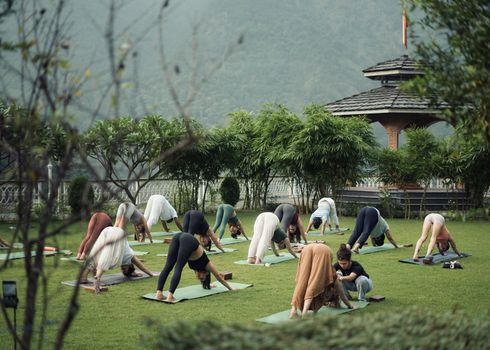
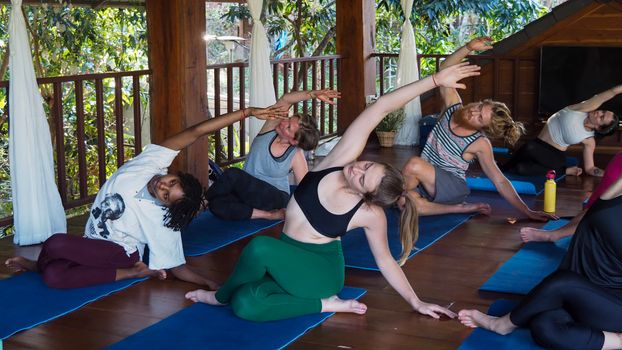
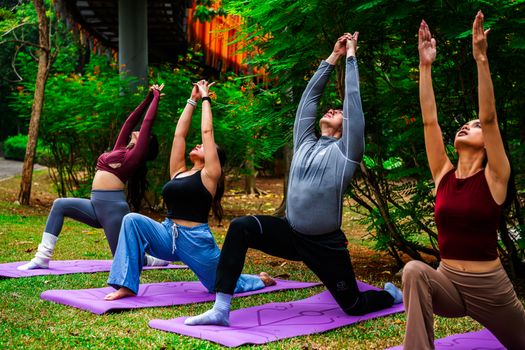
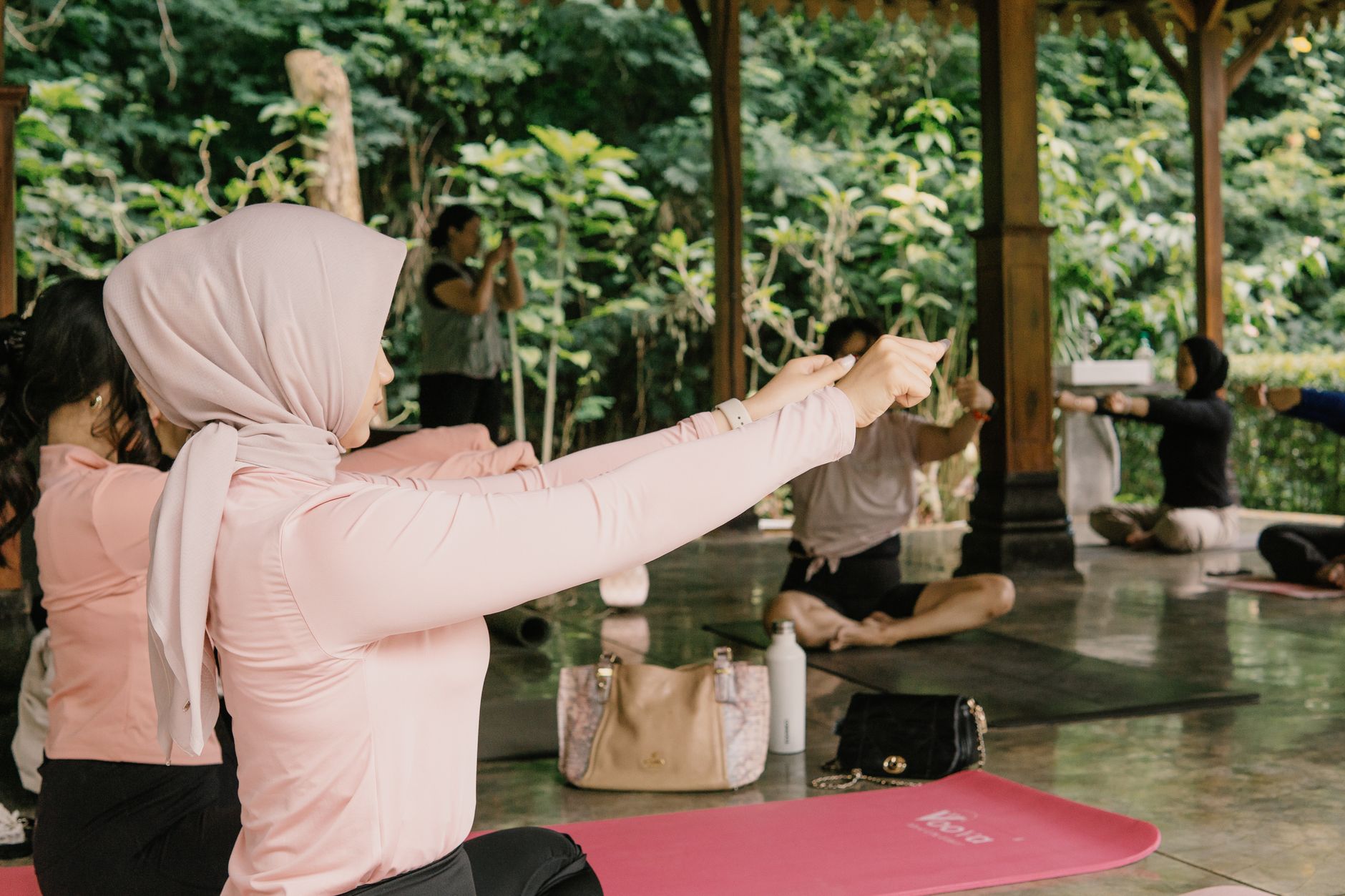
- Gentle exercise: yoga, walks and meditation.
- Workshops on nutrition, sleep and stress.
- Spa treatments and quiet time in nature.
What the evidence says
Some people report better focus and mood after a short break from routine, but this may owe as much to rest, nature and a digital break as to fasting itself. Claims that fasting 'detoxifies' the body are not well supported by scientific evidence.
Choosing a retreat
- Look for medical supervision or qualified practitioners.
- Ask about screening before arrival.
- Avoid retreats that make exaggerated health claims or pressure you to buy supplements.
- Read independent reviews.
- Check the cancellation and refund policy.
Alternatives
If you want clarity without fasting, consider a quiet retreat, a hiking trip or a digital-detox weekend.
This article is general information, not medical advice.