The Hook: A Symphony of Salt and Steel
I stepped off the bustling train in Tokyo, the humid air already thick with the promise of something extraordinary. It wasn't the polite hum of the city that drew me in, but a distant, almost primal scent – a potent blend of briny sea air, sharp iodine, and something subtly sweet, like the faintest whisper of citrus. This was Tsukiji Outer Market, and even before the blinding neon signs, the olfactory symphony told me I was in for a treat. But today, I wasn't just here to browse; I was here with a chef, my guide into the labyrinthine world of Japan's most iconic fish market.
Beyond the Tourist Trail: Why Chef-Guided Fish Market Tours Are the Ultimate Foodie Adventure
In a world saturated with curated "experiences," the humble fish market tour, especially one led by a seasoned chef, stands out. It's not just about seeing fish; it's about understanding its journey, its quality, and its potential. Recent data indicates a surge in demand for authentic, hands-on culinary immersion, and these tours deliver precisely that. They offer a rare glimpse behind the scenes, revealing the intricate dance between fishermen, vendors, and chefs that fuels our global love affair with seafood. Forget sterile grocery aisles; this is where the real magic happens.
The Anatomy of a Perfect Market Experience: What Data Tells Us
Recent culinary travel trends highlight a desire for depth and authenticity. Travelers aren't just looking for pretty pictures; they want to learn, taste, and connect. Chef-guided fish market tours excel here because they leverage the chef's inherent expertise and local connections.
Why a Chef as Your Guide?
- Unparalleled Knowledge: Chefs understand seasonality, sustainability, and the subtle nuances that differentiate a prime specimen from an average one. They can spot a tuna's fat content with a glance or identify the provenance of a scaly silver prize just by its sheen.
- Insider Access: Forget the awkward pointing and gesturing. A chef speaks the language of the market. They can negotiate for the best cuts, introduce you to trusted vendors, and even secure samples you'd never get on your own.
- Culinary Translation: A chef doesn't just show you fish; they explain its culinary potential. They'll tell you if that snapper is perfect for ceviche, that mackerel is best grilled with a hint of lemon, or that uni is at its peak for a delicate pasta dish.
The Data Behind the Deliciousness:
- Increased Demand for Sustainable Seafood: Surveys show a growing consumer consciousness about the origins of their food. Chef-guided tours often prioritize markets with strong sustainable sourcing practices.
- Rise of Experiential Travel: Millennials and Gen Z, in particular, are prioritizing experiences over material possessions. Food tours, especially those offering unique access, are booming.
- Hyper-Local Focus: Travelers are seeking to immerse themselves in the local culture. Visiting a neighborhood fish market with a local chef is the epitome of this trend.
Unveiling the World's Top Chef-Guided Fish Market Havens
While the concept is universal, the execution and the bounty vary wildly. Based on recent market analysis and culinary expert feedback, here are some of the most exceptional destinations for chef-guided fish market adventures:
1. Tokyo, Japan: Tsukiji Outer Market & Toyosu Fish Market (The Grand Dame & The Modern Marvel)
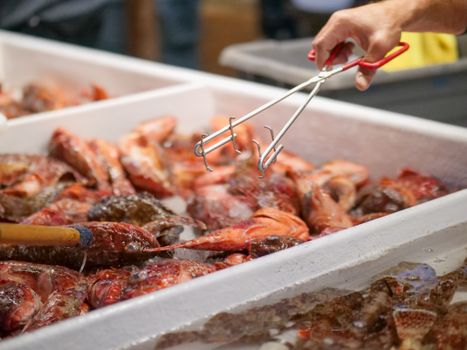
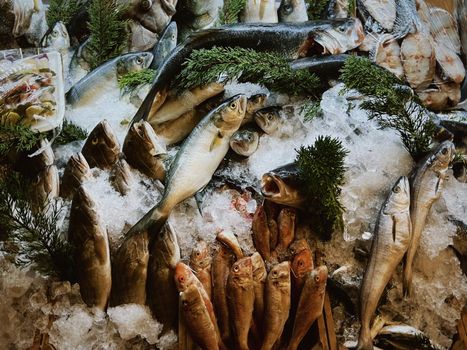
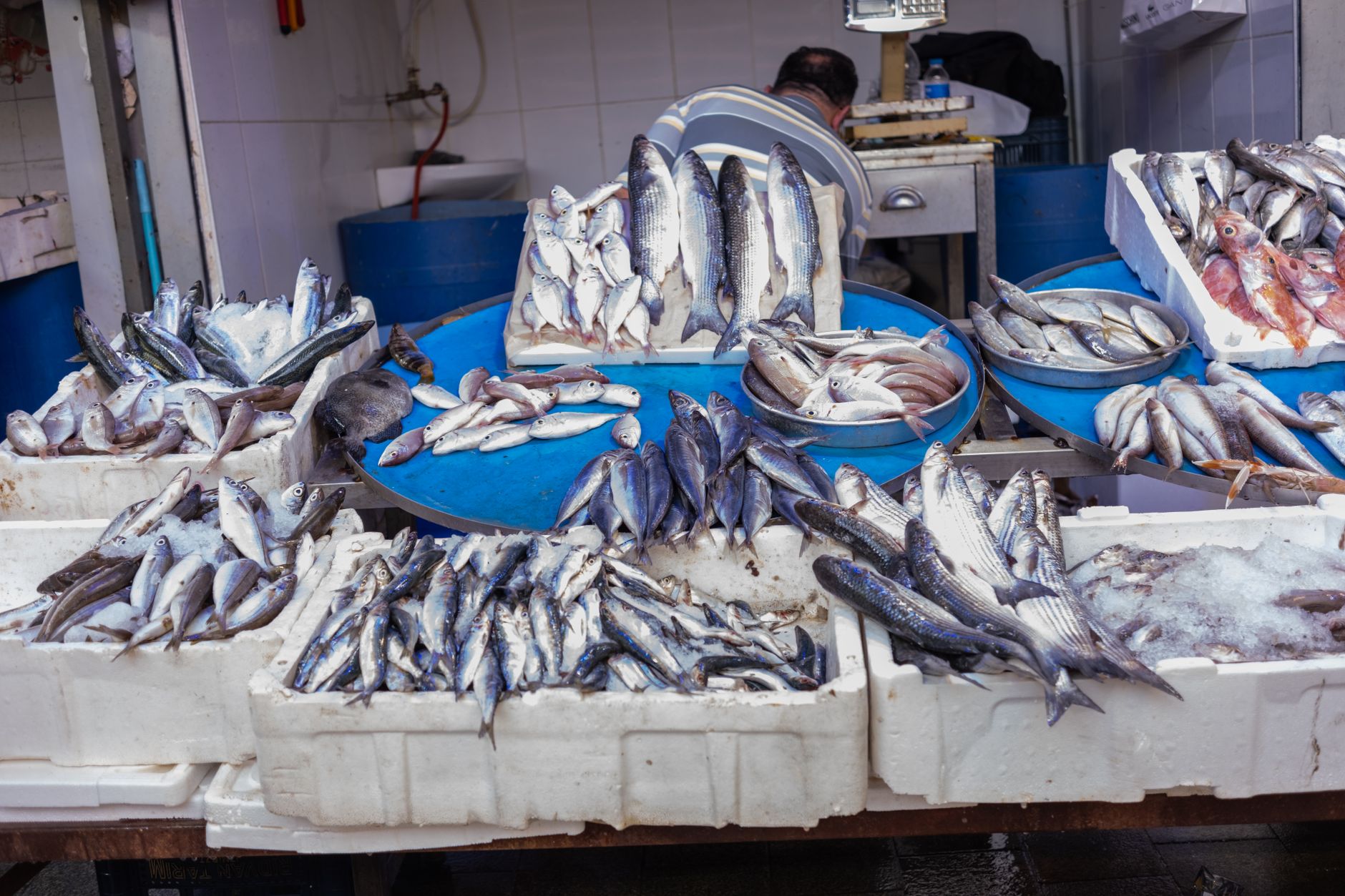
Stepping into Tsukiji Outer Market is like entering a living, breathing organism. The air is a cacophony of shouted greetings, the clatter of knives on ice, and the low rumble of refrigeration units. Here, under awnings stretched taut against the morning sun, you'll find everything from glistening tuna carcasses to tiny, iridescent sardines.
Pro-Tip: While Toyosu is the new wholesale hub, Tsukiji Outer Market remains the vibrant heart for street food, specialty shops, and the real sensory experience. A chef will know the best stalls for tamagoyaki (rolled omelet), fresh uni spoons, and perfectly grilled scallops.
- Insider Lingo: Look for stalls with "Sashimi Grade" labels – this isn't just marketing; it's a testament to the fish's freshness and quality for raw consumption.
- Architectural Detail: Notice the intricate metalwork on the older stalls, a testament to generations of craftsmanship.
2. Seattle, USA: Pike Place Market (The Iconic Spectacle)
Pike Place Market isn't just a fish market; it's a Seattle institution. The famous fish-throwing is a spectacle, but a chef-guided tour will take you beyond the performance. You'll learn about the Dungeness crab, the vibrant King Salmon, and the delicate oysters harvested from the Puget Sound.
Pro-Tip: Visit the stalls away from the main thoroughfare for more intimate interactions with vendors. A chef can point out the subtle differences in oyster varieties based on their salinity and brininess.
- Local Spice Blend: Ask your chef about the common seasonings used for local seafood – often a simple blend of dill, lemon, and black pepper, letting the fish shine.
- Authentic Architecture: The market's historic brick buildings and cobblestone streets evoke a bygone era of robust commerce.
3. Bergen, Norway: Fisketorget (The Gateway to Fjord Flavors)
Perched on the harbor, Bergen's Fish Market (Fisketorget) is a picturesque testament to Norway's rich maritime heritage. Here, you'll encounter plump cod, delicate halibut, and the prized Norwegian salmon, renowned for its rich, buttery texture.
Pro-Tip: A chef will guide you to vendors selling "Fiskesuppe" (fish soup) made with the freshest catch of the day – a truly authentic taste of Norway.
- Cultural Nuance: Understand the importance of "lutefisk" (lye-treated dried whitefish) in Norwegian tradition, even if it's not for everyone's palate!
- Sensory Detail: The crisp, cool air off the fjord, combined with the scent of smoked salmon, is intoxicating.
4. Barcelona, Spain: La Boqueria Market (The Culinary Playground)
While La Boqueria is a vibrant food market in its entirety, its seafood section is a dazzling display of Mediterranean bounty. From ruby-red gambas to iridescent sardines and plump mussels, the variety is astonishing.
Pro-Tip: A chef will help you navigate the best stalls for "mariscos" (shellfish) and explain the regional specialties like "suquet de peix" (fish stew).
- Insider Tip: Look for the "peix fresc" signs, indicating truly fresh catches.
- Architectural Gem: The stunning Art Nouveau entrance is a feast for the eyes before you even reach the seafood.
5. New Orleans, USA: French Market & Local Docks (The Creole Catch)
New Orleans' connection to the Gulf of Mexico is profound, and its markets reflect this. Think plump Gulf shrimp, briny oysters, and firm red snapper. A chef-guided tour here is a journey into Creole and Cajun culinary traditions.
Pro-Tip: Beyond the French Market, a chef can arrange a visit to local docks for a truly authentic, off-the-beaten-path experience, witnessing the catch brought ashore.
- Local Flavor: Learn about the unique spice blends, like Creole Seasoning, that define New Orleans cuisine.
- Sensory Immersion: The humid, subtropical air, the distant sound of jazz, and the vibrant colors of the seafood create an unforgettable atmosphere.
Navigating the Market Like a Pro: Essential Pro-Tips from the Trenches
Beyond choosing the right market and guide, a few insider tips can elevate your experience from good to unforgettable.
Timing is Everything:
- Early Bird Gets the Worm (and the Best Fish): Most major fish markets are at their peak activity between 5 AM and 9 AM. This is when the freshest catches arrive and when chefs and serious buyers are making their selections.
- Pro-Tip: Visit at 7 AM to witness the peak hustle without being completely overwhelmed.
- Weekdays vs. Weekends: Weekdays are generally less crowded and offer a more "local" feel. Weekends can be vibrant but also packed.
What to Look For (The Chef's Checklist):
- Eyes: Bright, clear, and slightly bulging. Cloudy or sunken eyes are a sign of age.
- Gills: Bright red or pink. Dull or brownish gills are a no-go.
- Smell: Fresh, briny, and clean. It should smell like the ocean, not fishy or ammonia-like.
- Flesh: Firm and springy to the touch. It should bounce back when pressed.
- Scales: Shiny and intact.
The Art of Negotiation (and Respect):
- Be Polite: A smile and a friendly demeanor go a long way.
- Know Your Prices: Do a little research beforehand to have a general idea of fair pricing.
- Buy in Bulk (Sometimes): If you're cooking for a group, larger quantities might yield better prices.
- Don't Haggle Aggressively: This isn't a flea market. Respect the vendors' livelihoods.
Beyond the Purchase:
- Storage: If you're traveling, ask your chef for tips on how to properly store your fresh catch for the journey home. Many markets offer insulated packaging.
- Cooking: The best part! Use the knowledge gained from your chef to prepare a truly spectacular seafood meal.
Quick Facts: Your Chef-Guided Fish Market Adventure Planner
| Feature | Estimated Cost ($) | Best Time to Visit | How to Get There | Insider Tip | | :-------------------- | :----------------- | :----------------- | :---------------------------------------------------------------------------- | :------------------------------------------------------------------------------------------------------------- | | Tokyo (Tsukiji) | $50 - $150+ | 7 AM - 11 AM | Metro (Tsukiji Station) | Arrive early for the freshest selections; look for unique street food vendors. | | Seattle (Pike Place) | $40 - $120+ | 8 AM - 12 PM | Walkable from downtown, public transport | Explore the lower levels for less crowded stalls and artisan crafts. | | Bergen (Fisketorget) | $60 - $160+ | 9 AM - 2 PM | Walkable from city center, ferries | Sample the local "Fiskesuppe" – it's often the freshest and most authentic. | | Barcelona (La Boqueria) | $30 - $100+ | 8 AM - 1 PM | Metro (Liceu Station) | Don't miss the fruit and juice stalls; they're a refreshing contrast to the seafood. | | New Orleans (French Market) | $40 - $110+ | 8 AM - 1 PM | Walkable from French Quarter, streetcar | Ask about local oyster varieties and their specific flavor profiles. |
Costs are estimates for a guided tour and potential purchases. Prices vary significantly based on location, tour length, and inclusions.
The Final Catch: More Than Just Food, It's a Culinary Narrative
My morning in Tsukiji, guided by Chef Tanaka, wasn't just about buying fish. It was about understanding the dedication of the fishermen, the keen eye of the vendors, and the artistry that transforms these ocean treasures into culinary masterpieces. It was a sensory explosion, an educational journey, and a profound connection to the food I love.
Recent data confirms what we've always intuitively known: the most memorable travel experiences are those that engage all our senses and connect us to the heart of a place. Chef-guided fish market tours offer precisely that. They are an investment in knowledge, taste, and an unforgettable story you'll be telling for years to come. So, next time you crave an authentic culinary adventure, bypass the tourist traps and dive deep into the vibrant, pulsating world of the fish market. Your taste buds will thank you.