The Hook: A Symphony of the Sea
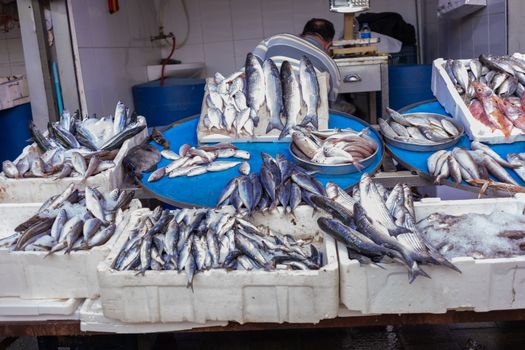
I stepped off the early morning train in Tokyo, the air thick with a promise I could already smell – a briny, invigorating perfume that spoke of the ocean's bounty. It wasn't just any scent; it was the concentrated essence of a city that reveres its seafood. The Tsukiji Outer Market, even in its slightly relocated, still-vibrant form, hummed with an energy that was palpable. The cacophony of vendors hawking their wares, the rhythmic chopping of knives, the excited chatter of locals and a handful of savvy travelers – it was a symphony, and I was about to conduct my own edible masterpiece with a seasoned maestro by my side. This wasn't just shopping; this was an immersion, a deep dive into the beating heart of Japanese culinary tradition, all guided by the discerning palate and expert knowledge of a local chef.
Beyond the Stall: Why Chef-Guided Tours Are the Ultimate Seafood Safari
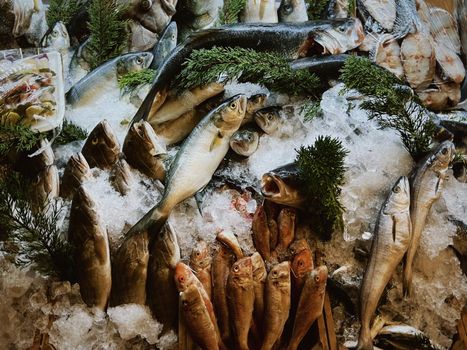
Sure, you can wander through any fish market on your own. You can marvel at the gleaming scales, the impossibly fresh specimens, the sheer variety. But you're missing the narrative. You're missing the 'why.' A chef-guided tour elevates the experience from observation to participation. These aren't just food tours; they're culinary masterclasses wrapped in an adventure.
What makes them so special?
- Insider Knowledge: Chefs know the vendors by name, understand the seasonality of the catch, and can spot the subtle nuances that distinguish truly exceptional seafood. They'll tell you which fish is best for sashimi, which for grilling, and why.
- Access: Many tours gain access to areas or vendors that a casual visitor wouldn't. Think exclusive tastings, introductions to fishmongers who've been in the business for generations, and even opportunities to see behind-the-scenes preparations.
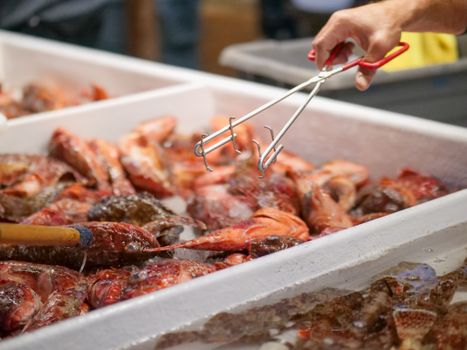
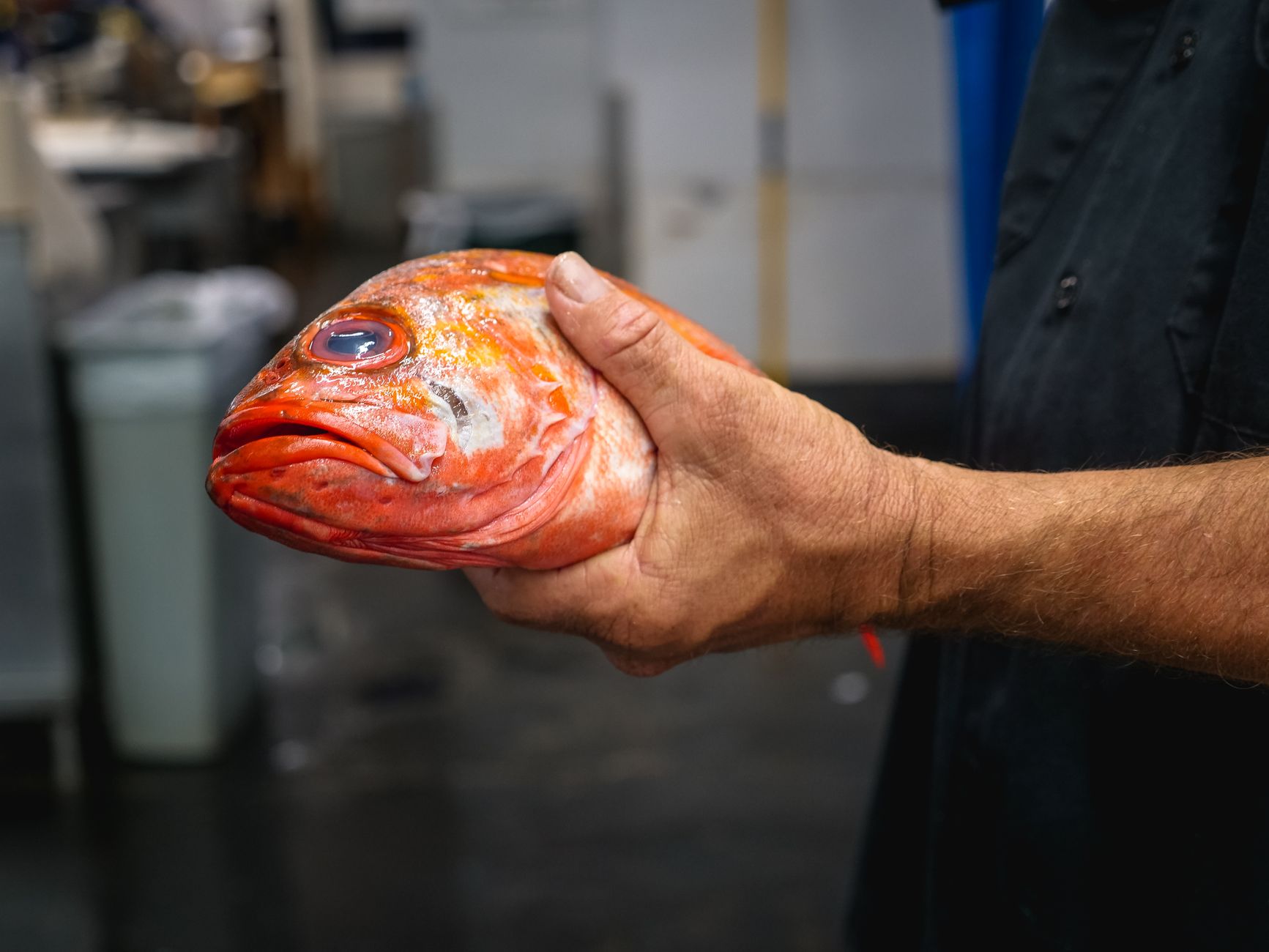
- Sensory Education: They teach you how to really look, smell, and even touch seafood to assess its freshness. It’s a crash course in culinary discernment that you'll carry with you long after the tour ends.
- The Story: Every fish has a story – where it was caught, how, and the cultural significance it holds. Chefs bring these stories to life, connecting you to the provenance of your food.
- Culmination: Many tours end with a delicious meal prepared with the very ingredients you helped select, often at a local restaurant or the chef's own establishment. This is the ultimate reward.
The World's Premier Fish Markets: Where Culinary Dreams Take Flight
Choosing where to embark on this gastronomic journey is part of the thrill. Each market offers a unique flavor profile, a distinct cultural tapestry, and a different set of culinary treasures. Here are a few that consistently deliver unforgettable chef-guided experiences:
1. Tsukiji Outer Market, Tokyo, Japan: The Art of Precision
Even with the main wholesale market's relocation, the Outer Market remains a vibrant hub for food lovers. The sheer dedication to quality and presentation here is unparalleled.
The Experience: Imagine a chef guiding you through labyrinthine alleys, pointing out the subtle differences between various types of tuna, explaining the importance of the "umami" in sea urchin, and showing you how to select the perfect oyster. You'll witness the meticulous preparation of sushi-grade fish and perhaps even learn a few Japanese phrases to impress your fishmonger.
Insider Language: Look for "katsuobushi" (bonito flakes) being freshly shaved, and don't miss the "tamagoyaki" (rolled omelet) vendors – a staple of any Tsukiji breakfast.
Pro-Tips:
- Visit: 5 AM to 2 PM is the prime time, but the earlier, the more authentic the buzz.
- Chef's Pick: Ask your guide about "amaebi" (sweet shrimp) or "hotate" (scallops) for incredible sashimi.
- Hidden Gem: Many small eateries within the market offer phenomenal sushi breakfasts using the freshest catch.
Quick Facts - Tsukiji Outer Market:
- Estimated Tour Cost: $100 - $250+ USD (often includes tasting or meal)
- Best Time to Visit: Weekdays, 6 AM - 12 PM
- How to Get There: Tokyo Metro Hibiya Line to Tsukiji Station or Toei Oedo Line to Tsukijishijo Station.
2. La Boqueria, Barcelona, Spain: A Mediterranean Masterpiece
La Boqueria isn't just a market; it's a sensory explosion. Bursting with color, sound, and the aroma of fresh produce, cured meats, and, of course, the freshest seafood from the Catalan coast.
The Experience: A Spanish chef will lead you through the bustling aisles, a vibrant dance of locals and tourists. They'll explain the importance of "peix fresc" (fresh fish), pointing out plump "gambas" (prawns), iridescent "sardinas," and the prized "merluza" (hake). You might learn to identify the subtle differences between various shellfish or discover the secrets to preparing a perfect "paella de marisco."
Insider Language: Keep an eye out for "navajas" (razor clams) and "ortiguillas" (sea anemones) – adventurous delicacies!
Pro-Tips:
- Visit: Mornings are best to see the full array before the midday rush.
- Chef's Pick: Ask for "anchoas del Cantábrico" (Cantabrian anchovies) and any seasonal "mariscos" (shellfish).
- Tasting Time: Many stalls offer small tasting plates – the perfect way to sample a variety.
Quick Facts - La Boqueria:
- Estimated Tour Cost: $80 - $200+ USD
- Best Time to Visit: Weekdays, 8 AM - 1 PM
- How to Get There: Metro L3 (Green Line) to Liceu station.
3. Pike Place Market, Seattle, USA: The Iconic Fish Toss and Beyond
Pike Place is more than just a market; it's an institution. While famous for its flying fish, the culinary depth extends far beyond the theatrics.
The Experience: A Seattle-based chef will guide you through this historic market, sharing stories of its founding and its iconic fishmongers. You'll learn about the incredible diversity of Pacific Northwest seafood, from wild salmon varieties to Dungeness crab and Pacific oysters. Your guide will demystify the best ways to cook and prepare these treasures, perhaps even introducing you to a local fisherman.
Insider Language: Beyond the famous salmon, ask about "halibut" for its flaky white flesh or the intensely flavorful "geoduck."
Pro-Tips:
- Visit: Go early to witness the fishmongers setting up and to catch the best selection.
- Chef's Pick: Look for "sockeye salmon" in season, or sample freshly shucked "Pacific oysters."
- Market Stroll: Don't forget to explore the lower levels for unique artisan foods and crafts.
Quick Facts - Pike Place Market:
- Estimated Tour Cost: $75 - $180+ USD
- Best Time to Visit: Weekdays, 9 AM - 1 PM
- How to Get There: Located downtown Seattle, easily accessible by public transport or a short walk from many hotels.
4. Borough Market, London, UK: A Gastronomic Garden
Borough Market is a foodie paradise, a sprawling labyrinth of stalls offering the finest produce, artisanal goods, and, of course, exceptional seafood from British waters and beyond.
The Experience: A knowledgeable British chef will navigate you through the market's vibrant energy. They'll highlight the seasonal bounty from the UK's coastline, explaining the differences between Cornish sole, Scottish langoustines, and oysters from various regions. You'll learn about sustainable fishing practices and gain insights into preparing classic British seafood dishes.
Insider Language: Seek out "oysters from Whitstable" or "Scottish scallops" for a true taste of the British Isles.
Pro-Tips:
- Visit: Mid-week is less crowded than weekends, offering a more relaxed exploration.
- Chef's Pick: In autumn, look for "sea bass" or "mackerel." In winter, it's all about "crab" and "lobster."
- Street Food: Borough is also renowned for its incredible street food; your chef might point you to a hidden gem for lunch.
Quick Facts - Borough Market:
- Estimated Tour Cost: $85 - $220+ USD
- Best Time to Visit: Tuesdays, Wednesdays, Thursdays, 10 AM - 3 PM
- How to Get There: London Underground to London Bridge station (Jubilee and Northern Lines).
5. Grand Central Market, Los Angeles, USA: A Melting Pot of Flavors
This iconic Los Angeles landmark is a bustling hub of diverse culinary vendors, and its seafood offerings are a testament to the city's global palate.
The Experience: A chef with a deep understanding of LA's food scene will guide you through the market's eclectic offerings. You'll discover fresh catches from the Pacific, learn about the influences of various cuisines on seafood preparation, and perhaps even get tips on sourcing ingredients for a fusion seafood dish.
Insider Language: Look for vendors specializing in "ceviche" or "fish tacos" for authentic local flavors.
Pro-Tips:
- Visit: Weekdays offer a more authentic local experience without the weekend crowds.
- Chef's Pick: Ask about the "local catch" – it varies daily but is always a good bet.
- Taste and See: Many vendors offer samples, making it easy to try a variety of seafood preparations.
Quick Facts - Grand Central Market:
- Estimated Tour Cost: $70 - $170+ USD
- Best Time to Visit: Weekdays, 11 AM - 2 PM
- How to Get There: Metro B (Red) Line or D (Purple) Line to Grand Park/Civic Center Station.
The Anatomy of an Elite Fish Market Tour
What separates a good tour from an exceptional one? It's the details, the passion, and the connection.
The Tour Leader:
- Credentials: Look for chefs with Michelin stars, extensive restaurant experience, or a deep connection to the local culinary scene.
- Personality: They should be engaging, knowledgeable, and passionate about food and culture. A good sense of humor is a major plus!
- Local Insight: They live and breathe the city's food culture. They know the history, the traditions, and the best places to eat (and buy!).
The Itinerary:
- Beyond the Obvious: While the famous stalls are a must, the best tours venture into lesser-known corners.
- Tastings: Generous and varied tastings are crucial. This is where you truly experience the market's offerings.
- Culmination: A meal prepared by the chef, or at a recommended local eatery, is the perfect way to cap off the experience.
- Educational Value: You should leave with new knowledge about seafood, cooking techniques, and local culture.
Logistics:
- Small Groups: Intimate groups of 6-10 people allow for more interaction and a personalized experience.
- Duration: A 2-4 hour tour is usually ideal, balancing depth with your travel schedule.
- Dietary Needs: Reputable tour operators will accommodate dietary restrictions if notified in advance.
Pro-Tips for Maximizing Your Fish Market Adventure
- Dress Comfortably: You'll be on your feet for a good portion of the tour. Comfortable shoes are non-negotiable.
- Bring a Reusable Bag: For any purchases you might want to make.
- Go with an Empty Stomach: This is a culinary journey, so come prepared to eat!
- Ask Questions: Don't be shy! Your chef is there to share their knowledge.
- Be Open to New Things: Try that unusual-looking shellfish or that preparation you've never encountered before.
- Take Notes (or Photos): You'll want to remember the tips and tastes long after the tour.
- Check Reviews: Look for tours with consistently high ratings and glowing testimonials.
- Book in Advance: Popular chef-guided tours sell out quickly, especially during peak season.
The Final Catch: More Than Just a Meal
Embarking on a chef-guided tour of a fish market is an investment in your travel experience. It's about connecting with the source of your food, understanding culinary traditions, and savoring flavors in their purest, freshest form. It’s about the thrill of discovery, the joy of shared passion, and the unforgettable memories you’ll create, one perfectly selected, expertly prepared bite at a time. So, pack your bags, bring your appetite, and get ready to dive headfirst into the incredible world of the global fish market.
---