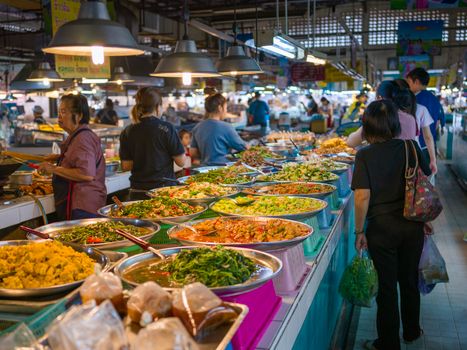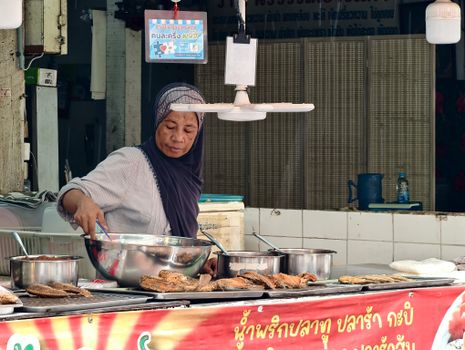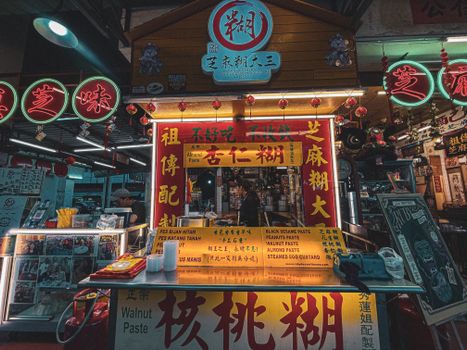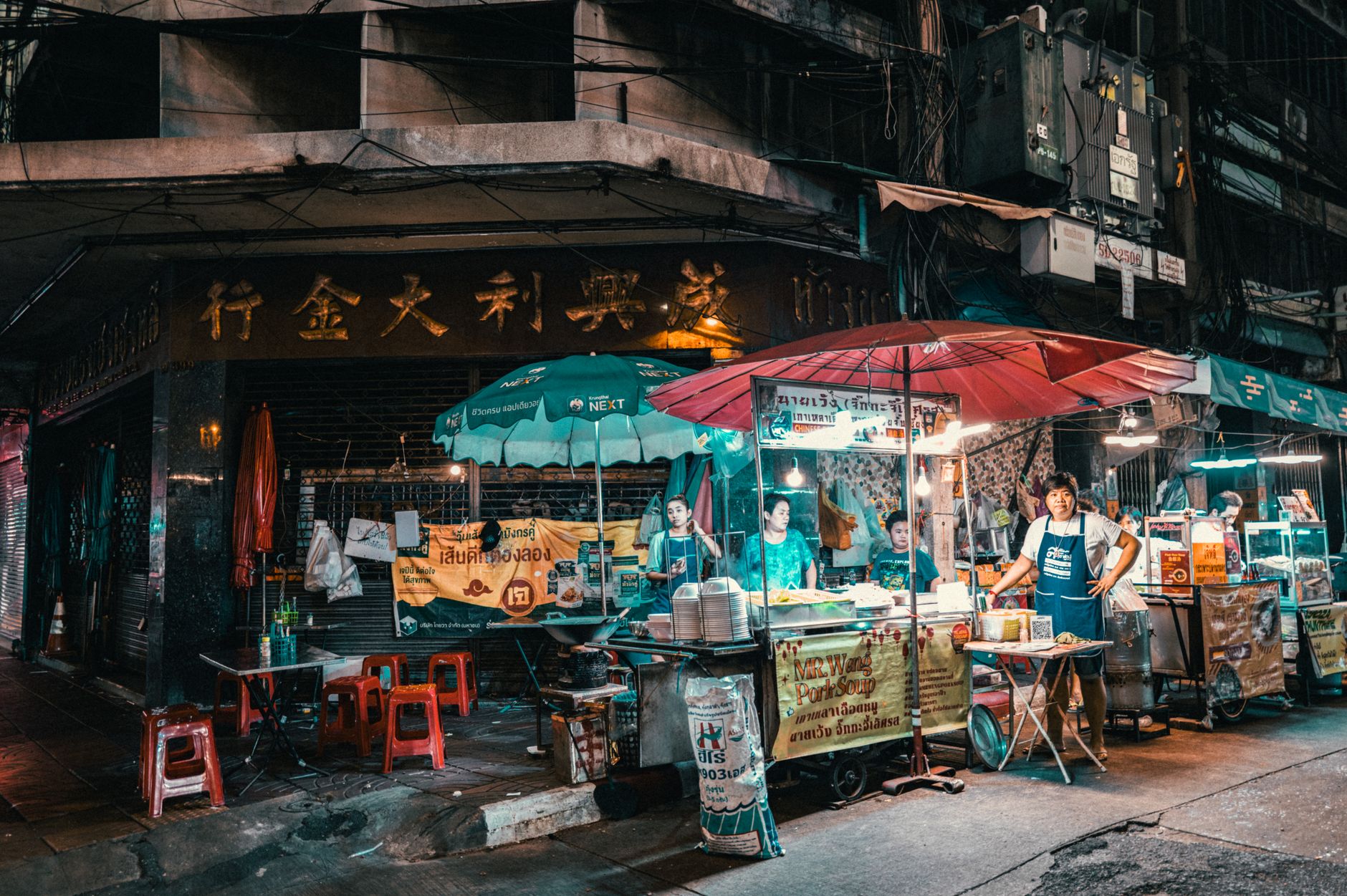
Bangkok earned its reputation as a street-food capital for good reason: bold flavours, endless variety and meals that cost very little. But popularity brings queues, crowded sidewalks and some famous stalls that now feel more like attractions than neighbourhood kitchens. If you love the energy of Bangkok's food scene but would prefer breathing room, there are many other places to eat brilliantly.
No market is "better" than another in an absolute sense, and crowds shift with seasons, social media and holidays. Think of this as a set of places that offer a similar thrill with a calmer pace. Always check current opening days and hours, since markets change often.
What Makes a Great Food Market
Before the destinations, it helps to know what to look for. The best markets share a few qualities:
- Local customers. If residents are eating there, you are probably in the right place.
- Specialised stalls. A vendor who makes one dish all day usually makes it well.
- Turnover. Busy stalls with fast turnover mean fresher food.
- Visible cooking. Seeing food prepared in front of you builds trust and fun.
- Variety. A mix of savoury, sweet, fresh fruit and drinks lets you graze.
A market that checks these boxes can be a highlight regardless of its fame.
Southeast Asia Alternatives
Penang, Malaysia
George Town on Penang island is often described as one of Asia's great street-food cities. Hawker centres and street stalls serve dishes like char kway teow, assam laksa, Hokkien mee and cendol. The blend of Malay, Chinese and Indian traditions makes the food distinct. Mornings and evenings are lively, but the sheer number of stalls spreads people out. Try going at off-peak times, such as an early lunch or a weekday evening, to find shorter lines.
Ipoh, Malaysia
Ipoh is a quieter city known for white coffee, bean sprouts with chicken and old-town cafés. Visitors who want a slow, food-focused stop in Malaysia often enjoy it. It is a pleasant contrast to larger, busier hubs.
Hanoi and Hoi An, Vietnam
Hanoi's Old Quarter is lively, but the surrounding neighbourhoods have excellent bun cha, pho and banh mi places that locals love. Hoi An offers cao lau, white rose dumplings and banh mi, and its smaller scale makes it easier to wander. Both cities have areas that get crowded with tour groups, so exploring side streets and visiting early in the morning helps. Smaller cities such as Hue are known for their regional dishes.
Chiang Mai and Northern Thailand
You do not have to leave Thailand to find calmer food. Chiang Mai has night bazaars, morning markets and Northern specialities like khao soi and sai oua sausage. Smaller provincial cities, such as Lampang or Nan, offer markets with lower visitor numbers. Look for local morning markets, which often serve breakfast dishes to residents.
Luang Prabang, Laos
The evening market in Luang Prabang has a buffet-style food alley where you fill a plate for a modest price, and stalls sell grilled fish, sausages and sticky rice. The town is small and calm, and food is influenced by both Lao and French traditions.
Kuching, Malaysian Borneo
Kuching in Sarawak is known for laksa Sarawak, kolo mee and layered cakes. Its food courts and night markets draw local families, and visitor numbers are generally smaller than in better-known destinations.
East Asia Alternatives
Taipei and Tainan, Taiwan
Taiwan's night markets are legendary, and while famous ones in Taipei can be packed, smaller neighbourhood markets are more relaxed. Tainan, in the south, is often called Taiwan's food capital and is full of small shops serving local snacks, such as danzai noodles and coffin bread. Plan to go early in the evening, on a weekday, to avoid the biggest crowds.
Osaka and Kyoto's Nishiki Market Neighbourhoods
Japan's food scene is more about specialist restaurants, but markets are rich in flavours. Osaka's Kuromon Market gets busy with visitors, so consider quieter neighbourhood shopping streets. In Kyoto, going early or exploring smaller local arcades can be rewarding. Be mindful of local rules, such as not eating while walking in some market streets.
Busan, South Korea
Busan's Jagalchi fish market and Gukje Market offer seafood and Korean street snacks. Smaller local markets away from main tourist routes provide cheaper, less crowded meals.
South Asia and the Wider World
Colombo and Galle, Sri Lanka
Sri Lanka's street food includes kottu roti, hoppers and short eats. Markets in Colombo and smaller towns offer fresh fruit and snacks. Weekend markets and food streets can be lively but are less overrun than major attractions.
Istanbul's Kadikoy, Turkey
Istanbul's Asian side has Kadikoy Market, where locals shop for cheese, olives, fish, sweets and meze. It is lively but feels more local than the busiest tourist bazaars across the water. Weekday mornings are calmer.
Oaxaca, Mexico
Oaxaca's markets, such as Mercado 20 de Noviembre and Mercado Benito Juarez, offer smoky grilled meat, tlayudas, mole and chocolate. They get busy at lunch, but you can eat at off-peak times and wander nearby neighbourhood markets.
Lisbon and Porto, Portugal
Time Out Market in Lisbon is famous and crowded, but neighbourhood markets and small tascas offer quieter, local flavours. Seek out local markets in Campo de Ourique or similar neighbourhoods.
San Sebastian and Basque Country, Spain
Pintxo bars in San Sebastian's old town are packed at peak times, but nearby towns and the less touristy neighbourhoods offer similar bites. Try early evenings and weekdays.
A Simple Eating Plan for a Market Day
If you have never planned a day around a food market, a simple structure helps you taste more and spend less.
- Start with a drink and a light snack. Fresh fruit, soy milk, local coffee or tea gives you a gentle start and a chance to watch how things work.
- Walk one full loop before buying. Notice which stalls have steady local lines, which dishes repeat and what the prices look like.
- Order one item at a time. Share portions with your travelling companions. Small plates let you try five or six dishes instead of filling up on two.
- Pair savoury with something fresh. Herbs, sliced cucumber, pickles, fruit or a cold drink balance rich or spicy food.
- Finish with something sweet. Many markets are famous for desserts such as shaved ice, sticky rice with fruit, pastries or roasted nuts.
- Take a break. Sit on a bench, drink water and let your appetite reset before another round.
A food-market day works best when you are unhurried, so do not schedule a tour right afterwards.
Reading a Market Like a Local
Experienced eaters learn quickly to read small signals. A stall with a handwritten menu on one wall and very few items often does one thing extremely well. A cart with an older cook and a loyal queue suggests a long-standing recipe. Stalls that sell out early are usually doing well, which is a reason to go in the morning for breakfast dishes. If you see a tourist-targeted menu with photos in six languages beside a famous landmark, that is not always bad, but it is worth comparing with a place a few minutes' walk away.
It also helps to understand regional etiquette. In some places, you pay first; in others, you pay at the end. In some, sharing tables with strangers is normal. Watch what others do, ask politely and follow the flow. In hawker centres across Malaysia and Singapore, for example, tables may be reserved by a small item such as a tissue packet, and you often order from multiple stalls and then pay each one. Knowing small customs makes the experience smoother for everyone.
Mistakes That Make Markets Harder Than They Need to Be
- Arriving hungry and ordering too much at the first stall. Pace yourself.
- Skipping the local specialty. Ask what the area is known for and try it.
- Going only to famous stalls. The most Instagrammed place is often the busiest.
- Ignoring opening days. A market closed on Mondays is a disappointment if you only learn it on arrival.
- Forgetting small change. Having the right bills avoids delays.
- Not leaving room for the unexpected. The best bite is often one you did not plan.
How to Beat the Crowds Anywhere
Crowds are partly a timing issue. These tactics work in nearly any market.
- Go early or late. Arrive when stalls open for the freshest food, or visit in the last hour for a calmer atmosphere. Some stalls sell out, so do not leave too late.
- Choose weekdays. Weekends bring locals and tourists alike.
- Avoid peak meal hours. Eating at 11:00 or 14:00 rather than 12:30 changes your experience.
- Walk beyond the entrance. Stalls near the main gate are usually the busiest. The back corners often have shorter queues.
- Skip the viral stall. Social media can make one stall impossible. The one next door may be just as good.
- Visit in the shoulder season. Fewer tourists and milder weather help.
- Share dishes. Eating small portions at several stalls helps you sample more without long waits at each.
Eating Safely and Respectfully
Street food is generally enjoyable, but sensible habits reduce the risk of stomach trouble. This is general information, not medical advice.
- Choose busy stalls with high turnover.
- Prefer food cooked fresh and served hot.
- Be careful with raw items, ice and unwashed fruit if you have a sensitive stomach.
- Carry hand sanitiser and tissues.
- Drink bottled or treated water if tap water is not recommended locally.
- Tell vendors about allergies; learn the local words for key allergens, and carry a translated card if possible.
- Be patient with queues, and follow local customs for ordering and payment.
Carry small bills or coins, since many stalls do not take cards. Learn a few phrases like "thank you" and "delicious". A smile goes far.
Practical Tips for a Food-Market Trip
- Plan around markets' opening days. Some operate only on certain days or evenings.
- Dress for heat and mess. Wear comfortable shoes and light clothes.
- Pack a small bag. Wet wipes, a reusable bag and a water bottle are useful.
- Be flexible. The best dishes may not be on your list.
- Ask locals. Hotel staff, taxi drivers and shopkeepers often know the best neighbourhood spots.
- Respect the space. Do not block aisles for photos, and ask before photographing vendors.
Frequently Asked Questions
Are these markets really less crowded than Bangkok's?
Generally smaller or less visited, but crowds vary by season, day and time. Plan for off-peak hours.
Is street food safe to eat?
It can be, especially at busy stalls where food is cooked fresh. Use common sense, and ask a doctor about specific health concerns.
Do I need to speak the local language?
Not necessarily. Pointing, smiling and a translation app go a long way, and many vendors are used to visitors.
How much cash should I carry?
Small amounts in local currency, as many stalls do not take cards. Check what is customary and keep money safe.
Summary
Bangkok is wonderful, but it is far from the only place with outstanding food markets. Penang, Hoi An, Chiang Mai, Luang Prabang, Tainan, Kadikoy, Oaxaca and many others offer lively stalls, strong local traditions and often thinner crowds. Choose busy-but-not-mobbed stalls, eat at off-peak times, walk past the entrance and check opening days. Stay mindful of health and local customs, and let curiosity guide you. A great meal is often waiting one street over from the famous one.