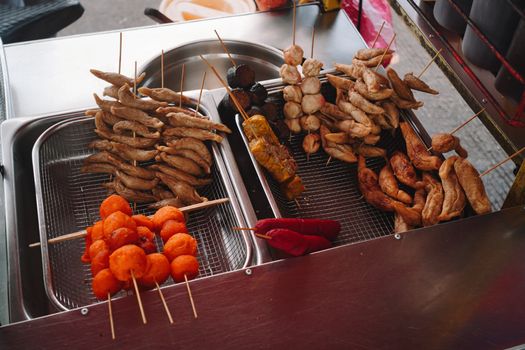
The aroma of spices, the cacophony of vendors calling out their wares, the vibrant explosion of colors from fresh produce – food markets are, for many of us, the beating heart of a travel experience. They promise a window into local life, a taste of authentic cuisine, and a chance to truly connect with a destination. But let’s be honest, sometimes that promise falls flat. Sometimes, you end up in a place that feels less like a local hub and more like... well, a tourist trap.
I’ve been there. My first trip to Barcelona, brimming with excitement, I practically sprinted to La Boqueria. And yes, it was beautiful, a feast for the eyes. But after navigating crowds of selfie-stick-wielding tourists and paying €8 for a small cup of fruit that would have cost €2 elsewhere, I felt a pang of disappointment. The magic was diluted, the authenticity, elusive. It was a lesson learned the hard way: not all markets are created equal.
That experience fueled a new mission: to uncover the real food markets, the hidden gems where locals actually shop and eat, where the flavors are authentic, and the prices are fair. And let me tell you, the hunt has been delicious! In this comprehensive guide, I'm going to share my hard-earned wisdom, distinguishing the markets that are best enjoyed from afar (or with extreme caution) from the truly trending, authentic spots that will make your taste buds sing and your travel memories unforgettable.
Let’s dive in!
The Red Flags: Spotting a Food Market Tourist Trap
Before we even talk about the good stuff, let’s identify what makes a market a tourist trap. It’s not always about being "bad" food, but rather about the overall experience feeling inauthentic, overpriced, and geared solely towards fleeting tourist dollars rather than local community.
What to Watch Out For:
- Overpriced Samples & Pre-Packaged Goods: If every stall is pushing small, expensive fruit cups, "tapas samplers" clearly designed for tourists, or vacuum-sealed "local delicacies" at exorbitant prices, you're likely in a trap.
- Lack of Locals: This is the golden rule. Are the majority of people browsing and eating tourists? If you can barely hear a local language over English, German, or Mandarin, it’s a sign. Locals know where the good, affordable stuff is.
- Aggressive Sales Tactics: Vendors who are overly pushy, practically dragging you to their stall, or don't list clear prices are usually not serving an authentic local clientele.
- Limited Fresh Produce, Abundant Souvenirs: Authentic markets are about food. If you see more refrigerator magnets, "I <3 [City]" t-shirts, and mass-produced trinkets than actual fresh meat, fish, or vegetables, you’re in the wrong place.
- Location, Location, Location: Markets directly adjacent to major tourist attractions (like the Colosseum or Eiffel Tower) are often prime candidates for being touristy.
My Anecdote: I once visited a "food market" in a major European capital that shall remain nameless. Every single stall had identical, laminated menus in 7 languages, selling the same generic "local" dishes at double the price of a nearby restaurant. There wasn't a single local person in sight, just bewildered tourists trying to figure out if the €15 "traditional" sausage was worth it. It felt like a culinary theme park, not a genuine market. Learn from my mistake!
The Allure of the Authentic: What Makes a Hidden Gem Shine?
Now for the good stuff! Hidden gem food markets are the antithesis of tourist traps. They are vibrant, bustling hubs of local life, where the food is fresh, the prices are fair, and the atmosphere is genuinely local.
Characteristics of a True Gem:
- Local Patronage: The aisles are filled with locals doing their daily shopping, chatting with vendors, and grabbing a quick, affordable bite.
- Seasonal & Local Produce: You'll see an abundance of fresh, seasonal fruits, vegetables, meats, and seafood, often sourced directly from local farms and fisheries.
- Specialized Stalls: Instead of generic offerings, you'll find stalls specializing in one or two things, perfected over generations – a specific type of cheese, a unique cut of meat, or a family recipe for a street food dish.
- Fair, Transparent Pricing: Prices are clearly displayed, and they align with local cost of living. You won't feel ripped off.
- Community Vibe: These markets often serve as a social hub, where neighbors catch up and vendors know their regulars by name. There’s a palpable sense of community.
- Unique Flavors & Dishes: You'll discover dishes you won't find on every restaurant menu, often prepared right in front of you with fresh ingredients.
These are the markets that offer a truly immersive experience, a taste of the city's soul. They might not always be "hidden" in the sense of being unknown, but they are certainly less saturated with mass tourism and retain their authentic charm.
The Hunt for Authenticity: Your Savvy Foodie Toolkit
So, how do you find these elusive treasures? It takes a bit of research and a willingness to step off the beaten path.
Practical Tips for Finding Your Next Favorite Market:
- Ask Locals (Not Tour Guides): Your hotel concierge might point you to the most convenient (often touristy) option. Instead, ask a barista at a local coffee shop, a shop owner in a non-touristy neighborhood, or even a local you strike up a conversation with on public transport. Ask them where they buy their groceries or grab lunch.
- Go Beyond the First Page of Google: When searching online, look for blogs written by expats living in the city, food forums, or local news sites. Avoid articles titled "Top 10 Must-Visit Markets for Tourists."
- Check Opening Hours Carefully: Many authentic markets operate primarily in the mornings and close by early afternoon, especially on weekdays. Some are only open on specific days.
- Observe the Demographics: Before committing, take a walk around. If you see more locals than tourists, you're on the right track. Look for families, older residents, and people carrying reusable shopping bags.
- Venture Outside the City Center: While some central markets retain authenticity, many genuine local markets are found in residential neighborhoods, a short metro or bus ride away from the main tourist drag.
- Look for Fresh Produce Stalls: Even if you're there for street food, a market packed with fresh produce, butchers, and fishmongers is a good indicator of local patronage.
My Anecdote: In Rome, determined to avoid another tourist trap after my La Boqueria experience, I asked my Airbnb host where she bought her weekly groceries. She pointed me to Mercato Testaccio, a short bus ride from the center. It was a revelation! Modern, clean, but buzzing with Roman families, incredible produce, and some of the best street food I’ve ever had, all at local prices. It felt like I'd unlocked a secret level of the city.
Trending Hidden Gems: My Top Picks for Authentic Market Experiences
Ready for some specific recommendations? These markets might have a growing reputation among savvy travelers, but they still retain their authentic charm and local focus.
- Or Tor Kor Market, Bangkok, Thailand:
- Why it's a Gem: Often overshadowed by Chatuchak Weekend Market (which can be a trap for food), Or Tor Kor is a foodie's paradise. It's renowned for its incredibly high-quality, often organic, produce, exotic fruits, fresh seafood, and a fantastic food court where locals feast. It’s clean, well-organized, and less chaotic than some other Thai markets.
- What to Try: Look for the vibrant fruit stalls (mangoes, durian, mangosteen), fresh curries, prepared Thai dishes, and the incredible variety of street snacks. Don't miss the grilled fish or the crispy pork belly.
- Price Point: Mid-range for Thailand, but still excellent value for the quality. A full meal might cost 100-200 THB (€2.50-€5).
- Best Time to Visit: Weekday mornings for the freshest produce and fewer crowds.
- Instagram-Worthy: The meticulously arranged fruit stalls, colorful curries, and the sheer abundance of fresh produce.
- Mercado de Arroios, Lisbon, Portugal:
- Why it's a Gem: While Lisbon's Time Out Market is bustling, it's largely tourist-focused. Mercado de Arroios, located in a multicultural residential neighborhood, is a true local market. It’s been recently renovated but maintains its local soul, offering fresh produce, fish, meat, and a growing number of small, authentic eateries.
- What to Try: Grab a bifana (pork sandwich) from a local vendor, try some fresh seafood, or pick up some local cheeses and olives. There are also great stalls serving cuisine from various Portuguese-speaking countries.
- Price Point: Very affordable. A bifana and a drink for under €5.
- Best Time to Visit: Mid-morning on a weekday to soak in the local atmosphere.
- Instagram-Worthy: The colorful produce, the bustling fishmongers, and the vibrant local interactions.
- Mercato Testaccio, Rome, Italy:
- Why it's a Gem: As mentioned in my anecdote, this market is a testament to blending tradition with modernity. Housed in a sleek, modern building, it's a daily market for Romans. While it has some fantastic street food stalls that are gaining recognition, it remains deeply rooted in local life with butchers, bakers, and produce vendors serving their community.
- What to Try: Trapizzino (pizza pocket with Roman fillings) from Trapizzino, incredible pasta from Le Mani in Pasta, fresh supplì (fried rice balls), and delicious sandwiches from Mordi e Vai. Don't forget to explore the fresh produce and cheese stalls.
- Price Point: Excellent value. A trapizzino is around €4-5, a full meal around €10-15.
- Best Time to Visit: Lunchtime on a weekday for the best street food action, but still plenty of locals.
- Instagram-Worthy: The vibrant food stalls, the modern architecture contrasting with traditional Roman flavors, and the mouth-watering Trapizzino.
- Mercado de San Juan, Mexico City, Mexico:
- Why it's a Gem: This market is for the adventurous foodie and those seeking truly unique culinary experiences. While it sells conventional produce, it's famous for its exotic meats – think venison, wild boar, iguana, crocodile, and even insects. It’s a sensory overload in the best possible way, a true dive into a specific facet of Mexican cuisine.
- What to Try: Be brave! Try chapulines (fried grasshoppers), escamoles (ant larvae), or a taco with exotic game meat. There are also fantastic conventional food stalls.
- Price Point: Varies widely depending on what you order, but generally very reasonable.
- Best Time to Visit: Mid-morning to early afternoon.
- Instagram-Worthy: The incredibly unique and sometimes shocking array of meats and insects, the vibrant colors, and the sheer authenticity of the experience.
Navigating the Gray Areas: When a "Trap" Can Still Be Worth It
Some markets, despite their touristy reputation, still hold a certain charm or offer a unique experience. The key is to approach them with realistic expectations and a smart strategy.
- La Boqueria, Barcelona: Yes, it’s crowded and many stalls are overpriced. But the sheer visual spectacle of the produce, the fresh juices (though pricey), and the energy can still be captivating. Tip: Go early in the morning (before 9 AM) to see local chefs shopping and avoid the worst of the crowds. Stick to buying fresh produce or a quick, simple snack from a vendor who looks genuinely busy with locals. Avoid the pre-made fruit cups and generic tapas bars.
- Borough Market, London: It’s famous, popular, and definitely attracts tourists. However, it also boasts genuinely high-quality produce, artisan breads, cheeses, and incredible street food from around the world. Tip: Go on a weekday afternoon to avoid the weekend crush. Focus on specific vendors known for their quality (do a bit of research beforehand). Don't just wander aimlessly; target specific food stalls.
- Nishiki Market, Kyoto, Japan: Known as "Kyoto's Kitchen," Nishiki is incredibly popular with tourists. However, it's also a working market where locals still shop. Tip: Focus on the specialized shops selling unique Kyoto pickles, traditional sweets, fresh seafood, and sake. Many stalls offer small samples. Avoid the tourist-focused souvenir shops. Look for the small, unassuming eateries tucked away.
These markets can be enjoyable if you know how to navigate them. They might not be "hidden gems" in the traditional sense, but they offer quality if you're discerning.
Market Etiquette & Sustainability: Be a Responsible Foodie
To truly enjoy and preserve the authenticity of these markets, it’s crucial to be a respectful and responsible traveler.
- Ask Before You Photograph: Especially if photographing people or their stalls. A simple "May I?" or "Photo?" with a smile goes a long way.
- Don't Haggle Excessively (or at all): In many markets, particularly in Europe, prices are fixed. In places where haggling is common (like parts of Asia or Latin America), do so respectfully and with a smile, but don't try to drive the price down to an absurd level. Remember, this is someone's livelihood.
- Try Samples Respectfully: If offered, take one. Don't grab handfuls. If you don't intend to buy, politely decline.
- Carry Cash: Many smaller vendors prefer or only accept cash.
- Bring Your Own Reusable Bag/Container: Reduce plastic waste and be a sustainable traveler.
- Support Local Vendors: Buy directly from the people who grow, prepare, or catch the food. Your money goes directly into the local economy.
- Clean Up After Yourself: Dispose of any waste properly.
Pro Tips for the Savvy Foodie
- Go Hungry (But Not Starving): You want to try a lot, so pace yourself. Eat small portions from several stalls.
- Be Open to New Tastes: This is your chance to expand your culinary horizons!
- Learn a Few Local Phrases: Even "hello," "thank you," and "how much?" in the local language can enhance your interaction.
- Engage with Vendors: A smile and genuine curiosity can lead to amazing conversations and even extra samples.
- Trust Your Nose and Your Eyes: If something looks or smells off, skip it. Stick to stalls with high turnover.
Your Next Culinary Adventure Awaits!
The world's food markets are a treasure trove of flavors, cultures, and stories. While some have succumbed to the pressures of mass tourism, countless others continue to thrive as authentic local hubs, just waiting to be discovered by the discerning traveler.
My hope is that this guide empowers you to bypass the tourist traps and seek out those genuine hidden gems. The thrill of finding a market buzzing with locals, tasting a dish prepared with generations of love, and feeling truly connected to a place through its food is an unparalleled travel experience.
So, pack your reusable bag, brush up on a few local phrases, and set off on your next delicious adventure.
What are your favorite hidden gem food markets? Share your discoveries in the comments below! Let's build a community of savvy food travelers.
---