Beyond the Filter: The Secret Art of Gift-Giving That Opens Doors Instagram Influencers Don't Want You To Know
The sun was relentless, beating down on the dusty streets of Jaisalmer. My rickshaw driver, a jovial man named Ashok, had just informed me that the guesthouse I’d booked was, well, gone. Not just fully booked, but seemingly vanished from existence. My phone battery was dead, my Hindi was rudimentary, and a wave of panic was starting to set in.
Ashok, sensing my distress, pulled over to a small chai stall. "Madame," he said, his eyes twinkling, "a little problem, yes? But we fix." He motioned for me to sit, then, without a word, disappeared. A few minutes later, he returned, not with news of a new guesthouse, but with a small, intricately carved wooden elephant. "For your troubles," he said, handing it to the chai wallah, who immediately offered me a fresh, hot cup of chai, refusing payment.
That little elephant, a simple gesture of gratitude from Ashok, didn’t just get me a free cup of chai. It sparked a conversation, a shared laugh, and within an hour, the chai wallah’s cousin (who happened to own another guesthouse down the street) had me settled into a beautiful room with a view of the fort.
It was a stark reminder that while the world rushes to document every perfect moment for the 'gram, the real magic of travel often happens in the quiet, unscripted spaces. It happens when you step away from the curated facade and engage with humanity on a deeper level. And one of the most powerful, often overlooked tools in a traveler's arsenal? The art of thoughtful gift-giving. This isn't about buying your way in; it's about showing respect, building bridges, and fostering genuine connection – something no filter can replicate.
Why Gifts Matter: Beyond the Transaction, Into the Relationship
In a world increasingly dominated by transactional interactions – "I pay, you provide" – the simple act of giving a gift can be revolutionary. It's a universal language that transcends words, showing appreciation, respect, and a desire for connection. While influencers might focus on sponsored freebies or branded swag, true gift-giving is about them, not you.
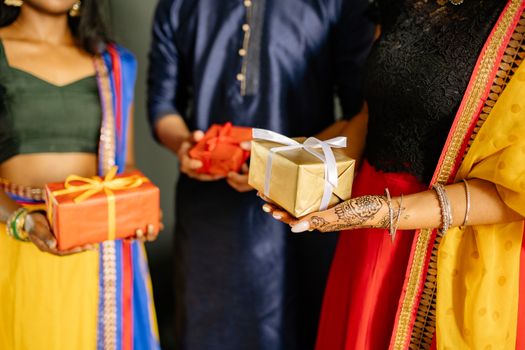
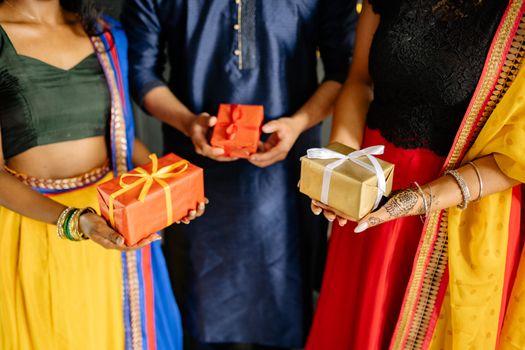
Think about it: when you present a carefully chosen item, you're not just handing over an object. You're acknowledging their culture, their hospitality, their effort. You're saying, "I see you, and I value our interaction." This is particularly potent in cultures where hospitality is sacred, and where reciprocal gestures are deeply embedded in social fabric. It's a silent conversation starter, an icebreaker, and often, a key that unlocks experiences money simply can't buy. It's the difference between being a tourist and being a welcomed guest.
The Art of Pre-Trip Reconnaissance: Gifting Intelligence
Before you even pack your bags, a little homework goes a long way. This isn't about being a cultural anthropologist; it's about being a respectful guest.
Do Your Research:
- Cultural Norms: Is there a specific hand to use when giving or receiving a gift? (e.g., right hand in many Islamic cultures). Is it opened immediately or later? (e.g., often later in Japan, immediately in parts of the Middle East). Are certain colors or numbers considered lucky or unlucky? (e.g., white flowers for funerals in some cultures, sets of four as unlucky in China).
- Appropriate Items: Are there items considered taboo? (e.g., knives symbolizing cutting ties, alcohol in conservative regions).
- Social Hierarchy: In some cultures, gifts are given to the most senior person first, or subtly, to avoid embarrassing others.
Where to Look for Info:
- Travel Guides: Often have sections on local customs.
- Expat Forums/Blogs: People living in a country will have invaluable, real-world advice.
- Embassy Websites: Can sometimes offer cultural insights.
- Local Tour Operators/Guides: If you've booked something in advance, a quick email asking for advice on appropriate small gifts for hosts can be very helpful.
My Experience: Before a trip to Vietnam, I learned that a small, practical gift was often appreciated, especially for those in service roles. I picked up some high-quality, branded pens from my university. In Hanoi, after a particularly insightful street food tour, I offered one to our guide, Linh. Her eyes lit up. "Oh, a good pen! Very useful for my notes." It was a tiny gesture, but it felt meaningful. Later that evening, she messaged me with a list of her favorite hidden coffee shops, things I never would have found on my own.
Thoughtful Treasures: What to Bring from Home
The best gifts from home are often small, distinctive, and represent where you come from. Avoid anything overly expensive, flashy, or that could be perceived as bribery. The key is thoughtfulness, not monetary value.
Tripsora's Top Picks for "From Home" Gifts:
- High-Quality Pens/Stationery: Universally useful and often appreciated. A nice pen with your city or country's emblem is a classic. Cost: $5-$15 per pen.
- Local Crafts/Souvenirs: Small, flat items like bookmarks, keychains, or fridge magnets depicting your hometown or country. Look for unique, not mass-produced, items. Cost: $5-$20.
- Specialty Foods (Non-Perishable): If permitted by customs, small tins of gourmet tea, coffee, or high-quality chocolate from your region. Always check dietary restrictions or religious prohibitions. Cost: $10-$30.
- Children's Books/Small Toys: If you anticipate interacting with families, a simple, durable toy or a children's book with vibrant pictures (even if the language is different) can be a hit. Cost: $5-$20.
- Postcards/Stamps: A pack of beautiful postcards from your country, perhaps with some unused local stamps, can be a charming and personal gift. Cost: $2-$5.
Personal Anecdote: On a homestay in rural Cambodia, I brought a small collection of picture books about Australian animals. The host family's children, initially shy, were captivated by the vibrant illustrations of kangaroos and koalas. Their parents, seeing their children's delight, beamed with pride and spent the evening teaching me Khmer phrases, sharing family stories over a delicious home-cooked meal. That simple gift opened a window into their lives.
The Local Touch: When & What to Buy On-Site
Sometimes, the most impactful gift is one you acquire in their country. This shows you've engaged with their culture and appreciate their local craftsmanship.
When to Buy Locally:
- For Hosts: If you're staying with a family or in a small guesthouse, a local delicacy or a handcrafted item from their region shows you've embraced their culture.
- For Guides/Drivers Who Go Above and Beyond: Instead of just a tip, a small, locally sourced gift can be a beautiful addition.
- After a Service: If someone has gone out of their way for you (like my rickshaw driver, Ashok), a small local item can be perfect.
Tripsora's Top Picks for "Local" Gifts:
- Local Delicacies: A small box of regional sweets, a specific spice blend, or a local tea/coffee, if appropriate. e.g., In Morocco, a small tin of Amlou (argan oil spread) for a guesthouse owner in Marrakech (approx. 80-120 dirhams).
- Handicrafts: A beautifully woven textile, a piece of pottery, or a small carved item. Look for items that aren't mass-produced tourist trinkets. e.g., A small, hand-painted ceramic tile for a host family in Seville (approx. 10-20 Euros).
- Practical Items: A local scarf, a small leather good, or a unique piece of stationery. e.g., A locally made leather bookmark in Florence (approx. 5-15 Euros).
A Story from Peru: While trekking the Lares Trail, our local guide, Marco, shared incredible stories of Inca history and the Q'ero people. On our last night, instead of just a cash tip, I found a beautiful, hand-woven alpaca bracelet from a local market in Ollantaytambo (about 30 soles). When I gave it to him, his smile was genuine. "This," he said, tying it to his wrist, "is from my land. Thank you for seeing it." It was a connection that felt deeper than any monetary exchange.
The Unspoken Rules: Presentation, Timing, and Acceptance
The how of gift-giving is almost as important as the what.
Do's:
- Wrap Thoughtfully: Even a simple, neat wrapping shows care. Avoid overly elaborate or expensive wrapping, which can sometimes overshadow the gift itself.
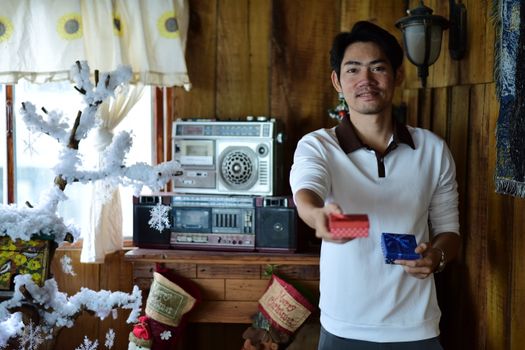
- Present with Both Hands: In many Asian cultures, presenting and receiving with both hands shows respect.
- Offer with a Smile and Sincere Words: "A small token of my appreciation," "Thank you for your hospitality," or a simple "For you."
- Be Prepared for Refusal: In some cultures, it's polite to refuse a gift once or twice before accepting. Insist gently, but don't push if they genuinely decline.
- Be Humble: Don't boast about the gift's value or rarity.
Don'ts:
- Expect Reciprocity: You're giving because you want to, not to get something back.
- Give Cash (Unless it's a Tip): Cash gifts can be seen as insulting or transactional unless it's a specific, culturally accepted tradition (like wedding gifts or red envelopes during Chinese New Year).
- Make a Scene: Keep the exchange private and understated.
- Over-Gift: Too many gifts can be overwhelming or create a sense of obligation.
- Apologize for the Gift: Don't say, "It's nothing much," as it can devalue your thoughtfulness.
My Faux Pas (and Lesson Learned): In Japan, during a homestay, I presented a small gift to my host mother. Eager to please, I handed it to her with one hand, almost like an afterthought. She politely accepted, but I sensed a slight stiffness. Later, a friend explained the importance of presenting with both hands, a sign of deep respect. It was a small detail, but a crucial one that I've never forgotten. From then on, I made sure to be more mindful of local customs, even if they seemed minor.
Beyond Material: The Gift of Time, Effort, and Presence
Sometimes, the most profound gift isn't an object at all. It's the gift of your genuine self.
- Share a Skill: Can you teach a few English phrases? Play a simple song on a portable instrument? Share a recipe from your home country?
- Offer Help: If you're staying with a family, offer to help with chores, wash dishes, or assist with a task.
- Share Your Stories: People are often genuinely curious about where you come from. Share anecdotes, show photos from your phone (of your family, home, local traditions).
- Listen Actively: Give people your full attention. Ask questions about their lives, their culture, their history. Show genuine interest.
- Learn a Few Phrases: Even a simple "hello," "thank you," and "please" in the local language can open doors and warm hearts.
A Memory from Kyrgyzstan: Trekking through the Tian Shan mountains, I stayed in a yurt with a nomadic family. I had brought a small gift of high-quality tea, but what truly connected us was sharing photos of my family and home on my phone, and then helping the matriarch knead dough for boorsok (fried bread). It wasn't about the objects; it was about the shared humanity, the laughter, and the simple act of being present and willing to connect. That evening, under a sky ablaze with stars, they shared their ancient stories around the fire, a privilege I would never have experienced as a mere passerby.
Stories from the Road: Gifts That Opened Doors (and Hearts)
These aren't just theoretical tips; they're strategies that have transformed my travels.
- The Moroccan Mint Tea Ceremony: In Fes, I bought a beautiful, locally painted ceramic tagine (about 150 dirhams) for my riad host, Fatima, who had gone above and beyond to help me navigate the labyrinthine medina. The next evening, she invited me to a private, elaborate mint tea ceremony with her family, sharing sweets and stories late into the night. It felt less like a hotel stay and more like visiting relatives.
- The Sicilian Lemon Grove: While volunteering briefly on an organic farm in Sicily, I brought a small collection of seeds from unique herbs grown in my home country. The farm owner, Marco, was fascinated. He showed me his prized lemon grove, explaining the history of each tree, and later sent me home with a massive bag of fresh lemons and homemade limoncello.
- The Thai Tuk-Tuk Driver: After a particularly challenging day navigating Bangkok's heat and traffic, my tuk-tuk driver, Somchai, was incredibly patient and kind. I gave him a small, branded keychain from my hometown. The next day, he found me near my guesthouse, not for a fare, but to offer me a complimentary ride to a beautiful, hidden temple off the tourist radar, just because he wanted to share its beauty.
These are the moments that make travel unforgettable. They’re not about the perfect photo op or the viral reel. They're about the quiet, authentic exchange that fosters understanding and builds bridges across cultures.
Your Journey Awaits: Beyond the Screen, Into the Soul
The world is full of incredible people waiting to connect. While social media often emphasizes the superficial, the true richness of travel lies in these deeper interactions. Thoughtful gift-giving is your passport to unlocking those experiences. It's a skill that requires observation, respect, and a genuine desire to connect. It's about being present, being humble, and understanding that some of the most valuable currency in the world isn't cash, but kindness.
So, on your next adventure, consider packing a few small, meaningful tokens. Do your research, observe, and give from the heart. You'll be amazed at the doors it opens, the stories you'll hear, and the connections you'll make. These are the travel secrets that influencers, chasing likes and sponsorships, often miss. But for you, the discerning traveler, they are the keys to a truly enriching journey.
What's your favorite story about a gift you've given or received while traveling? Share your experiences in the comments below! Let's inspire each other to travel more thoughtfully.