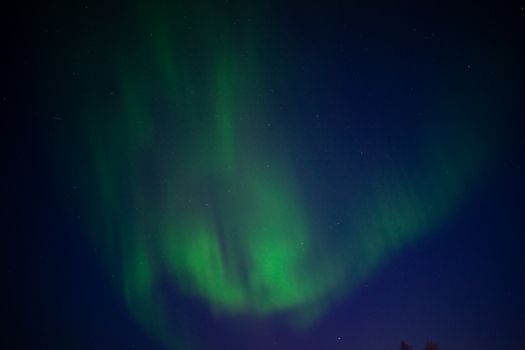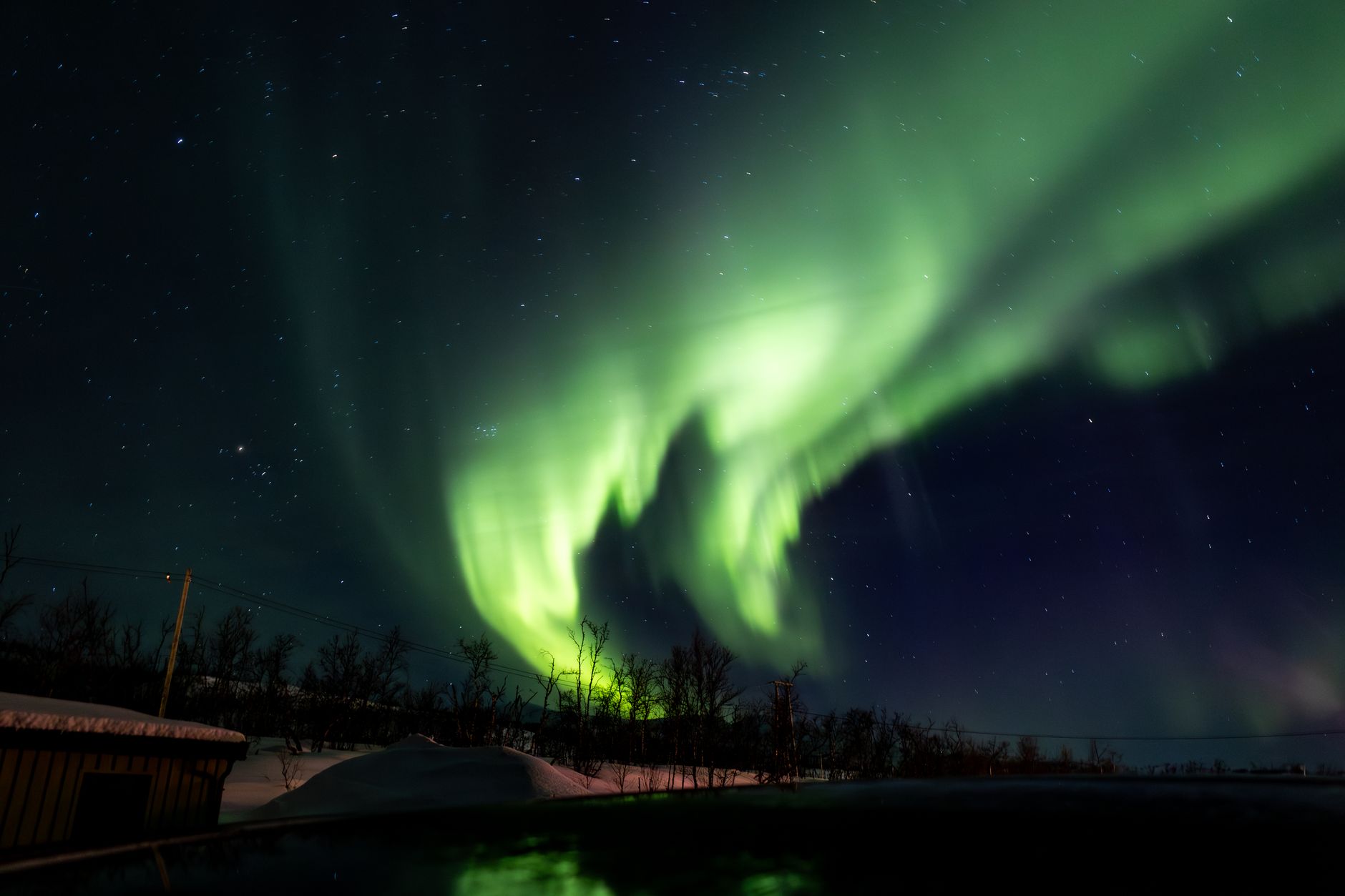
The frigid air bit at my exposed cheeks, but I barely noticed. My gaze was fixed upwards, utterly captivated. Above me, the sky wasn't just dark; it was a canvas on which nature's most spectacular light show was unfolding. Ribbons of emerald green, shot through with electric pinks and purples, danced with an ethereal grace I could never have imagined. This wasn't a fleeting glimpse from a crowded viewpoint; this was a deeply personal, awe-inspiring communion with the Aurora Borealis, far from the busloads of tourists.
It was December, years ago, and my first attempt at chasing the Northern Lights had been, well, a bit of a bust. I’d followed the guidebooks, joined a large tour group, and ended up shivering in a designated viewing area, surrounded by hundreds of cameras, only to catch a faint glow that quickly vanished. Disappointed but not defeated, I resolved that my next hunt would be different. I wanted the real deal. I wanted the kind of experience where you feel like you're the only person on Earth witnessing this cosmic ballet.
That's when I started talking to locals – the people who live under these magical skies year-round, who know the whispers of the wind and the subtle shifts in the aurora forecast like a second language. Their advice transformed my entire approach, leading to that unforgettable night and many more since.
Now, as we look ahead to December 2025, a prime time for aurora activity, I’m thrilled to share those hard-won, local-approved secrets with you. Forget the tourist traps and generic advice; this is your insider's guide to chasing the Northern Lights like a true Arctic adventurer.
The Aurora Whisperers: Why Local Knowledge is Gold
You might wonder, "Why go through the trouble of finding local spots when there are plenty of tours?" The answer is simple: authenticity and optimization. Locals know the microclimates, the specific hills that block city light pollution just so, the hidden pull-offs on remote roads, and perhaps most importantly, when and where the aurora is most likely to show up based on real-time conditions, not just a general forecast.
They understand that light pollution isn't just about city lights; it's about the angle, the terrain, and even the direction you're facing. They've discovered the quiet corners where the only sounds are the crunch of snow underfoot and the occasional hoot of an owl. These are the spots where the aurora feels like a personal gift, not a shared spectacle. And trust me, that makes all the difference.
For December 2025, predicting the exact solar activity is impossible, but the sun is heading towards a solar maximum, meaning higher chances of intense displays. Couple that with local expertise, and you're setting yourself up for an epic adventure.
Norway's Arctic Embrace: Tromsø & Beyond's Secret Fjords
Norway, particularly its northern reaches, is synonymous with the Northern Lights. Tromsø, often called the "Gateway to the Arctic," is a popular base. However, many visitors stick to the well-trodden paths just outside the city. Locals, however, have their preferred escapes.
Tromsø's Hidden Gems: While popular spots like Fjellheisen (the cable car) offer a panoramic view of the city, they also come with city light pollution. Locals often recommend heading slightly further afield.
- Ersfjordbotn: Just a 25-minute drive from Tromsø, this picturesque fjord is a local favorite. The mountains on either side help block out city glow, and the calm waters often offer stunning reflections of the aurora. I remember one crisp December night, a local friend, Lena, packed a thermos of hot chocolate and drove me here. We pulled into a small, unmarked parking spot she knew, far from any streetlights. Within minutes, the sky erupted, mirroring itself in the still fjord. It felt like a private show.
- Kvaløya Island's Western Side: This large island surrounding Tromsø has many secluded bays and beaches. Locals often drive towards places like Grotfjord or Sommarøy (the 'Summer Island,' ironic in winter!). The drive itself is stunning, and the isolated coastal areas offer wide-open skies and minimal light interference. Keep an eye out for small, unlit gravel roads branching off the main route – these often lead to perfect, undisturbed viewpoints. A local tour guide, Olav, once told me, "The best spots are where the road ends, and only the sea and mountains remain."
Lofoten's Rugged Beauty: Further south but still well within the aurora zone, the Lofoten Islands offer a dramatic backdrop of jagged peaks and fishing villages. While less accessible than Tromsø, the rewards are immense.
- Nusfjord & Hamnøy: These iconic villages are beautiful, but for aurora, locals often prefer the more isolated stretches of coastline between them or slightly off the main E10 road. Look for small, unlit beaches or rocky outcrops. The trick here, according to a local fisherman, Gunnar, is to find a spot with a clear view north, away from any harbor lights. He once pointed me to a small, elevated viewpoint near Reinehalsen (the neck of Reine) that offered an incredible vista over the iconic Reinefjord, where the lights danced above the 'dragon's teeth' mountains.
Local Tip for Norway: Download the "Norway Lights" app (or similar local aurora forecast apps) and combine it with a local weather app that shows cloud cover in real-time. Locals often drive towards the clear skies, even if it means a two-hour journey. Renting a car (expect €50-€100/day for a compact SUV) gives you this flexibility, which is crucial. Pack extreme winter gear; December in Norway is seriously cold (often -10°C to -25°C).
Sweden's Celestial Stage: Abisko & Kiruna's Wilderness Whispers
Sweden's Arctic region, particularly around Abisko National Park, is renowned for its "blue hole" – a patch of sky that often remains clear even when surrounding areas are cloudy. While the Aurora Sky Station is famous, locals have their own ways of experiencing the magic.
Abisko's Unseen Vistas:
- Lake Torneträsk Shoreline: The vast, frozen expanse of Lake Torneträsk offers an incredible foreground for aurora photography. While the Sky Station is great, locals often find quieter spots along the lake's edge, away from the station's light spill. My friend, Sven, a Sami reindeer herder, introduced me to a small, secluded inlet on the eastern side of the lake, accessible by a short snowshoe hike. The silence there was profound, broken only by the crackling of the ice. He built a small fire, and we watched the aurora ripple across the sky, feeling truly connected to the ancient land.
- Kårsavagge Valley: For the adventurous, locals who are experienced hikers or cross-country skiers often venture into the Kårsavagge valley. It requires more effort but promises unparalleled solitude and pristine dark skies. This is definitely for those comfortable with Arctic wilderness and proper gear.
Kiruna's Icy Surroundings: Beyond the famous Icehotel (which is stunning but can have light pollution issues from its surroundings), Kiruna offers vast wilderness.
- Jukkasjärvi area (away from the hotel): Locals in Jukkasjärvi, where the Icehotel is located, know that venturing just a few kilometers away from the main complex can make a huge difference. Drive towards the Kalix River or find a clearing in the forest. The flat, open terrain allows for expansive views.
- Esrange Space Center Area: While the center itself is restricted, the surrounding areas offer dark skies. Locals often drive along the gravel roads leading out of Kiruna towards these more remote, unpopulated regions.
Local Tip for Sweden: Dress in layers, including a down jacket, wool base layers, and insulated boots. A common local practice is to bring a small portable gas stove to make hot drinks while waiting. Many locals also rely on the "Aurora Forecast" app and specific Swedish weather services (like SMHI) for highly localized cloud cover predictions. Consider a stay in a small cabin or guesthouse outside Kiruna or Abisko – many are run by locals who offer impromptu aurora alerts. Prices for guided tours can range from €100-€200, but a self-drive adventure is very feasible here.
Finland's Frozen Fairytale: Lapland's Hidden Gems
Finnish Lapland, the official home of Santa Claus, is also a prime location for the Northern Lights. While Rovaniemi and Levi are popular, the true magic often lies further north, where the wilderness reigns.
Rovaniemi's Quiet Retreats:
- Ounasvaara Hill (North Side): While Ounasvaara is a well-known spot, locals often head to the less-developed northern slopes or specific forest clearings around the hill, away from the ski resort lights. I once followed a local photographer, Juha, to a small, snow-covered clearing he called his "secret spot." We sat on reindeer hides, sipping glögi (mulled wine), as the lights danced over the snow-laden trees. It was utterly enchanting.
- Arctic Circle Hiking Area: Just north of Rovaniemi, this protected area offers numerous trails and viewpoints. Locals know the specific lean-to shelters (laavu) that provide excellent, unobstructed views to the north, often by a frozen lake or river.
Inari & Saariselkä's Pristine Skies: These areas, further north in Finnish Lapland, are known for their incredibly dark skies and rich Sámi culture.
- Lake Inari Shoreline: Europe's third-largest lake, when frozen, offers an immense, flat, and dark expanse perfect for aurora viewing. Locals often pick a spot along its shores, away from the small village lights. Sámi guides in the area are particularly adept at finding the best spots, often taking guests on snowmobiles or husky sleds to remote, unlit locations. I once joined a small, local-run husky tour from Inari, and our guide, Aila, stopped the sleds in the middle of a vast, frozen plain. The silence was absolute, and the aurora, when it appeared, felt like it was dancing just for us.
- Urho Kekkonen National Park (near Saariselkä): This vast wilderness offers numerous opportunities. Locals often venture a bit into the park, perhaps to a small cabin or a designated wilderness hut. The key is to get away from the small cluster of lights in Saariselkä village.
Local Tip for Finland: Embrace the Finnish sauna culture! Many guesthouses offer private saunas, which are perfect for warming up after a cold aurora hunt. Locals also swear by proper layered clothing, often including a thermal jumpsuit (haalari) for long waits. Consider a stay in a glass igloo or aurora cabin, but be aware that some can have light spill from neighboring units. For true darkness, a traditional cabin or a local tour is often better. Expect local tours to range from €100-€300, often including warm drinks and snacks.
Iceland's Volcanic Veil: Chasing Lights with a Twist
Iceland, with its dramatic landscapes, provides a unique backdrop for the Northern Lights. While Ring Road tours are popular, locals often have specific spots where the aurora's magic feels amplified by the raw nature.
Reykjanes Peninsula's Lunar Landscape: Often overlooked in favor of the Golden Circle, the Reykjanes Peninsula, home to Keflavik Airport, offers incredible dark skies and volcanic scenery.
- Kleifarvatn Lake: This large, beautiful lake is a local favorite. Its shores are easily accessible, and the surrounding volcanic hills block out light pollution from the nearest towns. The stark, alien landscape adds to the otherworldly feel of the aurora. I remember pulling over with an Icelandic friend, Sigrún, one December night. The aurora reflected perfectly in the still, dark waters of Kleifarvatn, creating a double spectacle that felt truly surreal.
- Grindavik area (away from the town): While Grindavik itself has lights, the coastal areas and lava fields around it offer plenty of dark spots. Locals often drive towards the Brimketill natural pool area (staying safe from waves!) or other coastal cliffs, finding a secluded spot to set up.
South Coast's Dramatic Backdrops: The iconic South Coast is popular, but with local insight, you can find quieter moments.
- Jökulsárlón Glacial Lagoon: While popular, its remote location means truly dark skies. Locals know that even when tour buses are present, finding a spot slightly away from the main parking area, perhaps a bit further along the black sand beach, can offer a more intimate experience. The icebergs reflecting the aurora are truly Instagram-worthy.
- Beyond Vík (East or West): The black sand beaches near Vík are famous, but locals often venture further east or west along the coast, away from the village lights and the crowds. Look for small pull-offs along the Ring Road (Route 1) where you can safely park and walk a short distance onto the lava fields or quieter beaches.
Local Tip for Iceland: Always check road conditions (vegagerdin.is) and aurora forecasts (vedur.is) religiously. Icelandic weather can change in minutes. Locals often combine aurora hunting with a dip in a natural hot spring or a visit to a lesser-known geothermal pool – a fantastic way to stay warm and experience local culture. Renting a 4x4 (around €80-€150/day) is highly recommended for December travel due to potential snow and ice. Book accommodations with aurora wake-up calls, but remember that the truly local spots require self-drive.
Essential Gear & Local Wisdom for Your December 2025 Hunt
Regardless of where you choose to chase the lights, some universal truths and local wisdom apply:
- Dress for the Arctic: Layers, layers, layers!
- Base Layer: Merino wool (top and bottom) is non-negotiable.
- Mid-Layers: Fleece or down vest.
- Outer Layer: Waterproof and windproof insulated jacket and trousers.
- Extremities: Thick wool socks (two pairs), insulated waterproof boots (Sorel, Baffin, or similar), warm hat (covering ears), insulated gloves or mittens (with thin liner gloves underneath for camera operation). Hand and foot warmers are a local secret weapon!
- My personal anecdote: On my first trip, I underestimated the cold. A local in Tromsø saw me shivering and literally gave me an extra wool hat. "You cannot enjoy the lights if you are freezing," he said with a warm smile. He was absolutely right.
- Photography Essentials:
- Sturdy Tripod: Non-negotiable for long exposures.
- DSLR/Mirrorless Camera: With manual settings.
- Wide-Angle Lens: f/2.8 or faster (e.g., 14mm, 24mm).
- Extra Batteries: Cold drains batteries quickly. Keep them warm in an inside pocket.
- Remote Shutter Release: To avoid camera shake.
- Headlamp with Red Light Mode: To preserve night vision.
- Settings (starting point): ISO 1600-6400, Aperture f/2.8 (or widest available), Shutter Speed 5-20 seconds (adjust based on aurora intensity and movement). Focus to infinity.
- Aurora Forecast Apps: While I've mentioned specific local ones, "My Aurora Forecast & Alerts" and "Aurora Alerts" are good general apps. Combine these with local weather services for cloud cover. Locals often monitor several apps and even local Facebook groups for real-time sightings.
- Patience & Warmth: The aurora is unpredictable. Be prepared to wait, sometimes for hours. Bring a thermos of hot tea/coffee, snacks, and a blanket. A comfortable camp chair can make a difference.
- Safety First:
- Inform someone of your plans if venturing off-grid.
- Carry a fully charged phone (and a power bank).
- Know how to use a GPS or offline maps.
- Be aware of road conditions and wildlife.
- Respect private property and the pristine environment – leave no trace.
- Consider a Local Guide (even for DIY): While this post is about DIY local spots, sometimes hiring a local guide for one night can be invaluable. They can teach you the ropes, share cultural insights, and point you towards the best spots for future self-exploration. Many smaller, local operators offer more intimate experiences than the big bus tours.
Your December 2025 Aurora Dream Awaits!
The Northern Lights are more than just a phenomenon; they are an experience that touches the soul, a reminder of the universe's incredible beauty. By embracing the wisdom of those who live under these skies, you can transform your December 2025 aurora hunt from a hopeful gamble into a truly magical adventure.
Imagine yourself, standing under a sky ablaze, the silence profound, the cold air invigorating, and the colors of the universe dancing just for you. This isn't just a dream; with these local insights, it's an achievable reality.
So, start planning. Research those remote fjords, look up those tucked-away cabins, and most importantly, prepare to listen to the whispers of the locals. December 2025 is calling, and the aurora is waiting.
Which of these local-approved spots are you adding to your December 2025 aurora itinerary? Share your plans and questions in the comments below! And don't forget to tag #TripsoraAurora and #LocalLights when you share your incredible photos!
---