Whispers in the Canopy: Unearthing the Temples Locals Keep Secret
The air hung heavy and humid, thick with the scent of damp earth and exotic blossoms. Sweat trickled down my back, plastering my shirt to my skin, but I barely noticed. My eyes were fixed on the tangle of vines ahead, a green curtain that seemed to swallow the very light. Our guide, a wiry man named Kael who communicated mostly through gestures and a knowing smile, pointed a gnarled finger. "Beyond," he whispered, his voice barely audible above the chirping cicadas.
I had been traveling through Southeast Asia for months, ticking off the big-name temples – Angkor Wat, Borobudur, Bagan. They were magnificent, undeniably. But amidst the throngs of tourists, the selfie sticks, and the busloads, I felt a yearning for something more. A deeper connection. An untainted glimpse into history. That’s when I started hearing the whispers, not just from fellow backpackers, but from the locals themselves. Tales of ancient ruins, swallowed by the jungle, known only to a select few. Places so sacred, so untouched, that their guardians preferred they remain that way.
This wasn't about finding a famous landmark; it was about earning a privilege. It was about respect, perseverance, and a willingness to step far, far off the well-trodden path. It was about discovering the hidden temples locals don't want tourists to know. And trust me, the journey – and the reward – is unlike anything you’ve ever experienced.
The Allure of the Undiscovered: Why We Seek These Sacred Secrets
Why chase ghosts in the jungle when there are perfectly good, well-maintained temples with paved pathways and souvenir shops? The answer, for me, lies in the profound sense of discovery. In a world increasingly mapped, documented, and commodified, finding a place that feels truly untouched is a rare and precious gift.
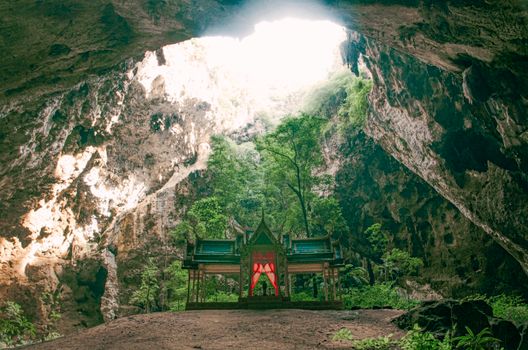
These hidden sanctuaries offer a unique blend of adventure, spirituality, and raw historical immersion. Imagine standing before carvings that haven't been meticulously cleaned and restored, where moss and roots have become part of the narrative, reclaiming the stone in a slow, silent dance. The air hums with an energy that isn't diluted by commercialism. It's just you, the ancient stones, and the symphony of the forest.
Moreover, the challenge of finding these places often involves interacting deeply with local communities. You won't find them on Google Maps. You'll rely on word-of-mouth, on trust, on the willingness of a local to share a piece of their heritage with a respectful stranger. This interaction, this bridge between cultures, is as much a part of the journey as the destination itself. It’s an act of cultural immersion that goes far beyond any guided tour.
Whispers in the Jungle: Unearthing Cambodia's Forgotten Khmer Temple
My first true "hidden temple" experience was in a remote corner of Cambodia, a few hours drive from Siem Reap, followed by a bone-jarring motorbike ride and a trek through dense jungle. This wasn't a "secret" in the sense that it was completely unknown, but it was certainly off the radar for 99.9% of tourists. Let's call it "Preah Chan" (a fictional name to protect its relative anonymity).
Kael, my guide, was from a nearby village. His family had tended to the area for generations, and the temple was a part of their spiritual landscape, not a tourist attraction. He spoke little English, but his eyes conveyed volumes – a deep reverence for the land and its ancient structures.
The path was barely a path, more a suggestion of where human feet had trodden before. We pushed through thickets, ducked under low-hanging branches, and navigated muddy patches. The jungle sounds were overwhelming: exotic birdsong, the rustle of unseen creatures, the constant hum of insects. After about an hour of this immersive trek, the canopy began to thin slightly, and a subtle shift in the air signaled something different.
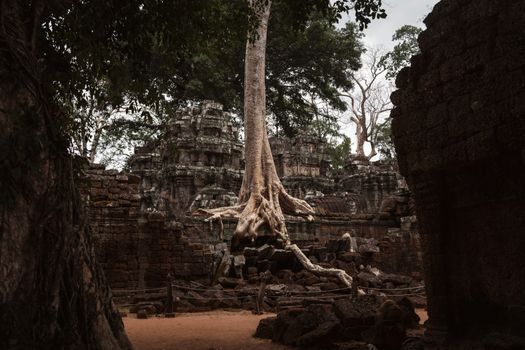
And then, through a veil of emerald leaves, I saw it. A towering stone structure, grey with age and draped in emerald moss, its intricate carvings half-swallowed by the roots of a colossal banyan tree. It wasn't as grand as Angkor Wat, but its raw, untamed beauty was breathtaking. There were no ropes, no signs, no entry fees. Just silence, broken only by the chirping of a gecko.
I spent hours there, clambering over fallen stones, tracing the faded bas-reliefs depicting ancient myths, and feeling the cool, rough stone beneath my fingertips. The air was thick with the scent of history and decay, yet also with a vibrant, living energy. Kael sat quietly, watching me explore, occasionally pointing out a particularly well-preserved carving or a hidden shrine. He didn't rush me. He understood the moment.
- Logistics (Cambodia example):
- Location: Rural provinces, often requiring a 2-4 hour drive from major hubs like Siem Reap or Phnom Penh, then a motorbike taxi and a trek.
- Cost: Expect to pay a local guide (essential!) anywhere from $30-$60 for a full day, including transport from a nearby town. Motorbike taxis might cost an additional $5-$10. There are usually no official entry fees, but a small donation to the local community (via your guide) is a respectful gesture.
- Best Time: Dry season (November to May) to avoid heavy mud and leeches, though the jungle is less vibrant.
- Essentials: Sturdy hiking shoes, long sleeves/pants (for sun and insects), plenty of water, snacks, insect repellent, a small first-aid kit, and a power bank for your phone (though reception will be spotty).
Sacred Silence: Discovering a Volcanic Sanctuary in Java
My next deep dive into the 'secret' temple world took me to Java, Indonesia. While Borobudur and Prambanan draw millions, the island's volcanic slopes and dense forests hide countless smaller, more ancient sites. My target was a temple complex – let's call it "Candi Rimba" – nestled on the lower slopes of a dormant volcano, known only to a few local farmers and spiritual seekers.
This time, the journey was different. Instead of a deep jungle trek, it involved navigating winding, narrow roads through terraced rice fields, eventually leading to a small, unassuming village. Here, I was introduced to Pak Budi, a kindly elder who spoke a little English and radiated a quiet wisdom. He agreed to take me, after a polite exchange over sweet tea and local snacks, and a promise to respect the sacred ground.
The path to Candi Rimba was steep, winding through coffee plantations and then into a thick bamboo forest. The air was cooler here, tinged with the scent of volcanic soil. Pak Budi moved with an effortless grace, his worn sandals barely disturbing the fallen leaves. He told me stories of his ancestors, of ancient rituals performed at the temple, and of the spirits believed to reside within its stones.
Candi Rimba wasn't a single grand structure, but a series of smaller, exquisitely carved shrines spread across a clearing. The stone was dark, almost black, hinting at its volcanic origins. Moss softened the edges of intricate reliefs depicting Hindu deities and scenes from the Ramayana. The silence was profound, broken only by the rustle of leaves and the distant calls of jungle fowl.
What struck me most was the sense of active worship. Though no formal ceremonies were taking place, there were fresh offerings of flowers and incense at several shrines, a testament to the temple's continued relevance to the local community. I sat in quiet contemplation, feeling the weight of centuries of devotion, a palpable energy that transcended language and culture.
- Logistics (Indonesia example):
- Location: Rural Java, often near active or dormant volcanoes. Requires local transport (scooter rental or hired car with driver) to a village, then a hike.
- Cost: A local guide might cost Rp 100,000-200,000 ($7-$14 USD) for a half-day. Scooter rental around Rp 50,000-70,000 ($3-$5 USD) per day. Food is incredibly cheap in local warungs (eateries).
- Best Time: Dry season (April to October) for easier hiking and clear views, but expect humidity.
- Essentials: Good hiking shoes, light rain jacket (mountain weather can change quickly), water, snacks, respectful attire (sarong often required for temples), and a humble attitude.
Mystical Mountain Retreats: Japan's Shrouded Shrines
Japan might seem like an unlikely place for "hidden temples" given its meticulous organization, but venture beyond the tourist-heavy Kyoto and Nara, and you'll find countless ancient shrines and temples tucked away in remote mountain forests. These are often pilgrimage sites for ascetic monks or local communities, rarely seen by foreign eyes.
My quest led me to the Kii Peninsula, a region famed for its spiritual trails. While the Kumano Kodo is well-known, I sought something deeper. Through a fortuitous conversation at a small ryokan, I learned of a tiny, ancient Shinto shrine – let’s call it "Okunoin Jinja" – nestled high in a cedar forest, accessible only by a steep, unmarked path.
The journey began with a local bus, then a winding, single-lane road that felt like it led to the edge of the world. From the bus stop, it was a two-hour ascent through an ancient cedar forest. The trees were colossal, their branches draped with moss, creating a perpetual twilight. The air was cool and crisp, carrying the scent of pine and damp earth.
The path was challenging, marked only by faint ribbons tied to branches and the occasional weathered jizo statue. It felt like walking through a Miyazaki film, a world where spirits and ancient magic still held sway. Finally, perched on a small plateau, stood Okunoin Jinja. It was tiny, almost rustic, made of dark wood that blended seamlessly with the forest. A torii gate, weathered and grey, stood at its entrance, signifying the boundary between the mundane and the sacred.
There were no other people. Just me, the immense silence of the forest, and the subtle ringing of wind chimes hanging from the shrine’s eaves. The simplicity of the place was its profound beauty. It wasn't about grandeur, but about harmony with nature, a deep respect for the kami (deities) believed to reside in the surrounding trees and rocks. I spent an hour simply sitting, listening to the wind, feeling a sense of peace that was almost overwhelming.
- Logistics (Japan example):
- Location: Remote mountain regions (e.g., Kii Peninsula, Tohoku, Shikoku). Often requires a combination of train, local bus, and significant hiking.
- Cost: Transport can be pricey (trains), but local buses are reasonable. No entry fees for most remote shrines. Food and accommodation (ryokans, minshukus) can be mid-range to expensive. Budget around $50-$100+ per day for basic expenses.
- Best Time: Spring (cherry blossoms) or Autumn (fall foliage) for stunning scenery. Summer can be humid, winter can be snowy and challenging for hiking.
- Essentials: Proper hiking gear (layered clothing, waterproofs, sturdy boots), plenty of water, snacks, map/GPS (even if offline), emergency whistle, and a basic understanding of Japanese phrases. Respect local customs (bowing, taking off shoes).
The Unwritten Rules: How to Be a Respectful Explorer
Finding these hidden gems is a privilege, not a right. The very reason they remain untouched is often due to the local communities' desire to preserve their sanctity and protect them from mass tourism. If we seek these places, we must do so with the utmost respect and an understanding of our responsibilities.
- Hire a Local Guide, Always: This is non-negotiable. Not only do they know the way, but they also act as your cultural bridge. They understand the local customs, language, and the nuances of interacting with the community. Their knowledge is invaluable, and your payment directly supports their family and community.
- Ask for Permission: Before venturing into truly remote areas, especially if you're not with an official guide, always ask local elders or community leaders for permission. Explain your intentions respectfully.
- Dress Modestly: This is crucial for sacred sites. Cover your shoulders and knees. Carry a sarong or scarf for impromptu needs.
- Leave No Trace: Pack out everything you pack in. Do not disturb the natural environment or the ancient structures. Don't touch carvings unless explicitly allowed.
- Be Quiet and Respectful: These are places of worship and contemplation. Speak softly, move respectfully, and avoid loud conversations or disruptive behavior.
- No Selfies with Locals Without Consent: If you encounter locals, especially children, always ask for permission before taking photos. A genuine smile and a few words in their language go a long way.
- Understand the "Why": These temples aren't just old stones; they are living parts of local culture, history, and spirituality. Approach them with reverence and an open mind.
- Don't Over-Share Exact Locations: While I’ve shared regions and types of experiences, I deliberately avoid giving precise GPS coordinates for truly hidden gems. The magic lies in the discovery, and mass tourism can quickly destroy the very essence of these places. Encourage others to find their own adventures responsibly.
Your Journey Begins: Planning Your Expedition
Ready to embark on your own quest for forgotten temples? Here's how to prepare for an adventure that will redefine your understanding of travel:
- Research Regions, Not Specific Sites: Instead of searching "secret temple X," research regions known for ancient ruins and strong local cultures (e.g., rural Cambodia, parts of Java, northern Thailand, remote areas of India or Nepal). Read travel forums, blogs, and local history books.
- Connect with Local Tourism Boards (Unofficially): Sometimes, smaller, community-based tourism initiatives can point you in the right direction for local guides.
- Learn Basic Phrases: A few words in the local language (hello, thank you, please, excuse me) will open doors and show respect.
- Pack Smart:
- Navigation: Offline maps (Google Maps, Maps.me), compass.
- Safety: First-aid kit, whistle, headlamp, water purification tablets/filter.
- Comfort: Lightweight, quick-drying clothing, sturdy hiking boots, rain gear, insect repellent, sun protection.
- Respect: Sarong/shawl, modest clothing.
- Sustenance: Plenty of water, high-energy snacks.
- Be Flexible: Plans will change. Paths will be muddier than expected. Language barriers will arise. Embrace the unexpected!
- Budget for Guides: Allocate a significant portion of your budget for local guides. It's an investment in your experience and the local community.
- Travel Insurance: Always, always have comprehensive travel insurance.
- Mindset: Go with an open heart, a curious mind, and a deep respect for the cultures and environments you encounter. This isn't just a trip; it's a pilgrimage.
The Unforgettable Reward
The feeling of standing before a temple reclaimed by nature, far from the madding crowd, is difficult to put into words. It’s a profound silence that speaks volumes. It’s the thrill of discovery mixed with a deep sense of peace. It's understanding that some of the greatest treasures aren't found on a map, but through patience, respect, and a willingness to truly connect with a place and its people.
These hidden temples are more than just ancient stones; they are living testaments to faith, art, and the enduring power of nature. They are secrets, yes, but secrets that, when approached with reverence, reveal a truth more beautiful than any postcard-perfect landmark.
So, are you ready to listen to the whispers? To step beyond the brochure and forge your own path to discovery? The jungle is calling, and ancient secrets await. Share your own adventures with us using #TripsoraHiddenGems, and inspire others to explore with intention and respect.
---