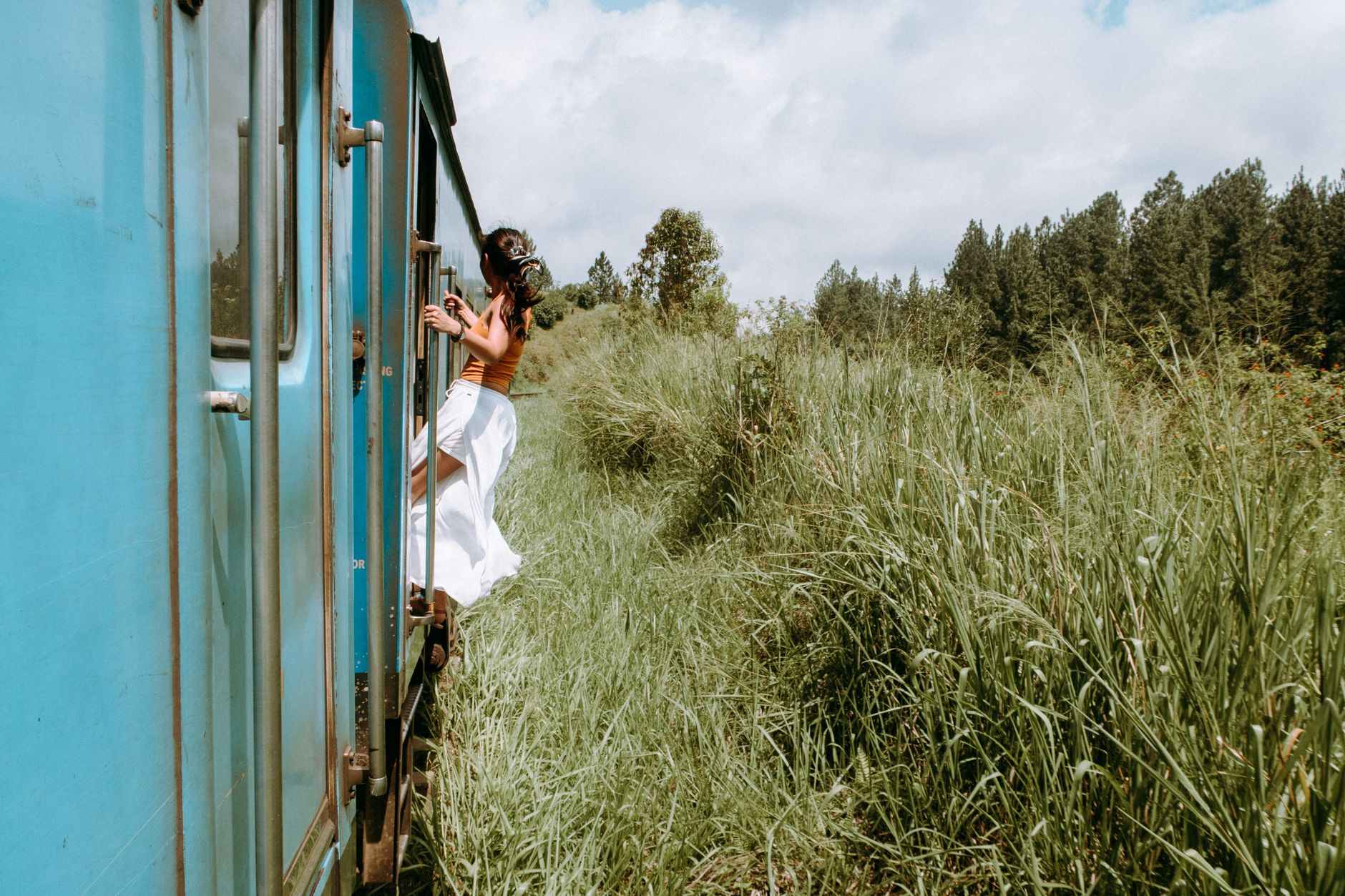
The rhythmic clatter of steel on steel, the slow unveiling of a world outside my window, the scent of a thousand stories carried on the wind – there’s nothing quite like train travel. But I’m not talking about the luxury tourist lines or the iconic routes plastered across every travel brochure. I’m talking about something far more visceral, more authentic, and dare I say, more real.
My quest for genuine travel experiences has led me down many winding paths, but none have captured my soul quite like the pursuit of train journeys that cross landscapes so improbable, so utterly breathtaking, that you wonder how the tracks were ever laid. These aren't just scenic routes; they are lifelines for local communities, veins of steel pulsing through the heart of a country, and often, they are routes locals prefer to keep to themselves. Why? Because they offer an unfiltered glimpse into their world, a world not yet manicured for the tourist gaze.
I remember my first encounter with this kind of journey. It was a stifling afternoon in Bolivia, queuing for a ticket on what locals affectionately (or perhaps resignedly) called the "Tren de la Muerte" – the Death Train. My backpack felt heavy, my Spanish was rudimentary, and a nervous excitement buzzed in my veins. The landscape outside Santa Cruz was flat, dusty, and endless, a stark contrast to the towering Andes I’d just left. This train, I knew, would take me deep into the Chaco, a vast, often forgotten wilderness. As the train lurched forward, an old woman sharing my bench offered me a piece of dried mango, a gesture of quiet hospitality that spoke volumes. It was in that moment, sharing a simple snack with a stranger as the world outside blurred into a tapestry of green and brown, that I understood. These weren't just train rides; they were portals to understanding, to connection, to the raw, untamed spirit of travel.
If you, like me, crave the thrill of discovery, the joy of the unexpected, and the profound satisfaction of truly connecting with a place, then buckle up. Because I’m about to reveal some of the most extraordinary, often challenging, but always rewarding train journeys on Earth – the ones the guidebooks barely whisper about, and the locals definitely don’t want overrun.
1. The Andean Ghost: Peru's Huancayo to Huancavelica (The Tren Macho)
The Journey: Imagine a train clinging to the side of a mountain, winding through tunnels carved by hand, crossing dizzying ravines, all while ascending to altitudes that kiss the clouds. This is the Tren Macho (literally, the "Manly Train" or "Tough Train") from Huancayo to Huancavelica in Peru. It’s a narrow-gauge railway, a relic of a bygone era, and a vital link for communities nestled high in the Andean sierra. This isn't the luxury tourist train to Machu Picchu; this is the real, rugged Peru.
The Landscape: Prepare for sensory overload. The journey starts in the bustling, high-altitude city of Huancayo, then plunges into a world of dramatic peaks, emerald valleys, and small, isolated villages where life moves at a different rhythm. You'll see terraced fields clinging to impossibly steep slopes, rivers churning far below, and the stoic faces of local farmers and herders. The air is thin, crisp, and carries the scent of eucalyptus and damp earth. As you climb, the vegetation thins, giving way to a stark, majestic beauty that feels ancient and untouched. The engineering itself is a marvel – bridges arching over chasms, and tunnels piercing through solid rock, a testament to human ingenuity against an unforgiving landscape.
My Anecdote: I remember squeezing into a window seat, my knees practically touching the person opposite. The train was packed with locals – women in vibrant traditional skirts carrying bundles, men with weathered faces, and children with wide, curious eyes. As we rattled out of Huancayo, a sudden burst of music erupted from a small radio, and soon, a woman began singing a haunting Quechua melody. The views were incredible, but it was the small interactions that truly defined the journey. A shared bag of roasted corn, a quiet nod, a child pointing excitedly at a herd of llamas outside the window – these were the moments that painted Peru deeper into my soul than any postcard ever could. The train often stopped unannounced, just long enough for someone to hop off near their remote home, a quiet testament to its role as a local lifeline.
Practical Tips:
- Booking: Tickets are best bought in person at the Huancayo or Huancavelica station a day or two in advance. Don't expect online booking or fancy waiting rooms.
- Cost: Incredibly affordable, usually just a few dollars.
- Duration: Approximately 5-6 hours for about 128 km (80 miles), due to the challenging terrain and numerous stops.
- When to Go: The dry season (May to October) offers clearer skies and fewer delays, though the mist and cloud of the wet season can add a dramatic, ethereal quality.
- What to Bring: Layers of clothing (it gets cold at altitude), snacks, water, coca leaves or altitude sickness medication, and an open mind. Be prepared for basic facilities.
- Instagram-worthiness: Every turn offers a photo opportunity, from the engineering marvels to the stunning Andean vistas and candid shots of local life.
2. Himalayan Whispers: India's Kangra Valley Railway
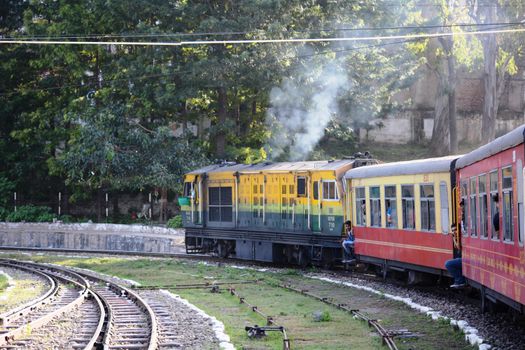
The Journey: While the Darjeeling and Kalka-Shimla railways get all the fame, the Kangra Valley Railway offers a quieter, equally enchanting journey through the foothills of the Indian Himalayas in Himachal Pradesh. This narrow-gauge line, a UNESCO World Heritage Tentative Site, winds its way from Pathankot to Jogindernagar, offering unparalleled views of the Dhauladhar mountain range. It's slow, it's charming, and it's quintessentially Indian.
The Landscape: Unlike the dramatic climbs of its more famous cousins, the Kangra Valley Railway meanders through gentle valleys, past lush tea plantations (especially around Palampur), and alongside sparkling rivers. The towering, snow-capped Dhauladhar peaks serve as a constant, majestic backdrop. You’ll pass through quaint villages, dense pine forests, and over numerous bridges, including the impressive Kangra Bridge. This journey is less about conquering altitude and more about soaking in the serene, spiritual beauty of the lower Himalayas.
My Anecdote: I boarded the early morning train in Pathankot, the air still cool and crisp. My compartment quickly filled with local villagers, students heading to school, and a few sadhus (holy men) with their distinctive saffron robes. The train chugged along at a leisurely pace, allowing plenty of time to absorb the scenery. At one point, as we rounded a bend, the entire Dhauladhar range, snow-capped and gleaming in the morning sun, burst into view. A collective gasp, then a shared silence of awe filled the carriage. An elderly gentleman beside me, seeing my wide-eyed wonder, simply smiled and pointed, "Dev Bhoomi," he whispered – "Land of the Gods." It was a moment of profound peace and shared appreciation for a beauty that felt sacred. Later, I bought hot chai from a vendor who hopped on at a small station, the sweet, spicy warmth a perfect accompaniment to the unfolding landscape.
Practical Tips:
- Booking: Tickets are usually available at the station on the day of travel. Advance booking isn't typically necessary unless for a specific class or time.
- Cost: Very inexpensive, a few hundred rupees at most for the full journey.
- Duration: The full journey from Pathankot to Jogindernagar takes around 9-10 hours, covering about 164 km (102 miles). You can also do shorter segments.
- When to Go: October to March offers pleasant weather and clear mountain views. Avoid monsoon season (July-September) due to potential landslides and heavy rain.
- What to Bring: Water, snacks, a camera, and a good book (though you'll likely be too busy looking out the window).
- Instagram-worthiness: The Dhauladhar views are epic, especially at sunrise or sunset. Capture the charming stations, local life, and the train itself against the stunning backdrop.
3. The Jungle Express: Bolivia's Tren de la Muerte (Santa Cruz to Puerto Quijarro)
The Journey: Despite its ominous nickname, the "Death Train" (Tren de la Muerte) is a misnomer. While conditions can be basic and the journey long, it’s a fascinating expedition across Bolivia's vast, relatively unexplored eastern lowlands, connecting Santa Cruz to Puerto Quijarro on the Brazilian border. It’s a true local experience, a lifeline for communities in the remote Chaco region.
The Landscape: This journey is a stark contrast to the Andean mountains. Here, the landscape is dominated by the Gran Chaco – an immense, semi-arid lowland that transitions into wetlands and dense tropical dry forest as you approach the border. You'll see vast cattle ranches, small, isolated indigenous communities, and an incredible array of wildlife if you’re lucky – from capybaras to diverse bird species. The sunsets over the Chaco are legendary, painting the sky in fiery hues that reflect off the occasional lagoons.
My Anecdote: The train departed Santa Cruz in the late afternoon, a chaotic symphony of vendors, families, and travelers. I secured a spot in "ferrobus" (a kind of self-propelled railcar, often more comfortable than the regular train). As dusk fell, the train plunged into the darkness of the Chaco. There were no city lights, just the occasional flicker from a distant farm. The air, initially humid, grew cooler. I remember standing at the open door between carriages (with caution, of course!), feeling the wind rush past and staring into the inky blackness, punctuated by the train's headlamp cutting through the jungle. At one point, the train stopped in what seemed like the middle of nowhere, just a few shacks by the tracks. Local women appeared as if from nowhere, selling empanadas and fresh fruit through the windows. It was an impromptu market, a testament to the train's vital role in connecting these remote pockets of humanity. The journey felt like a true expedition into the unknown.
Practical Tips:
- Booking: Tickets can be purchased at the Santa Cruz train station (Estación Ferroviaria) a day or two before departure. There are different classes – 'Ferrobus' is generally more comfortable and faster, while the 'Expreso Oriental' or 'Tren Regional' are slower and more basic.
- Cost: Varies by class, but still very affordable (e.g., $10-30 USD).
- Duration: 14-20 hours, depending on the service and delays. It's a long haul!
- When to Go: The dry season (May to October) is generally more comfortable, with less humidity and fewer insect issues.
- What to Bring: Plenty of water, snacks (food options on board are limited), insect repellent, a blanket or sleeping bag (it can get chilly at night), a headlamp, and something to entertain yourself. Be prepared for basic hygiene facilities.
- Instagram-worthiness: The Chaco sunsets are spectacular. Capture the unique local interactions, the vastness of the landscape, and the rustic charm of the train itself.
4. Viaducts to the Sky: Myanmar's Gokteik Viaduct Line (Mandalay to Lashio)
The Journey: Myanmar is a country slowly opening its doors, and while many rush to Bagan or Inle Lake, a truly epic train journey awaits those willing to venture north. The railway line from Mandalay to Lashio, specifically the section that crosses the Gokteik Viaduct, is an engineering marvel and a breathtaking experience. It’s a slow, rattling journey through colonial history and stunning Shan State landscapes.
The Landscape: This route takes you from the bustling plains around Mandalay into the cool, hilly terrain of Shan State. The highlight, of course, is the Gokteik Viaduct, a massive steel trestle bridge built by the British in 1901, spanning a deep gorge. At its time, it was the largest railway trestle in the world. As the train crawls across it, often at a snail's pace, you'll feel suspended in mid-air, with dense jungle and a river hundreds of feet below. Beyond the viaduct, the journey continues through picturesque hills, past tea plantations, terraced rice fields, and traditional Shan villages.
My Anecdote: The anticipation in my carriage was palpable as we approached the Gokteik Viaduct. Locals, who had probably crossed it countless times, still leaned out the windows (carefully, of course!), pointing and murmuring. As the train began its slow, deliberate crawl onto the viaduct, the sheer scale of the engineering feat hit me. Looking down, the jungle canopy seemed to stretch endlessly, the river a silver ribbon far below. The old steel groaned and creaked, a symphony of its age. I felt a mix of awe and a healthy dose of vertigo. A young monk sitting opposite me, noticing my wide eyes, simply smiled and gestured to the view, "Beautiful," he said in broken English. It was more than beautiful; it was a testament to human ambition and nature's raw power, experienced from a rattling, very local train.
Practical Tips:
- Booking: Tickets can be bought at Mandalay Central Railway Station a day or two in advance. Look for 'Upper Class' for slightly more comfortable seats, though even these are basic.
- Cost: Very affordable, typically a few thousand Kyats (a few USD).
- Duration: The journey from Mandalay to Hsipaw (a popular stop near the viaduct) takes about 10-12 hours. The full journey to Lashio is even longer. Many tourists opt for the Mandalay-Hsipaw segment.
- When to Go: The dry season (November to February) offers the most pleasant weather and clearer views.
- What to Bring: Snacks, water, a scarf or light blanket (it can get dusty and chilly), and your camera. Be prepared for delays.
- Instagram-worthiness: The Gokteik Viaduct is an absolute showstopper. Capture the scale of the bridge, the jungle views, and the vibrant local life on board and at the stations.
5. The Heart of Africa: Tanzania's TAZARA Railway (Dar es Salaam to Kapiri Mposhi, Zambia)
The Journey: The Tanzania-Zambia Railway Authority (TAZARA) line is more than just a train; it’s a monument to international cooperation and a vital artery connecting East and Southern Africa. Built with Chinese assistance in the 1970s, it traverses some of the continent's most remote and wildlife-rich landscapes, offering an epic overland adventure that few tourists experience.
The Landscape: This is Africa on a grand scale. From the coastal plains of Dar es Salaam, the TAZARA line climbs onto the vast Tanzanian plateau, passing through dense bushland, agricultural areas, and the fringes of enormous national parks like Selous Game Reserve. You’ll see baobab trees, acacia savannah, and, if you're lucky, an array of wildlife from your window – giraffes, zebras, antelopes, and even elephants are not uncommon sightings. The journey is long, often slow, and takes you deep into the heart of rural Africa, far from paved roads and tourist lodges.
My Anecdote: I boarded the TAZARA train in Dar es Salaam, a bustling, humid city. The carriage was a melting pot of nationalities – Tanzanians, Zambians, traders, families, and me, the lone backpacker. The journey quickly became a lesson in patience and observation. Hours blurred into days as the train rumbled through the landscape. I spent hours at the open window, feeling the warm African breeze, watching the world unfold. I distinctly remember waking up one morning to the sight of a herd of giraffes gracefully browsing on acacia trees, silhouetted against a fiery sunrise. It felt like a scene from National Geographic, but it was real, right outside my window. Sharing meals of ugali and fish with fellow passengers, listening to their stories, and experiencing the slow, deliberate pace of African travel – it was an immersion, not just a journey.
Practical Tips:
- Booking: Tickets can be purchased at the TAZARA stations in Dar es Salaam or Kapiri Mposhi. Booking a few days in advance is advisable, especially for 'First Class' (which is still basic by Western standards but offers more space).
- Cost: Around $30-50 USD for First Class, depending on the exchange rate.
- Duration: The scheduled journey is around 36-48 hours, but significant delays are common. Be prepared for 60+ hours. This is not a journey for those on a tight schedule.
- When to Go: The dry season (June to October) offers better wildlife viewing opportunities and less muddy conditions.
- What to Bring: Abundant water, non-perishable snacks, a sleeping bag or blanket, a towel, toiletries, a power bank for charging devices, books/entertainment, and patience. Food is available from vendors at stations and on board, but variety can be limited.
- Instagram-worthiness: The vast African landscapes, incredible sunsets, and potential wildlife sightings make for stunning photos. Capture the vibrant life on board and at the stations.
Tips for the Intrepid Rail Traveler: Your Guide to Unlocking These Hidden Journeys
These aren't your average tourist excursions. To truly embrace the magic of these hidden train journeys, you need to come prepared, both physically and mentally.
- Embrace the Unpredictable: Schedules are often suggestions, not strict rules. Delays are common, and things might not go exactly as planned. This is part of the adventure! Cultivate patience and a good sense of humor.
- Pack Smart & Light: You'll be carrying your own luggage, often through crowded stations. Pack layers, as temperatures can vary wildly from day to night and across different altitudes. A good headlamp, a portable power bank, and a basic first-aid kit are essentials.
- Stay Hydrated and Fed: Bring plenty of water and non-perishable snacks. While vendors often hop on at stops, their offerings can be limited or not to your taste.
- Go Local: These trains are lifelines for communities. Engage with your fellow passengers. A simple smile, a shared snack, or a few words in the local language can open doors to incredible interactions. This is where the real magic happens.
- Be Culturally Sensitive: Observe local customs. Ask permission before taking photos of people. Dress modestly, especially in more conservative regions.
- Safety First: Keep an eye on your belongings, especially in crowded areas. Avoid displaying expensive electronics unnecessarily. Trust your gut feeling.
- Offline Entertainment: Wi-Fi is a luxury you won't find. Bring books, journals, podcasts, or simply enjoy the view and the quiet contemplation.
- Flexibility is Key: If you have a tight itinerary, these journeys might not be for you. Allow extra days for potential delays and unexpected detours.
- Cash is King: Many of these routes are in remote areas where card payments are non-existent. Carry local currency in small denominations.
- Document Everything: These are truly once-in-a-lifetime experiences. Take photos, write in a journal, record voice notes. You'll want to remember every detail.
The Unwritten Rule: Why Locals Keep These Secrets
You might wonder why these incredible routes aren't plastered across every travel guide. The truth is, many locals cherish these trains as a vital, unadulterated part of their daily lives. They are not tourist attractions; they are community connectors, economic arteries, and windows into a way of life that mass tourism often irrevocably changes.
When you embark on one of these journeys, you're not just a tourist; you're a temporary guest in their world. Respect that. Engage with humility, appreciate the authenticity, and leave only footprints. These are the last bastions of truly raw, immersive travel, and they offer a depth of experience that the polished, curated routes simply cannot.
So, are you ready to trade the predictable for the profound? To swap luxury for authenticity? To ride the rails less traveled and discover landscapes so impossible, they might just change your perspective on the world? These trains are waiting. And they're calling your name.
What's your wildest train travel dream? Share it in the comments below, and let's keep the spirit of authentic exploration alive!
---