The Call of the Unbeaten Track: My Love Affair with Rails Less Traveled
There’s a specific kind of magic that hums through the steel wheels of a train, a rhythm that lulls you into a state of profound contemplation as the world unfurls outside your window. I’ve chased that rhythm across continents, from the packed carriages of India to the serene solitude of the Canadian Rockies. But my most cherished memories aren't from the famous routes plastered across postcards; they’re from the journeys less taken, the tracks laid through landscapes so wild, so seemingly impossible, that you wonder how engineers ever dared to dream them.
It was on one such journey, bumping along a narrow-gauge track through the heart of the Andes, that the idea for this post truly crystallized. The air was thin, the mountains intimidating, and our little train felt like a defiant metal worm inching its way across the roof of the world. There were no hordes of tourists, no selfie sticks blocking the view, just a handful of locals and a few wide-eyed adventurers like myself, sharing an unspoken understanding: we were witnessing something truly special, something on the cusp of discovery.
This isn't about luxury rail; it's about raw, authentic adventure. It's about the thrill of seeing a landscape that few others have, the satisfaction of a journey earned, and the quiet pride of being an early adopter. Because let's be honest, while some iconic train rides are rightfully celebrated, there’s an entirely different kind of joy in experiencing a route before it becomes mainstream, before the curated tours and the Instagram influencers descend.
Are you ready to swap well-trodden paths for steel tracks leading to the edge of the imaginable? Good. Because these are the trains that cross impossible landscapes, waiting for you to discover them before the secret gets out.
---
1. Argentina's High-Altitude Dream: The Tren a las Nubes (Train to the Clouds)
The Journey: Imagine a train that climbs over 4,200 meters (13,800 feet) above sea level, traversing bridges suspended over dizzying ravines, snaking through tunnels carved into mountainsides, and performing gravity-defying zig-zags and spirals to gain altitude. This is the Tren a las Nubes, or "Train to the Clouds," a marvel of engineering in Argentina's Salta province.
My first encounter with the Tren a las Nubes was a mix of awe and mild trepidation. As the train slowly pulled out of San Antonio de los Cobres, the landscape quickly transformed into a stark, almost lunar expanse of ochre and rust-colored mountains. We passed small, isolated Andean villages, their adobe homes blending seamlessly with the earth. The air grew thinner, and I found myself reaching for my oxygen mask (provided on board, a testament to the altitude!) more than once, but every gasp was worth it. The highlight? Crossing the La Polvorilla Viaduct, a colossal iron bridge arching gracefully over a deep canyon, feeling like we were truly floating among the clouds.
Why it's 'Impossible': The sheer altitude and the complex engineering required to build this railway through the rugged Andes make it an astounding feat. It literally takes you into the clouds, offering views that feel otherworldly.
Before Mainstream Tip: While popular with Argentinian tourists, it hasn't quite hit the international radar in the same way as, say, Peru's Inca Rail. To experience it more intimately, consider traveling in the shoulder seasons (April-May or September-October) when the weather is still good but crowds are thinner. Book directly with the official Tren a las Nubes website (trenalasnubes.com.ar) for the best rates and information.
Details:
- Route: Starts from Salta, Argentina (bus connection to San Antonio de los Cobres, then train from there).
- Duration: Full day excursion (approx. 15-16 hours including bus transfers).
- Price: Around $150-$200 USD (subject to change), includes bus transfers, onboard medical assistance, and breakfast/snack.
- Instagram Moment: The La Polvorilla Viaduct is undeniably the star. Get ready for panoramic shots of the train curving across the bridge against a backdrop of endless sky and mountains.
---
2. Gold Rush Ghosts & Alaskan Grandeur: The White Pass & Yukon Route
The Journey: Step back in time aboard the White Pass & Yukon Route, a narrow-gauge railway built during the Klondike Gold Rush of 1898. This historic railway snakes its way from Skagway, Alaska, up through the formidable White Pass into Canada's Yukon Territory, traversing some of the most challenging terrain imaginable.
I remember the crisp Alaskan air biting at my cheeks as our vintage railcar chugged out of Skagway. The guide's voice, rich with tales of prospectors and pioneers, painted vivid pictures of the harrowing journey gold-seekers undertook on foot, often dying from exposure or exhaustion. Looking out, I saw remnants of the original "Dead Horse Trail" where thousands of pack animals perished. The train itself felt like a living museum, climbing 3,000 feet in just 20 miles, clinging to the edge of cliffs, crossing dizzying trestles, and navigating through narrow gorges. The sheer audacity of building this line through such unforgiving wilderness, often blasting through solid granite, is mind-boggling.
Why it's 'Impossible': Built in just 26 months through treacherous mountains, it's an engineering marvel born out of desperation and ingenuity. The steep grades, sharp curves, and dramatic drops offer a testament to human perseverance against nature's might.
Before Mainstream Tip: While a popular cruise excursion, many only do the shorter "Summit Excursion." To truly dive into its history and remote beauty, opt for the longer "Fraser Meadows & Return" or even the full "Skagway to Carcross/Whitehorse" (seasonal) trips. These go further into the Yukon, offering more solitude and deeper immersion into the wilderness. Avoid peak cruise ship days if possible by checking the Skagway cruise schedule.
Details:
- Route: Skagway, Alaska to Fraser, BC, or Carcross/Whitehorse, Yukon.
- Duration: Various options, from 3-8 hours return.
- Price: $130-$250+ USD depending on the chosen route.
- Instagram Moment: The dramatic vistas of Bridal Veil Falls, Inspiration Point, and the cantilever bridges are stunning. Capture the vintage train winding through the rugged, snow-capped peaks.
---
3. Through the Heart of Africa: The Tazara Railway's Untamed Beauty
The Journey: Forget safari jeeps; imagine traversing the vast, wild landscapes of Tanzania and Zambia by train. The Tazara (Tanzania-Zambia Railway) is a 1,860-kilometer (1,155-mile) railway line, built by the Chinese in the 1970s, connecting Dar es Salaam on the Indian Ocean to Kapiri Mposhi in Zambia. This isn't just a scenic route; it's a profound cultural immersion and an authentic slice of African life.
My Tazara experience was an adventure in itself. The train was slow, often delayed, but every moment was rich with discovery. I spent hours gazing out the window, watching baobab trees silhouette against fiery sunsets, elephants grazing in the distance, and local life unfold at rural stations. Children would run alongside the tracks, waving excitedly. Inside, I shared stories and laughter with fellow passengers – traders, families, students – each journeying for their own reasons. It’s a true slow travel experience, where the journey itself is the destination, punctuated by the rhythmic clickety-clack and the occasional cry of a hawker selling freshly roasted peanuts or fruit at a stop.
Why it's 'Impossible': This railway cuts through vast, untamed wilderness, including national parks and remote areas where wildlife roams freely. The sheer scale and logistical challenge of building and maintaining such a line across two massive countries are immense.
Before Mainstream Tip: This railway is already well off the mainstream tourist path, primarily used by locals. To enhance your experience, choose first-class for more comfort, but don't shy away from interacting with passengers in other classes. Bring plenty of snacks, water, and a good book. Be prepared for delays – embrace them as part of the adventure!
Details:
- Route: Dar es Salaam, Tanzania to Kapiri Mposhi, Zambia (and vice versa).
- Duration: Approximately 36-48 hours (or more, delays are common).
- Price: First class tickets are very affordable, typically $40-$60 USD one way.
- Instagram Moment: Sunrises and sunsets over the African savannah, glimpses of wildlife (elephants, zebras, giraffes are possible!), and the vibrant interactions at local stations.
---
4. India's Coastal Symphony: The Konkan Railway's Engineering Marvel
The Journey: India is synonymous with train travel, but beyond the iconic Himalayan routes, lies the Konkan Railway – an engineering triumph that carves a path through the challenging terrain of India's western coast. Connecting Mumbai (Maharashtra) to Mangaluru (Karnataka), this railway navigates over 2,000 bridges (including the highest viaduct in Asia) and through 91 tunnels, offering breathtaking views of the Arabian Sea, lush paddy fields, coconut groves, and vibrant villages.
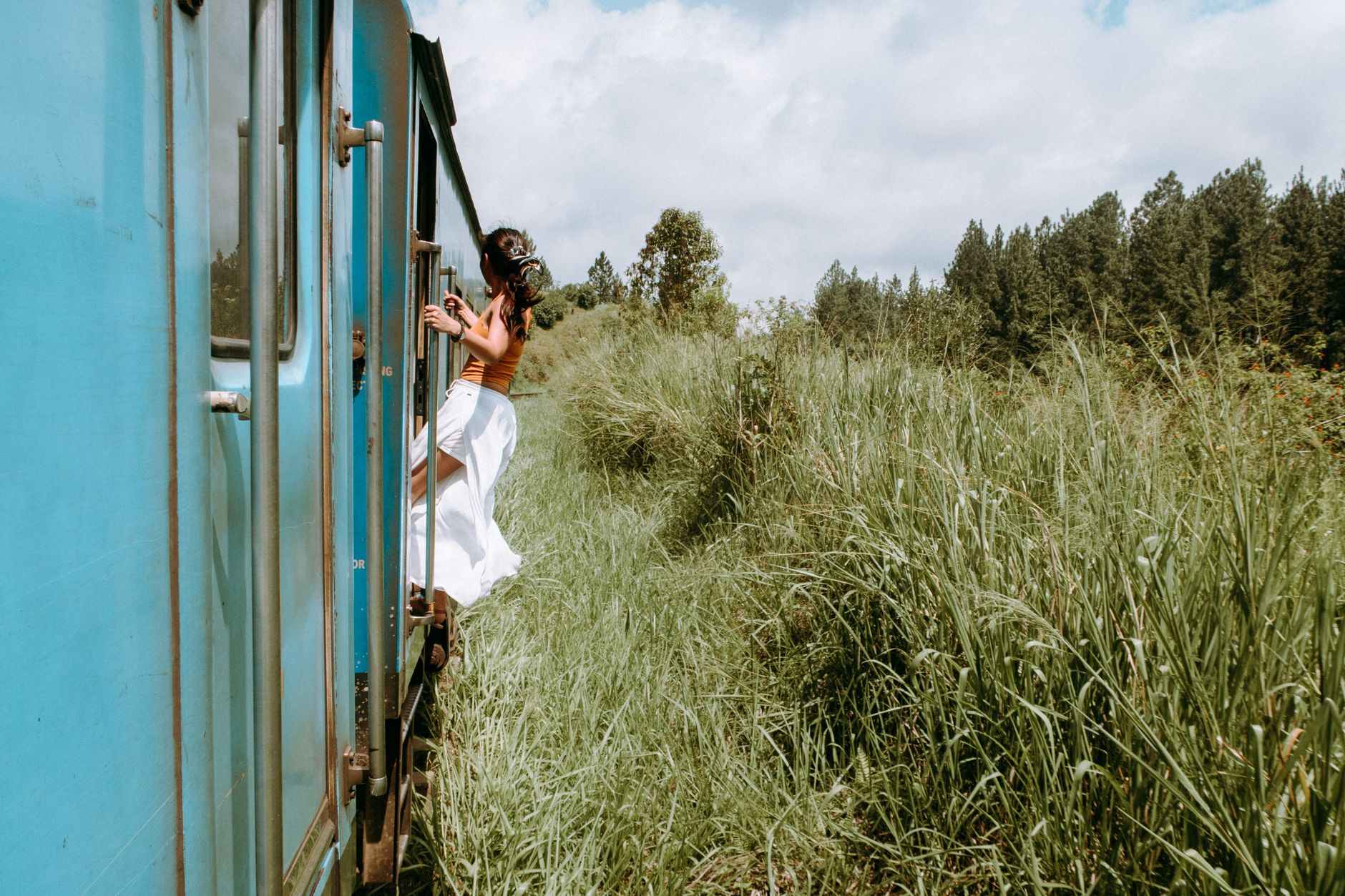
I remember leaning out of the open doorway (a common, if slightly risky, practice in India!) as the train rattled along the Konkan line. The air was thick with the scent of salt and damp earth. One moment, we were hurtling through a pitch-black tunnel, and the next, we burst into blinding sunlight, revealing a stunning vista of turquoise sea crashing against emerald cliffs. The rhythm of the train felt different here, more fluid, a dance between land and water. It felt like an intimate peek into a side of India often overlooked by those rushing to the Golden Triangle.
Why it's 'Impossible': The Konkan Railway was one of the most challenging railway projects in India, built through extremely difficult geological conditions – unstable hills, numerous rivers, and marshy lands. It's a testament to modern Indian engineering.
Before Mainstream Tip: While popular with domestic travelers, it's not yet a global 'must-do' rail journey. To experience it at its best, travel during or just after the monsoon season (July-September) when the landscape is incredibly lush and waterfalls cascade down the hillsides. Book your tickets well in advance via Indian Railways' IRCTC website or app (irctc.co.in).
Details:
- Route: Various trains connect Mumbai to destinations like Goa, Ratnagiri, or Mangaluru.
- Duration: Depending on your route, from 6 hours (Mumbai-Goa) to 12+ hours (Mumbai-Mangaluru).
- Price: Very affordable, from $5-$20 USD for Sleeper or 3AC class.
- Instagram Moment: The dramatic sea views, the iconic Panvalnadi Viaduct, and the vibrant life in the small coastal towns you pass through.
---
5. Norwegian Fjords & Untouched Valleys: The Rauma Railway
The Journey: While Norway's Flåm Railway often steals the spotlight, the Rauma Railway offers an equally stunning, yet less crowded, journey through some of the country's most dramatic landscapes. Connecting Dombås to Åndalsnes, this 114-kilometer (71-mile) line plunges into deep valleys, skirts the mighty Rauma River, and offers views of towering peaks and the famous Trollveggen (Troll Wall), Europe's tallest vertical rock face.
I took the Rauma Railway on a crisp autumn day, the trees ablaze with reds and golds. From my window, the scenery unfolded like a meticulously painted canvas – glacial blue rivers snaking through U-shaped valleys, tiny red cabins clinging to impossible slopes, and the sheer, intimidating presence of Trollveggen, its jagged peaks piercing the sky. What struck me most was the sense of untamed wilderness, even as we passed through small, picturesque villages. The train felt like a discreet observer, gently passing through a landscape that remained largely untouched by human hand. It's a journey that evokes a profound sense of peace and wonder.
Why it's 'Impossible': Navigating deep, narrow valleys carved by glaciers, the railway features impressive engineering like the Kylling Bridge and the unique horseshoe-shaped tunnel at Stavem, designed to gain elevation efficiently in challenging terrain.
Before Mainstream Tip: The Rauma Railway is less known internationally than Flåm, making it inherently more 'before mainstream'. To truly savor the experience, consider stopping overnight in Åndalsnes, known as the "Alpine Town by the Fjord," and explore the surrounding hiking trails before catching the return journey. Travel in the shoulder seasons (spring or autumn) for fewer crowds and unique seasonal beauty.
Details:
- Route: Dombås to Åndalsnes, Norway.
- Duration: Approximately 1 hour 40 minutes one way.
- Price: Around $25-$40 USD one way, can be booked via Vy (Norwegian State Railways).
- Instagram Moment: The Kylling Bridge, the Rauma River snaking through the valley, and the imposing Trollveggen. Look for opportunities to capture the train itself against the stunning backdrop.
---
6. Malaysia's Jungle Railway: An Expedition into the Emerald Heart
The Journey: Deep in the interior of Peninsular Malaysia, far from the bustling cities and island resorts, lies the Jungle Railway. This single-track line, officially known as the East Coast Line, winds its way from Gemas in the south up to Tumpat in the north, cutting through dense rainforest, rubber plantations, and remote Malay villages. This is truly an expedition, a slow, immersive journey into the heart of a vibrant, living jungle.
My trip on the Jungle Railway was a sensory overload in the best possible way. The air inside the carriage was thick with the scent of damp earth and exotic flowers. Outside, the jungle pressed in, a wall of emerald green, alive with the sounds of unseen creatures. We passed through small stations, where vendors would hop on and off, selling local delicacies like nasi kerabu (blue rice) wrapped in banana leaves. It felt like a journey back in time, a genuine glimpse into rural Malaysian life, undisturbed by the rush of modern tourism. I even spotted monkeys and exotic birds from my window – a true testament to its wild setting.
Why it's 'Impossible': Laying and maintaining tracks through such dense, humid, and often challenging jungle terrain, prone to landslides and rapid plant growth, is a continuous battle against nature.
Before Mainstream Tip: This railway is definitely off the beaten path for most international tourists. For the most authentic experience, choose to travel in the "Ekspres Rakyat Timuran" (Eastern People's Express) and opt for a window seat. Consider breaking your journey in towns like Kuala Lipis or Dabong to explore local caves, waterfalls, or jungle treks. Be prepared for basic amenities and potential delays – this is slow travel at its finest.
Details:
- Route: Gemas to Tumpat, Malaysia (various stops in between).
- Duration: The full journey can take 10-12 hours.
- Price: Very affordable, typically $10-$20 USD for a seat. Tickets can be booked via KTMB (Malaysian Railways) website.
- Instagram Moment: The endless green tunnel of the jungle, the vibrant local life at small stations, and the train itself snaking through the dense rainforest.
---
Your Blueprint for Pre-Mainstream Rail Adventures: Practical Tips
Embarking on these less-traveled rail journeys requires a slightly different approach than your typical European interrail trip. Here’s how to make the most of it:
- Embrace Slow Travel: These aren't high-speed bullet trains. Delays happen. The journey is the experience. Let go of strict schedules and savor every moment.
- Book Directly & Locally: For many of these routes, booking directly through the national railway website (e.g., KTMB for Malaysia, Vy for Norway) or even at the station upon arrival will often yield the best prices and availability. Third-party sites might not list all options or add significant markups.
- Pack Smart: Bring essentials like a portable charger, snacks, water, a reusable bottle, hand sanitizer, a good book or journal, and layers of clothing. Earplugs and an eye mask can be lifesavers on longer journeys.
- Engage with Locals: These trains are often lifelines for local communities. Strike up conversations! You’ll learn more about the culture, get insider tips, and make unforgettable connections. A few phrases in the local language go a long way.
- Offline Maps & Entertainment: Wi-Fi might be non-existent or spotty. Download maps, music, podcasts, and e-books beforehand.
- Photography Prep: Charge all your camera batteries! These routes offer incredible photo opportunities. Consider a polarizing filter for glare and a wide-angle lens for landscapes. Don't forget to clean your windows (if possible!) for clearer shots.
- Safety First: Always be aware of your belongings, especially in crowded areas. Secure your luggage. Research local customs and dress codes.
- Be Flexible: Some routes might have limited departures or specific seasonal operations. Check schedules well in advance and have backup plans.
- Leave No Trace: Practice responsible tourism. Dispose of your waste properly, respect local communities, and support sustainable practices.
---
All Aboard the Unseen Express!
There’s a profound satisfaction in discovering a corner of the world before the guidebooks highlight it, before the tour buses roll in. These train journeys offer that rare chance – an opportunity to connect with landscapes, cultures, and yourself in a way that mass tourism simply can’t provide. They are a testament to human ingenuity and a gateway to incredible natural beauty.
So, if your wanderlust is calling for something truly extraordinary, something that challenges your perceptions of travel and leaves you with stories that few others can tell, then it’s time to look beyond the mainstream. These tracks are waiting.
Which impossible rail journey will you embark on first? Share your dreams in the comments below, and don't forget to bookmark this post for your next adventure planning! Better yet, share it with a fellow explorer who’s ready to ditch the crowds for the call of the unseen rails.