I stepped off the train in Kyoto, the crisp morning air carrying the faint, sweet scent of cherry blossoms and the distant, resonant chime of temple bells. Sunlight, still soft and golden, slanted through the ancient wooden eaves of the station, illuminating a scene so serene it felt like stepping into a ukiyo-e print. This, I thought, is the magic of train travel. It’s not just about arriving; it’s about the unfolding panorama, the gentle rhythm of the rails, the intimate connection with the landscape and its people. In a world obsessed with speed, there’s a profound beauty in slowing down, in choosing the journey over the destination, especially when that journey offers views that simply can't be replicated from 30,000 feet.
For too long, flying has been the default for covering distances. But let’s be honest, is staring at clouds and a tiny, pixelated map really seeing the world? I’ve spent years on the rails, and I can tell you, unequivocally, that some of the most unforgettable travel experiences are found not in the skies, but on the ground, chugging through breathtaking landscapes. These aren't just commutes; they are curated experiences, designed to immerse you in the very essence of a region.
The Allure of the Rails: Why Train Journeys Trump Air Travel
Flying offers efficiency, yes, but it often comes at the cost of connection. You’re sealed in a metal tube, disconnected from the world unfolding beneath you. Train travel, on the other hand, is an invitation. It’s about the sensory immersion: the rumble of the wheels, the changing light on the countryside, the conversations struck up with fellow passengers, the ever-present possibility of spotting something extraordinary out the window.
Think about it:
- Uninterrupted Vistas: No cloud cover, no awkward angles. Just pure, unadulterated scenery, unfolding at a pace that allows you to truly absorb it.
- Cultural Immersion: You travel through towns and villages, catching glimpses of local life, architecture, and traditions that are invisible from a plane.
- Comfort and Space: Forget cramped legroom and middle seats. Train carriages often offer more space, comfortable seating, and the freedom to walk around.
- Environmental Choice: Generally, train travel has a significantly lower carbon footprint than flying, making it a more sustainable option.
Top-Tier Train Journeys: Where the Scenery Steals the Show
Let’s dive into the journeys that will make you question why you ever bothered with airport security. These are the routes where the journey itself is the star, offering unparalleled visual feasts and unforgettable experiences.
1. The Glacier Express: Switzerland's "Slowest Express Train"
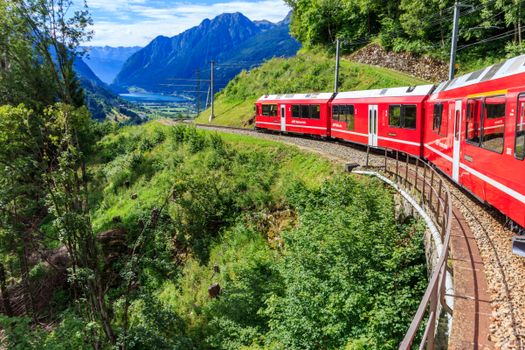
Switzerland is synonymous with majestic mountains, and the Glacier Express is your golden ticket to experiencing them up close. This isn't about speed; it’s about savoring every single, breathtaking moment. Winding through the Alps, it connects Zermatt (home of the Matterhorn) to St. Moritz (a glamorous ski resort), traversing 291 bridges and 91 tunnels.
What to Expect: Imagine panoramas of jagged, snow-capped peaks, emerald-green valleys dotted with chalets, and turquoise glacial lakes reflecting the sky. You’ll glide over iconic viaducts like the Landwasser, a marvel of engineering that curves dramatically into a tunnel. The panoramic windows are designed for maximum viewing pleasure, ensuring you don't miss a single detail of this alpine wonderland.
Insider Tip: Book a seat on the left side traveling from Zermatt to St. Moritz for the best views of the Matterhorn as you depart. The onboard commentary, available in multiple languages, provides fascinating insights into the geology and history of the regions you pass through.
Quick Facts: Glacier Express
- Estimated Cost ($): $150 - $300+ (depending on class and season, does not include accommodation)
- Best Time to Visit: June-September for wildflowers and hiking opportunities; December-March for a winter wonderland experience.
- How to Get There: The Glacier Express is a route, not a destination. You can start in Zermatt (accessible by train from Zurich/Geneva) or St. Moritz (accessible by train from Zurich/Milan).
2. The Rocky Mountaineer: Canada's Wilderness on Rails
For sheer scale and raw, untamed beauty, Canada’s Rocky Mountains are legendary. The Rocky Mountaineer offers a luxury daylight train experience, meaning you arrive at your destination each evening to sleep in a comfortable hotel, ready to explore the next day. This allows you to be fully present during the day’s spectacular journey without the fatigue of overnight travel.
What to Get Excited About: This is a journey through a postcard of North American wilderness. Expect towering, snow-dusted peaks, turquoise rivers carving through vast valleys, and the chance to spot wildlife like elk, bears, and eagles. The route from Vancouver to Banff (or Jasper) is particularly iconic, passing through the Fraser Canyon, the Great Divide, and alongside pristine glacial lakes.
Insider Tip: Opt for the "GoldLeaf" service for the ultimate experience, featuring a glass-domed carriage and gourmet meals served at your seat. Keep your eyes peeled for the "Whiskey Jack" (Steller's Jay) that often follows the train! The onboard hosts are fantastic storytellers, sharing local lore and natural history.
Quick Facts: Rocky Mountaineer
- Estimated Cost ($): $1,500 - $3,000+ (per person, often includes hotel stays and meals)
- Best Time to Visit: May-October. The scenery is dramatic year-round, but this period offers the best weather and wildlife viewing.
- How to Get There: Departures are typically from Vancouver, British Columbia, with endpoints in Banff, Lake Louise, or Jasper, Alberta. Flights into Vancouver International Airport (YVR) are common.
3. The Trans-Siberian Railway: Russia's Epic Transcontinental Adventure
This is more than a train journey; it's a legendary odyssey. The Trans-Siberian Railway is the longest railway line in the world, connecting Moscow to Vladivostok on the Pacific coast. It’s a journey through the vast heart of Russia, offering a unique glimpse into a country of immense scale and diverse landscapes.
What Awaits You: From the bustling streets of Moscow, you’ll traverse endless taiga forests, cross the Ural Mountains (marking the boundary between Europe and Asia), skirt the shores of the colossal Lake Baikal (the world's largest freshwater lake by volume), and eventually reach the rugged Pacific coast. The experience is as much about the people you meet and the conversations you have in the dining car as it is about the scenery.
Insider Tip: Consider breaking up the journey with stops in cities like Yekaterinburg, Novosibirsk, or Irkutsk (for Lake Baikal). The "Golden Eagle" luxury train offers a more pampered experience, but the standard Russian Railways trains offer a more authentic, budget-friendly adventure. Learn a few basic Russian phrases – it goes a long way!
Quick Facts: Trans-Siberian Railway
- Estimated Cost ($): $400 - $1,000+ (for standard class, depending on route and duration; luxury options are significantly higher)
- Best Time to Visit: May-September for milder weather. Winter travel offers a starkly beautiful, frozen landscape but can be extremely cold.
- How to Get There: Departures from Moscow (Yaroslavsky Station). Fly into Moscow Sheremetyevo (SVO) or Domodedovo (DME).
4. The Bergen Railway: Norway's Mountain Plateau Masterpiece
Connecting Oslo and Bergen, the Bergen Railway is one of Europe's highest-altitude train routes. It’s a journey through dramatic contrasts, from the urban elegance of Oslo to the fjord-carved beauty of Bergen.
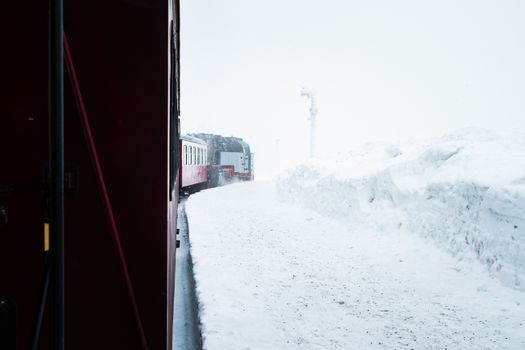
The Spectacle: You'll ascend onto the Hardangervidda, a vast, treeless mountain plateau that feels like another planet, especially in winter when it’s blanketed in snow. In summer, it’s a starkly beautiful landscape dotted with wildflowers. As you descend towards Bergen, the scenery transforms into lush valleys, cascading waterfalls, and glimpses of Norway's iconic fjords.
Insider Tip: Take a detour to the Flåm Railway, a steep and scenic branch line from Myrdal to Flåm that descends over 800 meters in just 20 kilometers, passing some of Norway's most spectacular waterfalls. Visit the Finse station, the highest point on the line, for a truly remote, high-altitude experience.
Quick Facts: Bergen Railway
- Estimated Cost ($): $80 - $150 (one-way, depending on class and booking time)
- Best Time to Visit: June-August for the best weather and accessibility on the plateau. September-October for stunning autumn colors. Winter (December-March) offers a magical snowy landscape but can be challenging.
- How to Get There: Trains run between Oslo Central Station and Bergen Station. Fly into Oslo Airport Gardermoen (OSL) or Bergen Airport Flesland (BGO).
5. The California Zephyr: America's Grand Scenic Traverse
For an iconic American rail experience, the California Zephyr is hard to beat. This Amtrak route runs between Chicago and Emeryville (near San Francisco), taking you across eight states and through some of the continent’s most diverse and stunning landscapes.
The Visual Feast: The journey begins in the Midwest plains, gradually giving way to the dramatic red rock deserts of Utah and Nevada, before ascending into the majestic Sierra Nevada mountains in California. You’ll witness the stark beauty of the Colorado Rockies, the vastness of the Great Plains, and the rugged grandeur of the Sierras, including Donner Pass.
Insider Tip: Book a "Roomette" or "Bedroom" for a private sleeping compartment and meals included in the dining car. This allows you to fully relax and enjoy the views without worrying about logistics. The sunrise over the Rockies is an absolute must-see. Be prepared for potential delays – this is part of the charm of long-distance American rail travel!
Quick Facts: California Zephyr
- Estimated Cost ($): $200 - $600+ (for coach seats, significantly more for sleeper accommodations)
- Best Time to Visit: Spring (April-May) for blooming wildflowers and pleasant temperatures. Autumn (September-October) for vibrant fall colors, especially in the Rockies.
- How to Get There: Departures from Chicago Union Station and Emeryville Station (San Francisco Bay Area). Fly into Chicago O'Hare (ORD) or San Francisco International (SFO).
Planning Your Scenic Rail Adventure: Pro-Tips from the Track
Embarking on a scenic train journey is about more than just buying a ticket. It's about optimizing your experience to truly soak in the magic.
- Book in Advance: Especially for popular routes and during peak seasons, tickets and accommodations can sell out months ahead.
- Choose Your Seat Wisely: Consider the direction of travel and the best side for views (as mentioned for the Glacier Express).
- Pack Smart: Bring layers, comfortable shoes, a good book, a journal, and a camera. Don't forget snacks and a reusable water bottle.
- Embrace the Pace: Train travel is slower. Use this as an opportunity to decompress, read, write, or simply watch the world go by.
- Engage with Fellow Travelers: The dining car and observation cars are great places to meet people from all walks of life.
- Download Offline Maps: While Wi-Fi is sometimes available, it can be spotty.
- Check for Sleeper Car Options: For multi-day journeys, a sleeper car can transform the experience, offering privacy and comfort.
- Be Flexible: Delays can happen. View them as unexpected opportunities to explore a station or town you might otherwise have missed.
The Verdict: Why the Train Still Reigns Supreme for Scenery
While the speed of air travel is undeniable, it often comes at the expense of truly experiencing the journey. Train travel, particularly on these scenic routes, offers a connection to the landscape, a sense of immersion, and a rhythm that flying simply cannot match. It’s a more mindful, more engaging way to see the world, turning transit time into an integral part of the adventure.
So, next time you're planning a trip, consider trading your boarding pass for a train ticket. You might just discover that the most breathtaking views aren't seen from above, but experienced from the gentle, rhythmic sway of a train, as the world unfolds before your very eyes.
---