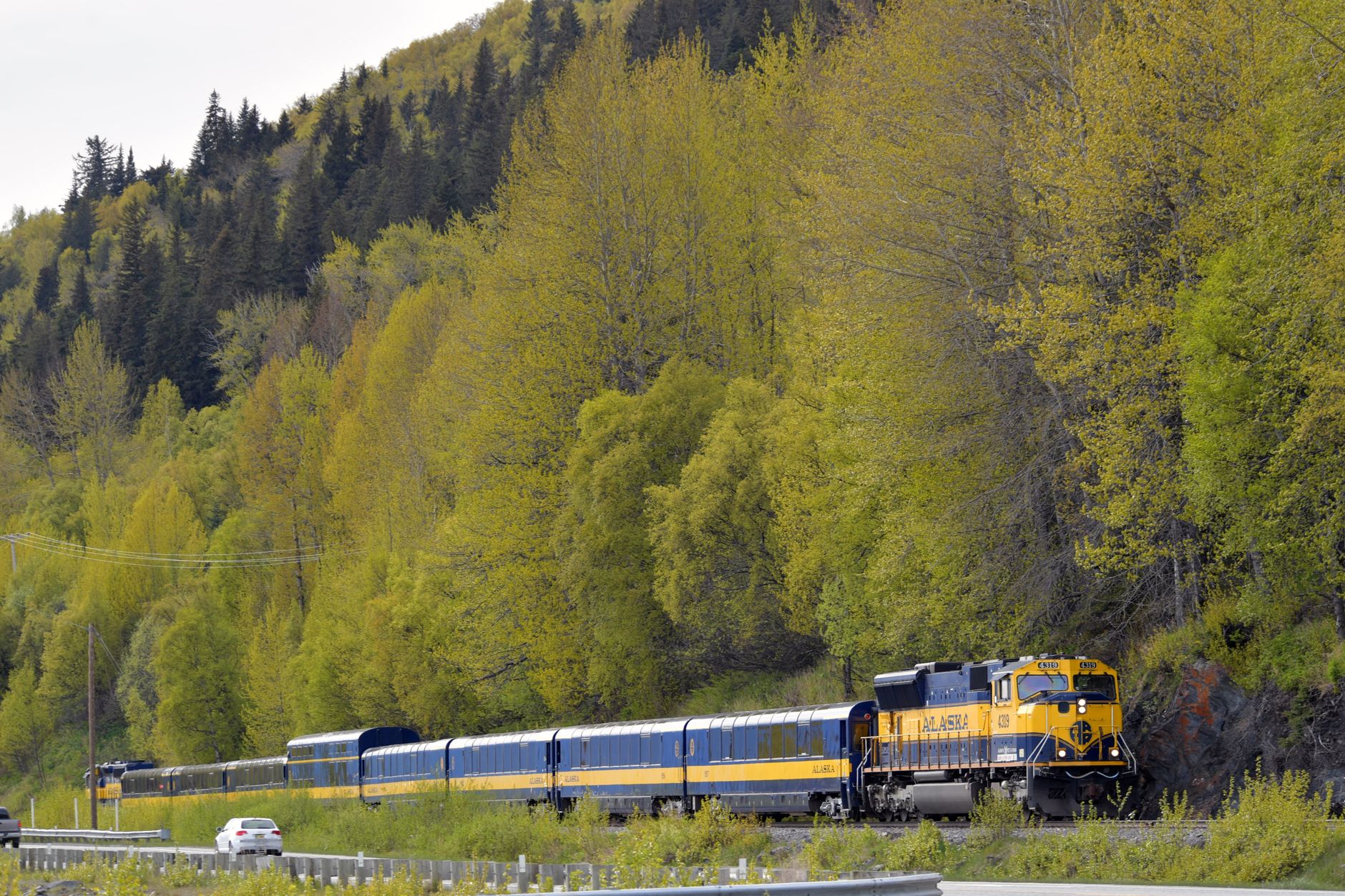
The Hook: Ditching the Boarding Gate for the Rails
I stepped off the train at Montreux and caught the sharp, unmistakable aroma of roasted chestnuts mingling with crisp alpine spray blowing off Lake Geneva. My pulse was steady—a biological impossibility had I just endured the fluorescent-lit purgatory of Geneva Airport’s terminal gates, the strip-search indignity of security bins, and thirty claustrophobic minutes tarmac-taxing in a pressurized tube.
Instead, four hours earlier, I had sunk into a heated, leather-clad Prestige seat, watched the golden terraced vineyards of Lavaux slide past my floor-to-ceiling panoramic window, and listened to the rhythmic, hypnotic shhh-clack of steel traversing precision-welded tracks. The flight from Zurich to Geneva takes 45 minutes on paper; door-to-door, it eats four hours of soul-grinding logistics. On the train, those four hours were filled with crisp Chasselas wine, hand-churned Gruyère, and sweeping views of turquoise glacial lakes.
Regional air travel has officially lost its charm. Skyrocketing short-haul airfares, brutal carbon footprints, and chronic ground delays have catalyzed a massive shift. Rail operators have responded with high-tech engineering marvels, reborn luxury sleepers, and remote corridors slicing through territories where runways can’t exist.
If you are plotting an itinerary this year, skip the departure lounge. These newly minted, redesigned, or finally linked rail odysseys don't just rival flying—they utterly annihilate it.
---
1. The Engineering Miracle: The GoldenPass Express (Switzerland)
For over a century, traversing the iconic route between the French Riviera of Switzerland (Montreux) and the jagged peaks of the Bernese Oberland (Interlaken) required changing trains because the rail track widths differed: meter gauge on one side, standard gauge on the other.
That logistical nuisance died with the launch of the GoldenPass Express (GPX). Engineers developed custom jumping bogies that physically adjust the wheel width and lift the train carriage height in seconds while gliding through Zweisimmen. You don't even have to put down your champagne glass.
``` Route: Montreux ➔ Gstaad ➔ Interlaken Ost Duration: 3 hours, 15 minutes The Aerial Alternative: Geneva to Bern regional hop (Soulless, misses the Simmental valley entirely) ```
The ascent out of Montreux offers dizzying, cinematic perspectives over Lake Geneva before tunneling into deep alpine meadows dotted with traditional chalets, limestone gorges, and snow-dusted spruce forests.
- Pro-Tip: Book the Prestige Class (limited to just nine seats per train) and specifically reserve Seat 12 or 14. These seats sit 40 centimeters higher than standard carriages, pivot 180 degrees to face your direction of choice, and offer heated cushions. Book at 8:00 AM Central European Time exactly 90 days out on the MOB (Montreux Oberland Bernois) rail portal; these seats disappear in minutes.
---
2. The Rainforest Corridor: The Revamped Eastern & Oriental Express (Malaysia)
Following a multi-year operational hiatus, Belmond’s Eastern & Oriental Express returned to the rails with completely reimagined itineraries and cherry-wood polished carriages that cut deep into the virgin jungles of Southeast Asia.
Rather than subjecting yourself to the utilitarian hop between Singapore’s Changi and Penang’s Bayan Lepas, this journey plunges through the heart of Peninsular Malaysia’s raw wilderness.
The "Wild Malaysia" Expedition
Departing Singapore’s Woodlands checkpoint, the train cuts through the limestone massifs of the interior toward Taman Negara National Park—a 130-million-year-old tropical rainforest home to clouded leopards, hornbills, and wild Asian elephants.
- The Vibe: Art Deco opulence meets colonial rail charm. Cabins are clad in intricate Jim Thompson silks and hand-carved teak paneling.
- The Sensory High: Stand in the open-air Observation Car at the tail end of the train around dusk. The dense, earthy smell of wet tropical earth and blooming wild ginger cuts through the warm equatorial breeze as the diesel engine winds deeper through towering dipterocarp canopies.
- Pro-Tip: Skip the standard champagne at the bar car and ask the bartender for their off-menu jungle-infused gin cocktail, made with locally harvested wild ginger flower (bunga kantan) and kaffir lime leaf.
---
3. The Red Rock Odyssey: Rocky Mountaineer's "Rockies to the Red Rocks" (USA)
Forget the bumper-to-bumper rental car slog on Interstate 70 or the turbulence-heavy commuter hop between Denver International Airport and Grand Junction. The Rocky Mountaineer’s newest American Southwest passage connects the high-altitude urban sprawl of the Mile High City directly to the slickrock canyons of Moab, Utah.
The glass-domed custom cars trace the path of the Colorado River, accessing backcountry wilderness areas where no paved highways run, including the colossal ruby-red walls of Ruby Canyon and the sheer granite cliffs of Byers Canyon.
Inside the SilverLeaf Plus Dome
The train runs purely during daylight hours so you miss none of the geological drama, docking overnight in Glenwood Springs, a historic hot-springs town once frequented by Doc Holliday.
- What to Eat: Seared Columbia River salmon, braised Colorado short ribs with rosemary demi-glace, and wines sourced entirely from Washington and Oregon micro-vineyards.
- Pro-Tip: Sit on the right side of the carriage when departing Denver (Westbound) to catch the best panoramic angles dropping through the Moffat Tunnel into the Continental Divide. Bring an analog polarization filter for your camera to cut the glare through the curved glass roof.
---
4. The Modern Sleeper Renaissance: Nightjet NextGen (Austria, Germany, Italy)
Sleeper trains used to mean snoring roommates, clunky spring mattresses, and shared corridor toilets that ran out of water by 6:00 AM. Enter the ÖBB Nightjet NextGen, Austrian Federal Railways' billion-euro masterclass in making budget European flights obsolete.
Debuting on marquee routes like Vienna–Hamburg and Munich–Rome, these space-age trains feature dedicated "Mini Cabins"—private, lockable sleep pods designed for solo travelers that look like something straight out of a Kyoto capsule hotel.
- The Mini Cabin Lowdown: Each pod contains an integrated touchscreen display controlling ambient mood lighting, wireless induction charging stations, sliding privacy doors, shoe lockers, and mirrors. You glide through the Bavarian Alps or the Austrian countryside while asleep under clean cotton sheets.
- The Environmental Math: Flying Berlin to Vienna emits roughly 180 kilograms of CO2 per passenger. The Nightjet emits less than 15 kilograms per traveler while saving you the cost of a high-priced city hotel night.
- Pro-Tip: Don't book through third-party aggregators, which routinely mislabel cabin classifications. Use the native ÖBB app, choose "Nightjet NextGen," and select an upper-tier pod (Pods 21–28) for maximum ceiling clearance and minimized wheel noise over switch points.
---
5. The Savannah Safari Express: The Madaraka Line (Kenya)
Few travelers realize that one of the planet's greatest wildlife-viewing experiences is now accessible on a scheduled public train for less than the price of an airport burger.
The standard-gauge Madaraka Express slices between the high-elevation chaos of Nairobi and the Indian Ocean coastal hub of Mombasa. Instead of wrestling with domestic flight checkpoints at Wilson Airport or braving the harrowing, truck-clogged asphalt of the Mombasa Road, you can gaze out through tempered glass at East Africa's premier wildlife sanctuary.
``` Route: Nairobi Terminus ➔ Mombasa Terminus Distance: 472 kilometers Travel Time: 4 hours, 45 minutes (First Class) Cost: ~$25 - $35 USD ```
The tracks are raised on massive concrete viaducts designed to allow wildlife to migrate uninhibited underneath. As the train crosses Tsavo East and Tsavo West National Parks, passengers routinely spot herds of red-dust elephants, giraffes stripping acacia trees, ostriches sprinting across the plains, and Cape buffalo bathing in watering holes alongside the tracks.
- Pro-Tip: Secure a window seat on the left side of First Class (seats 4A through 12A) on the morning 8:00 AM outbound train from Nairobi. The left-side vantage catches the rising sun cresting behind the volcanic silhouettes of the Chyulu Hills and provides the clearest sightlines into the Tsavo watering holes.
---
6. The Jungle Coast Odyssey: The Tren Maya (Mexico)
Controversial in its construction, stunning in its execution, the newly opened sections of Mexico's Tren Maya unlock southeastern Mexico's deep Mayan heartland in a way that domestic air travel never could.
Rather than taking expensive, bumpy charter flights between Cancún, Mérida, and the interior archaeological hubs, the Tren Maya links five states (Chiapas, Tabasco, Campeche, Yucatán, and Quintana Roo) across roughly 1,500 kilometers of tracks.
The route glides directly through dense selva (low jungle), stopping near long-inaccessible ancient sites like Calakmul and Palenque. The Xiinbal standard carriages feature massive picture windows, while the luxury P'atal long-distance units offer private dining rooms serving local regional culinary icons: cochinita pibil, slow-roasted pork steeped in bitter Seville orange juice and ground annatto seed, folded into hand-pressed corn tortillas.
- Pro-Tip: Disembark at the Izamal stop. Known as the "Yellow City," this colonial town has every building coated in bright mustard-gold paint. Skipping the direct beach sprint to Tulum via charter flight to experience this inland enclave via rail is an unmatched cultural detour.
---
Quick Facts & Budget Logistics
| Train Journey | Route | Transit Time | Starting Cost (USD) | Best Season to Ride | The Major Advantage Over Flying | | :--- | :--- | :--- | :--- | :--- | :--- | | GoldenPass Express | Montreux ➔ Interlaken (CH) | 3h 15m | $65 (Pass upgrade: $35) | May–October / Jan–Feb | Center-to-center; passes through car-free alpine valleys. | | Eastern & Oriental | Singapore ➔ Malaysia return | 3–4 Days | $3,400+ (All-inclusive) | November–March | Accesses interior old-growth rainforest with zero roads. | | Rocky Mountaineer | Denver ➔ Moab (USA) | 2 Days (Daylight only) | $1,550+ | September–October | Direct river canyon sightlines inaccessible by road or air. | | Nightjet NextGen | Vienna ➔ Hamburg (EU) | 11h 30m (Overnight) | $45 (Pod) / $110 (Cabin) | Year-round | Replaces both a 2-hour flight and a $200 hotel room. | | Madaraka Express | Nairobi ➔ Mombasa (KE) | 4h 45m | $10 (Economy) / $25 (First) | July–October / Dec–Feb | Elevated safari views across Tsavo National Park plains. | | Tren Maya | Cancún ➔ Palenque (MX) | Segmented (Whole line: ~10h)| $30 - $90 (Class-dependent)| November–April | Direct rail artery to deep interior Mayan ruins. |
---
How to Book Like an Insider
The world of rail bookings does not mirror the commercial airline ecosystem. Google Flights won't save you here, and third-party aggregators routinely add 20–30% markups without displaying accurate seat maps. Use these core strategies:
- The Direct Operator Golden Rule: Always book directly through national rail carriers (SBB for Switzerland, ÖBB for Austria/Germany, Madaraka/KRC for Kenya, FONATUR portals for Tren Maya). You unlock accurate seat-selection maps and receive real-time SMS disruption alerts.
- The 90-to-180 Day Window: Unlike flights, which often drop prices last minute to dump inventory, rail platforms release their cheapest tier tickets (like the German/Austrian Sparpreis fares) precisely 90 or 180 days ahead. Set calendar reminders for these release gates.
- The Split-Ticketing Hack: If booking longer multi-stop European itineraries that combine domestic legs with high-speed lines, use rail specialized platforms like Seat61 for route logic and The Trainline exclusively to identify timetable junctions—then verify and purchase the segments directly on native platforms to prevent missed-connection liability.
Air travel has stripped the journey of romance, turning movement into an endurance test between sterile concourses.
When you travel by rail, arrival is no longer the sole objective; the journey becomes the definitive memory of the trip itself. Put the phone on airplane mode, claim your window seat, order an espresso, and let the landscape reclaim its rightful place as the main event.