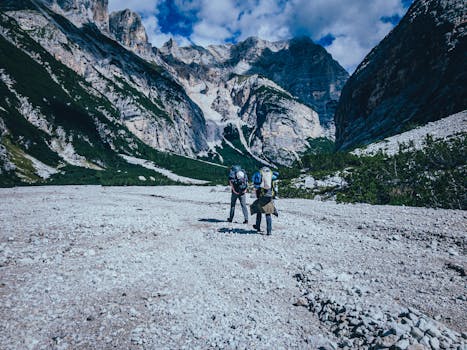
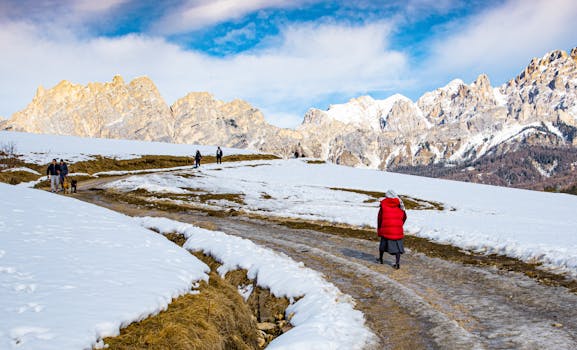
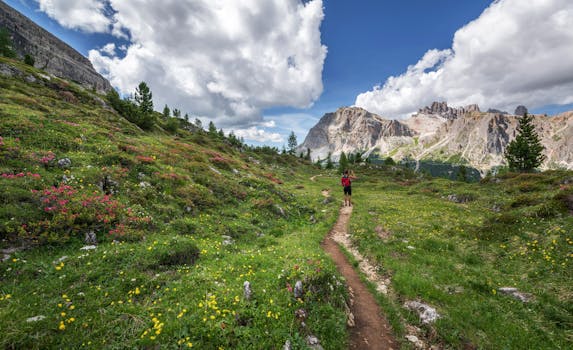
A walking holiday lets you travel slowly through a landscape, stopping in villages, sampling local food and seeing terrain that is hard to appreciate from a car or train window. Many of the most popular routes are long-distance trails that pass through mountains, coastlines, river valleys or historic countryside. Some are self-guided, with accommodation and luggage transport arranged in advance, while others are led by guides. The format suits people who enjoy steady exercise and want a clear daily rhythm. This guide describes how to choose a route, plan the logistics and prepare for the physical and practical demands of walking over several days.
Choosing a Route and Its Character
Begin by deciding what kind of scenery and difficulty you want. Long-distance routes differ widely. Some follow gentle valleys with frequent villages and short stages, while others cross high passes with long days and fewer services. Look at the total distance, the typical daily distance, the total ascent and the number of days you have available. A useful rule is to choose a route with daily stages that match your current fitness rather than your ambitions, since fatigue can turn an enjoyable walk into a difficult one.
Consider whether you want a loop or a point-to-point route. Loops return you to your starting point, which simplifies transport. Point-to-point routes require transfers at the start and end, but they often pass through more varied landscapes. Many well-known routes, including those in the Alps, the British Isles and parts of Spain and Portugal, are waymarked and supported by local infrastructure, though standards vary.
Logistics: Accommodation, Transfers and Luggage
Self-guided walking holidays commonly include booked accommodation for each night and a luggage transfer service, which moves your bag to the next stop while you walk with a day pack. This arrangement makes the walk far more comfortable, but it requires advance planning. Book accommodation early during peak seasons, and confirm whether rooms include breakfast or evening meals. Some villages have only a few beds, so cancelling or changing plans can be difficult.
Check how luggage transfers work, including weight limits, deadlines for dropping bags and what happens if a bag fails to arrive. Confirm whether transfers operate on all days of the route, and whether there are gaps where you need to carry your bag. Public transport to trailheads and from endpoints may run less frequently outside the main season, so build in extra time.
Navigation, Waymarking and Route Information
Most long-distance routes are waymarked with signs, painted symbols or markers on posts and rocks. Waymarks are helpful, but they can be missed in poor visibility or where paths cross, so carry a map and a navigation app with offline capability. Route guidebooks often include detailed notes on each stage, including water points, shops and the best places to stop. Download updated route information before you leave, since diversions and closures happen, especially after storms or landslides.
Keep your phone charged and carry a backup battery, because navigation apps use considerable power. In remote sections, mobile coverage can be limited, so plan a point where you can check in or reroute if needed.
Fitness, Gear and Pacing
Walking holidays do not usually require technical skill, but they do demand stamina. Build your fitness in the months before departure with regular walks, ideally with some hills and with a loaded day pack. Break in your boots or shoes well in advance to avoid blisters. Choose a daypack that is comfortable and carries water, snacks, rain gear and warm layers. Carry enough water for the stage, and know where refills are available.
Pace yourself. A realistic daily target allows time for photographs, lunch and rest, and it reduces the risk of injury. Many walkers find that stopping earlier than planned, to explore a village or sit by a view, is one of the best parts of the trip. Trekking poles can help on descents and uneven ground, particularly for people with knee problems.
Seasonal Conditions and Safety
Season shapes almost every aspect of a walking holiday. Spring and autumn are often cooler and quieter, though weather can be unsettled. Summer can bring heat, and high routes may have snow patches into early summer. Winter conditions can make many mountain routes impractical. Check current trail conditions with local tourism offices, national park authorities or walking associations before departure.
Weather can change quickly in mountains and on exposed coasts. Read forecasts for each day, carry waterproofs and avoid high ridges during thunderstorms. Let someone know your route and expected finish times, and carry a basic first-aid kit. If you feel unwell or the weather deteriorates, use the official escape options that many routes publish, rather than pushing on.
Respecting Places and Communities
Long-distance routes pass through villages, farmland and protected habitats. Stay on the marked path, close gates behind you, keep dogs under control where required and avoid disturbing livestock or wildlife. Buy food and drink locally where possible, and be considerate in small communities that may not have large tourist facilities. Carry out all rubbish, and use toilets provided or follow local guidance on sanitation.
Practical tips
Research the route thoroughly at least a few months in advance, and confirm accommodation and transfers. Keep a printed or downloaded copy of your itinerary and contact details for each stop. Pack light, since every kilogram adds to fatigue, and keep valuables with you. Wear layers, sun protection and a warm top for mornings and evenings. Check the last transport options at the end of each stage, in case you need to shorten a day. Allow a rest day in longer itineraries if you can, to recover and reconsider the weather.
Walking holidays through famous landscapes offer a rewarding way to experience a region at human speed. Careful choice of route, realistic daily distances and attention to logistics and conditions turn a long walk into a manageable and enjoyable journey. The landscape rewards patience, and the best days often come from slowing down to notice what is around you.