"Europe for under $50 a day? You must be dreaming!"
That's the exact response I got from my friends when I first floated the idea. They pictured Parisian cafes, Roman trattorias, and high-speed trains – all delightful, yes, but certainly not budget-friendly. I, too, had my doubts. My first solo trip to Europe felt like a monumental financial undertaking, a distant dream reserved for lottery winners or trust fund babies.
But then, something shifted. I stumbled upon a blog post, much like this one, that promised the impossible. Intrigued and a little skeptical, I decided to put it to the test. I packed my trusty backpack, armed myself with a spreadsheet, and set off for Eastern Europe with a strict daily budget of $50 (roughly €45-€48 at the time).
What happened next blew my mind. I didn't just survive; I thrived. I ate incredible food, stayed in charming places, saw breathtaking sights, and met unforgettable people. I navigated bustling cities, hiked dramatic mountains, and swam in crystal-clear lakes. And yes, I did it all for under $50 a day.
This isn't about sacrificing joy for savings; it's about smart, intentional travel that maximizes your experience without emptying your wallet. It's about discovering the authentic heart of Europe, far beyond the tourist traps. If you're ready to ditch the debt and embrace adventure, keep reading. Your mind (and your bank account) are about to be seriously impressed.
---
1. The Accommodation Revolution: Where to Rest Your Head for Pennies
Accommodation is often the biggest budget killer, but it doesn't have to be. Forget boutique hotels; we're talking about smart sleeping solutions that leave more money for experiences.
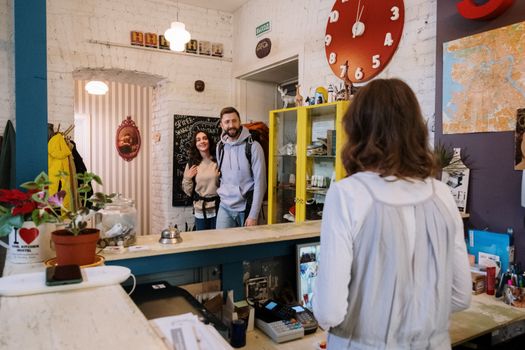
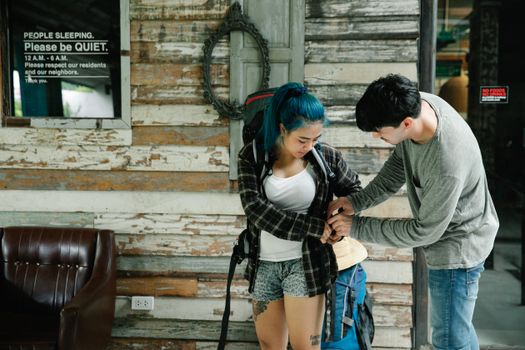
Hostels: Your Social & Budget Sanctuary Hostels are the undisputed champions of budget accommodation. But forget the dingy, overcrowded stereotypes. Modern hostels are often vibrant, clean, and offer incredible amenities. Many even have private rooms if you need a break from dorm life, often still cheaper than a hotel.
- My Experience: In Krakow, Poland, I snagged a bed in a highly-rated hostel right in the Old Town for just €12 a night. It had a fantastic common area, a fully equipped kitchen, and free walking tours. In Lisbon, I paid €18 for a bed in a super trendy hostel with ocean views and a free breakfast.
- Actionable Tip: Look for hostels with kitchens! This is a game-changer for saving on food. Read reviews carefully, prioritizing those that mention cleanliness, security, and a good atmosphere. Hostelworld and Booking.com are your best friends.
Couchsurfing: The Ultimate Cultural Exchange (and Free Stay) If you're open to meeting locals and immersing yourself in culture, Couchsurfing is an incredible platform. You stay on someone's couch (or spare room) for free. It’s not just about saving money; it’s about genuine connection and seeing a city through a local's eyes.
- My Experience: I Couchsurfed in Seville, Spain, for three nights. My host, Maria, not only gave me a comfortable place to sleep but also took me to her favorite tapas bar (where I learned to order like a local!) and shared insights no guidebook could offer. It was an invaluable experience that cost me nothing but a thank-you gift (a small souvenir from my previous stop).
- Actionable Tip: Create a detailed profile, write personalized requests, and always prioritize safety. Read host reviews thoroughly. Offer to cook a meal or help with chores to show your appreciation.
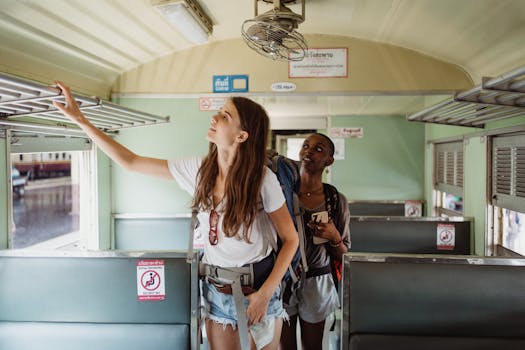
Overnight Transport: Kill Two Birds with One Euro Why pay for a bed when you can sleep while you travel? Overnight buses and trains are fantastic for covering long distances and saving on a night's accommodation.
- My Experience: I took an overnight bus from Budapest to Belgrade, Serbia, which cost me about €25. I slept (mostly) through the night, arrived refreshed-ish, and saved myself a hostel night. It's not glamorous, but it's efficient!
- Actionable Tip: Pack an eye mask, earplugs, and a travel pillow. Book in advance for the best prices, especially on popular routes. FlixBus and Eurolines are great options for buses.
---
2. Feasting Like a Local (on a Budget): Savoring Europe for Less
Food is one of the greatest joys of travel, and thankfully, you don't need a Michelin-star budget to eat like a king (or queen) in Europe.
The Supermarket Secret: Your Daily Culinary Adventure This is probably my number one budget food hack. Local supermarkets are treasure troves of delicious, affordable produce, baked goods, cheeses, and ready-to-eat meals.
- My Experience: My daily routine in Rome involved a morning trip to a local supermercato. For under €5, I'd buy fresh bread, local cheese, prosciutto, and fruit for breakfast and lunch. I'd then have a picnic overlooking the Colosseum or by the Tiber River. Pure bliss, minimal cost. In Portugal, I discovered incredible pastries for less than €1 each.
- Actionable Tip: Prioritize hostels with kitchens. Buy ingredients to cook simple meals like pasta, omelets, or stir-fries. This significantly cuts down costs, especially for dinner. Look for local markets (like La Boqueria in Barcelona, though that's more touristy, smaller local markets are better) for fresh, seasonal deals.
Street Food & Local Eateries: Authentic Flavors, Wallet-Friendly Prices Forget fancy restaurants. The real taste of Europe is often found on the streets or in unassuming local joints.
- My Experience: In Sarajevo, Bosnia & Herzegovina, I devoured the most incredible ćevapi (grilled minced meat served in flatbread) for about €4. In Naples, Italy, a piping hot, authentic Margherita pizza cost me €5. In Berlin, a delicious currywurst was around €3.50. These weren't just meals; they were cultural experiences.
- Actionable Tip: Ask locals where they eat. Avoid places with menus in multiple languages or pictures of food. Look for bustling spots filled with locals. Don't be afraid to try local specialties from food stalls.
Picnics: The Quintessential European Experience Combine your supermarket finds with a beautiful view, and you have an unforgettable, budget-friendly meal.
- My Experience: One evening in Paris, instead of a pricey restaurant, my travel buddy and I bought a baguette, some brie, grapes, and a bottle of cheap local wine. We sat by the Seine, watched the Eiffel Tower sparkle, and had a meal that felt more magical than any expensive dinner. Total cost for two: under €15.
- Actionable Tip: Always carry a reusable bag for your market purchases. Find a scenic spot – a park, a riverbank, a piazza – and soak in the atmosphere.
---
3. Navigating Europe on a Dime: Getting Around Without Breaking the Bank
Europe's transport network is extensive, and while high-speed trains can be pricey, there are plenty of affordable alternatives.
Your Own Two Feet: The Best Way to Explore Walking is not only free but also the best way to truly discover a city. You stumble upon hidden alleys, charming cafes, and unexpected street art that you'd miss on a bus or metro.
- My Experience: I walked everywhere in Florence, Italy, covering miles each day. I discovered artisan workshops, local gelaterias, and breathtaking viewpoints that weren't in my guidebook. My feet ached, but my heart (and wallet) were full.
- Actionable Tip: Wear comfortable shoes! Download offline maps (Google Maps, Maps.me) to navigate without using data.
Public Transport: Master the Metro, Tram, and Bus Most European cities have excellent public transport systems. Day passes or multi-day tickets are often cheaper than individual rides.
- My Experience: In Budapest, I bought a 72-hour public transport pass for about €10. It gave me unlimited access to trams, buses, and the metro, saving me money and hassle while exploring the city's diverse districts.
- Actionable Tip: Research city passes before you arrive. Sometimes, a single ticket for a few rides is enough, but if you plan on exploring widely, a day or multi-day pass is usually more economical. Always validate your ticket!
Intercity Buses: The Unsung Heroes of Budget Travel For travel between cities and even countries, long-distance buses are significantly cheaper than trains or flights.
- My Experience: I routinely used FlixBus throughout my budget trip. A journey from Berlin to Prague cost me a mere €15. From Ljubljana, Slovenia, to Zagreb, Croatia, it was about €10. They're comfortable enough, often have Wi-Fi, and are incredibly efficient for the price.
- Actionable Tip: Book in advance for the best fares. FlixBus, Eurolines, and local bus companies are your go-to. Compare prices across different platforms.
Ride-Sharing & Carpooling: BlaBlaCar For specific routes, especially in Western Europe, BlaBlaCar can be a fantastic option. You share a ride with a local going the same way, splitting fuel costs.
- My Experience: I used BlaBlaCar to get from Nice to Marseille in France. It was cheaper than the train, and I had a great conversation with my driver, practicing my (terrible) French.
- Actionable Tip: Check driver reviews and ratings. It's a great way to meet locals and save money.
---
4. Free & Fabulous Activities: Experiences That Don't Cost a Cent
You don't need to pay for every attraction to have an incredible European adventure. Many of the best experiences are absolutely free.
Free Walking Tours: Insights from a Local These are a fantastic way to get acquainted with a city, learn its history, and get local tips. They're "free" in that you don't pay upfront, but you must tip your guide at the end (usually €5-€10, depending on the tour quality and your budget).
- My Experience: I did a free walking tour in Berlin that covered everything from the Brandenburg Gate to the remnants of the Berlin Wall. Our guide was incredibly passionate and gave us amazing recommendations for budget-friendly eats and hidden bars.
- Actionable Tip: Look for "Free Walking Tour" companies in major cities. They often meet in central squares. Always tip your guide, as this is how they make their living.
Parks, Piazzas & People-Watching: Soaking in the Atmosphere Europe is dotted with stunning parks, lively squares, and picturesque public spaces. These are perfect for relaxing, reading, and simply watching the world go by.
- My Experience: Hours slipped away in Park Güell (outside the paid section) in Barcelona, simply marveling at Gaudi's genius and the city views. In Rome, I spent a blissful afternoon in Villa Borghese, just enjoying the green space and watching local families. In any Italian piazza, grabbing a free bench and people-watching with a gelato in hand is an art form.
- Actionable Tip: Pack a book, a journal, or simply your curiosity. These moments of quiet observation are often the most memorable.
Museums & Galleries: Seek Out Free Entry Days or Collections Many world-class museums in Europe have free permanent collections or offer free entry on specific days or evenings.
- My Experience: The British Museum in London, the Rijksmuseum in Amsterdam (its beautiful gardens and parts of its collection are free to explore from the outside), and many smaller galleries in European cities often have free access. I always research "free museums [city name]" before I arrive.
- Actionable Tip: Check museum websites for free entry days, student discounts (always carry your student ID if you have one!), or free permanent exhibitions.
Hiking & Nature: Embrace the Outdoors Europe's natural beauty is immense, and many stunning landscapes can be explored for free or for a minimal cost.
- My Experience: The hikes around Kotor in Montenegro offered some of the most spectacular views I've ever seen, costing nothing but my effort. Even in major cities, finding a hill or a viewpoint for a sunset panorama is usually free.
- Actionable Tip: Research national parks or scenic trails near your destinations. Pack appropriate gear (water, snacks, good shoes).
---
5. Destination Deep Dive: Where Your Dollar Stretches Furthest
While it's possible to travel Western Europe on a budget, your $50 will go significantly further in certain regions.
Eastern Europe: The Budget Traveler's Paradise This is where my $50 a day budget truly shone. Countries like Poland, Hungary, Czech Republic (though Prague is getting pricier), and the Baltic States offer incredible value.
- My Experience: In Poland, cities like Krakow and Warsaw offered hostels for €10-€15, delicious pierogi for €3-€5, and cheap public transport. Budapest, Hungary, was a dream with its stunning architecture, thermal baths (a splurge at €20-€30, but worth it!), and affordable food. I could easily keep my daily spend to $40-45 here, leaving room for a splurge or two.
- Specifics:
- Poland (Krakow, Warsaw, Gdansk): Hostels €10-€18, meals €5-€10.
- Hungary (Budapest): Hostels €12-€20, meals €6-€12.
- Czech Republic (Prague - use caution): Hostels €15-€25, meals €8-€15. Consider Brno or Olomouc for even better value.
The Balkans: Europe's Hidden Gem (and Best Value) If you want to feel truly rich on $50 a day, head to the Balkans. Bosnia & Herzegovina, Serbia, Albania, Montenegro, and parts of Croatia (away from the coast) are incredibly affordable and offer unique cultural experiences.
- My Experience: My time in Sarajevo, Bosnia & Herzegovina, felt like a luxury trip on my budget. Hostels were €8-€12, incredible food was €3-€6, and local coffee was €1. Belgrade, Serbia, offered vibrant nightlife and delicious food at equally low prices. In Montenegro, the stunning Bay of Kotor offered breathtaking views and cheap local eats.
- Specifics:
- Bosnia & Herzegovina (Sarajevo, Mostar): Hostels €8-€15, meals €3-€7.
- Serbia (Belgrade): Hostels €10-€18, meals €4-€8.
- Albania (Tirana, Gjirokaster): Hostels €8-€15, meals €3-€7.
- Montenegro (Kotor, Budva): Hostels €10-€20, meals €5-€10 (coastal areas can be slightly higher).
Southern Europe (Selectively): Portugal & Parts of Spain While Italy and France can be challenging, Portugal and certain regions of Spain (like Andalusia) still offer good value, especially outside of peak season.
- My Experience: Lisbon and Porto in Portugal offered beautiful hostels for €15-€25, and delicious pastel de nata for €1. Tapas in Seville, Spain, could be enjoyed for €2-€4 a plate, making a full meal quite affordable.
- Specifics:
- Portugal (Lisbon, Porto): Hostels €15-€25, meals €7-€15.
- Spain (Andalusia - Seville, Granada): Hostels €15-€25, tapas €2-€4 per plate.
---
6. The Budget Mindset & Smart Money Hacks
Traveling cheap isn't just about finding deals; it's about a conscious mindset and smart financial habits.
Track Your Expenses Religiously: This is non-negotiable. Knowing where your money goes is the first step to controlling it.
- Actionable Tip: Use a simple spreadsheet or a budget app like Splitwise or TravelSpend. Update it daily. This helps you identify where you're overspending and adjust.
Travel in the Shoulder Season (or Off-Season): Avoid peak summer (July-August) and major holidays. Prices for flights, accommodation, and even some activities skyrocket.
- My Experience: My first budget trip was in May and early June, and then again in September. The weather was fantastic, crowds were smaller, and prices were noticeably lower.
- Actionable Tip: Aim for April-May or September-October. You'll get better weather, fewer crowds, and cheaper everything.
Say No to FOMO (Fear Of Missing Out): You don't need to do everything. Prioritize experiences that genuinely interest you and fit your budget.
- My Experience: I skipped some expensive guided tours in favor of exploring on my own or joining free walking tours. I didn't feel like I missed out; instead, I felt like I had a more authentic experience.
- Actionable Tip: Research free alternatives for popular attractions. Is there a free viewpoint instead of a paid tower? Can you hike instead of taking a cable car?
Use a Travel-Friendly Bank Card: Avoid foreign transaction fees and ATM withdrawal fees.
- Actionable Tip: Get a debit card from a bank that doesn't charge foreign transaction fees and reimburses ATM fees (like Revolut, N26, or specific credit union cards depending on your home country). Always withdraw larger sums to minimize transaction fees. When paying by card, always choose to be charged in the local currency (e.g., Euros, not USD) to get the best exchange rate.
Embrace Flexibility: Sometimes the cheapest option requires a bit more time or a less direct route. Be open to it!
- My Experience: A slightly longer bus journey or an extra transfer often saved me a significant amount of money compared to a direct flight or train.
- Actionable Tip: Don't be rigid with your itinerary. Allow for spontaneous changes if a cheaper opportunity arises.
---
The Mind-Blowing Reality: It's Not Just Possible, It's Incredible!
Traveling Europe for under $50 a day isn't about deprivation; it's about smart choices, authentic experiences, and discovering a different side of this incredible continent. It's about the joy of a picnic by a historic landmark, the thrill of a free walking tour revealing hidden stories, the warmth of connecting with locals through Couchsurfing, and the deliciousness of a €4 street food meal.
My budget trip to Europe was not just affordable; it was one of the most enriching and memorable journeys of my life. It taught me resourcefulness, adaptability, and the true value of experiences over possessions. It showed me that the biggest adventures often come with the smallest price tags.
So, are you ready to blow your mind and embark on your own epic, budget-friendly European adventure? Start planning, start saving, and get ready to redefine what's possible.
What are your best budget Europe tips? Share them in the comments below – let's inspire each other to travel smarter!
---