Shhh! Summer Mountain Escapes Locals Don't Want You to Know
There’s a secret I’ve been holding onto, one that’s been whispered among fellow adventurers, passed down through serendipitous encounters with wise old hikers, and guarded fiercely by the very communities who call these places home. It’s the secret of the other mountain destinations – the ones that don’t grace the covers of glossy travel magazines, the ones you won’t find plastered across every influencer’s Instagram feed, and most importantly, the ones that offer an unparalleled summer escape free from the maddening crowds.
I remember my first "aha!" moment. It was a scorching August in Europe, and I, like thousands of others, was trying to find solace in the Alps. But every iconic trail was a human conveyor belt, every picturesque village overflowing. Frustrated, I struck up a conversation with an elderly innkeeper in a tiny Austrian village. He saw the desperation in my eyes and, with a knowing wink, scribbled a name on a napkin: "Vent Valley." He told me to go "past Sölden, then just keep driving until the road ends, and then walk." No grand pronouncements, just a quiet invitation to a place few tourists bothered to find.
What I discovered there wasn't just a valley; it was a sanctuary. Pristine glaciers, emerald lakes reflecting jagged peaks, and trails where the only sounds were the wind, my own footsteps, and the distant clang of cowbells. I spent days hiking, eating hearty Tyrolean fare in tiny huts, and chatting with local farmers, feeling a connection to the mountains I’d never experienced before. That trip changed how I travel forever.
This isn’t about discouraging anyone from visiting the classics – Banff, Zermatt, Lauterbrunnen are stunning for a reason. But for those of us who yearn for solitude, authentic experiences, and the thrill of discovery, there’s a whole world of mountain magic waiting to be unearthed. And today, I’m going to let you in on some of those secrets.
The Alpine Whisper: Unveiling the Valle di Anterselva, Dolomites, Italy
The Dolomites are a UNESCO World Heritage site, and rightly so. Their vertical walls, turquoise lakes, and dramatic spires are breathtaking. But while places like Cortina d'Ampezzo and Val Gardena buzz with activity, there are valleys where time seems to slow down, and the grandeur of the mountains feels intimately yours. One such place is the Valle di Anterselva (Antholzertal), nestled in South Tyrol, close to the Austrian border.
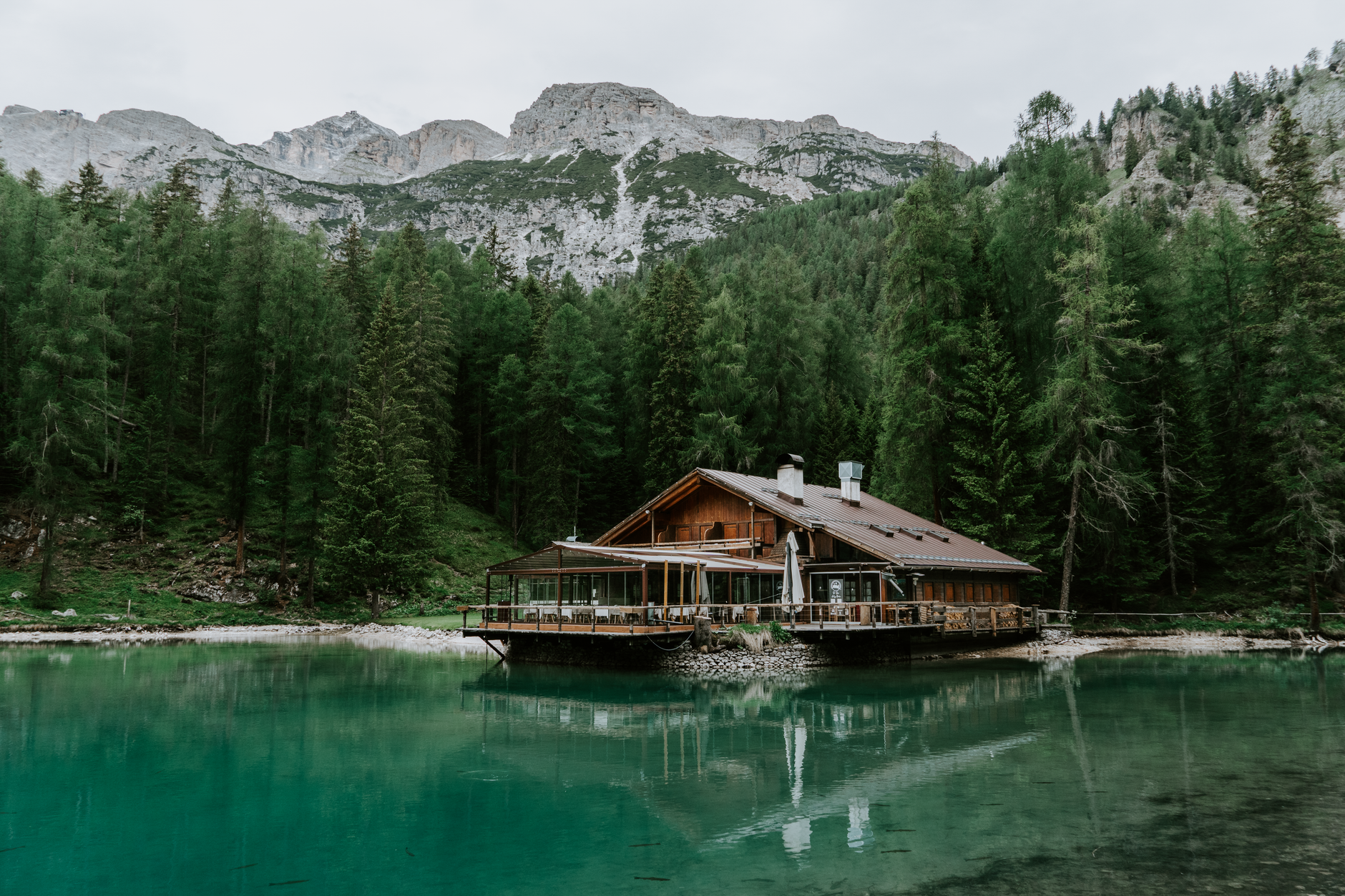
I stumbled upon Anterselva purely by chance, looking for a quieter base after feeling overwhelmed in a more popular Dolomite town. What I found was a haven. The valley is home to the stunning Lake Anterselva (Lago di Anterselva), a deep emerald gem surrounded by dense forests and the towering peaks of the Rieserferner-Ahrn Nature Park. Unlike the bustling Lago di Braies, Anterselva offers tranquility. You can rent a rowboat for a few euros and glide across its surface, feeling like you have the entire lake to yourself.
Why locals love it (and don't tell tourists): It’s a year-round playground for them. In summer, the trails are less trafficked, leading to alpine pastures dotted with wildflowers and cozy malghe (alpine huts) serving homemade cheeses and speck. The biathlon center is a big draw for sports enthusiasts, but it doesn't attract the mass tourism of other areas. It's truly a place for slow travel.
My personal anecdote: One crisp morning, I hiked up to the Staller Saddle (Passo Stalle), a mountain pass connecting Italy to Austria, and then veered off onto a lesser-known trail. I spent hours alone, surrounded by marmots whistling their warnings and chamois gracefully navigating the rocky slopes. Later, I stopped at a tiny rifugio where the owner, a weathered woman named Maria, served me the best Kaiserschmarrn (shredded pancake) I’ve ever tasted, along with a glass of locally made elderflower syrup. It was just us, the mountains, and the scent of pine. Pure bliss.
Practical Tips & Details:
- Getting There: Fly into Innsbruck (Austria) or Venice/Verona (Italy), then rent a car. It's essential for exploring the valley properly. Public transport is available but less flexible.
- Accommodation: Look for charming family-run guesthouses (Gasthof/Pensione) or farm stays (Agriturismo) in villages like Rasen-Antholz. Prices range from €60-€120 per night for a double room with breakfast.
- Must-Do: Hike around Lake Anterselva, explore the trails leading to the Staller Saddle, visit the Biathlon Center (even if you're not a fan, the setting is stunning), and definitely seek out a local malga for lunch.
- Instagram Moment: The reflection of the mountains on Lake Anterselva at sunrise or sunset. Use #ValleDiAnterselva or #Antholzertal.
North American Wilderness Whisper: The Wallowa Mountains, Oregon, USA
When people think of mountains in the Pacific Northwest, their minds often jump to the Cascades, Mount Rainier, or perhaps even the Rockies. But tucked away in northeastern Oregon are the Wallowa Mountains, often called "The Alps of Oregon." This stunning range, part of the Eagle Cap Wilderness, offers a truly rugged, remote, and breathtaking experience that rivals many national parks, yet sees a fraction of the visitors.
I first heard about the Wallowas from a grizzled old climber in Bend, Oregon. He spoke of glacial lakes, granite peaks, and trails that stretched for days without seeing another soul. Intrigued, I packed my bags and headed east. The drive itself is part of the adventure, passing through rolling farmlands before the mountains suddenly erupt from the plains.
Why locals love it (and don't tell tourists): It’s a pristine wilderness area, protected from overdevelopment. The sheer effort required to get there (it's not near a major city) naturally filters out casual tourists. Locals cherish the solitude, the abundant wildlife (elk, deer, bears, mountain goats), and the incredible fishing in its countless lakes and streams.
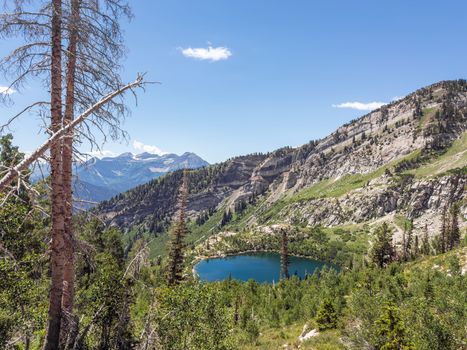
My personal anecdote: My most vivid memory is a backpacking trip to Ice Lake. The ascent was challenging, but the reward was indescribable. The lake, a deep sapphire, was cradled by towering granite cirques, with remnants of snowfields even in July. I spent a night under a sky so thick with stars it felt like I could reach out and touch the Milky Way. I saw only one other group of hikers the entire time. The silence was profound, broken only by the chirping of pikas and the splash of trout. It felt like I had stepped into a postcard that hadn't been discovered yet.
Practical Tips & Details:
- Getting There: Fly into Boise, Idaho (BOI) or Portland, Oregon (PDX) and rent a car. It's a 4-5 hour drive to the gateway town of Joseph, Oregon.
- Accommodation: Joseph offers charming B&Bs, cabins, and vacation rentals. Expect to pay $100-$250 per night. For a true wilderness experience, plan a multi-day backpacking trip into the Eagle Cap Wilderness (permits required, check with the Forest Service).
- Must-Do: Take the Wallowa Lake Tramway for incredible views, then hike into the wilderness. Backpacking to Ice Lake or the Lakes Basin is legendary. Explore the charming town of Joseph, known for its bronze foundries and art galleries.
- Instagram Moment: The reflection of the peaks on Ice Lake or any of the hundreds of other alpine lakes. Use #WallowaMountains #OregonAlps #EagleCapWilderness.
The Asian Mountain Mystique: Beyond Sapa’s Crowds, Vietnam’s Ha Giang Loop
Vietnam’s northern mountains are legendary, but places like Sapa have become victims of their own beauty, now bustling with resorts and tour groups. For an authentic, raw, and utterly spectacular experience, you need to head further north, to the Ha Giang Loop. This isn't just a destination; it's an epic journey through a region that feels like the edge of the world.
I first heard about Ha Giang from a fellow backpacker in Hanoi who, with wide eyes, described landscapes that defied belief and encounters with ethnic minority communities living traditional lives. It sounded exactly like the kind of untamed beauty I craved. Renting a motorbike (or hiring a local easy-rider) is the only way to truly experience it.
Why locals love it (and don't tell tourists): Ha Giang is a designated border area, which historically made it less accessible. It’s home to numerous ethnic minority groups (Hmong, Tay, Dzao, Lo Lo, etc.) who maintain their rich cultural traditions. The local government has focused on sustainable tourism, but it’s still very much off the mainstream radar. The roads are challenging, which keeps the tour buses away.
My personal anecdote: The sheer scale of the landscape on the Ha Giang Loop is mind-boggling. Picture endless limestone karsts, deep valleys carved by rivers, and rice terraces clinging to impossibly steep slopes. One evening, after a day of navigating winding mountain passes (like the iconic Ma Pi Leng Pass), I stayed in a homestay in a Hmong village near Dong Van. The family welcomed me with open arms, sharing their simple but delicious meal of rice, stir-fried vegetables, and corn wine. We communicated through gestures and smiles, and as the sun set, painting the sky in fiery hues over the mountains, I felt an overwhelming sense of peace and connection. It wasn't just a place; it was an immersion.
Practical Tips & Details:
- Getting There: Take an overnight bus from Hanoi to Ha Giang City (about 6-8 hours). From there, rent a semi-automatic motorbike (around 150,000-250,000 VND/day, ~ $6-10 USD) or hire an "easy rider" (a local driver who takes you on their bike, highly recommended for safety and local insights, ~ $25-40 USD/day).
- Accommodation: Homestays are the way to go, offering basic but comfortable lodging and authentic cultural experiences (around 100,000-200,000 VND/night, ~ $4-8 USD, often including dinner). Major towns like Dong Van and Meo Vac also have guesthouses.
- Must-Do: The entire Ha Giang Loop (minimum 3-4 days). Don't miss the Dong Van Karst Plateau Geopark, the Ma Pi Leng Pass (often called the "King of Passes"), the Lung Cu Flagpole (northernmost point of Vietnam), and exploring local markets.
- Instagram Moment: Panoramic views from Ma Pi Leng Pass, terraced rice fields, colorful ethnic minority costumes, kids playing in remote villages. Use #HaGiangLoop #VietnamMountains #OffTheBeatenPathVietnam.
Andean Altitude Awe: Choquequirao, Peru – The Other Machu Picchu
Machu Picchu is extraordinary, but its fame has led to crowds that can sometimes detract from its ancient mystique. What if I told you there’s another Inca citadel, just as grand, just as mysterious, and far more challenging to reach, ensuring only the most dedicated adventurers ever see it? Welcome to Choquequirao, often called "Machu Picchu's sacred sister."
I first learned about Choquequirao from a local guide in Cusco who, after several pisco sours, confessed his love for "the real Inca experience." He spoke of a grueling trek, but also of unparalleled solitude and the thrill of discovering ancient ruins without a single souvenir stall in sight.
Why locals love it (and don't tell tourists): It's difficult to access, requiring a strenuous 4-5 day trek. This natural barrier protects it from mass tourism. Locals appreciate its raw beauty and the fact that it remains a place of quiet reverence. They know it's a true test of endurance, reserved for those who genuinely seek a deeper connection to Inca history and the Andean landscape.
My personal anecdote: The trek to Choquequirao is no joke. It involves a descent into and ascent out of the Apurímac Canyon, one of the deepest canyons in the world. My legs burned, my lungs ached, but every step was worth it. When I finally crested the ridge and saw the sprawling terraces and stone structures of Choquequirao emerge from the mist, it was an emotional moment. I spent hours exploring the site, marveling at the intricate stonework, the famous llama figures built into the terraces, and the sheer scale of the city, all while sharing the space with maybe a dozen other trekkers. The silence was profound, broken only by the wind and the distant cry of a condor. It felt like I had stepped back in time, truly discovering a lost city.
Practical Tips & Details:
- Getting There: Fly into Cusco (CUZ). The trek typically starts from the village of Capuliyoc, a 4-hour drive from Cusco.
- Accommodation: You'll be camping along the trek. Bring your own gear or hire a reputable trekking company (highly recommended for guides, cooks, and muleteers).
- Cost: A guided 4-5 day trek can cost anywhere from $500-$900 USD per person, including guides, food, mules, and camping equipment. This is a significant investment but offers an incredible value for the experience.
- Must-Do: The entire trek! Take your time exploring the different sectors of Choquequirao, including the main plaza, the llama terraces, and the ceremonial areas. Spend a night camping near the ruins for an unforgettable sunrise.
- Instagram Moment: The vastness of the Apurímac Canyon, the iconic llama terraces of Choquequirao, panoramic views of the ruins with dramatic Andean peaks in the background. Use #Choquequirao #PeruTrek #IncaTrailAlternative #LostCity.
Unearthing Your Own Gems: How to Find Your Secret Mountain Escape
Finding these hidden gems isn't just about reading a blog post; it's about adopting a mindset. Here's how you can become your own mountain secret-sleuth:
- Go Beyond the Google Top 10: When researching a region, look for smaller towns adjacent to popular national parks or mountain ranges. Often, the next valley over offers similar beauty with fewer crowds.
- Consult Local Experts: Engage with people who live in the area. Innkeepers, shop owners, park rangers – they often have the best insights into lesser-known trails or viewpoints. "Where do you go when you want to get away from it all?" is my favorite question.
- Use Topographical Maps & Satellite Imagery: Tools like AllTrails, Gaia GPS, or even Google Earth can reveal trails that aren't widely advertised. Look for trails that don't connect major tourist hubs.
- Travel Shoulder Seasons (or Off-Peak Days): Even popular spots can offer moments of solitude if you visit just before or after peak season, or hike on weekdays instead of weekends.
- Embrace the Journey: Sometimes the most rewarding experiences are found on the way to a destination. Be open to detours and unexpected discoveries.
- Learn Basic Local Phrases: A simple "hello," "thank you," and "please" in the local language can open doors to warmer interactions and invaluable local advice.
Responsible Travel: Keeping These Secrets Sacred
The allure of these hidden gems is their untouched beauty and authenticity. As travelers, we have a responsibility to preserve them.
- Leave No Trace: Pack out everything you pack in. Stick to marked trails. Don't disturb wildlife or natural features.
- Respect Local Culture: These are not theme parks; they are homes. Be mindful of local customs, dress modestly where appropriate, and ask permission before photographing people. Support local businesses directly.
- Keep It Quiet: While I'm sharing these places with you, the spirit of these "secrets" is about avoiding over-tourism. Be conscious of your impact and encourage others to travel responsibly. The goal isn't to make these places the next big thing, but to allow a select few to experience their magic without overwhelming them.
- Be Prepared: These remote areas often lack amenities. Carry sufficient water, food, first-aid, and navigation tools. Inform someone of your itinerary.
Your Summer Mountain Escape Awaits
The mountains hold an ancient power, a quiet majesty that can soothe the soul and ignite the spirit of adventure. While the well-trodden paths offer undeniable beauty, there’s a profound satisfaction in venturing off the map, in discovering those places where the air feels cleaner, the views more pristine, and the connection to nature more immediate.
This summer, dare to seek out your own hidden mountain escape. Embrace the unknown, follow the whispers, and let the mountains reveal their deepest secrets to you. You might just find not only a new favorite destination but a renewed sense of wonder within yourself.
Have you ever stumbled upon a mountain gem that felt like your own personal secret? Share your thoughts (without giving away all your best spots, of course!) in the comments below. And if this post has inspired your next adventure, be sure to share it with your fellow wanderlusters!
---